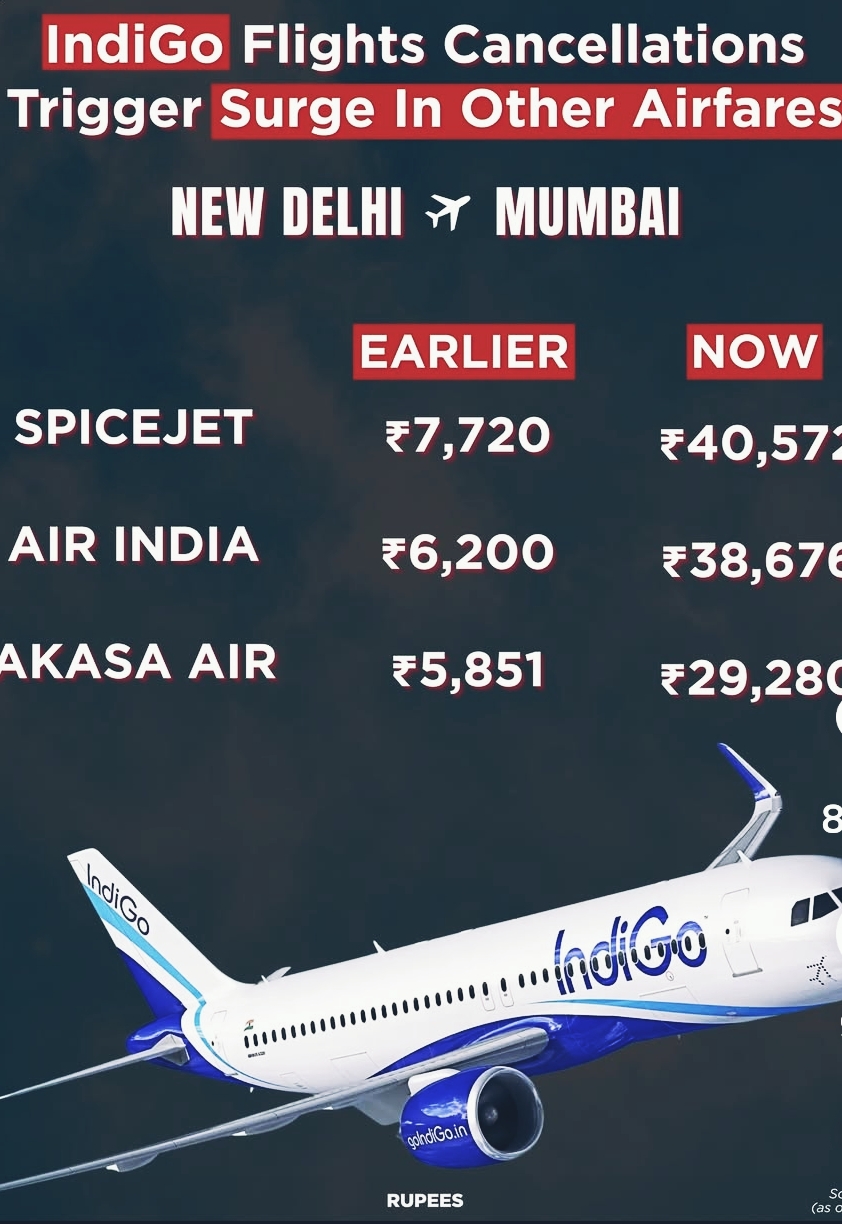
Runways to Ruins: When India’s Largest Airline Froze the Nation’s Circulatory System with One Brutal Operational Seizure
At its darkest hour, IndiGo’s vast network—designed to function as the country’s aerial circulatory system—collapsed into a dangerous arrhythmia. A machine calibrated for nearly 2,300 daily flights convulsed as on-time performance crashed to a catastrophic 30%, exposing not just an airline in trouble, but a nation psychologically and economically thrown off balance. The airspace over India did not simply slow down; it lost rhythm. What followed was a desperate choreography of damage control: 1,500 flights operated on Saturday, shrinking to 600–650 by Sunday, not as weakness but as strategy.

Aggressive cancellations, though reputationally brutal, prevented the total seizure of a system teetering on the edge of nationwide gridlock. Promises of full stability by December 10 across more than 100 destinations sounded audacious, yet the mere climb from paralysis to partial function revealed how close India came to witnessing a complete aviation nervous breakdown.
The financial aftershocks resembled a forensic audit of collapse. Refunds touching an astonishing ₹610 crore compressed the cost of broken trust into a few unforgiving days. This was not a routine operational loss; it was a monetized measure of millions of disrupted lives, missed weddings, delayed surgeries, postponed negotiations, and derailed holidays. Nearly 3,000 misplaced bags had to be traced and reunited with their owners, a logistical marathon that did more to expose the scale of systemic rupture than to celebrate recovery. CEO Pieter Elbers defended the brutal pre-emptive cancellations, and while public optics were savage, the internal logic was coldly rational. Letting passengers flood megahubs like Delhi and Mumbai only to cancel at the gate would have created not chaos but unsafe density. By collapsing disruption into digital channels, physical infrastructure was spared a potential safety catastrophe.

Regulators responded with a firmness rarely witnessed in Indian aviation. The Directorate General of Civil Aviation did not posture; it imposed: zero rescheduling charges, temporary fare ceilings, and blanket waivers on cancellation and change fees until December 15. This was governance with consequence. The issuance of a show-cause notice—paired with an unusual 24-hour extension granted to the CEO—signalled gravity without abandoning procedural fairness. Such latitude is not offered lightly; it reflected both the seriousness of the lapse and the mountainous volume of documentation required to defend system-wide decisions. Under the relentless oversight of Ram Mohan Naidu, Union Minister for Civil Aviation, delayed passengers were mandated to be accounted for by 8 PM on December 7, transforming aviation from a commercial service into a matter of administrative conscience.

The regional economic tremors revealed a quieter but more dangerous truth: airline monopolies create fragile local economies. Nowhere was this more visible than in Rajasthan, where tourism contributes nearly 12% of the state’s GSDP and December functions as an economic lifeline rather than a calendar month. Luxury circuits—palace hotels, desert safaris, curated heritage trails—absorbed the shock of high-value cancellations. Occupancies fluctuated wildly, employment continuity wavered, and India’s premium tourism narrative took a reputational bruise it did not deserve. Even as IndiGo clawed back to nearly 75% operational strength, the slowdown exposed a brutal reality: when one airline falters, state economies tremble, not metaphorically but fiscally.
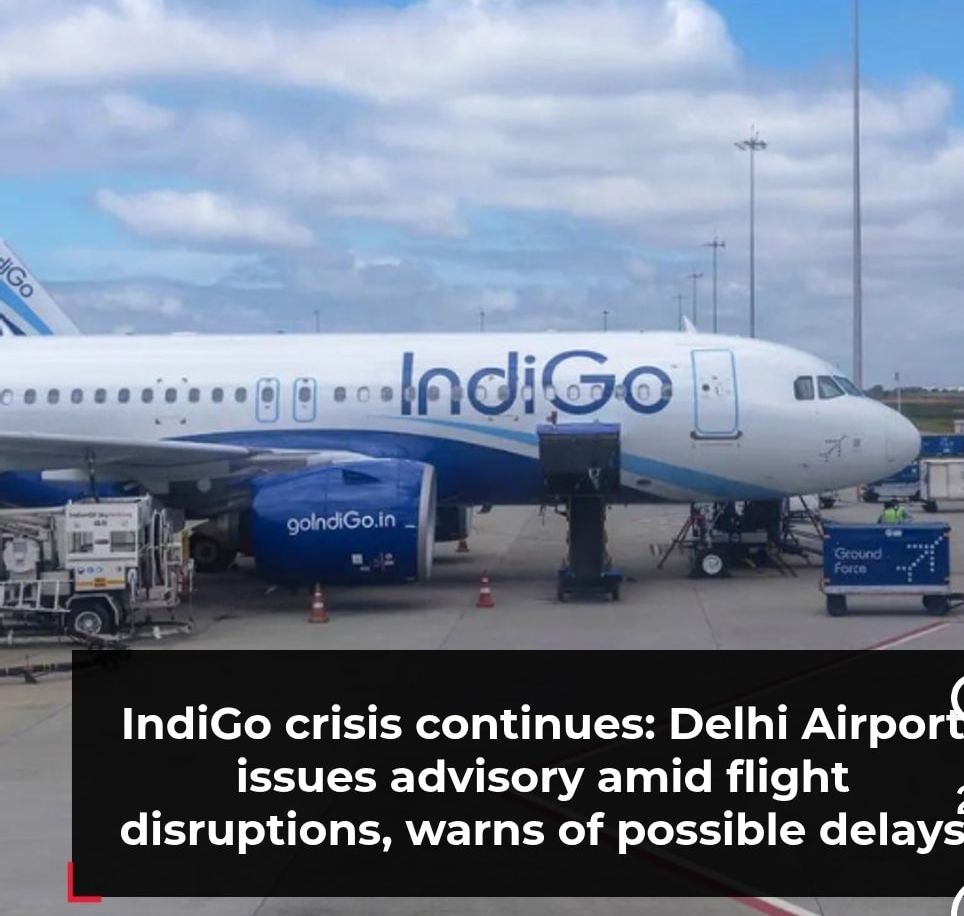
What the crisis revealed was not just operational failure but architectural vulnerability. IndiGo is no longer merely an airline; it is a national logistics organ. When it falters, India’s internal mobility experiences something akin to organ failure. Recovery at hubs like Bengaluru showcased resilience, but this was reactive engineering, not pre-designed redundancy. The challenge before regulators is no longer about restoring “normal” but about redesigning the skeleton itself. Scale without redundancy is not strength; it is concentrated risk. The lesson from this near-collapse is uncomfortable but unavoidable: survivability is not a benchmark, sustainability is.

Beyond aviation, the crisis drew a chilling parallel to systemic failures elsewhere, including the devastating fire tragedy in North Goa, exposing a shared national vulnerability: systems optimized for efficiency but starved of slack. IndiGo’s near-meltdown was not simply an airline story; it was a warning about India’s infrastructure philosophy. A nation obsessed with scale but indifferent to stress-testing lives dangerously close to the edge. This time, crisis management held. Next time, luck may not be so generous. What India witnessed was not delayed flights; it was a brief, terrifying glimpse of how fragile national momentum becomes when the machinery of movement stumbles at scale.
Visit arjasrikanth.in for more insights
 SOCIAL PERSPECTIVES