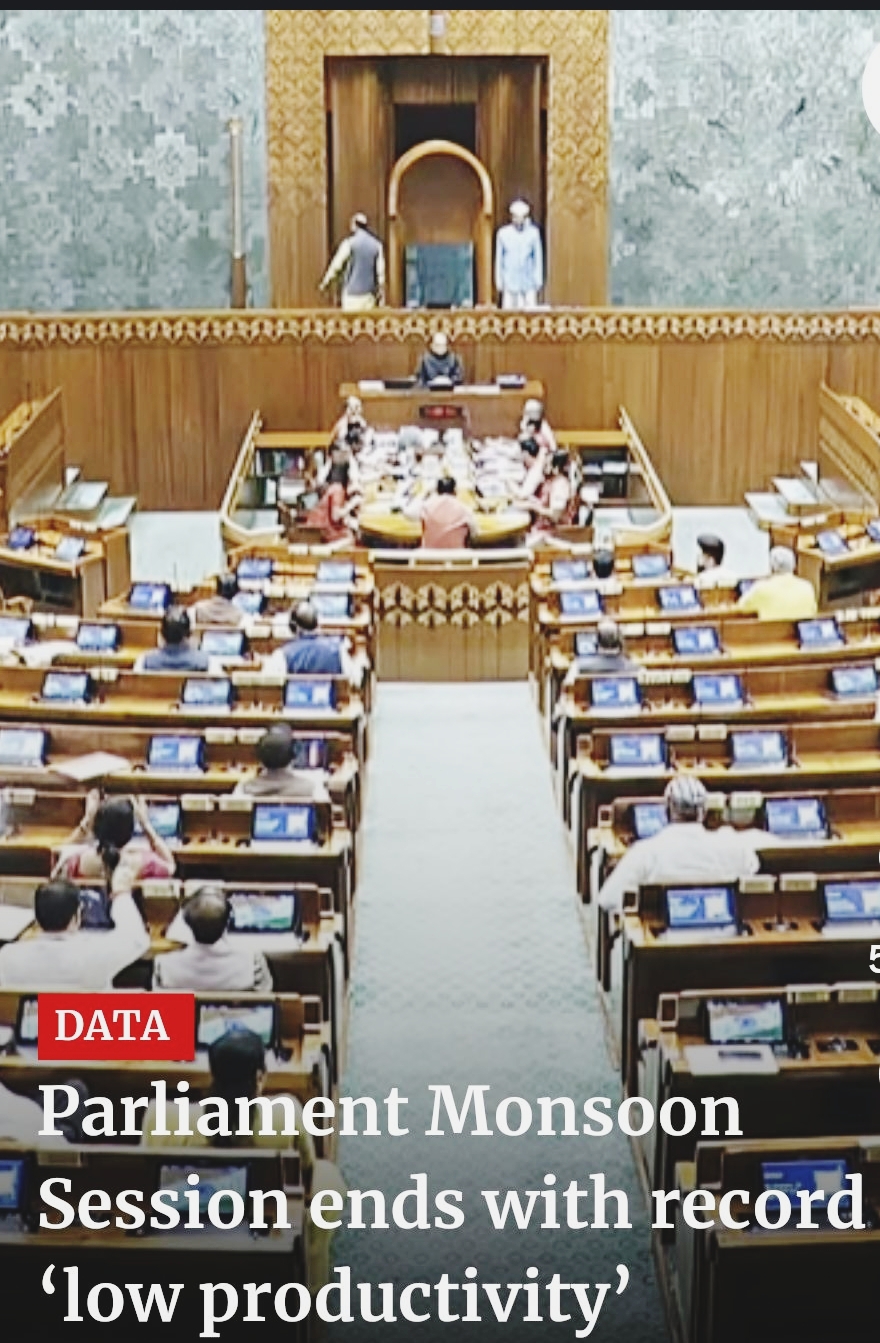
🎭 “Mic Off, Democracy On Hold: India’s Parliament Became a Battleground of Noise Over Nationhood”
India’s Parliament — once celebrated as the beating heart of democratic discourse — is slipping into a dangerous cycle where noise overwhelms governance and confrontation replaces consultation. What should be a vibrant policy-making arena is increasingly functioning as a theatre of conflict, with adjournments outnumbering arguments and legislation outpacing deliberation. The decline in parliamentary productivity has been gradual but consistent, long predating the current administration, yet the sharp fall in the quality of debate today signals an urgent institutional crisis. Key processes such as budget scrutiny, committee evaluations, and Question Hour have been pushed to the margins. India, the world’s largest democracy, is witnessing a shrinking space for democratic accountability — and the warning lights are flashing red.
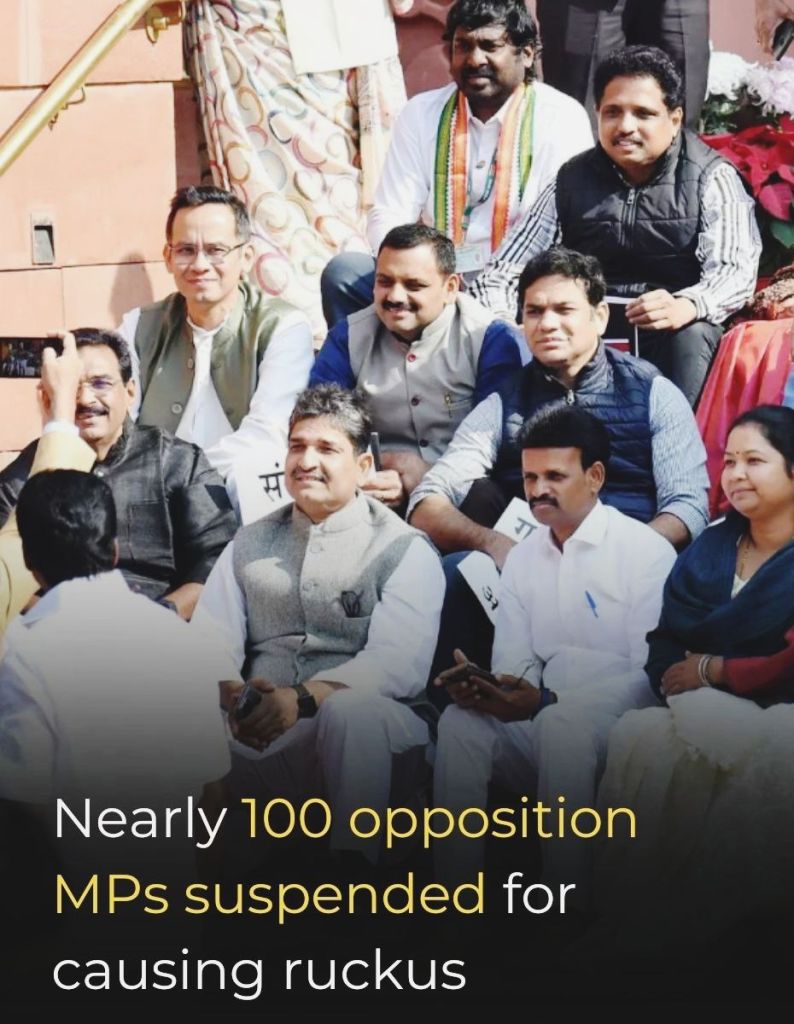
The consequences are visible in hard numbers. Sessions are growing shorter, disruptions are consuming valuable hours, and the deliberation underpinning law-making is evaporating. Shockingly, the Regulation of Online Gaming Bill was passed with only six minutes of debate in the Lok Sabha and 23 minutes in the Rajya Sabha. The Merchant Shipping Bill received just 30 minutes of total scrutiny across both Houses. Even more concerning, the referral of bills to parliamentary committees—an essential check for detailed legislative analysis—has plummeted from 60% during UPA-I & II to less than 20% under the two latest Lok Sabhas. Budgets are increasingly guillotined without discussion, and Question Hour routinely collapses into chaos. These are not sporadic lapses but symptoms of deep democratic erosion.

At the root of the disruption lies escalating political hostility. Parliamentary democracy thrives on negotiation, but today negotiation has been replaced by provocation. Opposition parties demand urgent discussions on matters ranging from price rise to national security or alleged voter list irregularities linked to the ongoing SEI (Summary Electoral Inspection) exercise. The government insists on rule-bound scheduling, rarely conceding flexibility. When dialogue stalls, tempers erupt — Members storm the Well, the Speaker adjourns proceedings, and legislative work implodes. What once were witty, respectful duels — think Vajpayee’s humour confronting Narasimha Rao’s wit — have devolved into personalised taunts and televised theatrics. The Prime Minister’s remark that the opposition is merely “bitter over losses,” and retorts such as “Sarkar chalegi, hum decide karenge,” amplify distrust and dismantle cooperation.

This legislative decay does not merely tarnish political reputations — it harms the citizenry. Laws passed with little debate face implementation bottlenecks, greater judicial scrutiny, and lower public trust. When Parliament does not thoroughly discuss a bill, the people lose the chance to understand its purpose, benefits, and threats to their rights. Worse, transparency is evaporating. The Deputy Speaker’s post — traditionally held by the opposition — has been vacant since 2019, symbolizing the steady erosion of institutional balance. Despite official claims that parliamentary productivity remains high — the 17th Lok Sabha cited 88% functioning time — the reality is that most of this “functioning” came from marathon, confrontation-driven sessions like Operation Sindhu, while meaningful legislative hours remained minimal.

Blame cannot be placed at the door of one side alone. Every major political party has, at some point, defended disruption as a tool of democratic protest while criticizing it as sabotage when roles reversed. This cyclical hypocrisy has normalised conflict as strategy.
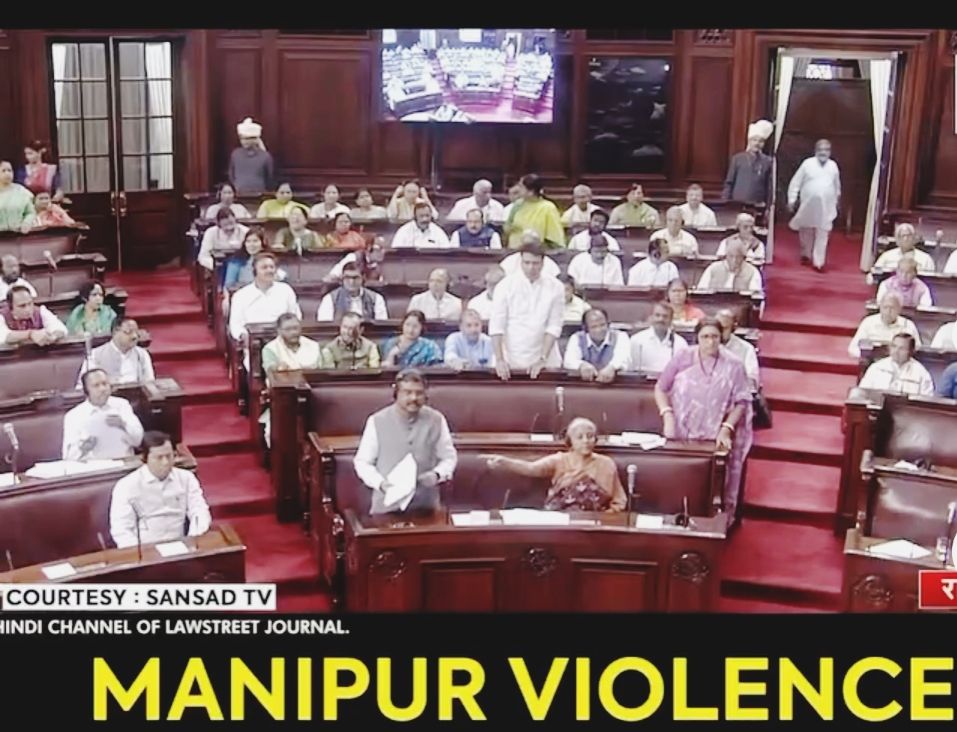
Meanwhile, taxpayers watch billions of rupees spent on sessions where little governance occurs. The rare exceptions — such as the dignified passing of the women’s reservation constitutional amendment — prove something critical: India’s Parliament can function with dignity, cooperation, and foresight when its leaders choose national interest over headline-driven combat.
Dialogue, respect for procedure, and a shared commitment to constitutional values can still restore purpose to the institution.
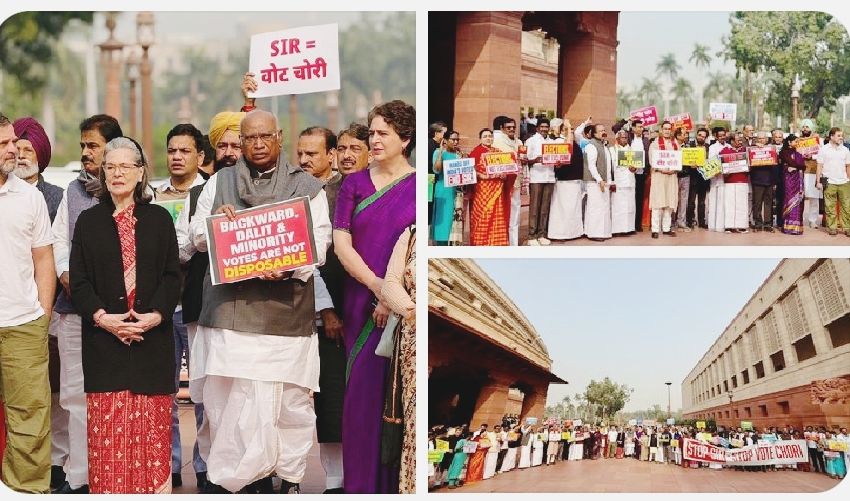
The ongoing Winter Session presents a crucial test. The opposition wants structured discussion on SEI-linked irregularities — including reported voter exclusions. The government asserts procedural constraints and resists immediate debate. If both sides continue to treat Parliament as combat turf rather than a constitutional institution, India risks another wasted session. Citizens are already shifting from disappointment to collective resignation — a dangerous sign in any democracy. When Parliament refuses to listen, the system stops responding. The framers of the Constitution envisioned Parliament as the ultimate guardian of people’s voice — a place where even the smallest concern could influence the largest decisions. If current trends persist, India risks turning its Legislature into a mere rubber stamp of majoritarian power. Restoring the sanctity of debate is not about strengthening one side — it’s about saving democracy itself. Because a nation where lawmakers stop speaking meaningfully is just one step away from a nation where citizens lose the right to speak at all.
Visit arjasrikanth.in for more insights
 SOCIAL PERSPECTIVES