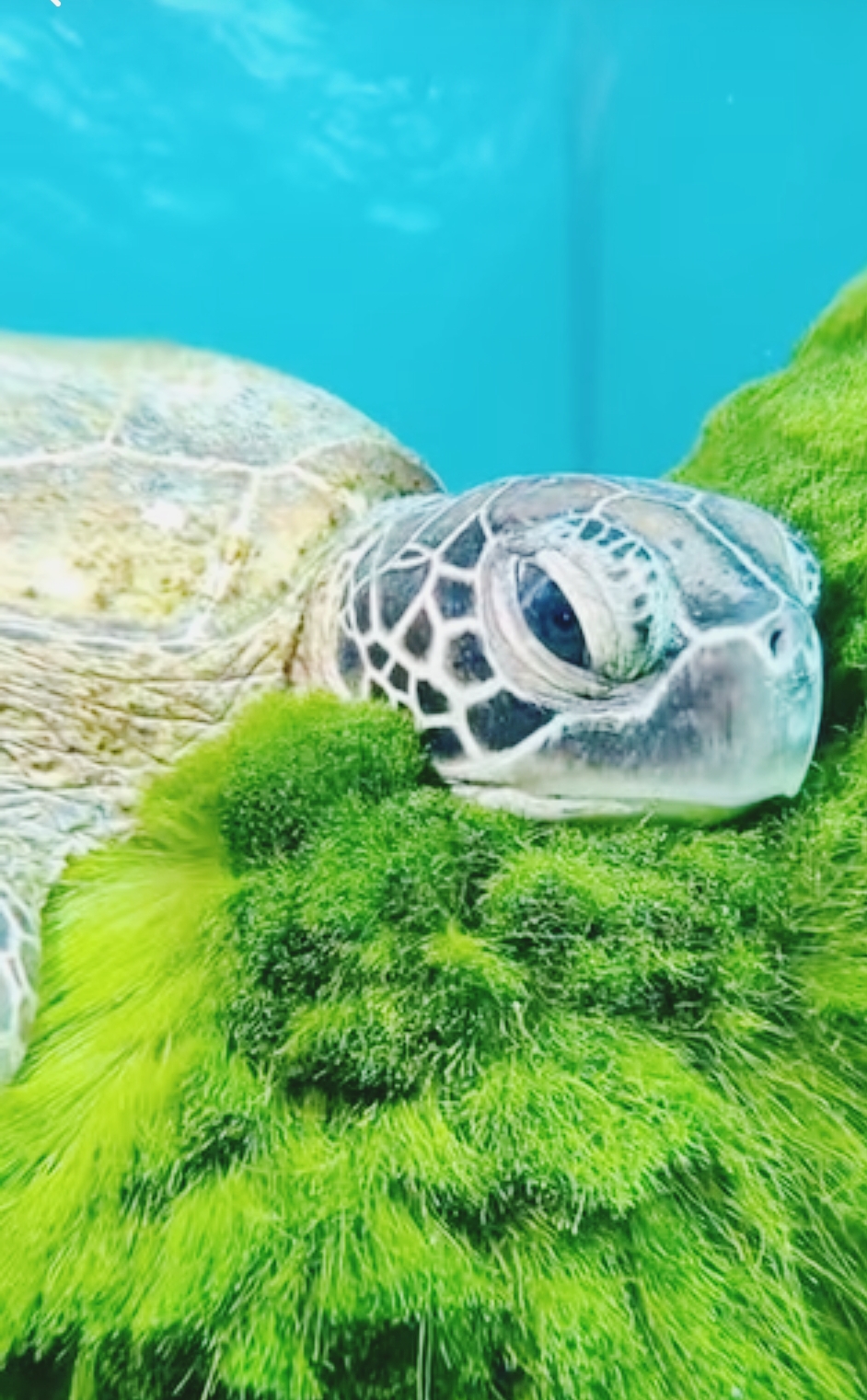
🌊 “The Invisible Forest Apocalypse: We’re Killing the Planet’s Biggest Climate Hero Without Even Noticing” 🧪
While world leaders in immaculate suits negotiate climate commitments in air-conditioned plenary halls, a silent planetary catastrophe is unfolding far from view—across the vast blue surface that covers 70% of the Earth. The greatest carbon-capture system ever engineered by nature is collapsing, yet it remains practically absent from global environmental discourse. It is not a man-made invention, nor a technological marvel funded by billionaires. It is microscopic algae—the tiny, drifting organisms forming the world’s invisible oceanic forest. Their decline should be provoking a global emergency, for the scale of danger matches—or surpasses—the deforestation crisis on land. If terrestrial forests began shrinking by even 1% annually, alarms would ring across every capital city. However, the same scenario in our oceans continues largely unnoticed, reflecting a profound disconnect between climate action and ocean health.
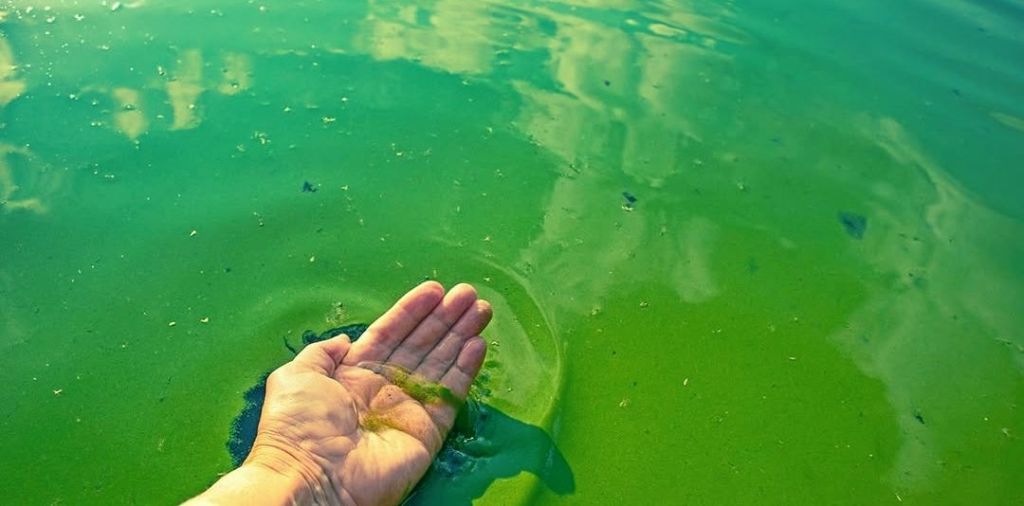
These microscopic organisms are the most efficient biological climate technology on Earth. Phytoplankton produce nearly 50% of the oxygen in our atmosphere—every alternate breath we take is a gift from the sea. They also account for roughly half of global photosynthesis, quietly extracting carbon dioxide with a sophistication nature perfected over millions of years. Since the dawn of industrialization, they have absorbed around 30% of humanity’s emissions, buffering civilization from runaway warming. Their existence powers a natural carbon pump: algae capture CO₂ and, when they die, their carbon-laden bodies sink to the ocean floor, locking away that carbon for thousands of years. This sequestration system is essential to maintaining a habitable planet. Yet despite this invaluable role, algae populations are declining at an accelerating rate—undermined directly by human-induced changes to marine systems.
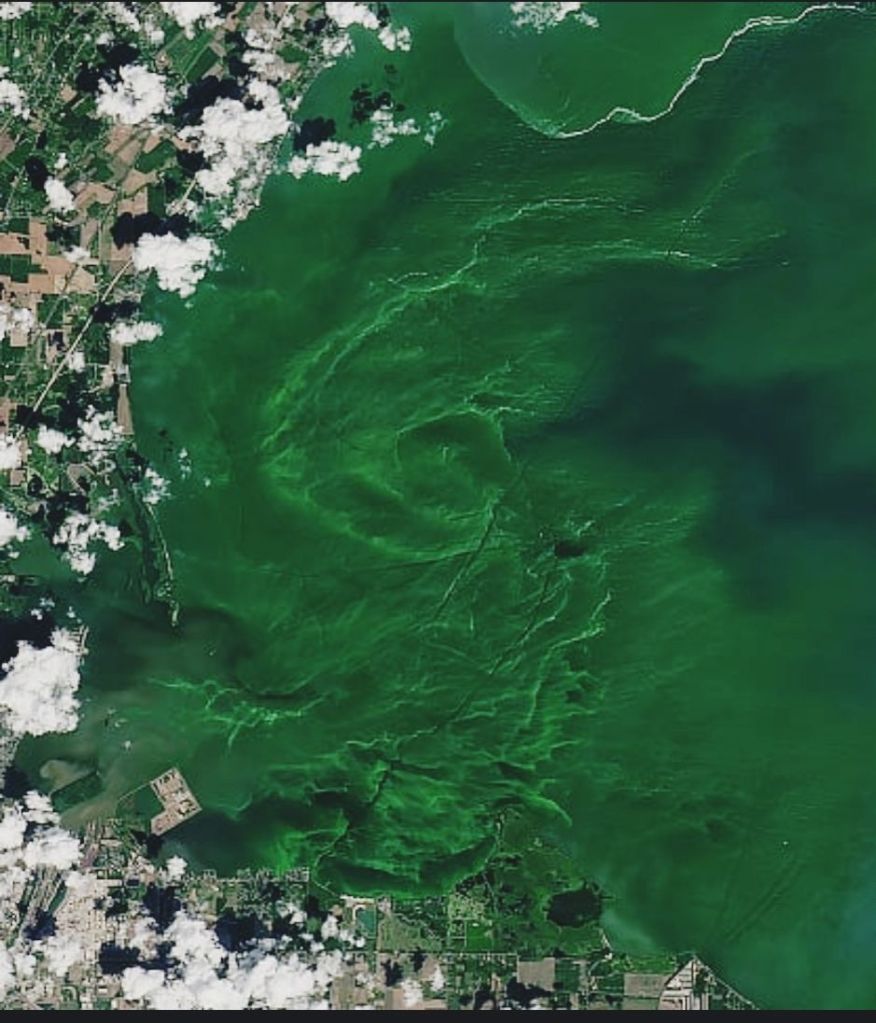
Climate change is attacking phytoplankton on multiple fronts. Rising sea-surface temperatures create stratified layers that prevent nutrient-rich deep waters from reaching the surface, starving algae of nitrogen, phosphorus, and iron. Meanwhile, as oceans absorb increasing amounts of CO₂, they become more acidic, damaging the cellular structures and productivity of phytoplankton. Pollution further intensifies the crisis—plastics, untreated sewage, fertilizer runoff, industrial effluents, and oil spills alter marine chemistry and trigger toxic algal blooms that destabilize marine food chains. The result is a dangerous feedback loop: warming seas reduce algae populations, which decreases CO₂ absorption, accelerating warming and driving further ecosystem collapse.
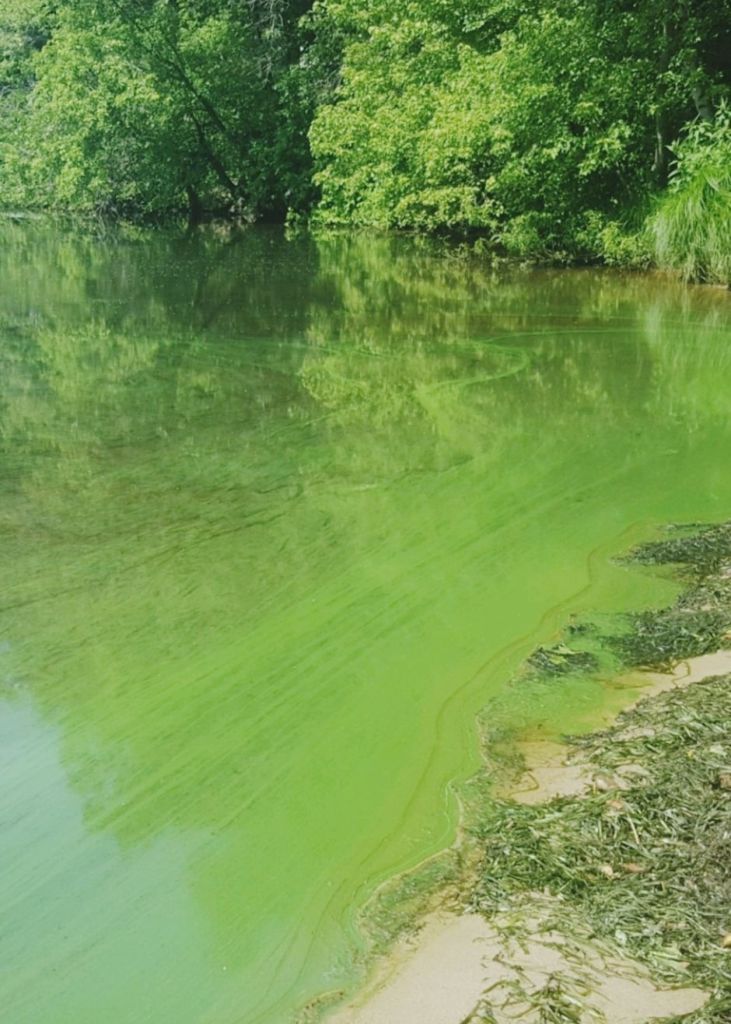
Humanity is, in effect, unplugging Earth’s most powerful carbon vacuum cleaner while desperately searching for new machines to remove the dust.
What makes this crisis uniquely alarming is its near-total political invisibility. Global climate summits obsess over forests, electric mobility, renewable power targets, carbon markets, and methane reduction. Yet the planet’s most crucial climate-stabilizing organism barely receives a mention in climate agreements or national commitments. Four reasons explain this neglect: phytoplankton are microscopic and thus difficult for the public to perceive; they exist largely beyond national jurisdictions, making regulation complex; they do not fit easily within existing carbon-credit frameworks; and they lack any commercial lobby to advocate on their behalf. Their decline cannot be broadcast through dramatic satellite imagery like burning rainforests—and in international diplomacy, what cannot be visualized rarely becomes a priority. This systemic blind spot perpetuates a dangerous illusion: that humanity can achieve climate stability through land-based solutions alone.
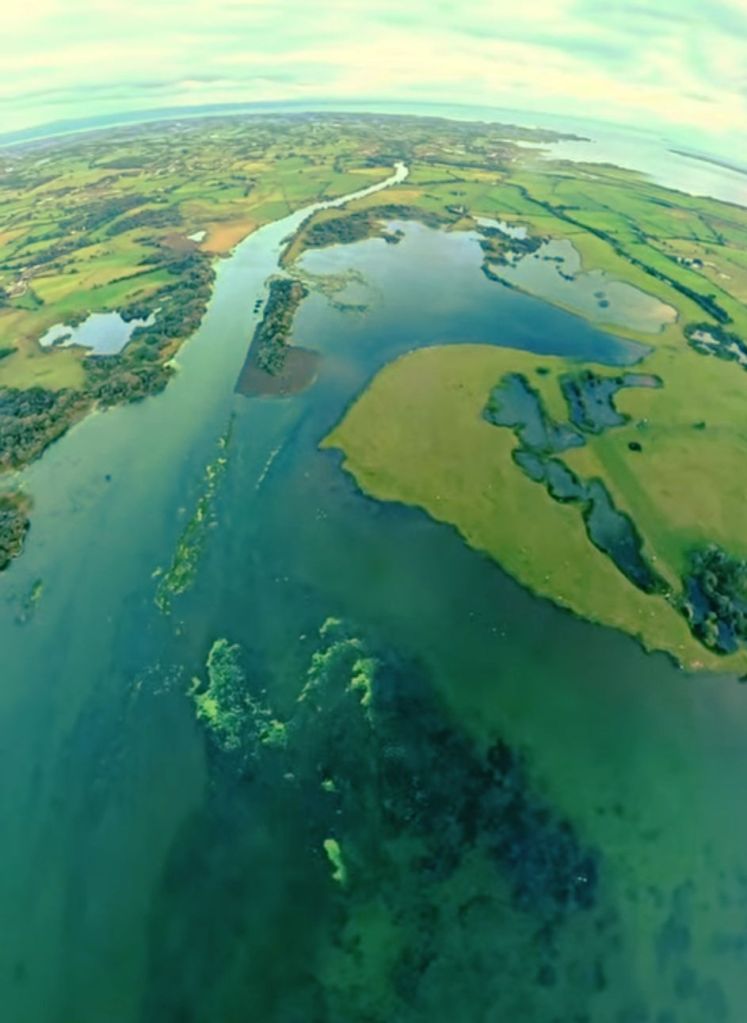
The world must correct this strategic error urgently. A comprehensive rescue agenda is needed to restore the ocean’s primary climate function. This begins with creating a Global Ocean Algae Observatory—harmonizing satellite tracking, underwater robotics, and AI-driven modelling to monitor phytoplankton health in real time. Nations should expand seaweed farming—not only as a climate-positive industry generating livelihoods, but also as a key tool for restoring marine ecosystems. Scientific evaluation of iron fertilization in nutrient-poor waters must continue under strict governance to avoid unintended ecological harm. Blue-carbon ecosystems—including phytoplankton—must be formally integrated into national climate pledges (NDCs), elevating ocean conservation to the same strategic priority as terrestrial forests. Finally, industries whose emissions burden the ocean must contribute to financing large-scale restoration and protection of marine carbon sinks.
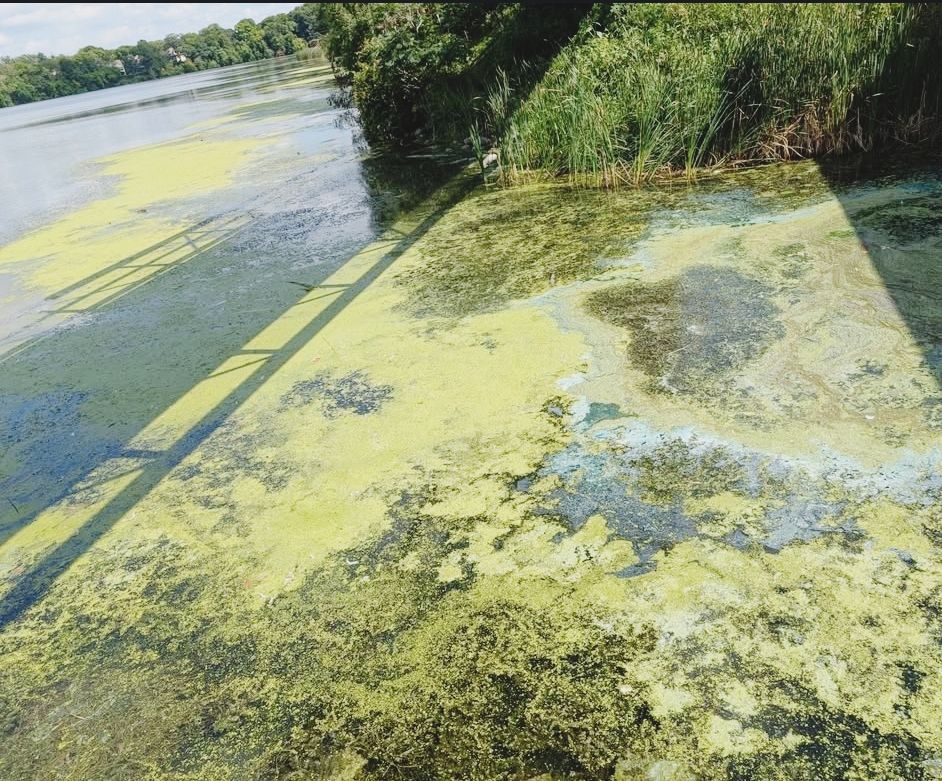
Humanity’s approach to climate change remains incomplete. Ocean systems are not passive casualties—they are central to atmospheric balance and planetary survival. We must replace the outdated mindset that treats oceans as dumping grounds with one that recognizes them as Earth’s primary climate regulator. This requires scientific leadership, financial innovation, global cooperation, and political resolve. As the invisible ocean forest shrinks, the stability of civilization deteriorates. Saving algae is not an environmental option—it is a biological necessity.
The fate of global climate security is inseparable from the fate of microscopic algae. If their decline continues, humanity risks crossing irreversible warming thresholds. The uncomfortable truth is this: the apocalypse may not begin with burning trees, melting glaciers, or vanishing species on land. It may begin with the quiet extinction of the ocean forest we ignored—simply because we could not see it. Save the algae, save the planet. Lose the algae—lose the future.
visit arjasrikanth.in for more insights
 SOCIAL PERSPECTIVES