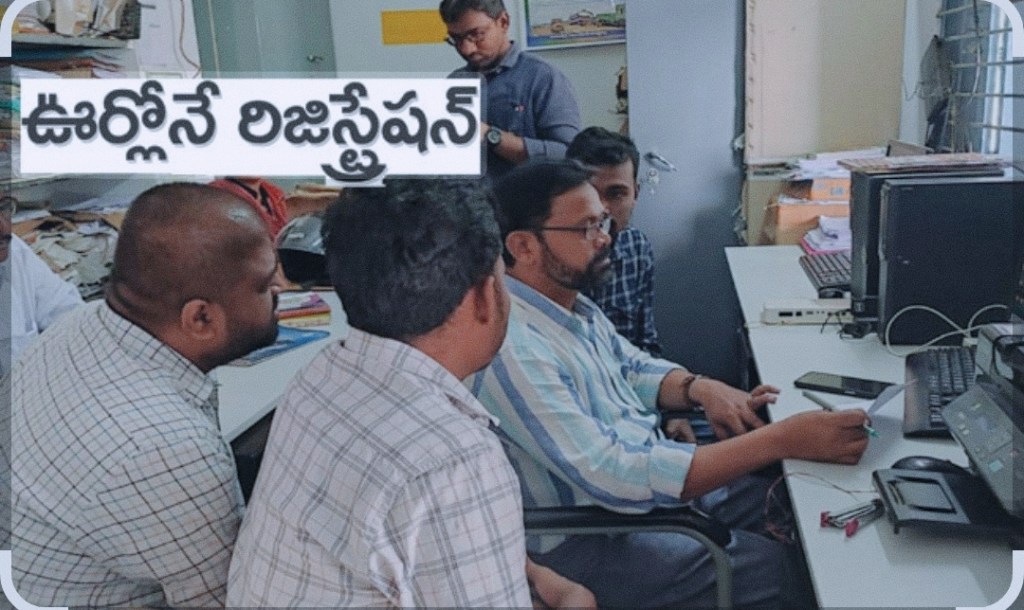
🏡 “Ownership Without Borders: Andhra Pradesh Turned Registration From a Nightmare Into a Digital Dream” 🚀
For decades, homeownership in India carried an invisible burden — the fear of property registration. What should have been a moment of celebration often became the most stressful stage of the journey. An outdated rule — tying registration to the specific Sub-Registrar Office (SRO) that held jurisdiction over the property — chained citizens to a system notorious for delay and discomfort. People were forced to travel long distances to unfamiliar government offices, depend on middlemen, spend hours in queues under harsh weather, and deal with avoidable hurdles. Lost files, unclear records, suspicion of corruption, and unpredictable waiting times were all perceived as part of the “normal” experience. For lakhs of buyers — especially the working class, senior citizens, and migrants — securing legal ownership meant sacrificing dignity, time, and earnings. The system had become a bottleneck in the homeownership journey, driving fear into what should have been a joyous milestone of life.

Andhra Pradesh finally decided to break this chain. Under the bold and reform-driven leadership of Shri N. Chandrababu Naidu, the state rewrote the century-old rulebook and designed a system aligned with the ethos of Digital India. The landmark reform — “Anywhere Registration” — ended territorial restrictions entirely. Now, a property in Tirupati could be registered in Parvathi Puram, Ongole, or even Kurnool — wherever the parties involved found it convenient. The guiding philosophy was simple yet revolutionary: citizens should never chase government offices — the government should reach citizens wherever they are. This liberated approach transformed the entire experience, shifting power from the system to the citizen. Andhra Pradesh effectively made registration a boundary-less, location-free, and citizen-driven service — crafting One State. One System. One seamless digital network that set national standards.
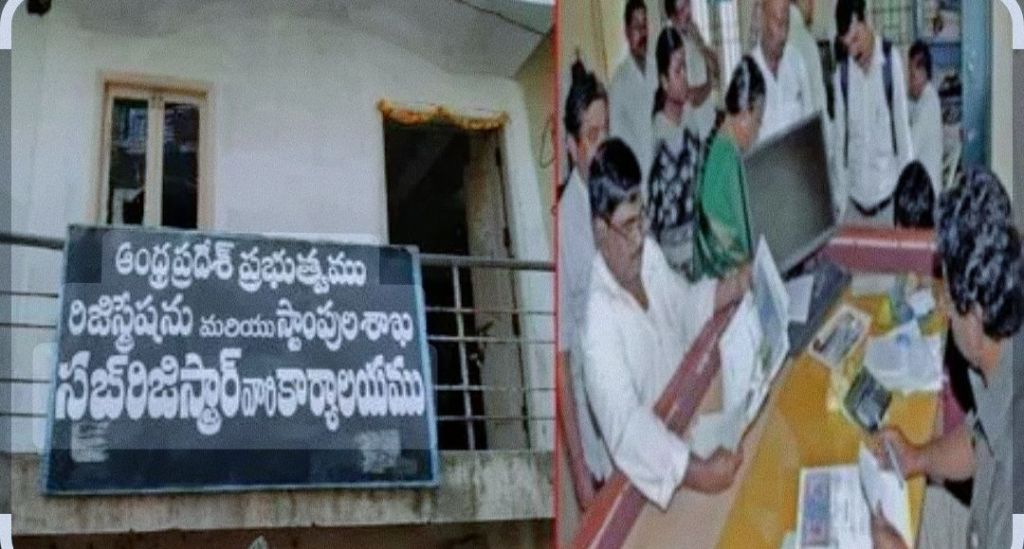
What truly sets this reform apart is not just digitalization, but structural reinvention. Every step that once required brokers, guesswork, and multiple office visits was shifted online with complete transparency. Documents could be digitally prepared and submitted through Public Data Entry. Stamp duty and service fees were auto-calculated with precision. The MeeBhoomi land database offered instant and tamper-proof verification of property titles. Aadhaar-based biometric authentication ensured the person signing a deed was the rightful owner — no impersonation, no fraud. The innovative Bhudhaar initiative assigned each land parcel a unique 11-digit digital identity, eliminating confusion and duplication. A centralized digital registry connected all SROs, ensuring instant data access, electronic storage, and real-time updates. This was not cosmetic modernization — it was deep, legally robust reform strengthening transparency, accountability, and data integrity at its core.
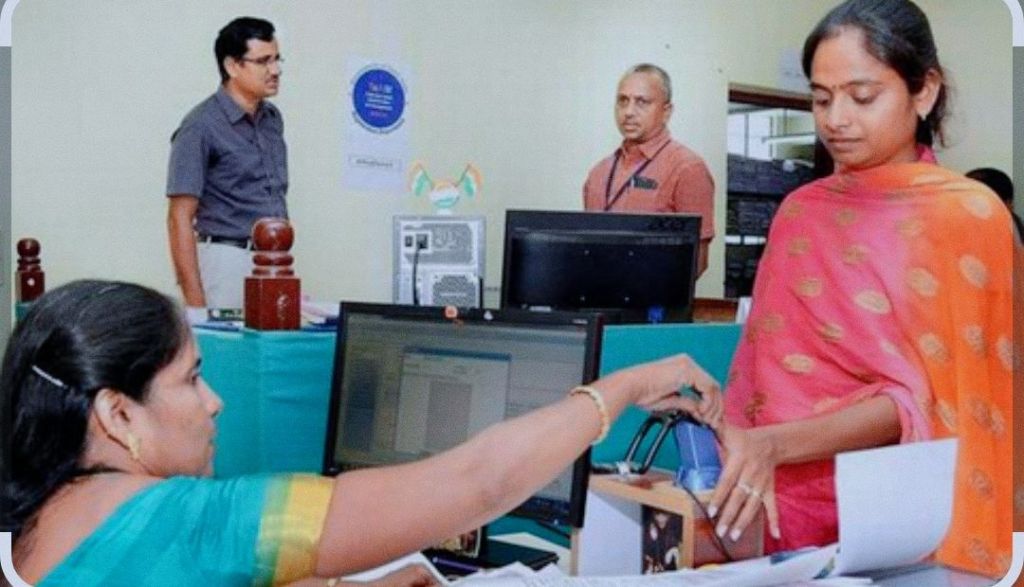
The biggest transformation arrived at the service counter itself — registration in under 20 minutes. What once consumed an entire day, or even several trips, became faster than ordering a pizza. With online slot booking, citizens walked into the SRO of their choice as welcome guests rather than anxious petitioners. Their documents were already uploaded and ready for verification. Biometric authentication, digital signatures, and real-time database updates made the process swift and seamless. Within minutes, a printed sale deed was delivered — and the digital copy was instantly available in the citizen portal. These new-age offices replaced chaos with comfort, confusion with clarity, and fear with confidence. Andhra Pradesh demonstrated that government services can be pleasant, predictable, and proudly world-class.

The reform triggered a powerful wave of trust and economic opportunity. Automation eliminated the scope for corruption. Cashless transactions shut down informal payment channels. QR-coded Pattadar Passbooks and SMS alerts prevented duplication and fraud. Workers and farmers saved precious daily wages by avoiding long queues. The real estate ecosystem — from homebuyers to bankers — gained renewed confidence in the state’s governance capabilities. Domestic and international investors took note of the reduced transactional risk and strengthened property security. The registration office — once a symbol of bureaucracy — transformed into a badge of governance excellence. The state’s institutional credibility strengthened because transparency is the highest form of service delivery.

Ultimately, Anywhere Registration is not merely an e-governance success story — it is a citizenship empowerment movement. It reflects what 21st-century India must pursue relentlessly: hassle-free access to essential rights, technology that respects human dignity, and governance that values time as much as money. Andhra Pradesh has offered the country a replicable model for smart, inclusive, and efficient service delivery. It is a reminder that governance must evolve at the same pace as citizens’ aspirations. When government processes become easy, citizens believe in government again. Andhra Pradesh has shown the way — with a system that is paperless, people-centric, corruption-resistant, digitally secure, and gloriously free from jurisdictional boundaries. This is not merely reform. It is a blueprint for India’s digital future — as fast as innovation demands, as fair as justice requires, and as simple as a click.
Visit arjasrikanth.in for more insights
 SOCIAL PERSPECTIVES