🧪 “The Healthcare Plot Twist: Labs Became the Real Money Machines”
India’s healthcare narrative has long been dominated by two visible empires: sprawling hospitals and the ever-expanding pharmaceutical industry. These giants receive most of the investment, policy attention, and mindshare. Yet, a silent revolution has unfolded behind the scenes. A sector accounting for less than 10% of national healthcare spending has grown into a multi-thousand-crore powerhouse—Diagnostics. This business, built on the power of early detection, clinical precision, and scalable technology, has emerged as one of the most profitable pillars of Indian healthcare. Companies like Dr. Lal PathLabs, Metropolis Healthcare, and Vijaya Diagnostic Centre have flipped the script by proving that healthcare can be run like logistics and information science—efficient, centralized, and massively scalable. Diagnostics has quietly become the economic engine of healthcare delivery, turning lab networks into wealth-generating ecosystems.

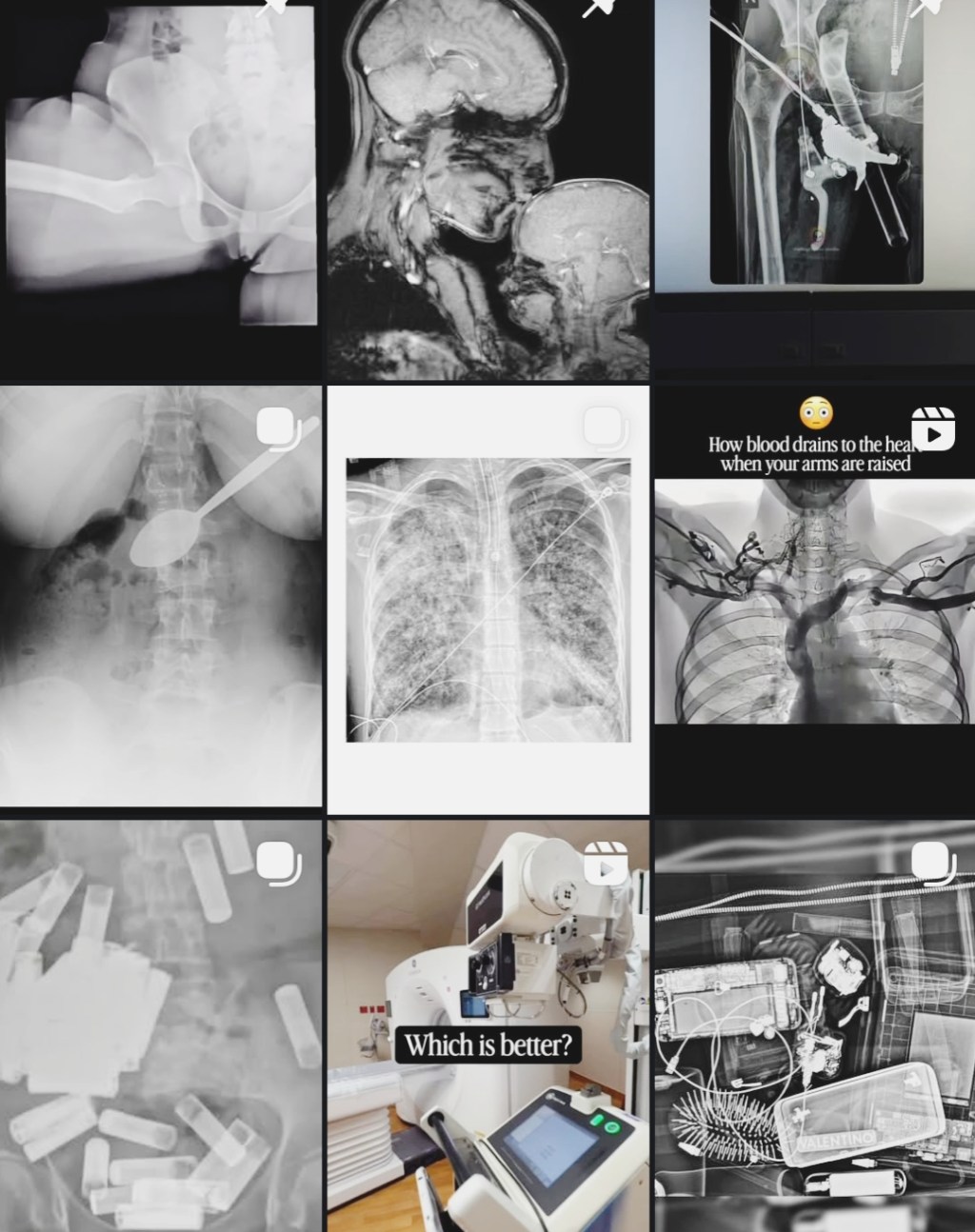
Nearly 70% of all medical decisions are based on diagnostic results, making labs the true nerve centres of patient care. While hospitals struggle with ICU management, complex surgical infrastructure, and insurance delays, diagnostics deals in intelligence—what illness a person may have, its severity, and how it must be treated. The industry spans essential routine pathology tests like CBC, thyroid, and vitamin profiles; advanced radiology and imaging such as MRI and CT scans; and the most exciting frontier—molecular and genomic diagnostics. The latter is growing at double-digit rates, supporting precision medicine and cancer detection while commanding exceptional margins. As India moves from illness treatment to wellness monitoring and personalized care, molecular diagnostics is emerging as the ultimate value driver. This is where science meets data, and profits meet purpose.

Unlike hospitals that require buildings, beds, and armies of staff, the diagnostics model concentrates capital in machinery, IT systems, and specialised manpower. This results in superior asset productivity and enviable cash flows. Receivables come largely from patients themselves—not insurance companies—ensuring faster payment cycles. Dr. Lal PathLabs, for example, serves 29 million patients a year with fewer than 300 labs, relying instead on over 6,600 collection centres and 12,000+ pickup points that funnel samples into centralized high-capacity processing hubs. The more samples collected, the lower the per-test operating cost and the stronger the margin. This operational leverage makes diagnostics a rarity: a healthcare business where scale instantly translates into profit. Once machines are installed, each additional test costs little but adds significantly to operating income.

The industry has embraced a growth strategy that focuses on volume expansion and price optimization. Between FY21 and FY25, industry data shows that revenue per patient fell from ₹786 to ₹759, and revenue per test shrank from ₹233 to ₹187. And yet, test volumes surged at a remarkable 17% CAGR. The message is clear: increase customer acquisition, run more tests, and use scale to compensate for price pressure. Two business models drive this growth—B2C, where patients book directly and pay premium prices, contributing heavily to margins; and B2B, which brings bulk volumes from hospitals and clinics at discounted rates. In routine pathology, where customers believe all tests are interchangeable as long as results are accurate, price sensitivity remains high. Therefore, only the biggest and fastest will survive.
With high profitability attracting attention, competition is intensifying. Big hospital chains like Apollo are expanding their diagnostic footprint to retain patients through the full care continuum. E-pharmacy giants such as PharmEasy and 1mg are offering aggressive pricing powered by digital reach, loyalty programs, and delivery networks that already operate at scale. Even pharmaceutical companies are entering diagnostics to complement their disease portfolios.

Despite this growing competition, the market remains highly fragmented, with 70–80% of labs still run as standalone regional players. Consolidation is inevitable. Meanwhile, regulatory oversight continues to lag, especially in advanced genomic testing where scientific innovation is outpacing policy frameworks. Margin pressures are rising, but innovation is accelerating even faster.
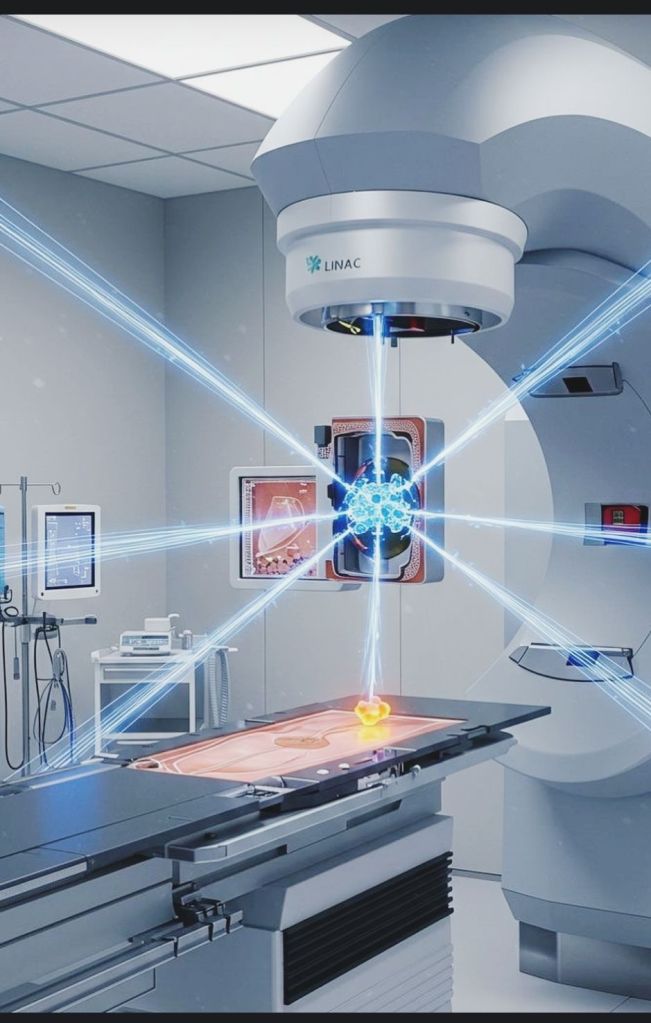
The future of diagnostics is set to be even more transformative. The surge of GLP-1 weight-loss drugs mandates frequent hormonal and metabolic monitoring, creating a new long-term revenue stream. Oncology testing, genetic screening, and hormonal assays are expanding rapidly and will remain the highest-margin categories. AI-enabled pathology promises faster and more accurate interpretations, while remote radiology enables specialists in metropolitan hubs to diagnose patients across rural India. Mobile labs and point-of-care devices are placing healthcare directly in homes and underserved regions. As electronic medical records and preventive health programs take hold, diagnostics will shift from detecting sickness to safeguarding health. Testing will become a subscription-based wellness routine rather than a once-in-a-crisis necessity.
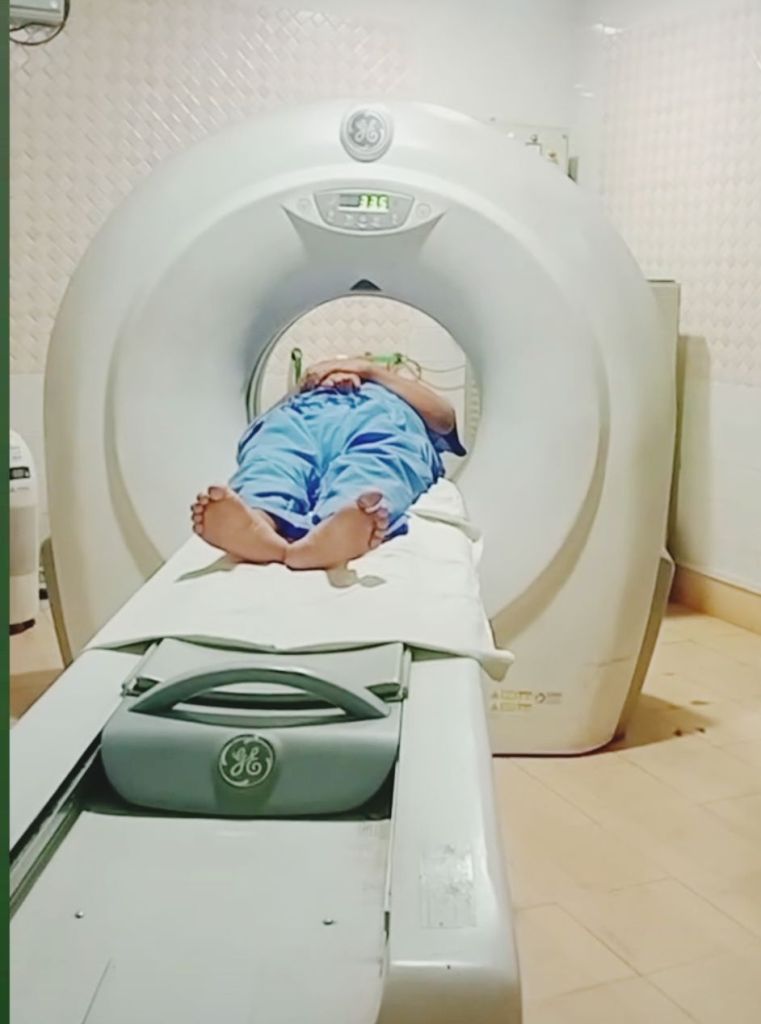
Ultimately, India’s diagnostics industry underscores a new truth: information is the most valuable medicine. Hospitals treat people and pharmaceutical companies manufacture cures—but diagnostics decides what needs to be treated, when to intervene, and how care should be financed. As test prices continue to fall in routine categories, the winners will be those who climb up the value chain into specialized, precision-driven diagnostics backed by technology and trust. In India’s healthcare revolution, labs are no longer supporting actors—they are writing the script. The spotlight has finally shifted to the business of knowing, predicting, and preventing. Diagnostics has arrived as the real money machine of Indian healthcare, and its role will only grow as the country demands faster answers and smarter care.
Visit arjasrikanth.in for more insights
 SOCIAL PERSPECTIVES