Domino’s Is Delivering Wins While McDonald’s & KFC Lose Their Bite
India loves fast food like it loves festivals—grand, indulgent and always a celebration. The melting mozzarella over a Domino’s crust, the crispy punch of KFC’s fried chicken, and the iconic glow of McDonald’s golden arches have shaped outings, parties, and late-night cravings for decades. Yet, behind the irresistible aroma and nostalgia lies a surprising disruption. The latest financial results of India’s three QSR giants(Quick Service Restaurants) —Jubilant FoodWorks (Domino’s), Westlife Foodworld (McDonald’s India West) and Devyani International (KFC + Pizza Hut)—reveal a dramatic shift in what India wants to eat and how it wants it served. The consumer is still hungry, but the rules of the game have changed.

Domino’s stands out as the biggest beneficiary of this shift. While the brand struggles globally with declining demand, India has become its stronghold. Jubilant FoodWorks has reported a remarkable 20% revenue jump, with Domino’s India alone clocking 15.8% growth year-on-year. Its bold decision to make delivery free shifted behaviour permanently—takeaway lost relevance as pizza began reaching doorsteps faster and cheaper. Homes became dining spaces and the smartphone became the food court, thanks to convenience-driven consumption.
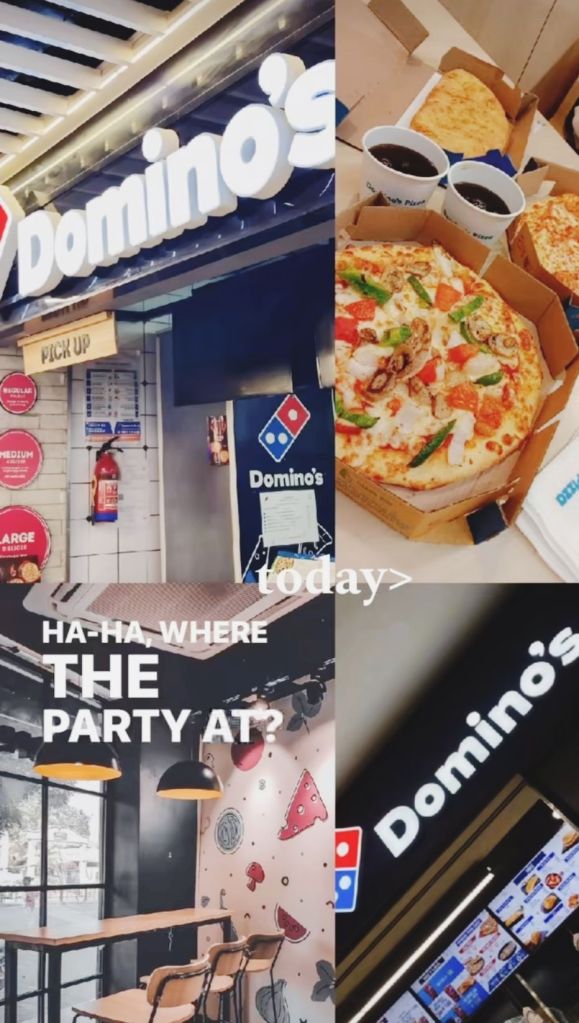
Domino’s has strengthened its dominance by going deeper into India. With rapid expansion in Tier-2 and Tier-3 cities—from Amroha to Dibrugarh—having a Domino’s outlet itself signals aspiration and lifestyle modernity. With 81 new stores and a smart product strategy that balances premium innovations with budget-friendly “Big Big Pizza,” the company has ensured appeal across income segments. As Jubilant targets 15% system-wide growth, with half expected from same-store performance, the message is clear: Domino’s is winning not by chance, but by intelligent market reading and execution.
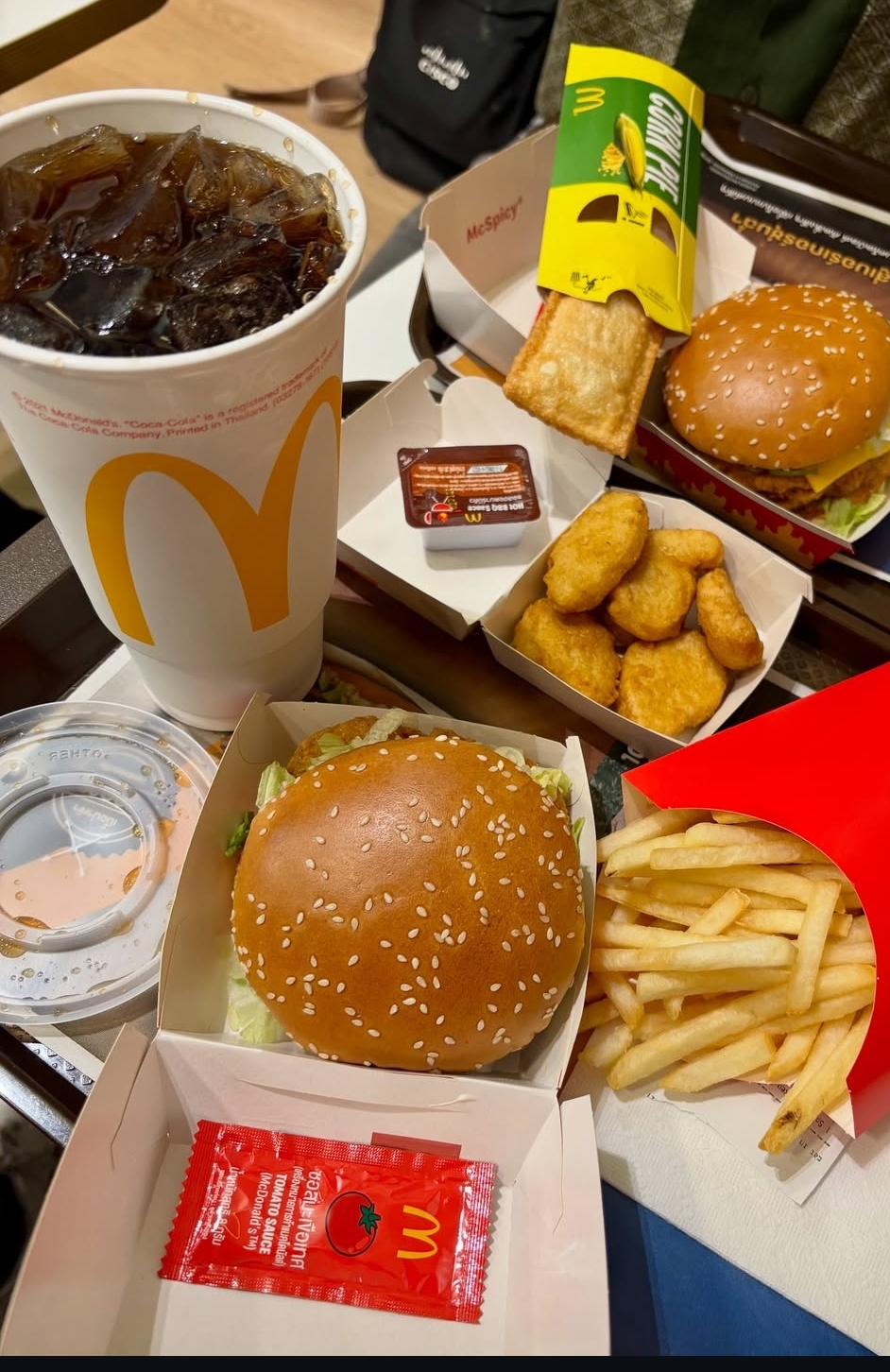
By contrast, McDonald’s is struggling to retain its charm. Westlife Foodworld reported just 3.8% revenue growth, and Same Store Sales Growth has remained flat for two straight years—a worrying indicator in a young market. i A brand once celebrated for Western cool now seems caught between identities—not indulgent enough to battle KFC, not value-driven enough to resist Domino’s, and not Indian enough to challenge the comfort of homegrown biryanis, rolls, and momos. Once a trendsetter, McDonald’s risks sliding into forgettable familiarity.
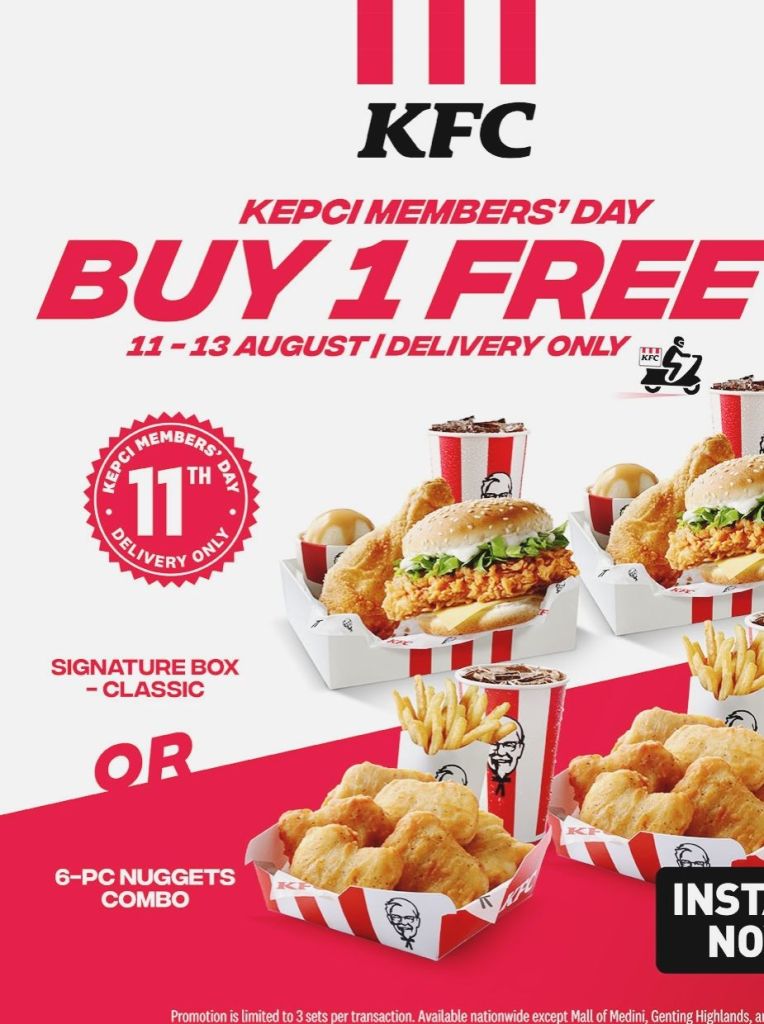
Devyani International, operator of KFC and Pizza Hut, faces a different dilemma: expansion without loyalty. Despite a vast 1,700-outlet network, revenue growth increasingly depends on new store openings rather than customers returning. Same-store performance is weak, and dine-in footfalls—crucial for profitability—are shrinking. Festivals like Shravana and Navratri push vegetarian preferences while rains dampen eating-out plans. Yet the bigger red flag is behavioural—customers arrive only when discounts lure them. Dependency on promotions over product love is a dangerous business model that weakens long-term resilience.

What we are witnessing is not a decline in fast food but a transformation in taste. The fiercest competition today comes from cloud-kitchen biryanis, gourmet momos, paneer-loaded wraps, and Instagrammable “desi-fast” foods—all delivered within 30 minutes on Swiggy and Zomato. Value, flavour, emotion, and convenience now determine loyalty. Delivery-led, culturally adaptive brands like Domino’s thrive; those relying on legacy or Western identity struggle. India’s fast-food industry is still booming—only smarter, more demanding, and more local in its preferences. Domino’s currently leads this new culinary era, while McDonald’s and KFC must rewrite their playbooks quickly before the fries go cold. The coming quarters will reveal who remains a favourite—and who quietly fades from the menu.
Visit arjasrikanth.in for more insights
 SOCIAL PERSPECTIVES