
Unpacking the Volatility of a Nutrition Powerhouse
India’s egg market—long perceived as a predictable, even unremarkable corner of the livestock economy—is now experiencing a seismic shift. Rising benchmark prices across major poultry belts have opened a window into deeper structural tensions: supply fluctuations, feed shocks, volatile weather patterns, shifting consumption trends and an increasingly outdated policy framework. With over 14,000 crore eggs produced annually, and a single southern cluster accounting for nearly 90% of India’s exports, price movements are no longer agricultural footnotes; they are indicators of systemic stress within one of the nation’s most nutrition-critical and employment-intensive sectors. What looks like a modest uptick at the retail counter is often a symptom of a much larger and more complex disruption.

To appreciate the present churn, it is essential to revisit the historical arc of India’s egg economy. In the 1970s and early 1980s, poultry farmers struggled under severe distress. Feed prices surged by over 250%, traders manipulated markets with ease, and predatory stockpiling became an unchecked practice. Thousands of small farmers collapsed under the weight of arbitrary price-setting and exploitative intermediaries. It was against this backdrop that a pathbreaking collective price-discovery platform emerged in 1982—a farmer-led, cooperative-style mechanism aimed at stabilising markets and enhancing bargaining power. For decades, this institution provided predictability, ran nationwide consumption campaigns, and created a unified producer voice. Yet, regulatory scrutiny ensured the platform remained advisory rather than mandatory, leaving farmers exposed to the full turbulence of market forces.
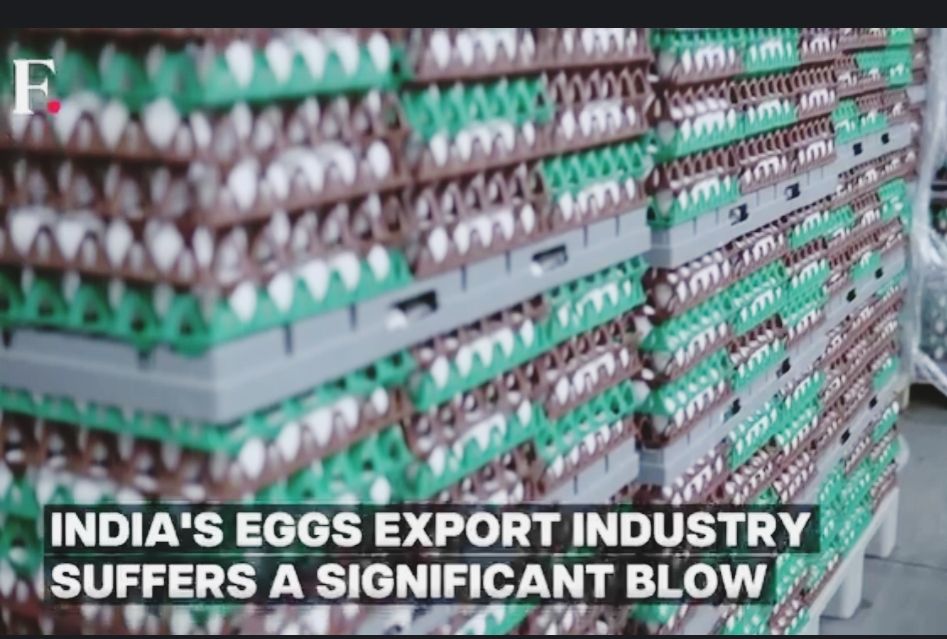
Today’s price rise must be seen through this layered institutional history. The most immediate trigger is the sharp spike in feed costs, especially maize. Fungal contamination, cyclonic moisture conditions and interstate supply disruptions have sent maize prices climbing sharply. Given that feed accounts for nearly 70% of total production costs, even minor supply shocks multiply into major viability concerns. Production this year may have fallen by 7–10%, even as steady consumption growth tightens the supply–demand balance. Seasonal surges between October and December—driven by bakeries, confectioners, and festival-linked manufacturing—can add 20–30 lakh eggs per month to national demand. Despite retail prices inching upwards, farmer margins remain fragile: an egg costs roughly ₹4.50–₹4.75 to produce, while selling only marginally above ₹6. Profitability remains wafer-thin; volatility defines reality.

Yet the structural pressures run deeper than feed or seasonality. India’s egg economy is an intricate web linking backyard farmers, commercial layer units, hatcheries, aggregators, transporters, cold-chain operators and processors. Weak aggregation systems, poor cold-chain penetration, inconsistent grading and limited mechanised processing lead to significant post-harvest losses and quality gaps. Adding to the complexity are periodic disease outbreaks—especially avian influenza—which trigger culling, impose internal movement restrictions, and invite international trade barriers. Unlike countries such as the US, Japan or the Netherlands that employ preventive vaccination, robust surveillance and high-biosecurity protocols, India largely follows a reactive disease-control model.
Limited uptake of HACCP, traceability frameworks and welfare norms further constrains export competitiveness.
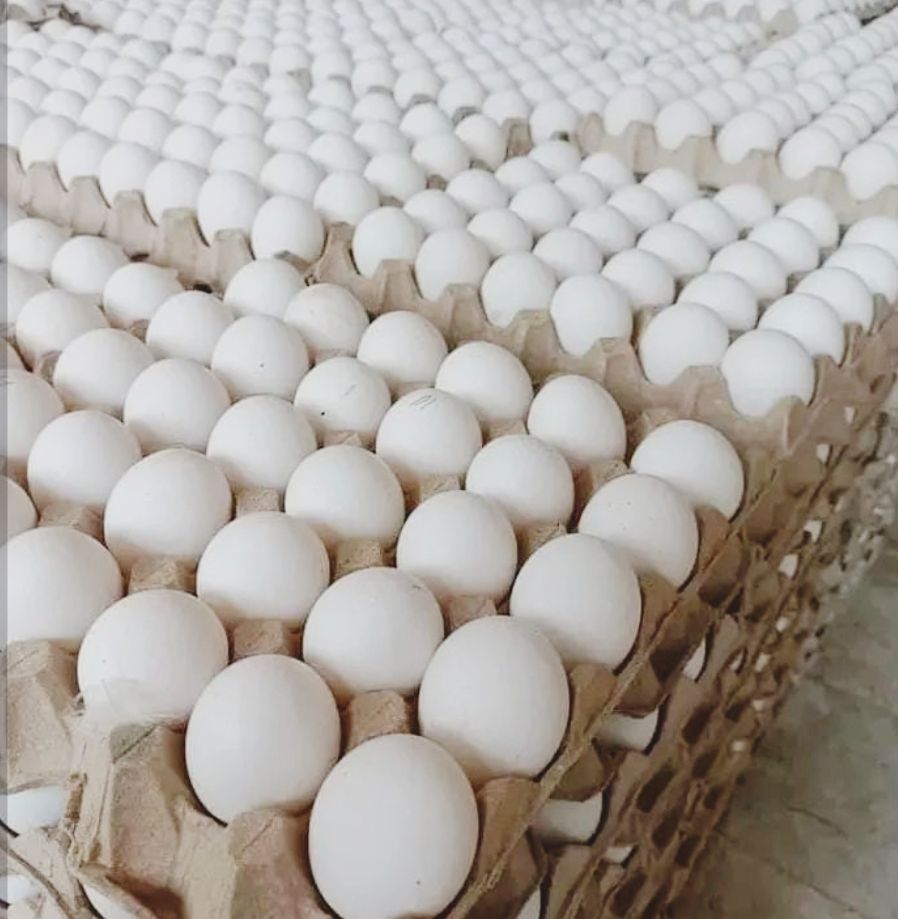
Reimagining the egg sector’s future requires structural reforms paired with targeted interventions. Stabilising feed economics must be the foremost priority. With little access to hedging tools or commodity futures, farmers remain unprotected from feed shocks. Crisis-year MSPs for maize, feed insurance schemes, or long-term procurement contracts can offer predictable input costs. Simultaneously, the processing ecosystem needs urgent modernisation. India vastly under-utilises its potential to produce liquid eggs, pasteurised products and egg powder—high-value, long-shelf-life commodities with substantial export appeal. Existing frameworks like the Animal Husbandry Infrastructure Development Fund (AHIDF) can be leveraged to build aggregation centres, grading hubs, cold-chain systems and processing plants.

Food safety, disease resilience and traceability need an equally ambitious overhaul. A national roadmap for targeted poultry vaccination, zonal disease-control protocols, and real-time surveillance—drawing from European best practices—can sharply cut outbreak-related losses. Digital traceability systems such as blockchain-enabled supply maps or QR-based tracking can boost consumer trust and open premium markets. Sustainability, too, must enter the core of sectoral planning. As global buyers tighten welfare norms, structured transitions toward improved housing systems, renewable energy use, waste reduction and manure management will become essential for competitiveness.

Ultimately, the egg is far more than a dietary staple. It is a pillar of rural livelihoods, a vital input for school nutrition programmes, a driver of agro-industrial linkages and a core export asset. Addressing today’s vulnerabilities—feed shocks, disease exposure, weak processing infrastructure, fragmented value chains and inadequate standardisation—can transform India’s vast production base into a resilient, high-value and globally competitive egg economy. With strategic policies, coordinated industry efforts and forward-looking investments, the present turbulence can evolve into a powerful opportunity. India now stands on the brink of turning its current egg-sistential moment into a long-term trajectory of strength, stability and nutritional empowerment.
Visit arjasrikanth.in for more insights
 SOCIAL PERSPECTIVES