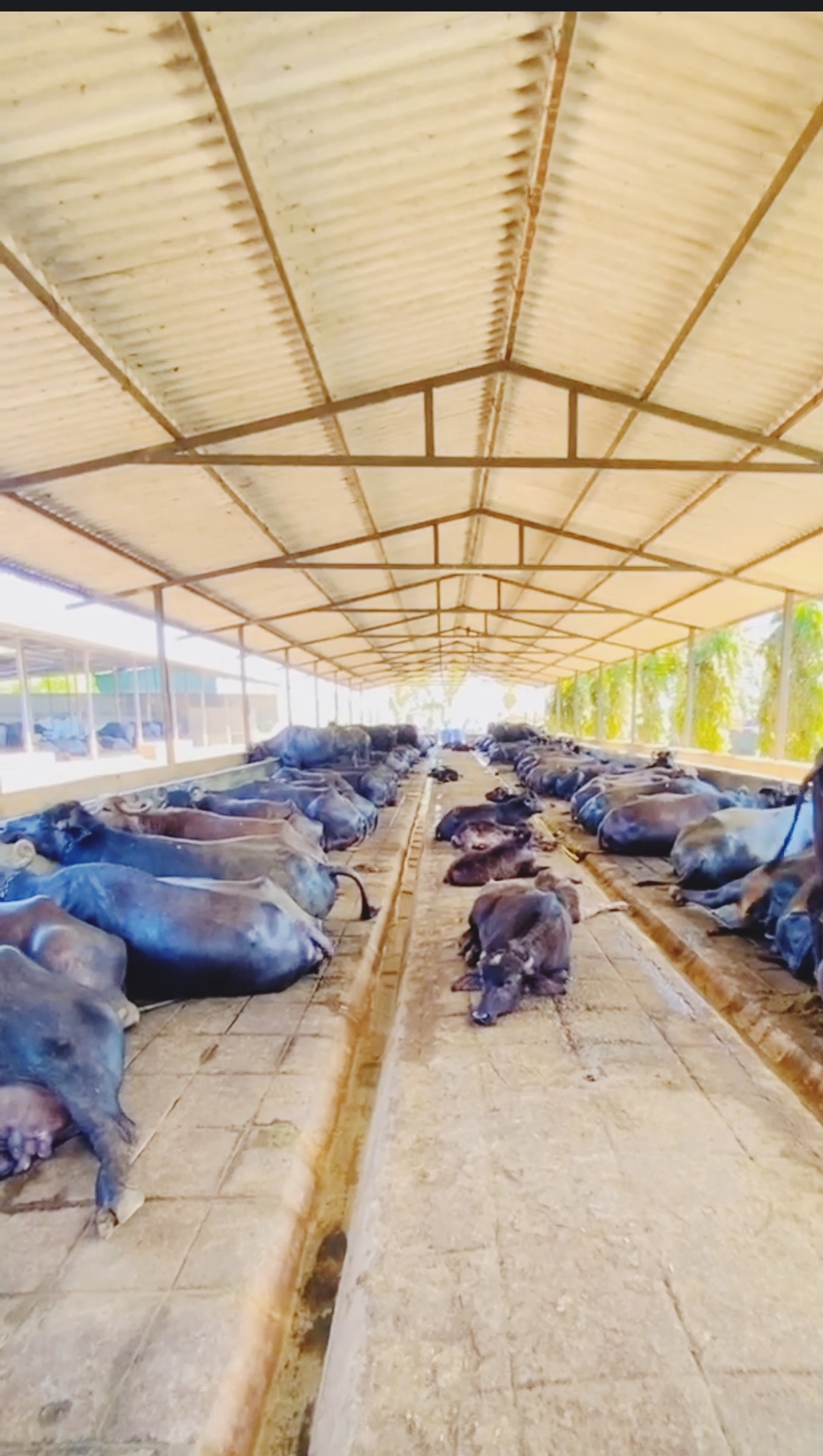
White Gold 2.0: The Milky Makeover of India’s Dairy Empire
India’s dairy industry—long celebrated as the backbone of rural prosperity and nutritional self-sufficiency—is now entering a decisive new phase. The country, which contributes nearly one-fourth of the world’s milk supply, consumes more than a billion litres of milk every single day. What was once an agrarian success story built on cooperative models has evolved into a vast, layered ecosystem of farmers, processors, logistics networks, and brand-driven enterprises. Yet beneath this massive scale lies a story of strain, transformation, and opportunity—where climate pressures, consumer evolution, and the relentless pursuit of value addition are rewriting the script of India’s “white revolution.”
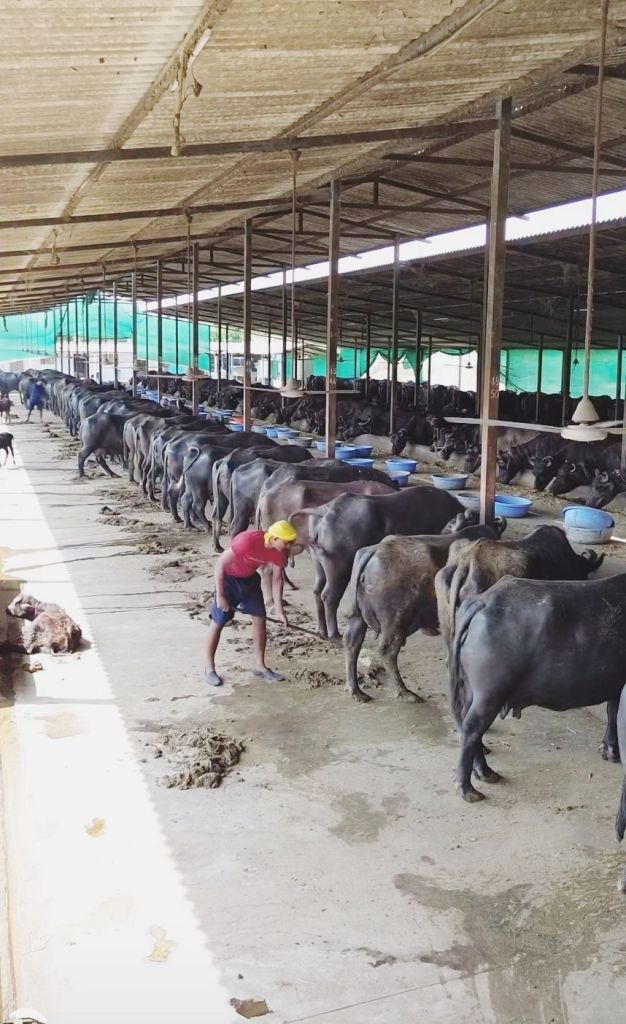
The financial performance of leading private dairies tells a revealing story. Some firms are posting record-breaking revenues and soaring profits, while others struggle with rising costs and shrinking margins. This uneven growth is no accident—it mirrors deep structural differences in regional sourcing, product portfolios, and operational agility. Milk, deceptively simple in appearance, is an extraordinarily complex commodity—its economics swayed by biological cycles, weather volatility, and logistical precision.

Traditionally, the second quarter of every financial year marks the “lean season” for milk production. Cattle yields dip in the scorching summer and monsoon months. But this year, nature’s rhythm was violently disrupted. Torrential rains and flooding across multiple states damaged fodder supplies, obstructed transport routes, and cut off milk collection in affected zones. Producers in these regions saw procurement costs spike by nearly six percent compared to last year, but most could not fully pass the burden to consumers. By contrast, companies with diversified procurement networks—spanning multiple climatic regions—managed to sustain steady supply chains and shield their bottom lines.
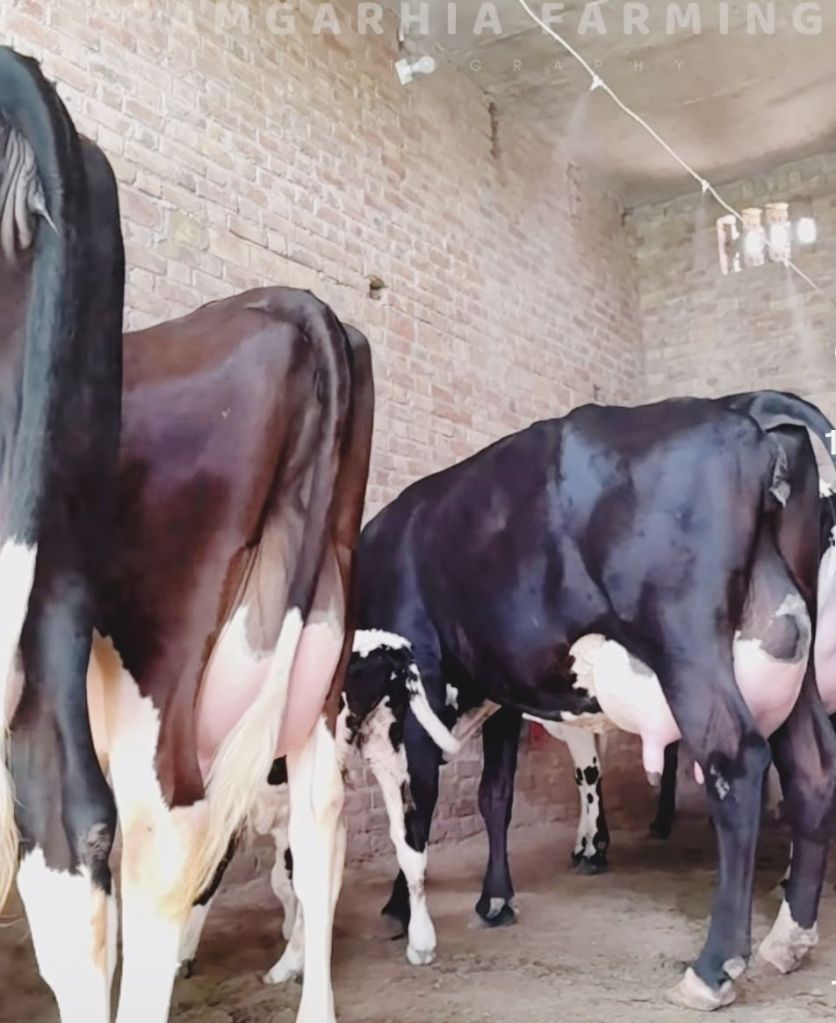
This evolving landscape has catalysed a decisive shift from volume to value. The rise of value-added products (VAPs)—curd, paneer, cheese, butter, ice cream, high-protein beverages—has become the new frontier of dairy economics. These products yield margins several times higher than liquid milk and are transforming how companies design their strategies. Many dairies are now investing heavily in modern processing plants, packaging innovation, and cold-chain logistics. For some, VAPs already contribute over half of total revenues, providing insulation against the volatility of raw milk prices.
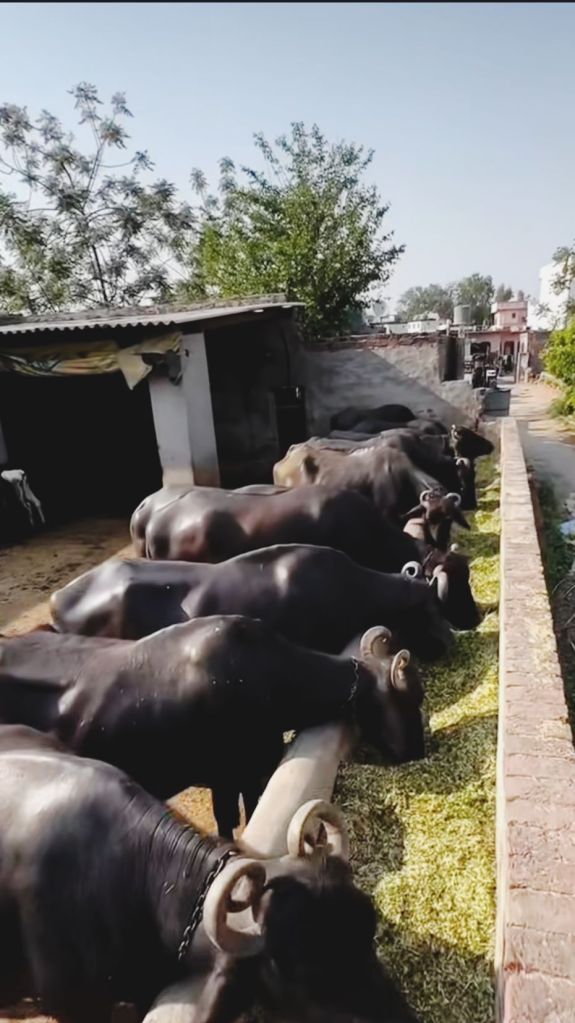
Government policy has played an enabling role in this transformation. The rationalization of GST rates—from 12% to 5% on products like butter and cheese—has boosted retail competitiveness, while the exemption of paneer from GST has triggered an urban demand surge. Parallelly, the government’s continued investment in rural dairy infrastructure—through bulk milk coolers, cooperative strengthening, and digital payment systems—has helped preserve the participation of millions of smallholders who form the bedrock of India’s dairy value chain.

Yet, the challenges are formidable. Climate change has begun to cast a long, destabilizing shadow over the sector. Rising temperatures, erratic rainfall, and fodder scarcity are eroding yields and elevating animal stress levels. Simultaneously, global butter shortages and export pull have pushed up domestic cream extraction, constraining the availability of raw milk for daily consumption. Smaller dairies, with limited financial reserves and narrow procurement bases, are especially vulnerable to these shocks—struggling to stay competitive in a market where scale and stability increasingly dictate survival.
In this high-stakes environment, brand trust has emerged as the sector’s most valuable currency. Milk is an intimate purchase, deeply tied to perceptions of purity, safety, and consistency. Consumers exhibit remarkable brand loyalty—making market share gains hard-earned and slow. Established brands leverage decades of credibility, vast distribution networks, and emotional connect to command a premium. New entrants, on the other hand, must burn capital on advertising, sampling, and retailer incentives to carve even a modest niche. In many ways, brand equity in dairy has become as precious as the milk itself.
Looking forward, the future of India’s dairy sector rests on three interdependent pillars. The first is resilience—adopting climate-smart practices, improving cattle breeds, and ensuring feed self-sufficiency to reduce environmental vulnerability. The second is value diversification—deepening investment in innovation-led, high-margin products such as probiotic drinks, whey proteins, and fortified milk variants. The third is technological integration—using digital monitoring tools, IoT-enabled cold chains, and real-time analytics to enhance transparency, efficiency, and profitability.
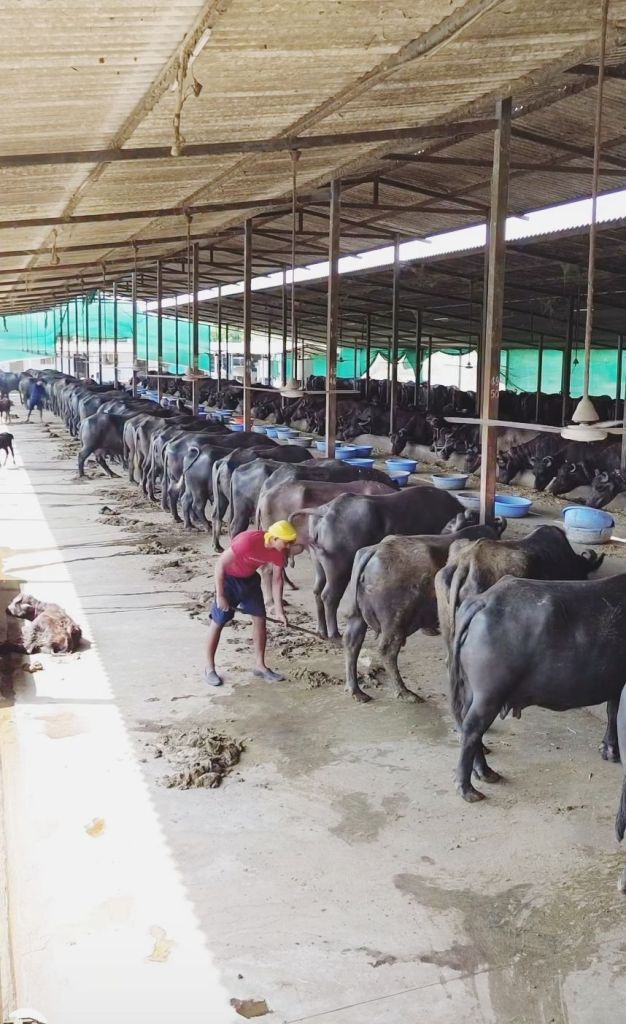
India’s dairy landscape today mirrors the broader economy: vast, dynamic, and delicately balanced. The same industry that once transformed rural livelihoods through Operation Flood must now reinvent itself for a globalized, sustainability-driven future. The next revolution in dairy will not be about producing more milk—it will be about producing smarter milk.
If the twentieth century made India the world’s milk bowl, the twenty-first will decide whether it becomes the world’s innovation hub for dairy. Turning “white gold” into an engine of sustainable growth will demand a fusion of tradition and technology—of the farmer’s resilience and the entrepreneur’s vision. For a nation that quite literally runs on milk, the challenge is clear: to ensure that this lifeline of the Indian economy remains profitable, resilient, and future-ready.
Visit arjasrikanth.in for more insights
 SOCIAL PERSPECTIVES