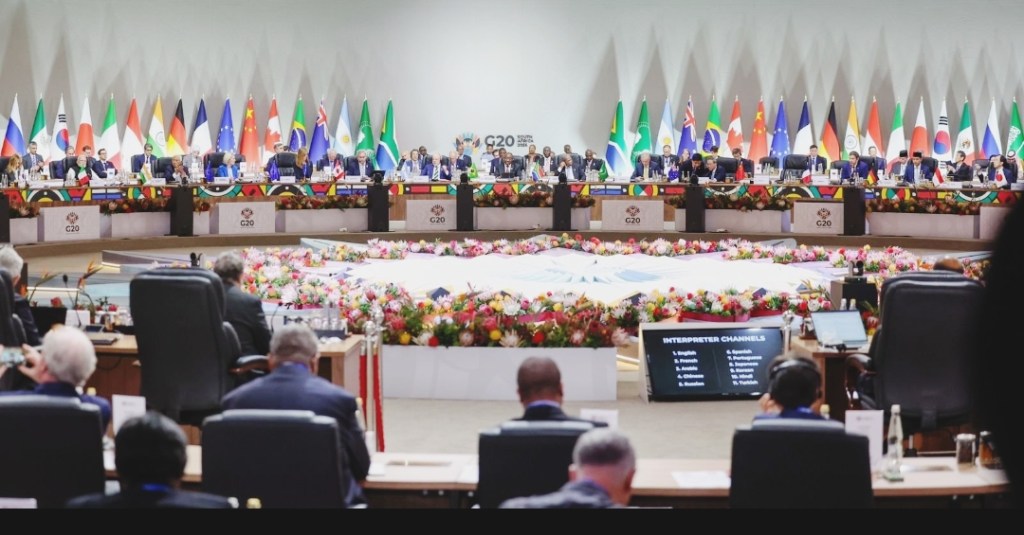
A New Southern Geometry of Power
The first-ever IBSA (India Brazil South Africa) summit on African soil was not simply a diplomatic gathering—it was a geopolitical rupture, a moment when the Global South stopped whispering and began speaking with unmistakable force. In South Africa, Prime Minister Narendra Modi delivered one of the most uncompromising calls for systemic global reform heard in recent years. What electrified the moment was not just the message, but the symbolism: India, Brazil, and South Africa—three vibrant democracies from three continents—standing shoulder-to-shoulder and demanding fairness from global institutions built in a world that no longer exists. IBSA returned to the world stage not as a nostalgic coalition, but as a strategic counterweight—one that offers democratic legitimacy, Southern solidarity, and a fresh grammar of global governance. Modi’s core message was blunt: reform is not negotiable; it is overdue.
At the heart of this mission lies the glaring democratic deficit in the United Nations Security Council. The UNSC remains structurally fossilized in the power map of 1945, handing permanent veto power to a group of nations whose primary qualification was victory in World War II. Modi underscored the absurdity: IBSA nations represent more than one-fifth of humanity, wield immense economic and technological capability, and yet remain excluded from permanent membership.
This is not historical inertia; it is systemic exclusion. And the price is paid by the developing world, whose security concerns—from proxy conflicts to pandemics—rarely shape the Council’s agenda. Modi asserted that unless the UNSC reforms, it will continue to speak for the world while being increasingly detached from the world.

On terrorism, Modi’s critique was equally sharp. He denounced the selective global approach where nations categorize threats based on convenience rather than principle. His proposal for an institutionalized NSA-level dialogue among IBSA nations marked a strategic shift—transforming IBSA from a developmental forum into a security coalition capable of intelligence coordination and real-time operational cooperation. It was a signal that IBSA is ready not only to debate global threats but to confront them.
Modi then expanded the horizon with the proposal of an IBSA Digital Innovation Alliance—a platform designed to democratize digital public infrastructure. India’s success story with UPI, CoWIN, Aadhaar, and cybersecurity frameworks becomes a blueprint for the Global South. Instead of renting expensive proprietary Western digital systems, developing nations can leapfrog using affordable, secure, open-source platforms. In this vision, digital cooperation becomes a tool of empowerment—not dependence—and positions India as the architect of a technology ecosystem rooted in equity.

The conversation turned futuristic as Modi addressed the risks and promise of artificial intelligence. He called for a human-centric AI ecosystem, warning of the vulnerabilities unregulated generative AI poses for developing nations—from misinformation cascades to data colonialism. His proposal for an IBSA AI Summit next year signals a bold ambition: IBSA wants to help shape the ethical, regulatory, and technological norms of AI before the great powers monopolize them. For the Global South, this is not just desirable—it is essential.
Climate resilience formed the next pillar of his agenda. Modi highlighted IBSA’s outreach in 40 nations and proposed a partnership focused on climate-resilient agriculture. With droughts, floods, and unpredictable climate events hitting the Global South hardest, this initiative aims to boost food security, strengthen agricultural adaptation, and safeguard livelihoods across tropical regions. IBSA’s shared experiences—India’s precision agriculture, Brazil’s agri-tech innovations, South Africa’s climate modelling—can build a Southern template for resilience. The timing of the summit gives it historic weight. Four consecutive G20 presidencies are being held by Global South nations—three of them IBSA members.
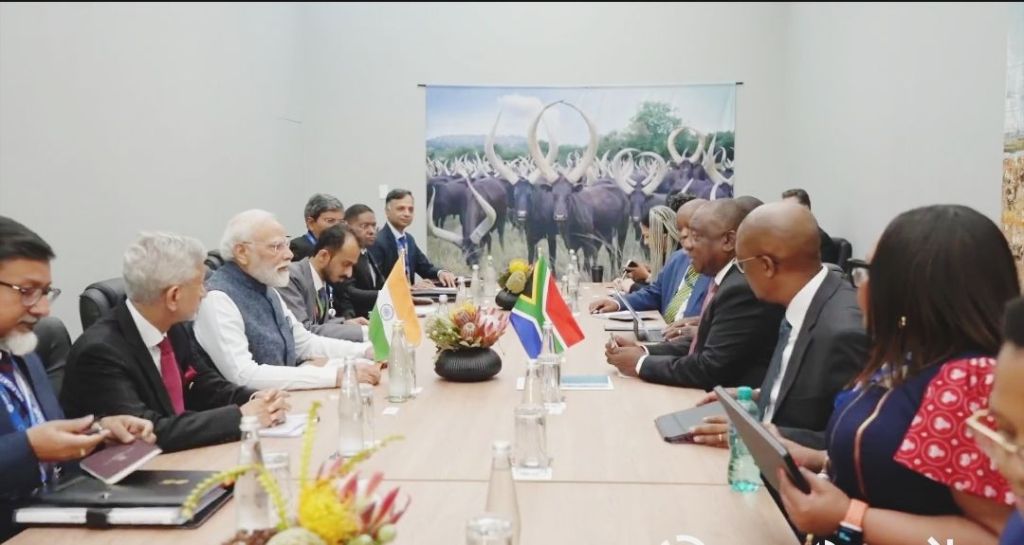
Modi called this an unprecedented diplomatic alignment, a once-in-a-generation opportunity to rewrite global governance, advance development justice, and secure a more humane globalization. Even as global attention briefly drifted to the US absence from the meeting—linked to Washington’s displeasure over the treatment of an NRI diplomat in Kenya—IBSA kept its focus clear: this was a Southern stage, a Southern moment, and a Southern voice rising.
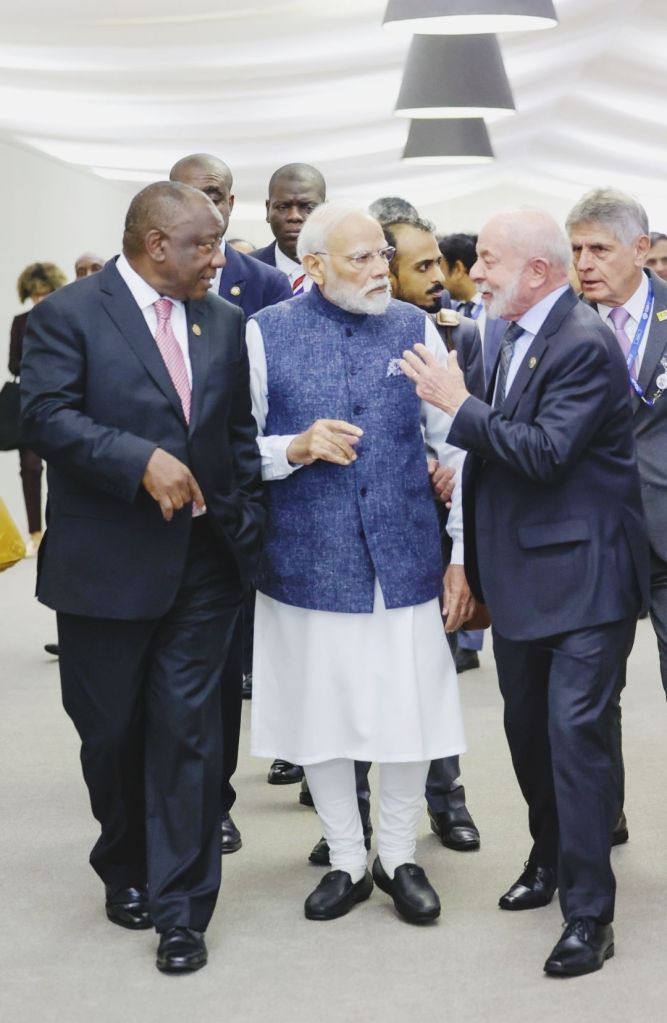
The African IBSA summit was not just a policy event—it was a declaration of intent. A message that the Global South will no longer wait politely for inclusion. It will lead, innovate, and define the global order on its own terms. India, Brazil, and South Africa have signalled that their partnership is not merely about cooperation—it is about transformation. And the echo of this moment will travel far beyond Pretoria, into the very architecture of the world order they seek to rebuild.
Visit arjasrikanth.in for more insights
 SOCIAL PERSPECTIVES