
The Global Grid Crisis That Threatens the Clean-Energy Century
The global energy system is undergoing the most seismic transformation since the invention of electricity itself. Solar deserts glitter like new industrial continents, offshore wind farms carve out their own skylines, and giga factories roar with the unstoppable momentum of a world racing toward electrification. Yet beneath this spectacle of innovation lies a contradiction so grave that it threatens the architecture of modern civilisation: the world is generating more electricity than ever—but lacks the wires to move it. Transmission lines, the silent steel lifelines of modern society, have become the single biggest bottleneck between humanity and a sustainable future. We are producing power but failing to deliver it, building generation without building the grid.

The International Energy Agency’s latest World Energy Outlook delivers the most sobering verdict yet. The dream of limiting global warming to 1.5°C is essentially gone. Even the most optimistic scenario points to 1.65°C, while realistic pathways show global temperatures rising between 2.5°C and 2.9°C by 2100. The core of the crisis is brutally simple: electricity demand is exploding faster than our ability to decarbonise, and the infrastructure meant to support this transition is buckling under its own neglect. We are running a marathon between clean power and climate disaster—and the grid is tripping before the finish line.

Global electricity demand is surging at a pace unimaginable even five years ago. Consumption has exceeded earlier forecasts by 4% in just one year. Air conditioners, electric vehicles, hyperscale industrial clusters, and—most dramatically—AI-powered data centres are devouring power with unprecedented intensity. By 2025, the world will invest more in data centres than in oil exploration. A single advanced AI data centre in the U.S. now consumes as much electricity as 200,000 homes. Clusters of these centres in the U.S., China, and Europe are triggering localised energy crises, forcing utilities to weigh the absurd question: should power go to factories, homes, or algorithmic training?
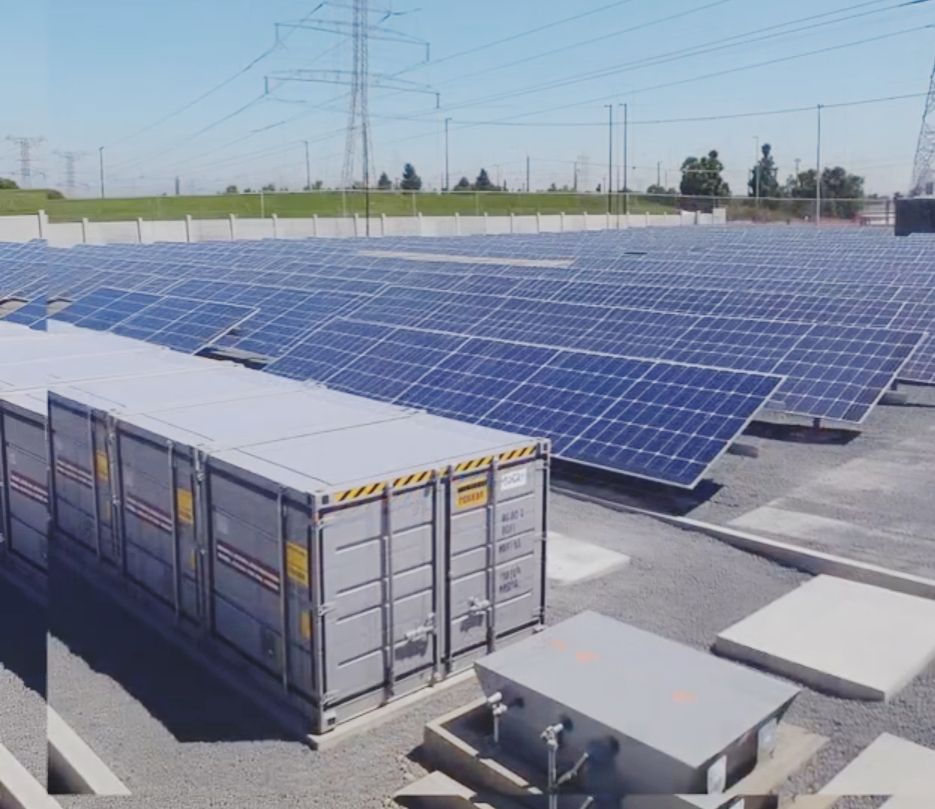
Yet paradoxically, renewable energy production is soaring. Solar and wind factories are expanding so rapidly that many operate at barely half their designed capacity. China has built a green-manufacturing juggernaut—dominating more than 70% of refining capacity for 19 of the world’s 20 critical energy minerals. In some minerals, China controls 99% of processing. The global energy transition, long advertised as the path to decentralised independence, risks replacing dependence on oil with dependence on minerals.

But the real crisis does not lie in manufacturing or minerals. It lies in the wires. Since 2015, global investment in power generation has soared nearly 70%, reaching almost $1 trillion annually. Yet investment in transmission and distribution has stagnated at around $400 billion. A decade ago, utilities spent 60 paise on grids for every rupee invested in generation. Today they spend less than 40. The consequences are staggering. Nearly 2,800 gigawatts of renewable capacity—more than India’s entire electricity system—now sit idle, waiting for grid connections. In parts of the U.S., new data centres and industrial units wait seven years for access to power.
The world is producing clean energy it cannot deliver. The grid has become the chokepoint of global progress. To meet rising demand and decarbonisation targets, the world must build 110 million kilometres of new transmission lines—enough to wrap around the Earth 2,750 times—and modernise another 20 million kilometres of ageing networks. This undertaking requires $650 billion every year until 2035, even as the power sector faces a generational workforce crisis. For every young engineer entering the grid sector, 1.4 senior engineers retire, taking with them decades of irreplaceable expertise. Without solving this human-capital collapse, even the best-laid clean-energy plans will falter.
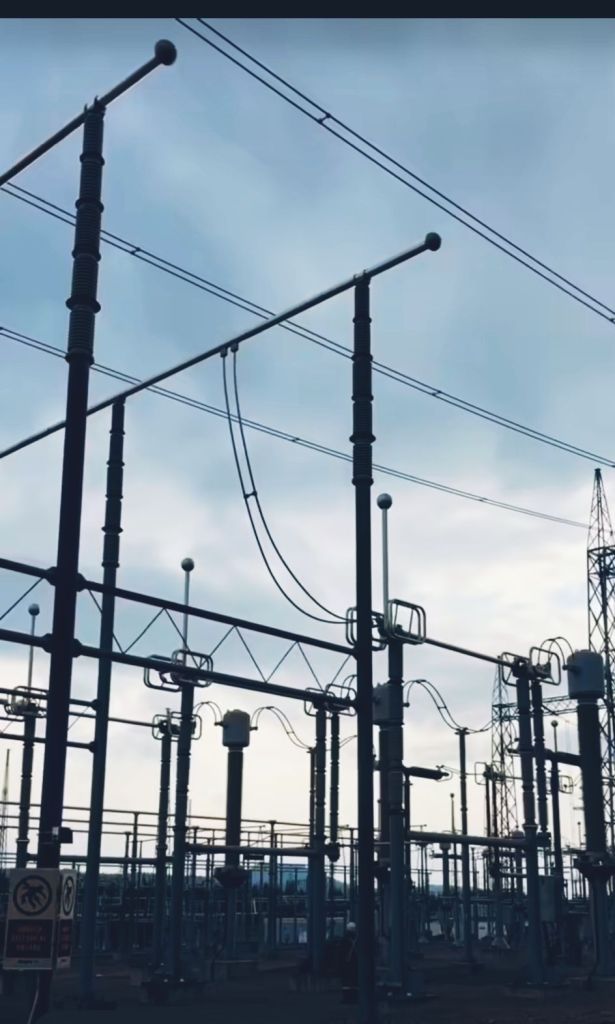
Amid this global upheaval, India is emerging as the epicentre of the next energy wave. With China’s energy expansion slowing, India is set to become the largest driver of new electricity demand. Rising car ownership, booming industrialisation, AI-driven digitalisation, and an increasingly electrified lifestyle are reshaping the country’s energy trajectory. By 2030, India alone will build 200,000 km of new transmission lines, enough to circle the planet five times. By 2035, renewables will provide more than half of India’s electricity even as total demand surges by 80%. Supported by massive grid-scale battery storage and flexible transmission corridors, India is positioning itself as the world’s most dynamic clean-energy laboratory.

But India—and the world—now stands at an inflection point. Transmission lines can no longer be treated as mere infrastructure; they must be recognised as the core architecture of the green transition. Steel towers, copper pathways, transformers, and digital grid intelligence are no longer supporting actors—they are the protagonists of the clean-energy era. Humanity’s future will not be determined by how much electricity we can generate but by how efficiently we can move it.
If generation is the heart of the world’s energy system, transmission is its lifeblood. And right now, the world is bleeding energy it cannot use—an avoidable, urgent tragedy demanding immediate global action.
Visit arjasrikanth.in for more insights
 SOCIAL PERSPECTIVES