
When One in Ten Indians Lives with Failing Kidneys, It’s No Longer a Hidden Crisis — It’s a National Emergency Waiting to Be Named
India’s next major health crisis is unfolding quietly — inside its own people. Chronic Kidney Disease (CKD), once a peripheral concern, has now become a national emergency. According to the Institute for Health Metrics and Evaluation (IHME), India ranks second globally in CKD prevalence, with 138 million cases in 2023, just behind China’s 152 million. That means one in every ten Indians is living with damaged kidneys, many without even realizing it. This silent epidemic has placed India on the brink of a public health catastrophe.
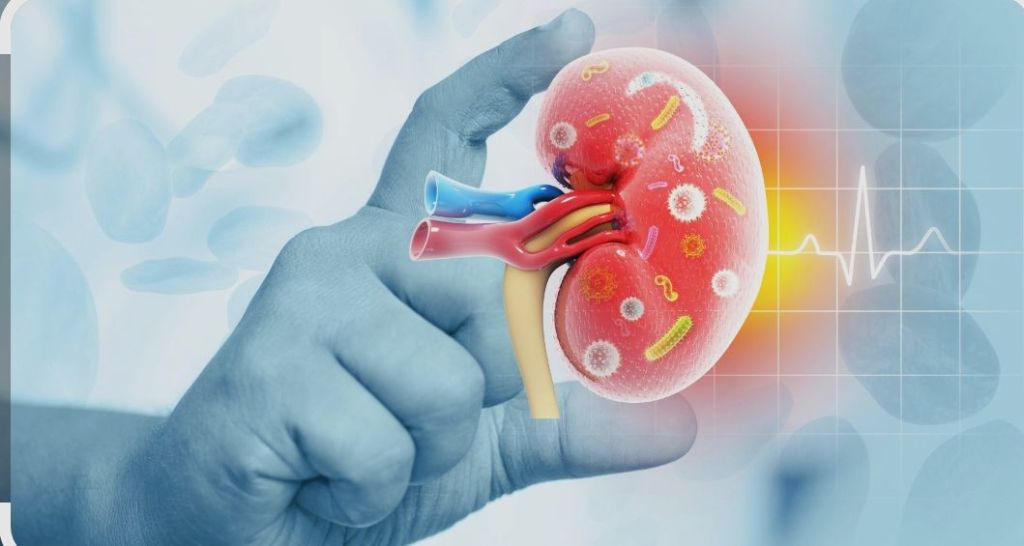
Globally, CKD was responsible for 1.5 million deaths in 2023, ranking as the ninth leading cause of mortality. In South Asia, it accounts for 16% of the total disease burden, exerting immense pressure on healthcare systems already burdened by diabetes and hypertension. CKD’s insidious nature allows it to progress undetected until irreversible damage occurs, earning it the label of a “silent epidemic.” But the scale and speed of its growth suggest something even more serious — a silent catastrophe that is already reshaping India’s health landscape.
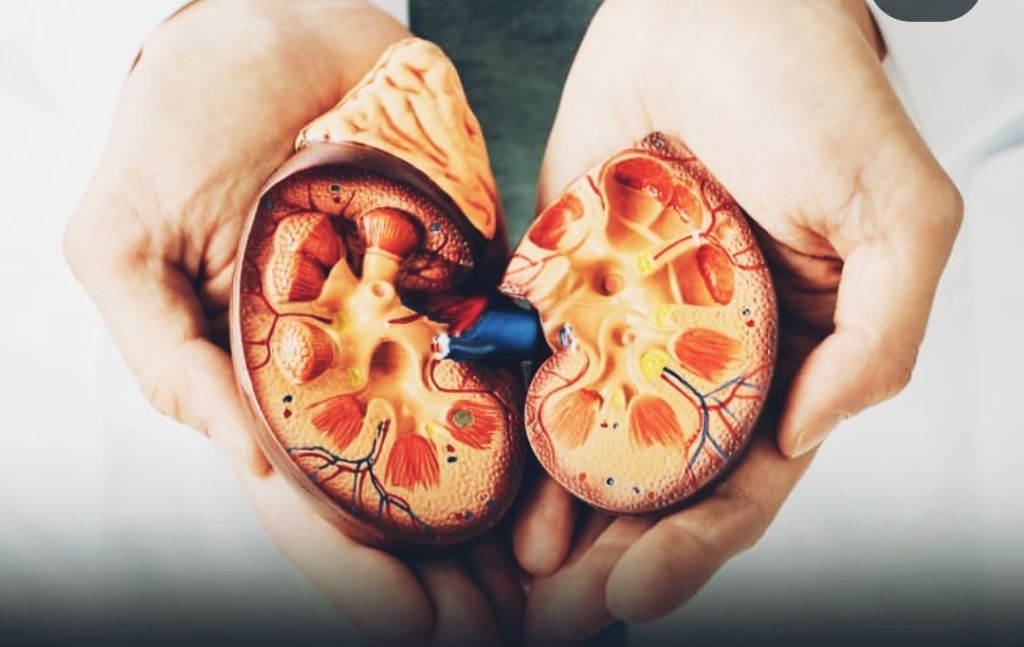
The IHME study identifies CKD as a “risk multiplier” — a disease that accelerates others. In 2023, it was linked to 12% of all cardiovascular deaths, making it the seventh leading cause of heart-related mortality worldwide. Far from being an isolated illness, CKD magnifies the dangers of diabetes and hypertension, transforming them into deadlier killers. India’s urbanization, sedentary lifestyles, and dietary transitions have only worsened this connection, making CKD not just a byproduct of modern life but one of its most dangerous consequences.

Dietary and lifestyle patterns play a pivotal role in this crisis. Traditional Indian diets — once rich in fiber, lentils, and vegetables — are being rapidly replaced by high-salt, processed foods. Combined with rising obesity, physical inactivity, and stress, this has created a perfect storm for kidney damage. For low-income populations, the situation is grimmer: limited access to fresh food and healthcare means millions are unknowingly advancing toward renal failure. The country’s nutritional shift is quietly writing a long-term prescription for organ collapse.

Yet, there remains a narrow window for intervention. Most CKD cases in India are detected at early stages, where timely diagnosis and management can slow or halt progression. Regular health screenings, strict control of diabetes and hypertension, and awareness about dietary habits could prevent millions from entering the costly phase of End-Stage Renal Disease (ESRD). Dialysis and kidney transplants — often costing ₹30,000 a month or more — remain beyond reach for most families, making prevention not just essential but economically non-negotiable.Ultimately, CKD is more than a medical crisis — it is a mirror reflecting India’s health inequity. The urban elite experiment with advanced therapies like GLP-1 agonists for metabolic protection, while the poor struggle to access basic tests. The path forward demands urgent investment in public education, low-cost screening, and integration of kidney care into national programs for diabetes and hypertension. India’s next great health battle won’t be fought in hospitals — it will be fought in homes and kitchens, against the invisible enemies of salt, sugar, and neglect. The real question isn’t whether India can act, but whether it can afford not to.
Visit arjasrikanth.in for more insights
 SOCIAL PERSPECTIVES