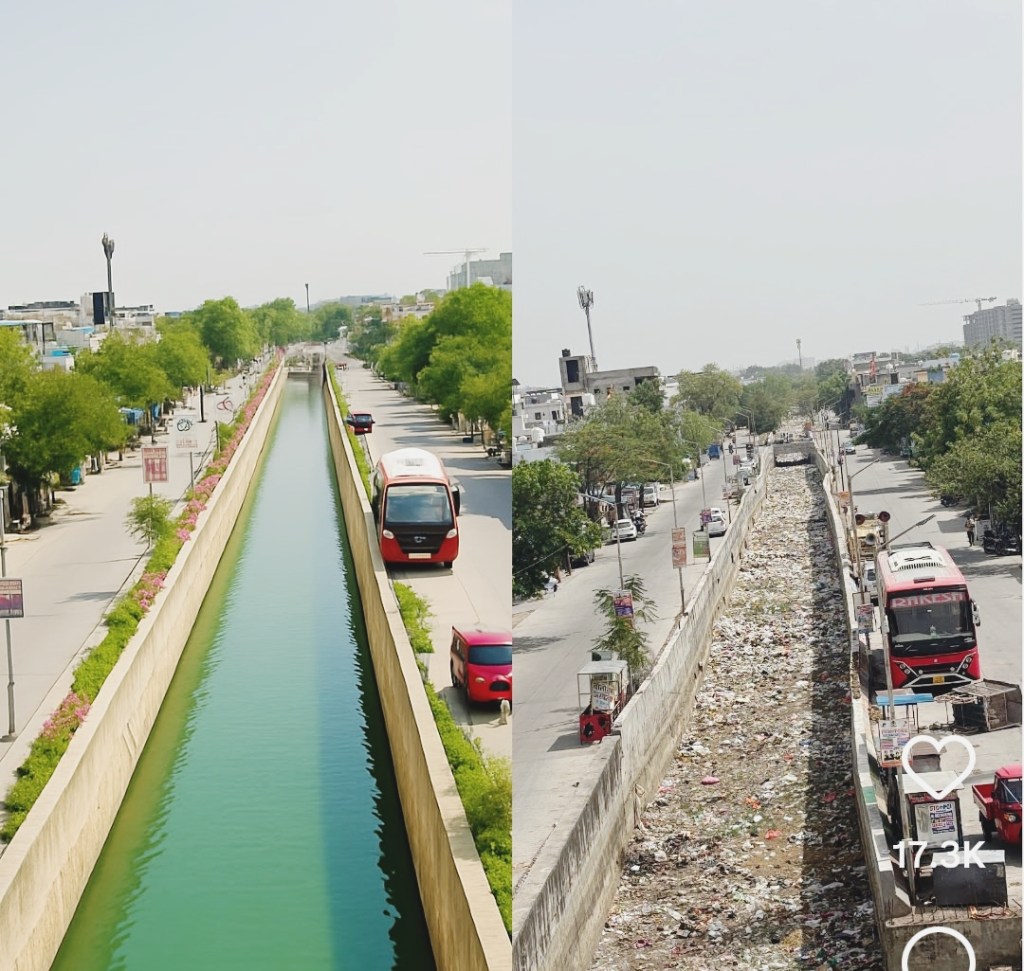
Tehran, Cape Town, São Paulo, and Chennai Signal a New Era of Water-Driven Instability
The global water crisis is no longer a distant environmental concern—it has become one of the defining civilizational challenges of the 21st century. From megacities to mountain villages, from oil-rich states to emerging economies, the world is confronting a profound scarcity that threatens stability, health, and human survival itself. This crisis is not rooted in a single failure but in a convergence of planetary forces: climate volatility, relentless urbanisation, groundwater depletion, and the chronic neglect of water infrastructure. The result is an accelerating wave of “Day Zero” scenarios that are reshaping geopolitics and redefining how nations plan for their futures. As extreme weather tightens its grip and populations expand, the question is no longer whether water scarcity will alter the global landscape, but how deeply it will carve into the social, political, and economic fabric of nations.
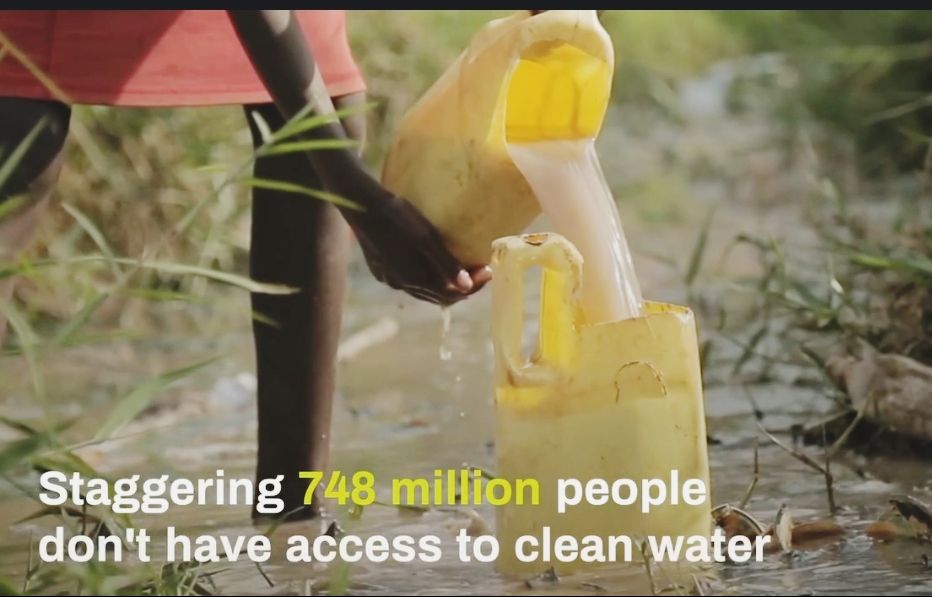
Iran’s unfolding emergency captures the severity of this moment with alarming clarity. Tehran—home to more than ten million people—is teetering on the edge of running out of water, with officials warning that without imminent rainfall the capital’s reservoirs could hit critically low levels within two weeks. What once seemed unthinkable for a city with sophisticated aqueducts and mountain-fed catchments has become a stark reality. Nightly water pressure drops to zero, neighbourhoods endure hours without a drop, and authorities scramble to prepare rationing schedules that may soon become unavoidable. Tehran’s crisis reflects not just a meteorological misfortune but a systemic fragility: aquifers drained faster than they recharge, inefficient distribution networks, and climate patterns so erratic that historical rainfall models have lost meaning. The city’s near-collapse reveals how even well-established urban centres, armed with modern engineering, can be humbled by environmental unpredictability.

The Iranian experience is echoed across continents. Cape Town came dangerously close to shutting off municipal water supplies in 2018 after a historic drought nearly emptied its reservoirs. São Paulo, one of the world’s largest urban economies, witnessed its main reservoir drop below 5% capacity, forcing emergency rationing and political panic. Mexico City, built upon a drained lakebed, now sinks under its own weight as groundwater extraction accelerates subsidence, shattering pipes and magnifying losses from a crippled distribution system. Beijing, suffering from chronic scarcity, relies on one of the world’s most complex and expensive water-transfer projects to move billions of cubic metres of water from southern China to its parched northern plains. And in South Asia, cities like Chennai—where all four main reservoirs ran dry in 2019—experience recurring cycles of flood and drought so violent and unpredictable that they defy conventional planning tools.

Across these geographies, the patterns are disturbingly similar. Climate change disrupts rainfall, turning predictable monsoons into chaotic bursts of precipitation that evaporate before they replenish rivers. Explosive urbanisation paves over wetlands and natural recharge zones, leaving aquifers gasping for replenishment. Groundwater is pumped at unsustainable rates—India alone extracts more groundwater than China and the United States combined—pushing water tables deeper each year and forcing households to drill wells that tap deeper, older, and often contaminated reserves. Meanwhile, water infrastructure in many cities is too old or too damaged to cope: leaky pipes lose 30–50% of treated water before it even reaches consumers, meaning vast amounts of energy, investment, and stored water simply vanish into the soil. Pollution adds another layer of stress, contaminating rivers with industrial discharge, untreated sewage, and agricultural chemicals, transforming potential water sources into unusable hazards.

Yet even amid this bleak landscape, some cities have demonstrated extraordinary resilience through innovation and disciplined governance. Singapore, once water-scarce, reinvented itself through recycling, desalination, rainwater harvesting, and a culture of conservation. Tel Aviv turned wastewater into a national asset, recycling nearly 90% of it for agriculture. Melbourne invested in integrated catchment management and stormwater reuse to buffer against intense droughts. These models show that scarcity is not destiny; strategic planning, investment, and adaptive technologies can bend the trajectory toward sustainability.
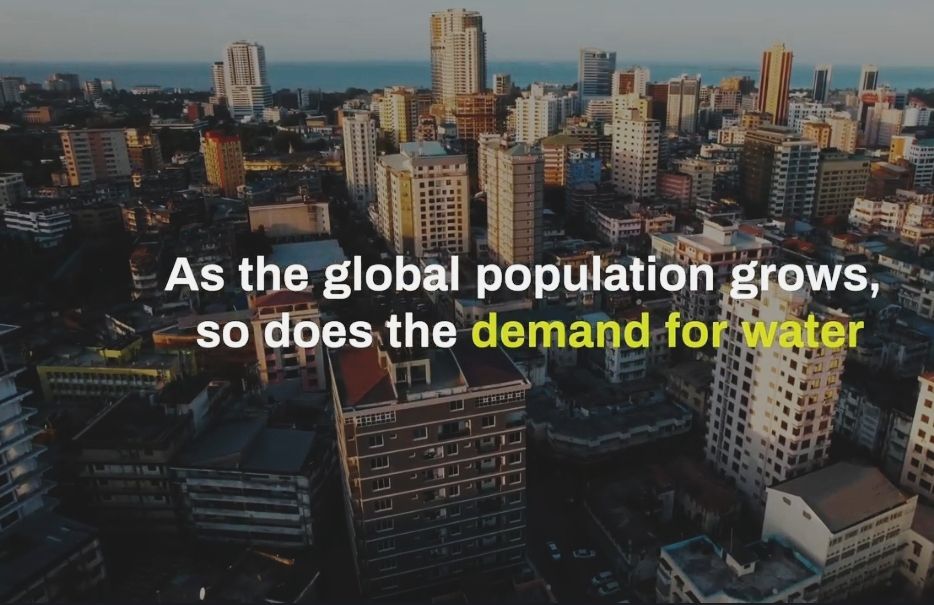
However, what makes today’s water crisis particularly perilous is its intersection with social and political pressures. As supplies shrink and demand rises, inequality widens: affluent neighbourhoods secure private tankers and borewells while poorer communities wait in queues, sometimes for hours, for rationed water. Tensions simmer, protests erupt, and governments scramble to maintain public trust. For nations already burdened by economic stress or political instability, water scarcity acts as an accelerant, deepening divides and fuelling migration, conflict, and insecurity. The spectre of large-scale urban evacuation—now openly discussed in Tehran—was once a scenario reserved for war or natural disaster, not daily governance.
Ultimately, the water crisis reveals a profound truth: humanity is entering an era where the most fundamental resource for life is under unprecedented threat. Technology can help, governance can mitigate, and public awareness can slow the decline—but without decisive collective action, many more cities will inch toward their own Day Zero. The world must treat water not as an infinite commodity, but as a fragile, finite foundation upon which civilisation rests. In the silence of a dry tap lies the loudest warning of our time—a reminder that the future will belong not to the most powerful or prosperous nations, but to those wise enough to manage the simplest of all elements: water.
Visit arjasrikanth.in for more insights
 SOCIAL PERSPECTIVES