
The Capital’s Airpocalypse is Less About Policy Failure and More About Public Apathy
Delhi—where winter arrives not with mist, but with mourning. Each year, as the temperature dips, the city’s skyline vanishes behind a poisonous veil. The Air Quality Index breaches “severe” levels, crossing the limits of measurement, and yet, life continues as usual. Joggers run through invisible toxins, children play under smoky skies, and the elite sip coffee in smog-soaked cafés. This quiet endurance of the unbearable has become Delhi’s defining tragedy. Air pollution here is no longer an environmental issue—it is a symptom of a deeper societal decay, a moral paralysis where survival itself has become normalized against the odds.
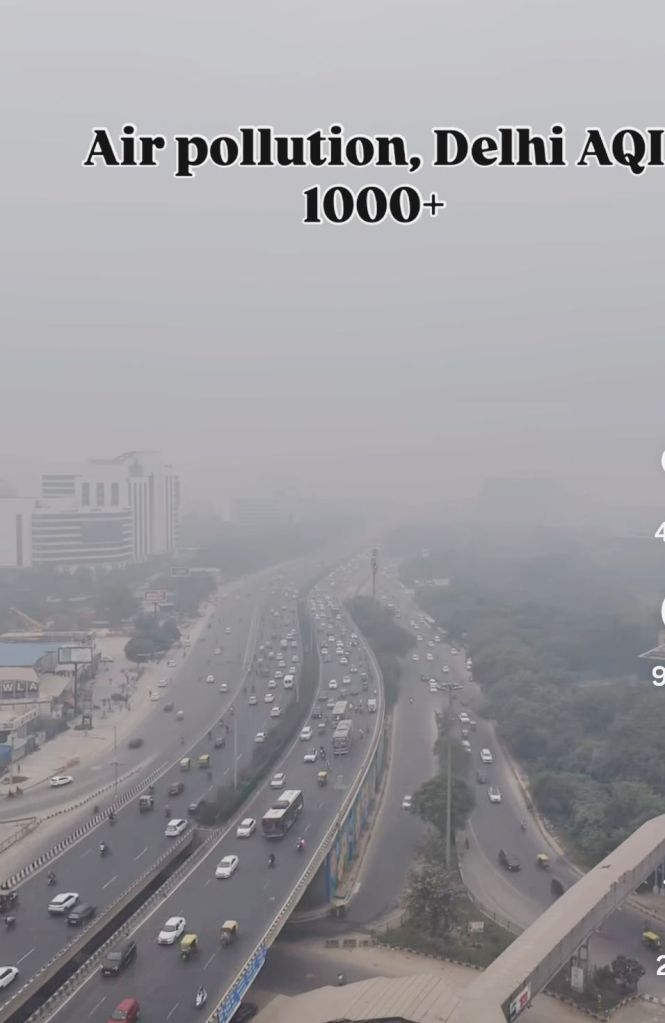
For many residents, pollution is an annual ritual, much like Diwali lights or winter weddings. The city holds its breath—literally and figuratively—waiting for the winds to change or the government to act. The psychology of this apathy is deeply entrenched. Delhi’s citizens are not unaware; they are desensitized. Generations have grown up beneath a dull, jaundiced sky. Children no longer draw blue heavens—they draw grey clouds. Morning walkers glance at AQI readings the way one checks the temperature, as if toxicity were a trivial weather condition.
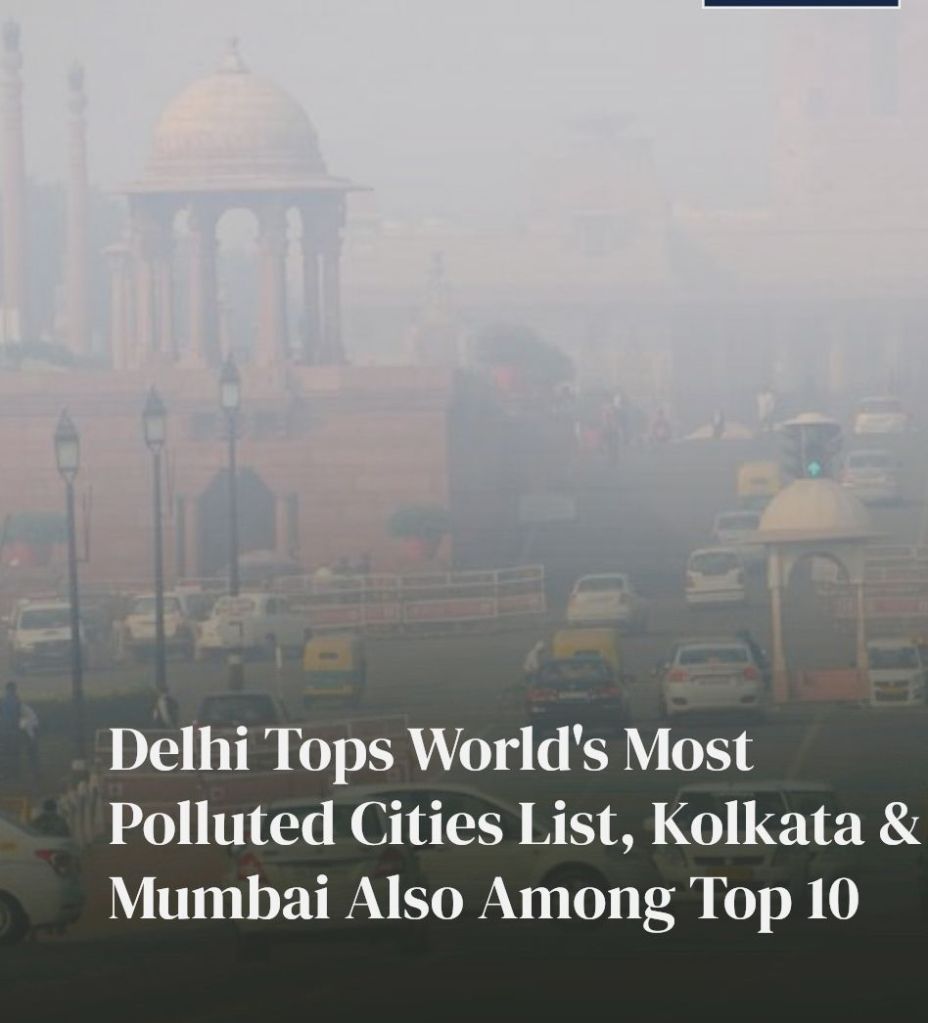
The problem is not ignorance—it’s normalization. Delhi has adapted to suffocation as if it were destiny. The refrain “What can I do alone?” echoes across households and offices. Pollution is seen as a governmental failure, not a civic one. But the bitter truth is that the city’s collective comfort fuels its collective collapse. The individual choices that seem small—driving solo instead of carpooling, lighting fireworks despite warnings, or burning waste in back lanes—multiply into catastrophe. Convenience, in Delhi, is the real pollutant.
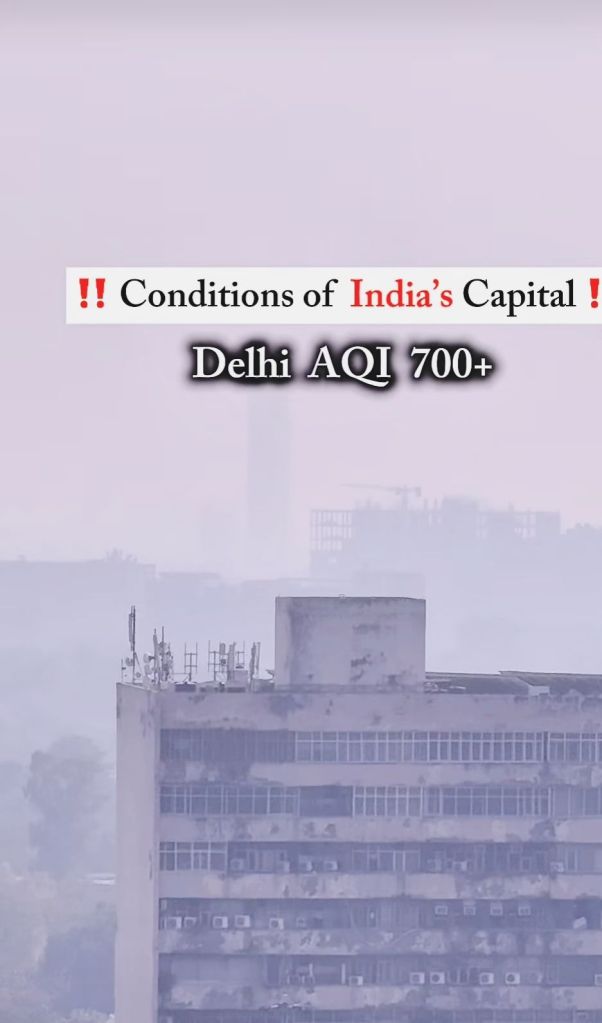
Cars are convenient; buses are crowded. Crackers are joyous; restraint feels joyless. And pollution doesn’t sting like hunger or flood—it creeps in silently, corroding lungs cell by cell, year after year, until the damage is irreversible. The air may not scream, but it kills—slowly, systematically, and indiscriminately. Yet, because it doesn’t demand instant attention, Delhi keeps scrolling, posting, and partying through its own apocalypse.
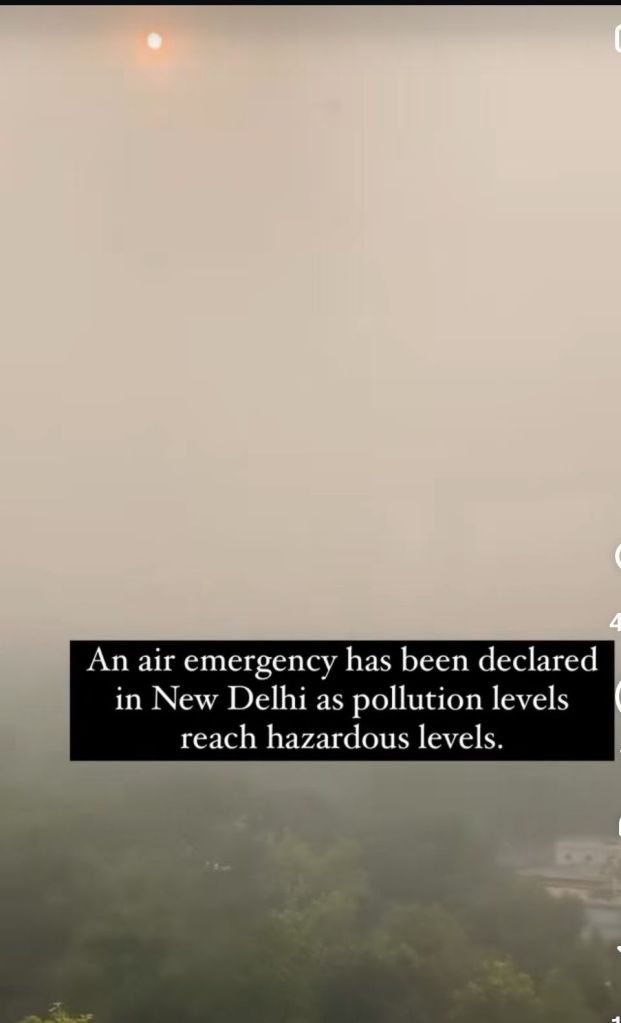
Misinformation compounds the crisis. Many citizens prefer to believe the smog comes from “outside”—from Punjab’s stubble burning or industrial emissions in Haryana. The blame is exported, and with it, responsibility. But science paints a harsher picture: nearly half of Delhi’s winter pollution is homegrown—from vehicles, construction dust, waste burning, and unchecked local emissions. This denial allows the illusion of innocence. It’s easier to point fingers than to put down car keys.
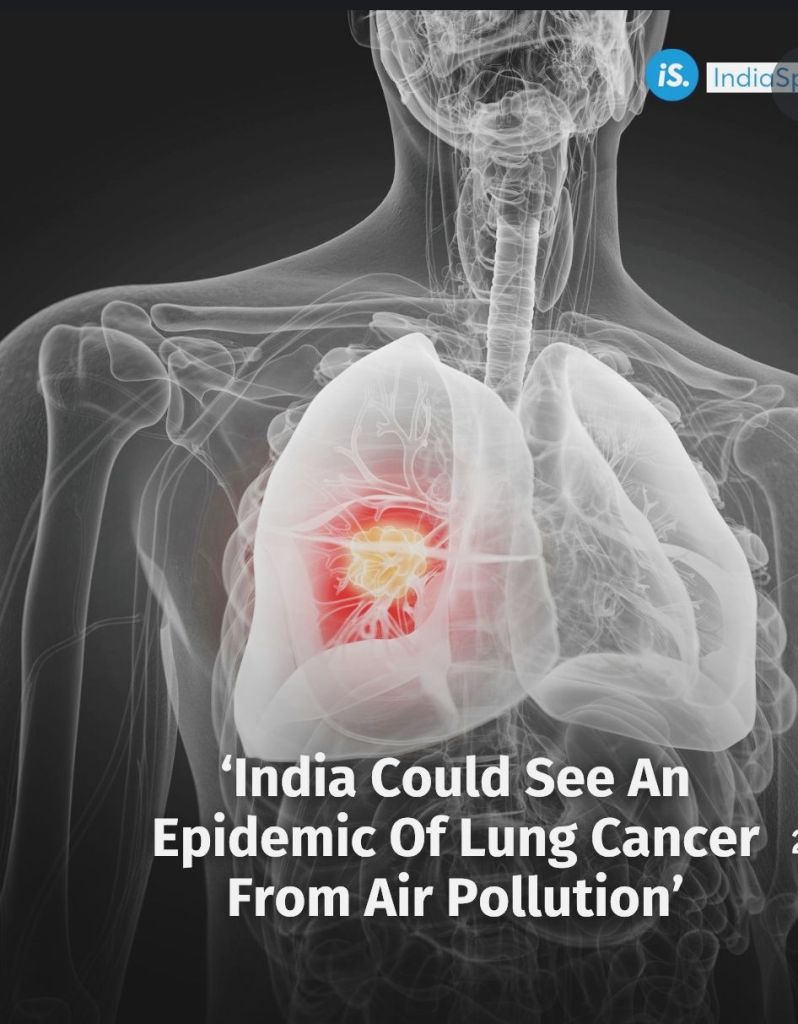
Governments, for their part, oscillate between bans and blame games. Courts issue stern warnings, and committees issue thicker reports. Yet, policy without participation is just paper. The city’s lungs cannot heal unless its citizens exhale accountability. Delhi doesn’t need another task force—it needs a transformation of attitude.
The real solution begins with ownership. Every resident must see clean air not as a privilege but as a shared responsibility. It starts with personal discipline: carpooling, cycling short distances, and saying no to crackers. Electricity consumption should be minimized, especially when it comes from coal-based sources. Composting organic waste, segregating garbage, and planting local trees can cumulatively turn neighbourhoods into micro-green lungs.
Resident Welfare Associations can become hubs of change—organizing shared transport systems, monitoring construction dust, reporting violators, and spreading awareness into a community movement. The air belongs to everyone; its protection should, too.

Equally vital is social mobilization. Delhi’s youth, with their digital power, can turn awareness into activism. Social media should not just host outrage but coordinate clean-up drives, promote eco-conscious behaviour, and celebrate positive change. From schools to corporate offices, a pollution-conscious culture must be cultivated—one that prizes prevention over lamentation. The city needs fewer complaints and more commitments.
The cost of inaction is immense—and not just in human lives. Delhi’s economy is suffocating alongside its citizens. Outdoor markets, roadside eateries, and cafés suffer massive losses during smog season. Tourism declines, and healthcare costs skyrocket. Productivity dips as respiratory diseases become routine. One restaurateur lamented, “Cancer will eat out Delhi’s restaurants before inflation does.” It’s no exaggeration. Pollution isn’t just corroding lungs—it’s eroding livelihoods, relationships, and the very rhythm of the city.
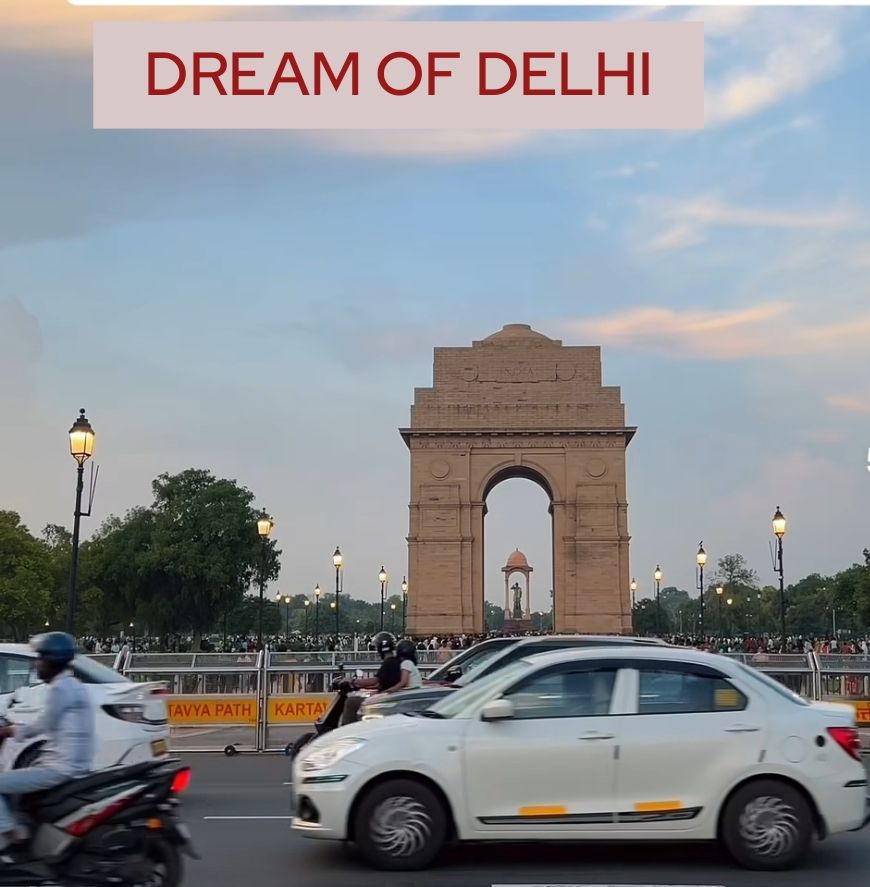
This is not an environmental crisis alone—it’s a public health emergency bordering on genocide. Studies reveal that prolonged exposure to Delhi’s air can shorten life expectancy by nearly ten years. Children develop stunted lungs; the elderly gasp for breath; and hospitals overflow with patients battling asthma, strokes, and cardiac issues triggered by toxic air. Yet, the collective silence is deafening. It’s as though Delhi has accepted death as a condition of living.
And therein lies the final irony—the capital of the world’s largest democracy gasping for air, while its citizens remain muted spectators.
Delhi now stands at a defining moment: to awaken or to asphyxiate. The technology to clean the air exists. Funds exist. Policies exist. What doesn’t exist is the will—the shared belief that change begins not in Parliament but in every home. Every car left unused, every violator reported, every cracker not burst, every sapling planted adds up to survival.
If this apathy continues, Delhi will not just lose its skyline—it will lose its soul. The city that once echoed with poetry, politics, and passion will become a mausoleum of indifference. The choice remains stark: breathe or perish. Delhi’s story need not end in gasping silence—it can still script redemption, if only its people decide that existing is not enough; they must truly breathe.
Because in the end, it’s not the smog that’s killing Delhi—it’s the silence of those who still can.
Visit arjasrikanth.in for more insights
 SOCIAL PERSPECTIVES