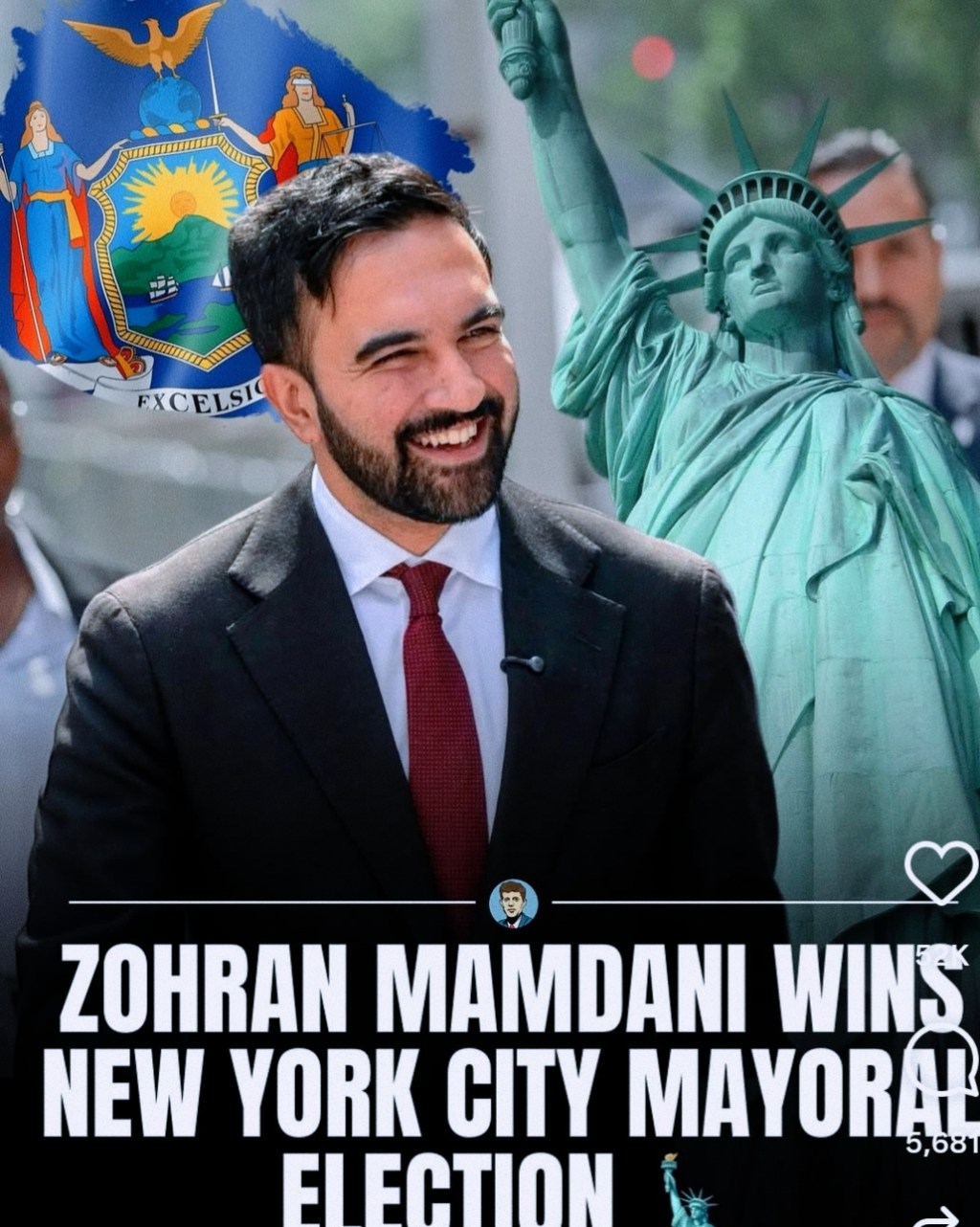
Zohran Mamdani’s Historic Rise as New York’s First Muslim, South Asian Mayor Mirrors the Global Pulse of People-Powered Politics
Whether the battleground is Bihar or the Bronx, the thrill of elections is strikingly the same — strategy, emotion, money, and muscle combine into a grand theatre of democracy. The only difference is the accent. In the latest chapter of this global political spectacle, Zohran Mamdani, a 34-year-old democratic socialist, has stormed into history by becoming New York City’s first Muslim and South Asian Mayor. His victory is not just a personal triumph but a seismic moment in American politics — a story of ideology, identity, and the unstoppable energy of grassroots democracy.
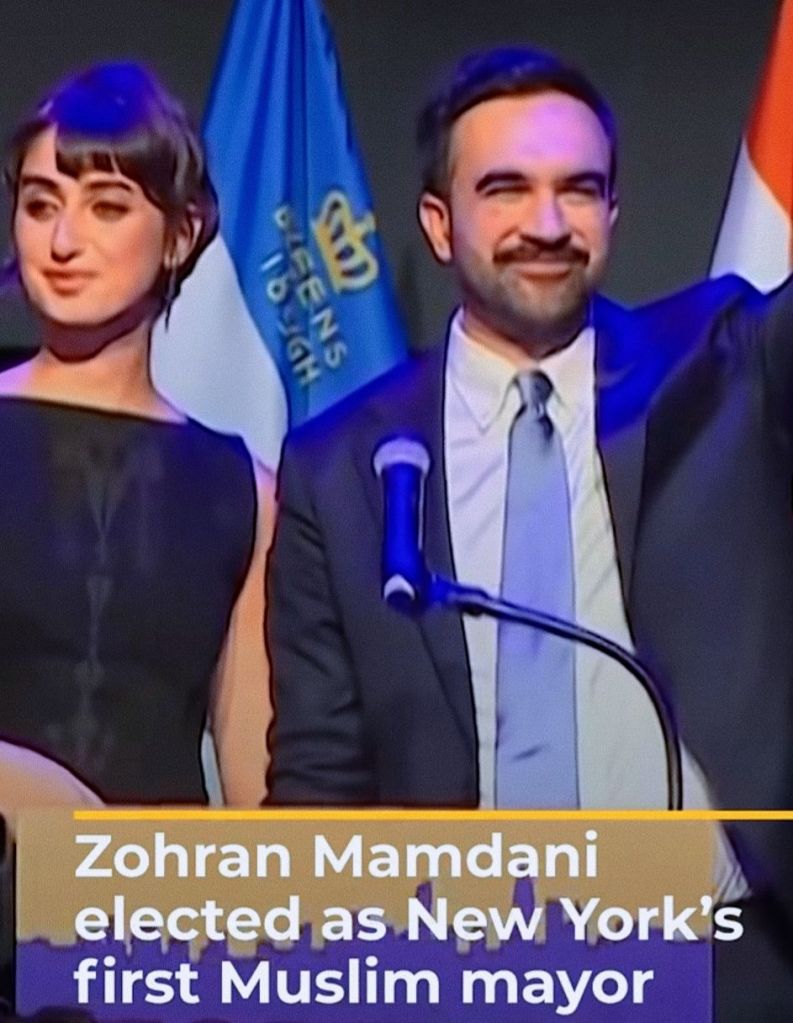
Mamdani’s rise from a modest Queens assemblyman to the mayor of America’s largest city was something few had predicted even a year ago. But just as political waves can transform Bihar overnight, the same happened in the heart of New York. The polls closed early, the results came swiftly, and by midnight, the city that never sleeps had awakened to a new reality — the capital of capitalism had chosen a socialist son of immigrants to lead it.
The mood in New York resembled the euphoria of an Indian election night — impromptu street celebrations, drums echoing through Harlem, spontaneous rallies in Queens, and slogans that sounded more like chants of hope than political rhetoric. For many, Mamdani’s victory symbolized the reclaiming of democracy by ordinary people in a system long hijacked by corporate lobbies and political dynasties. Thousands of young volunteers, many first-time voters, turned his campaign into a social crusade. One could almost imagine echoes of Patna’s narrow lanes or Delhi’s nukkad meetings — passionate young voices demanding that politics address survival, not status quo.

What made Mamdani stand out was his unrelenting focus on affordability, accessibility, and dignity. His campaign slogans — free buses, rent freezes, free childcare — were simple, relatable, and electrifying in a city suffocated by soaring costs. Unlike the manicured messaging of traditional politicians, Mamdani spoke the language of the subway commuter, the delivery worker, and the single mother. It wasn’t ideology that propelled him to victory; it was empathy, delivered with precision and discipline.
Across America, the Democratic Party was struggling to rediscover its soul. In New Jersey and Virginia, moderates clung to centrism. But in New York, the winds shifted. Here, a democratic socialist lit the torch for a generation disillusioned by corporate politics. Mamdani’s campaign was less a political rally and more a movement — part street festival, part citizen revolution — powered by volunteers who saw in him not just a candidate, but a collective cause.
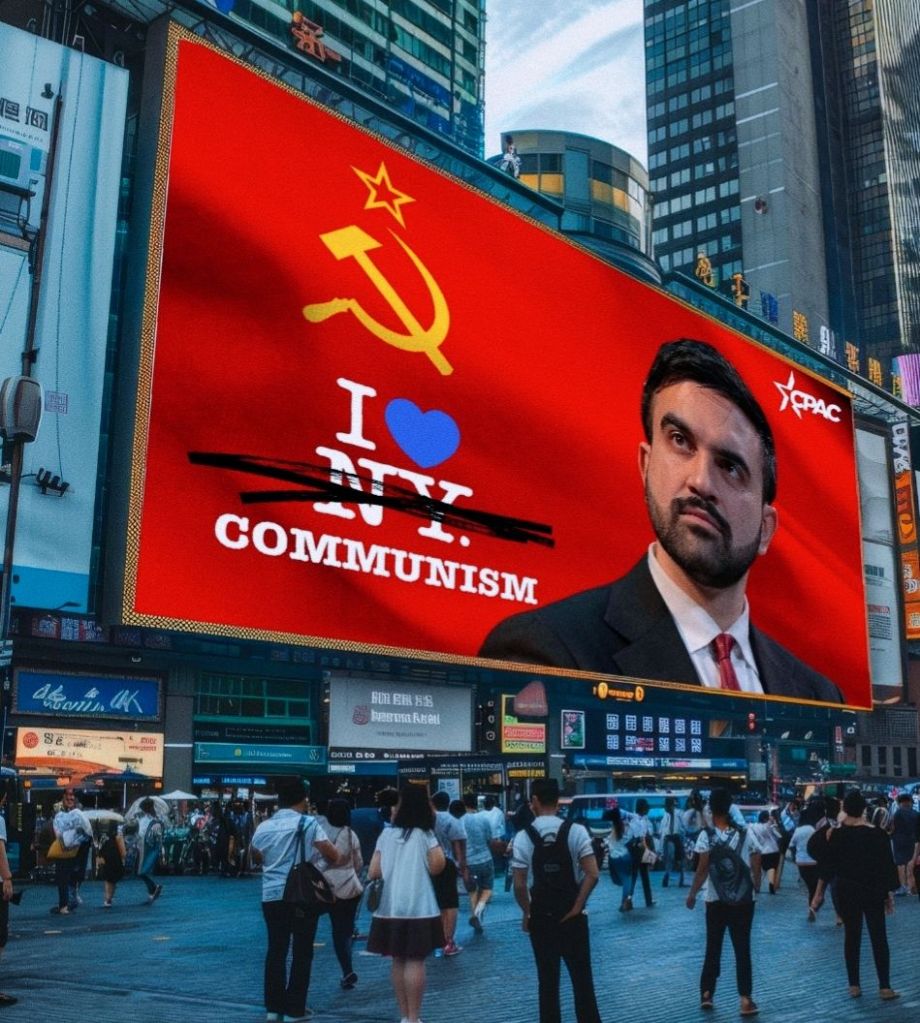
The son of acclaimed Indian filmmaker Mira Nair and renowned scholar Mahmood Mamdani, Zohran fused intellectual sophistication with raw street activism. He listened more than he lectured, his campaign built on conversations — with cab drivers, janitors, teachers, nurses, and even Trump supporters. “He doesn’t just talk about fixing the system,” said one Bronx volunteer. “He explains why the system stopped working.” That honesty resonated across boroughs and broke class barriers.
The scale of his victory was breathtaking. Over two million New Yorkers turned up to vote — the city’s highest turnout in fifty years. More than half of them chose Mamdani over Republican Curtis Sliwa and former Governor Andrew Cuomo, despite relentless attacks from conservative media and veiled threats from Donald Trump to cut federal funding. But the young mayor-elect stood tall, declaring on election night, “If anyone can show a nation betrayed by Donald Trump how to defeat him, it is the city that gave rise to him.”

Beyond policies, it was Mamdani’s authenticity that reignited something rare — hope. Former President Barack Obama, recognizing the young leader’s momentum, personally called to congratulate him, drawing parallels with his own early campaigns. Political observers have begun dubbing him “the Obama of the Boroughs,” though Mamdani’s charm is more grounded — less grandeur, more grit.
His victory also unveils an essential truth about 21st-century democracy: from India to America, politics has evolved into a global performance of power. The tools — data-driven campaigning, emotional storytelling, coalition-building, and digital mobilization — transcend borders. Money and media continue to dominate, yet Mamdani’s triumph demonstrates that authenticity can still overpower advertising.
For Indian political watchers, his ascent feels uncannily familiar — a youthful, outspoken reformer breaking through entrenched establishments with people-first politics. His campaign mirrors the vibrancy of India’s democratic culture, where affordability, fairness, and opportunity often outweigh ideology. Whether in the dusty polling booths of Patna or the skyscraper shadows of Manhattan, the voter’s heartbeat is the same — aspiration for a better life.

However, the real test begins now. Leading a city of eight million, larger than many nations, demands not only passion but precision. As Mamdani steps into City Hall, expectations soar — to deliver on free public transport, affordable housing, safer neighborhoods, and inclusive governance. His ability to translate rhetoric into results will determine whether his victory becomes a chapter in history or the beginning of a new political era.
Zohran Mamdani’s triumph is far more than a local election win — it is a metaphor for the enduring resilience of democracy. From the muddy roads of Bihar to the neon-lit streets of the Bronx, the stage, the players, and even the currencies may differ, but the essence remains universal. Politics everywhere dances to the same drumbeat — of frustration, faith, and an undying hope for change.
When the ballots settle and the noise fades, Mamdani’s story reminds the world of one timeless truth: democracy may speak in different accents, but it beats with one heart.
Visit arjasrikanth.in for more insights
 SOCIAL PERSPECTIVES