
Bottled Gold, Broken Lives: The Rural India Liquor Paradox
Liquor in rural India is more than a drink—it is a paradox bottled in glass, flowing into state treasuries while seeping into the cracks of rural life. On one hand, it is a golden goose for governments, pouring in thousands of crores through excise duties. On the other, it is a silent destroyer of households, wrecking health, draining incomes, and sparking tragedies from Bihar’s hooch deaths to Tamil Nadu’s TASMAC-fueled dependency. This double-edged sword slices through India’s villages, demanding a sober reflection on whether intoxicating profits are worth the devastating costs.
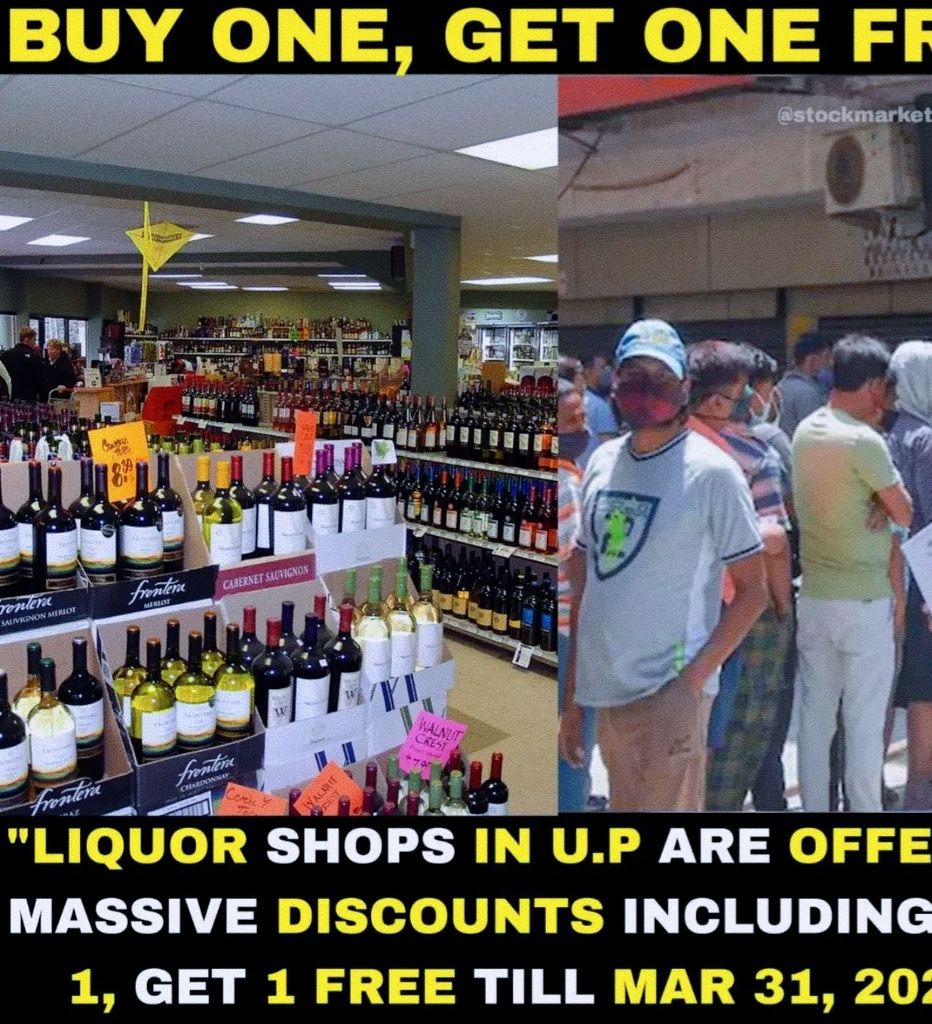
For states, alcohol is a fiscal lifeline. Excise duties are among the top three revenue sources. Uttar Pradesh collected over ₹40,000 crore in 2022–23, Karnataka ₹28,000 crore, and Punjab ₹7,000 crore. In Tamil Nadu, state-run TASMAC stores raked in more than ₹45,000 crore. These revenues bankroll schools, hospitals, welfare schemes, and infrastructure. Add to that the employment generated across breweries, distilleries, shops, and logistics, and liquor looks like an economic blessing.
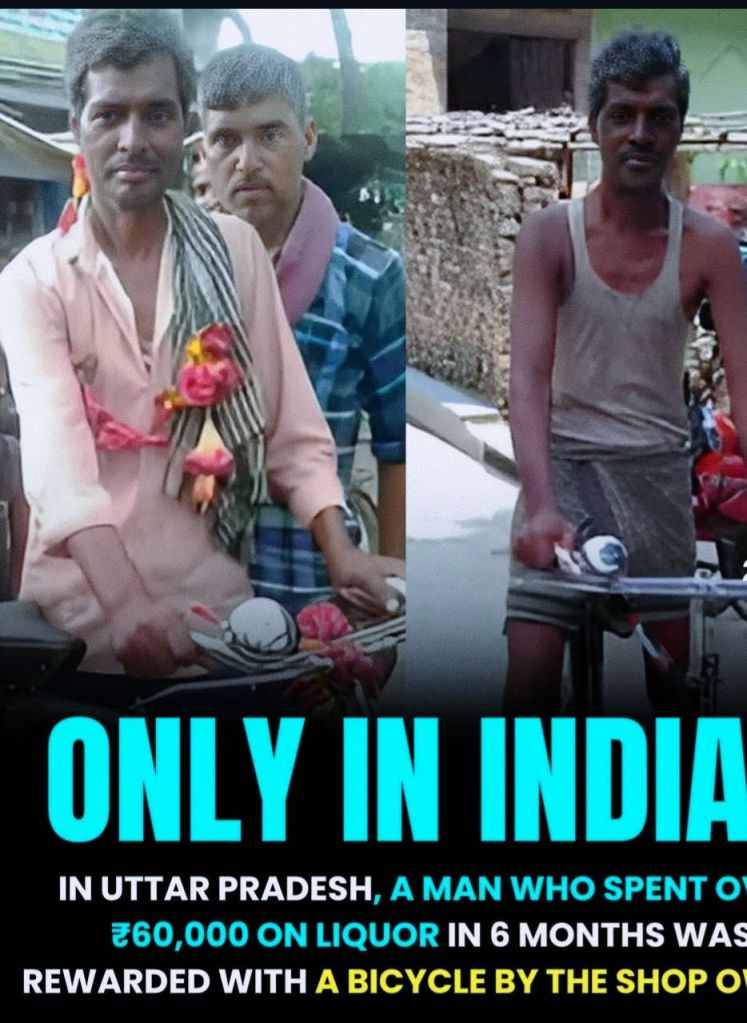
But beneath this fiscal mirage lies a rural nightmare. For daily wage earners, liquor is a relentless drain. Studies show men in some villages spend 20% to 50% of their wages on alcohol. Money that should feed children or pay for healthcare vanishes into bottles. Debt follows, as addicts borrow from moneylenders at crippling interest rates. Women often shoulder the burden, forced into backbreaking labor to keep households afloat. Productivity plummets, absenteeism rises, and a cycle of poverty deepens. Liquor becomes less an indulgence than a wrecking ball.

The health costs are staggering. Rural India bears the brunt of cheap, unregulated liquor: liver cirrhosis, heart disease, pancreatitis, and cancers. Fragile rural health systems cannot cope with these mounting non-communicable diseases. Mental health collapses under alcohol dependence, fueling depression, aggression, and domestic violence. Maternal and child health is ravaged as incomes shrink, nutrition worsens, and children suffer stunting. Accidents on roads, in fields, and on worksites spike under intoxication. And then come the hooch tragedies—mass poisonings from spurious liquor. Bihar’s Chhapra tragedy in 2022 killed over 70; Assam in 2019 and Punjab in 2020 also saw mass deaths. In every case, rural India paid the price.
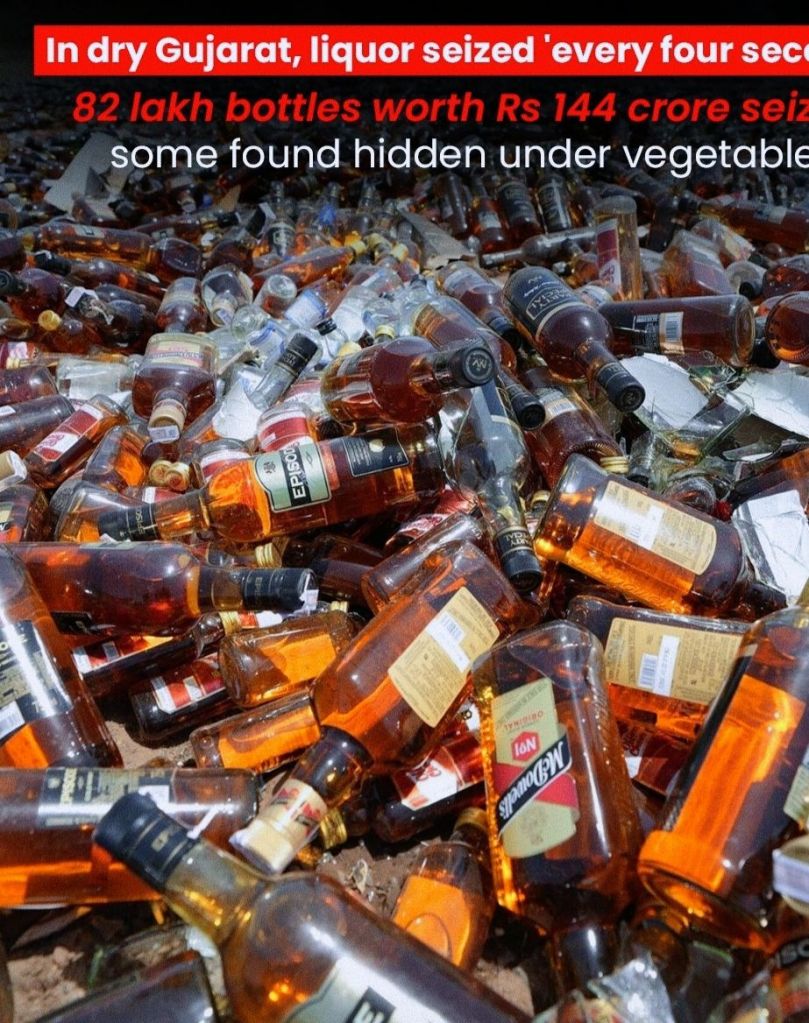
Prohibition has repeatedly failed. Bihar, Gujarat, and Nagaland show that outright bans fuel bootlegging, push people toward unsafe liquor, and deprive states of vital revenue. The answer is not prohibition but a nuanced strategy. Rural de-addiction centers integrated with Primary Health Centres can make recovery real. Community support groups, aided by NGOs, can offer counseling and peer support. Awareness campaigns in schools and panchayats can shift cultural attitudes. Regulation—ensuring quality liquor, reducing outlet density, and restricting sale hours—curbs harm.
Economic empowerment is vital. Recreation centers, sports clubs, and cultural programs can replace liquor as the axis of social life. Skill development and jobs can productively channel rural youth. Women and panchayats must be central. Women-led movements, like Andhra Pradesh’s anti-arrack protests of the 1990s, shook the liquor lobby before. Decentralizing licensing to gram panchayats can empower communities to block liquor shops from their villages.

Lessons from Kerala’s phased prohibition experiment (2014–2017) show both limits and possibilities. While complete prohibition faltered, reforms like banning bars near highways and promoting de-addiction gained traction. Globally, models in Japan, the U.S., and Europe demonstrate that balanced regulation, alternative recreation, and community empowerment can manage alcohol without bans.
The paradox is clear: liquor funds schools even as it steals children’s food. It builds hospitals even as it breaks health. It employs thousands even as it destroys millions. The path forward lies in blunting one edge of the sword—through regulation, de-addiction, awareness, and empowerment—while sharpening the other toward true rural development.

India must learn to fill its treasuries without emptying its villages. The goal is not a dry India, but a healthier, more empowered one—where prosperity does not flow from broken homes, battered health, and spurious tragedy. Liquor may remain part of the rural story, but with the right choices, it need not be the ending.
Visit arjasrikanth.in for more insights
 SOCIAL PERSPECTIVES