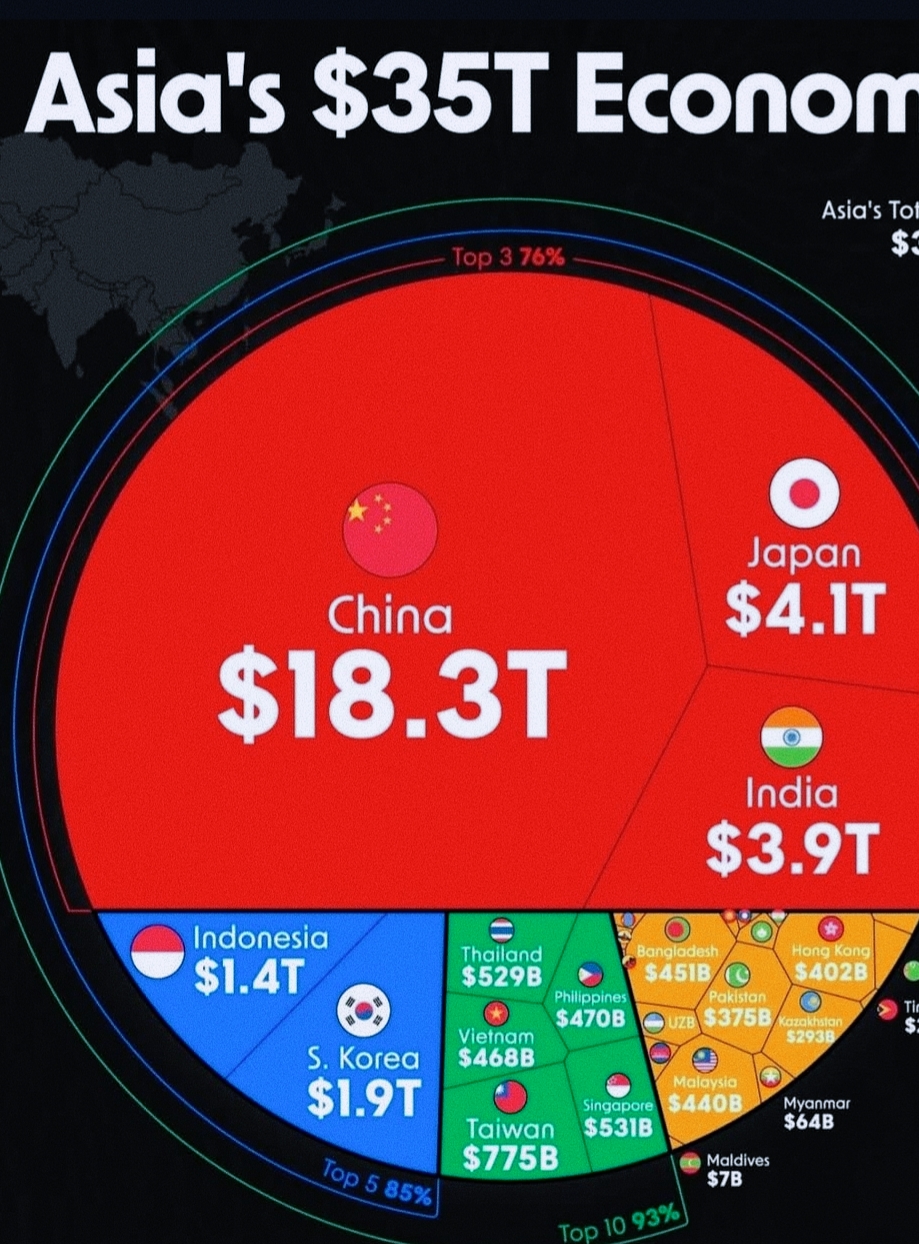
From silkworms to satellites, from austerity to innovation — the saga of a nation that compressed centuries of development into decades, redefining global power through disciplined savings, relentless investment, and audacious statecraft.
Few stories in modern economic history are as breath-taking as China’s meteoric rise. From the ashes of mid-20th-century poverty and political turmoil, the nation has become the world’s second-largest economy in a single lifetime. Yet behind the dazzling skyline and humming factories lies a carefully engineered strategy — one built on high savings, disciplined investment, and decades of deliberate statecraft. Unlike typical growth models fuelled by consumption, China mobilized its citizens to save more, consume less, and fund colossal infrastructure and industrial projects, compressing centuries of development into mere decades.
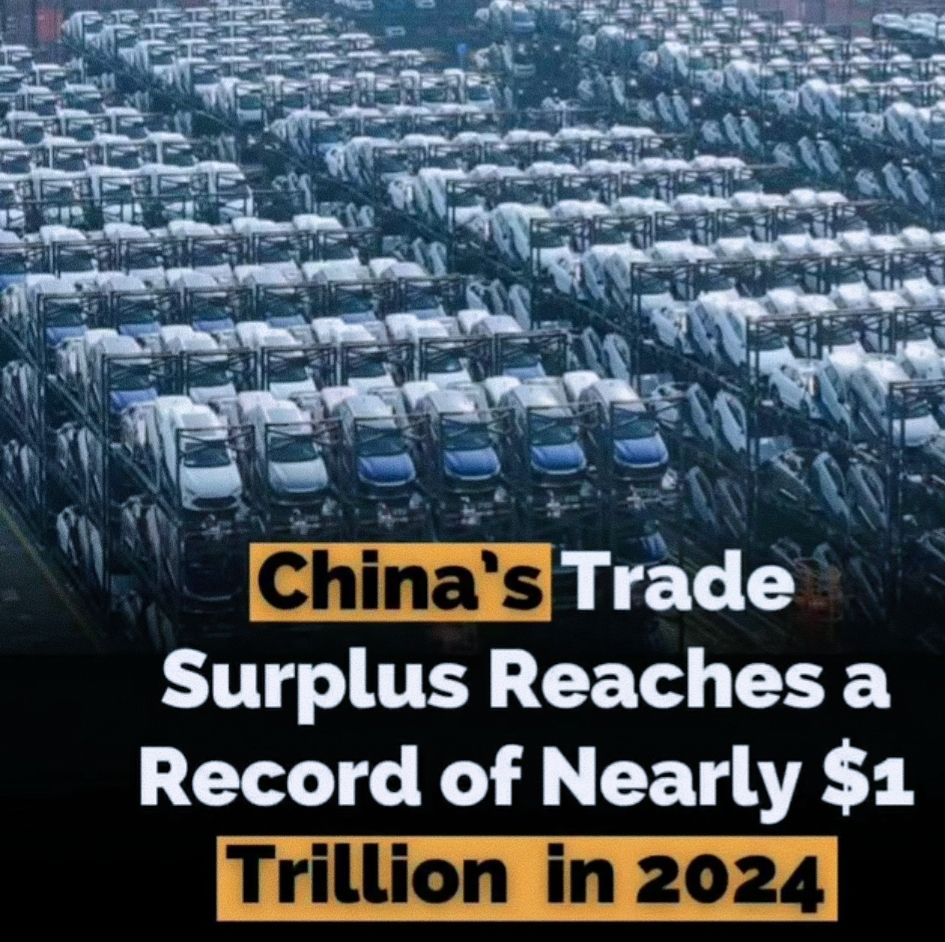
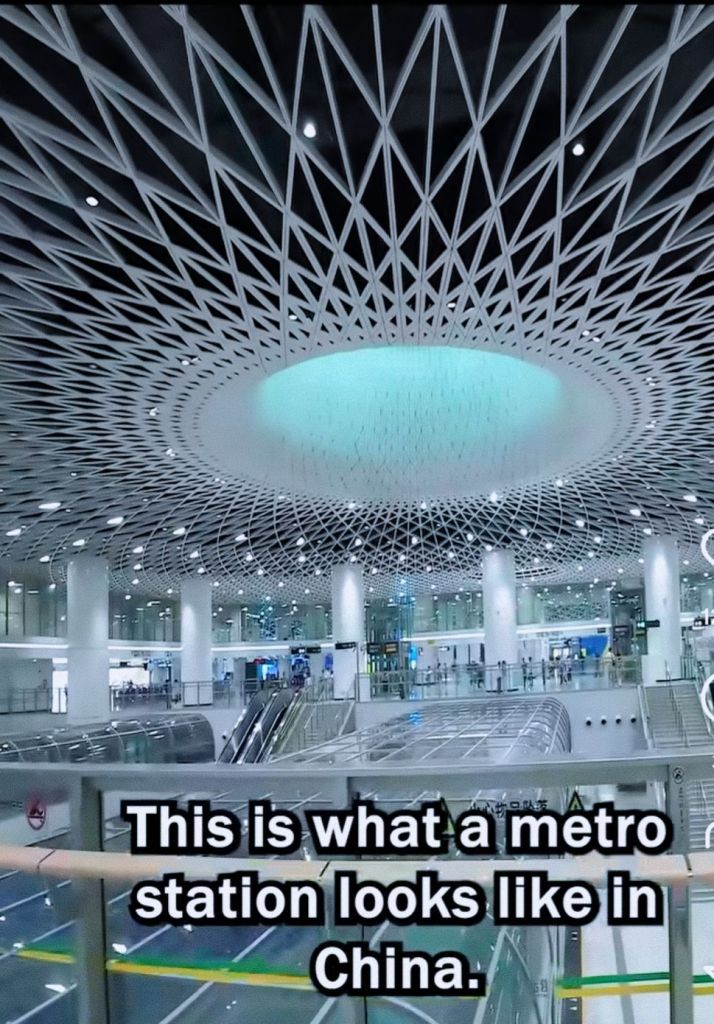
The logic of high-savings, high-investment economies has roots in 1930s Germany and the Soviet Union, but China adapted it with remarkable flair. Beginning in the late 1970s, reformist policymakers recognized that foreign capital was scarce and unreliable. They therefore relied on domestic savings to finance investment, constructing factories, roads, cities, and ports before citizens could fully enjoy them. By the 2000s, China’s household saving rate soared to unprecedented levels, enabling GDP growth of 10–11% annually while wages rose more slowly — a clever trade-off prioritizing national capacity over immediate consumption. This strategy built the world’s largest high-speed rail network, busiest ports, megacities from scratch, and a manufacturing engine that transformed the phrase “Made in China” into a geopolitical statement.
Yet the journey was not linear. The 2008 global financial crisis exposed the vulnerabilities of China’s export-driven model, collapsing the current account surplus from over 10% to barely 3% of GDP. Beijing responded with one of history’s largest stimulus packages, funnelling capital into infrastructure, real estate, and local government projects. While this revived growth, it created overcapacity, debt, and property bubbles. By the mid-2010s, investment shifted toward high-tech manufacturing sectors like electric vehicles, solar energy, batteries, and semiconductors. Fierce domestic competition led to falling prices, thin margins, and “involution” — a phenomenon where companies overproduce, banks hesitate to lend, and local governments overbuild to showcase their prowess.

Despite these inefficiencies, China’s gains in technology are remarkable. From renewable energy to 5G and electric vehicles, the nation has transitioned from imitation to innovation, circumventing the middle-income trap that ensnares many developing countries. This was no accident; it was a carefully orchestrated evolution, leveraging decades of infrastructure and industrial investment to create a platform for global technological leadership. The paradox, however, remains: the very strategy that fuelled China’s rise — relentless investment — now risks diminishing returns. Producing more than citizens can consume demands either exports or structural recalibration, a challenge magnified by China’s enormous domestic market and global ambitions.

The genius of China’s model lies not just in scale but in adaptability. From agriculture to industry, exports to infrastructure, property to manufacturing, and now innovation, the nation continuously reinvents itself. Policies like “Dual Circulation” aim to fuse domestic demand with global trade dominance, demonstrating that disciplined state intervention can coexist with entrepreneurial dynamism. The interplay of strategic planning, patience, and calculated risk has allowed China to navigate debt crises, demographic shifts, and global volatility, emerging stronger at each turn.
Critics cite overleveraging, demographic decline, and inefficiency as potential threats, yet China’s history of reinvention underscores resilience. By transforming scarcity into strategy and discipline into creativity, China has rewritten economic logic on a scale unmatched in modern times. It has taught the world that growth is not merely a formula of capital and consumption but a choreography of state guidance, citizen participation, and institutional foresight.

In the end, China’s rise is more than GDP figures or trade surpluses; it is a testament to a nation’s will to shape its destiny. The red dragon continues to evolve, setting the rhythm for global economic currents and offering lessons — both cautionary and aspirational — for nations seeking rapid yet sustainable development. The story of China reminds us that when strategy meets discipline, even a country once mired in poverty can engineer a transformation that reshapes the world.
Visit arjasrikanth.in for more insights
 SOCIAL PERSPECTIVES