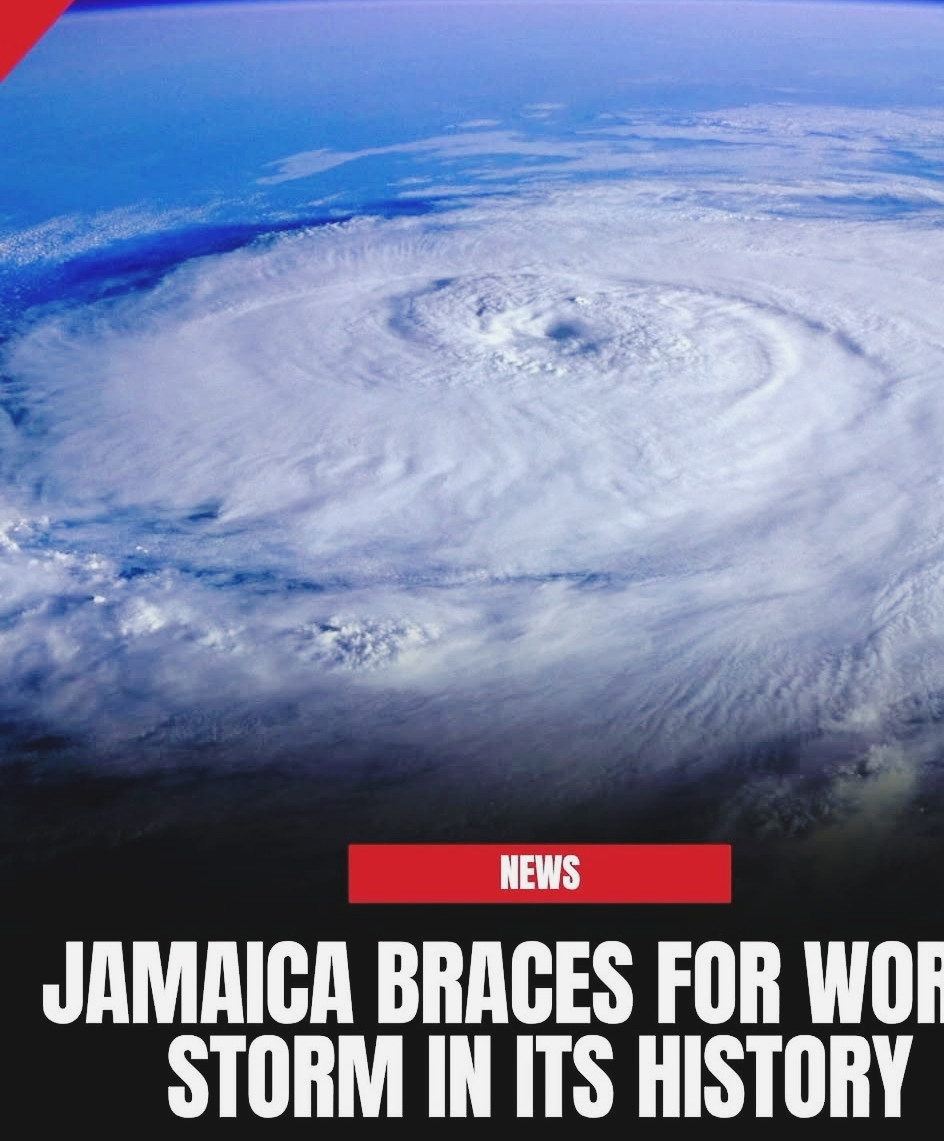
The fury that begins in Jamaica ends in Andhra — because the climate crisis has no coordinates.
When Hurricane Melissa ripped through Jamaica and Cyclone Montha battered Andhra Pradesh, the world watched two distant shores suffer the same heartbreak. The names were different, but the story was eerily similar — homes crushed, crops submerged, and lives upended. Whether it’s a hurricane in the Caribbean or a cyclone in the Bay of Bengal, the cause is the same: an overheating planet that’s rewriting the laws of weather. Climate change has erased geographical boundaries, turning local disasters into a shared global crisis.
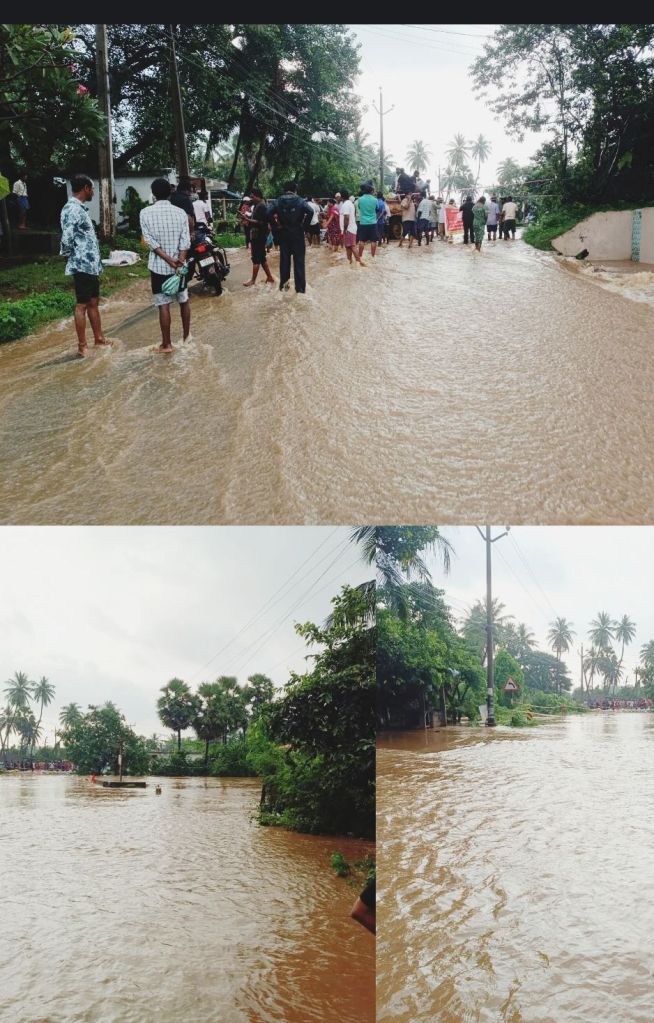
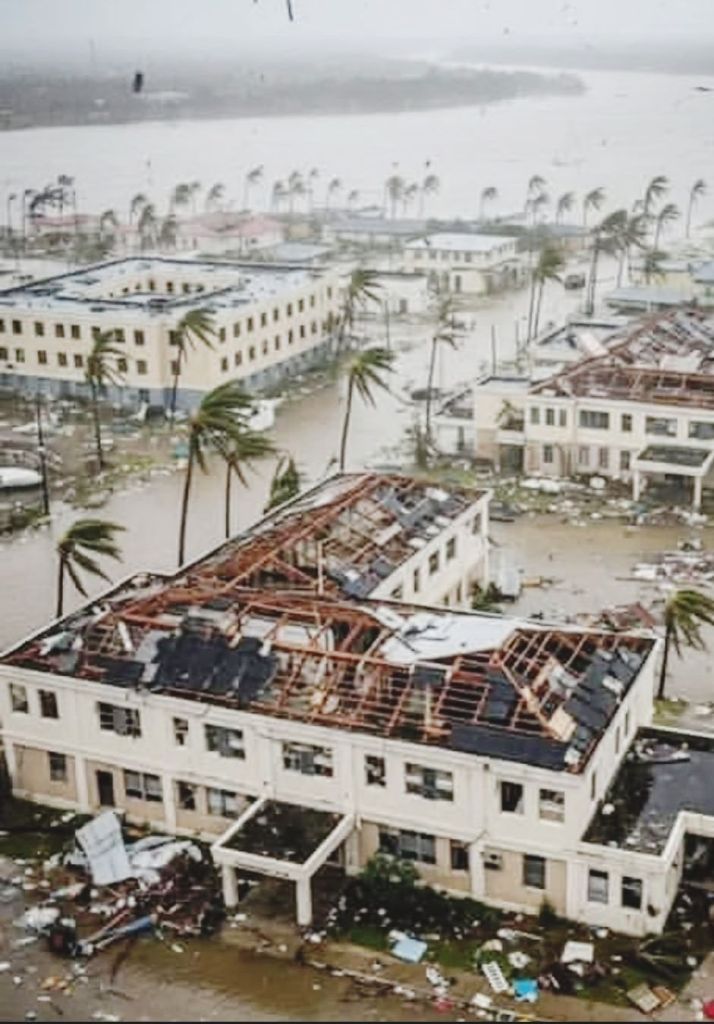
Hurricane Melissa, one of the fiercest Atlantic storms in recent memory, ravaged Haiti, Jamaica, and the Dominican Republic before crashing into Cuba. With winds exceeding 200 kmph, it flattened homes, paralyzed power grids, and left at least 32 people dead. Jamaica’s 2.8 million residents faced days without electricity or communication. Meanwhile, on the other side of the globe, Andhra Pradesh was reeling from Cyclone Montha — a system born in the Bay of Bengal that submerged 87,000 hectares of farmland, destroyed roads and bridges, and displaced 1.8 lakh people. Though the Caribbean and India sit oceans apart, both were battered by the same invisible hand — global warming.
The science is chillingly clear. Hurricanes, typhoons, and cyclones feed on ocean heat. As sea surface temperatures rise — now averaging 1.2°C higher than pre-industrial levels — storms draw in extra energy, transforming from mild disturbances into monstrous systems almost overnight. Hurricane Beryl became a Category 5 storm in less than 48 hours; Montha too intensified rapidly before landfall. This “rapid intensification” is becoming more frequent, leaving meteorologists scrambling and coastal communities with little time to prepare.
Moreover, a warmer atmosphere holds more moisture — about 7% more for every degree of warming — leading to record rainfall and catastrophic inland flooding. This is why both Jamaica’s mountains and Andhra’s plains drowned beneath torrential rain, not just fierce winds. Rising sea levels have only made matters worse, pushing storm surges further inland, eroding coastlines, and turning fertile deltas into saline wastelands.
But the real tragedy isn’t just meteorological — it’s social. Climate disasters don’t strike evenly. They hit the poorest hardest. In Andhra Pradesh, small farmers lost entire harvests of paddy and cotton; in Jamaica, fishermen and market vendors watched their livelihoods vanish with the tides. Both regions share another painful truth: rebuilding is slow, expensive, and often incomplete.
Insurance penetration remains low, and government relief, though crucial, cannot fully compensate for the loss of stability and dignity that comes with destruction.
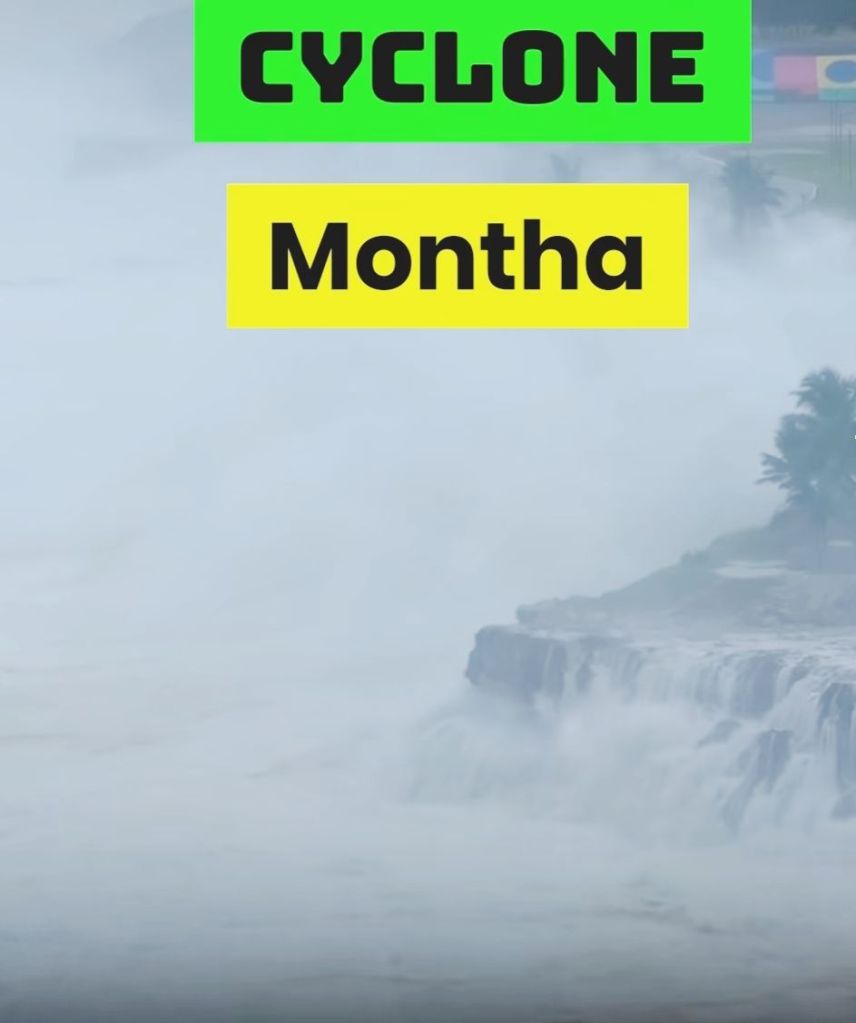
Even with remarkable preparedness — Andhra’s evacuation of 1.8 lakh people or Jamaica’s storm shelters — climate events are outpacing resilience systems. Forecasting has improved, but predicting how fast a storm will strengthen remains one of science’s biggest challenges. This uncertainty shortens evacuation windows, putting lives at risk. Meanwhile, rapid urbanization along vulnerable coastlines continues unabated, multiplying exposure to future storms.
So what can be done when nature’s fury is fueled by human excess? The answer lies in blending science, policy, and community action. Governments must invest in high-resolution forecasting tools, early warning systems, and impact-based alerts that communicate what the weather will do, not just what it will be. Bangladesh’s cyclone volunteer network and Jamaica’s watershed management programs offer powerful models of community-led preparedness.
Infrastructure must evolve too. Stronger building codes, mangrove restoration, and flood-resilient designs — the so-called “green-grey” infrastructure — can buffer storm surges and save billions in reconstruction costs. India and Vietnam’s mangrove projects have already shown how nature can be our strongest defense. Meanwhile, insurance reforms and climate funds should ensure quick payouts to vulnerable regions, preventing years of economic paralysis after every storm.

Perhaps most crucially, nations must act in concert. The Caribbean and South Asia may lie thousands of miles apart, but their pain — and their fight — is shared. Global climate financing, technology transfer, and knowledge-sharing platforms can transform isolated national efforts into collective resilience. Developing nations must be empowered to build adaptive infrastructure, while industrialized countries must honor their commitments to reduce emissions and support recovery.
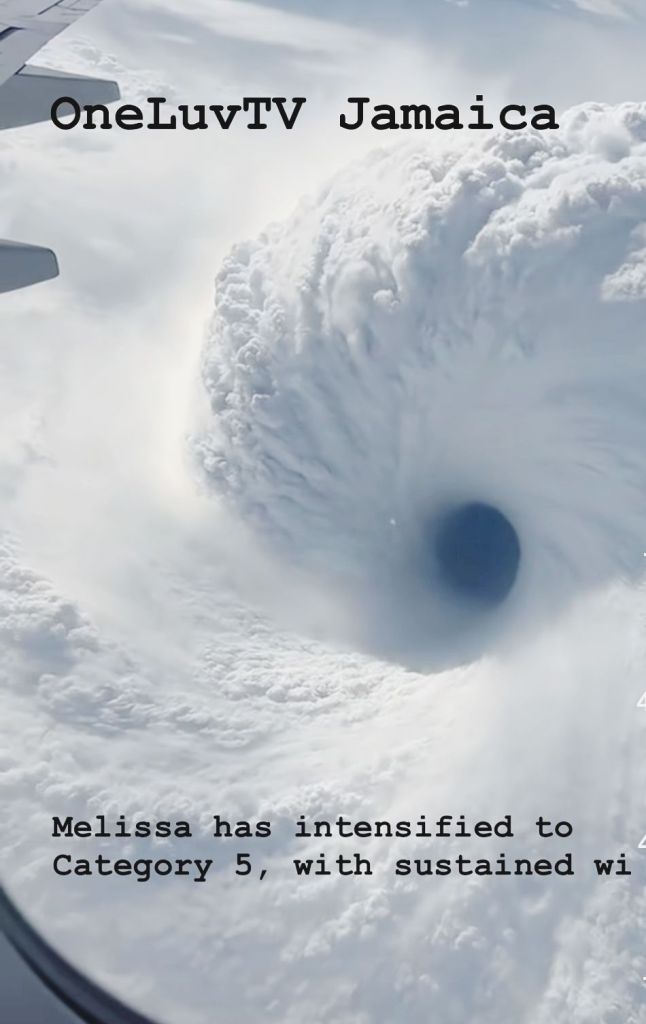
Hurricane Melissa and Cyclone Montha are not random coincidences — they are mirror images of the same planetary imbalance. Each flooded field in Andhra and every collapsed home in Jamaica tells the same story of warming oceans and neglected warnings. Climate change has made geography irrelevant; the storm that begins in one hemisphere finds its echo in another.
The takeaway is stark yet hopeful: while we can’t stop storms from forming, we can stop them from destroying. The future demands resilience — in science, governance, and the human spirit. The age of isolated disasters is over; the age of shared responsibility has begun.
Because when Jamaica’s waves rise, Andhra’s fields drown too. And unless we act together, tomorrow’s storms will remember no borders — only the heat we left behind.
Visit arjasrikanth.in for more insights
 SOCIAL PERSPECTIVES