
Between whispers of flattery and walls of silence, power is never lost at the ballot box—it’s strangled in the echo chambers closest to the throne.
In politics, defeat rarely begins with the ballot box—it begins with the inner circle. That intimate orbit of advisors and confidants around a political leader can either be the secret engine of good governance or the slow poison of misguidance. History shows us that more governments in India have collapsed not because of public revolt, but because the leader was misled, isolated, or flattered into blindness by their own court of loyalists.
The inner circle is no casual accessory. It is the filter of information, the keeper of access, and the interpreter of reality for the leader. When composed of principled advisors, it sharpens decision-making, balances perspectives, and anchors governance in public service. But when crowded with sycophants or rent-seekers, it morphs into a dangerous echo chamber where dissent is silenced, truth is distorted, and governance drifts toward delusion.

Consider West Bengal’s electricity sector under political capture. Billing was dictated not by consumption but by loyalty. Regions that voted for the ruling party magically saw reduced bills, while usage soared unchecked. Meter readers were coerced to fudge figures, leading to revenue collapse, shortages, and industrial stagnation. What seemed like short-term political reward devastated the long-term economic health of the state. This was not just corruption; it was the sabotage of governance by a circle that prized patronage over sustainability.
Or look at Delhi after the 2025 attack on its political leader during a Jan Sunwai. Security protocols, though justified on paper, slowly turned into a fortress. Public hearings became ceremonial theatre with barriers and filters. Citizens’ voices no longer reached directly; they passed through a cordon of advisors who curated narratives. Governance became blindfolded not by enemies, but by its own guardians.
This story repeats across states and decades. Maharashtra’s land scams in the 1990s or Uttar Pradesh’s caste-driven administrative paralysis in the 2010s—all bore the same stamp: inner circles that built walls instead of bridges. Leaders fed on flattery rather than facts inevitably walked into collapse.

Psychology helps explain this pattern. Dr. David Hawkins’ “Map of Consciousness” illustrates that circles operating below the level of Courage function through fear, pride, and secrecy. They thrive on manipulation, suppressing truth while amplifying validation. Above that threshold, however, lies integrity, openness, and service. Leaders working with circles at higher consciousness levels make difficult yet necessary decisions, prioritize transparency, and win public trust. The circle then becomes not a shield of delusion but a mirror of reality.
Yet human psychology resists this discipline. Constant validation seduces leaders into the yes-men syndrome. Ego flourishes, criticism shrinks, and symbolic projects substitute real solutions. Leaders are not deliberately isolated but subtly caged, until the distance between perception and reality is too wide to cross.

The antidote lies in direct public engagement. Mechanisms like Jan Sunwai, Gram Vastavya in Karnataka, and the Peoples Plan Campaign in Andhra Pradesh prove that when leaders step outside their insulated bubble, they reconnect with the pulse of the people. Direct interaction bypasses filters, injects reality, and rebuilds trust.
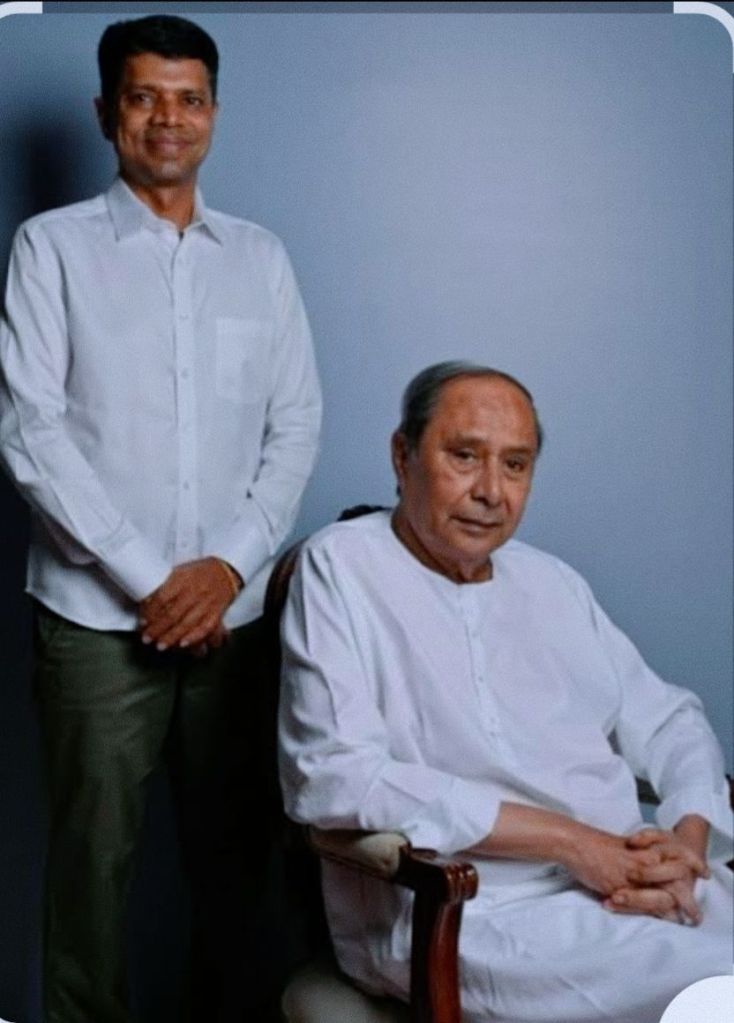
The benefits are clear. Citizens comply with policies more readily when they feel heard. Early warnings emerge when grievances surface before exploding into crises. Transparency erodes corruption. And, perhaps most importantly, leaders rediscover purpose. One political leader once admitted that speaking directly with citizens “fills me with new energy and deepens my commitment.” That emotional fuel sustains governance when bureaucratic machinery threatens to choke it.
To institutionalize this, leaders must hardwire public engagement into governance. Regular hearings, grievance dashboards, surprise inspections, and digital town halls can dismantle echo chambers. Diverse advisory groups—academics, industry leaders, grassroots activists—must balance loyalists. Above all, transparency in how circles operate must be non-negotiable.

The greatest threat to leadership is not the opposition, not hostile media, not even natural disasters. It is the silent coup of the inner circle. If that circle drags the leader into fear, pride, and illusion, collapse is inevitable. But if it lifts them toward truth, integrity, and service, governance rises beyond the ordinary and earns enduring trust.
Ultimately, the people themselves must become the leader’s truest circle. They are the only advisors immune to the intoxications of power. When leaders listen not just to whispers in their chambers but to the cries of the street, governance ceases to be theatre. It becomes democracy in action—raw, imperfect, but alive.
Visit arjasrikanth.in for more insights
 SOCIAL PERSPECTIVES
One response to “The Velvet Noose: Inner Circles Crown and Crucify Leaders”
Excellent narration. Only lovers of Nation can filter and balance the inner circles. At the same time, the leader shall have his own INDEPENDENT perception over and above the filtered advices received from his priests.
LikeLike