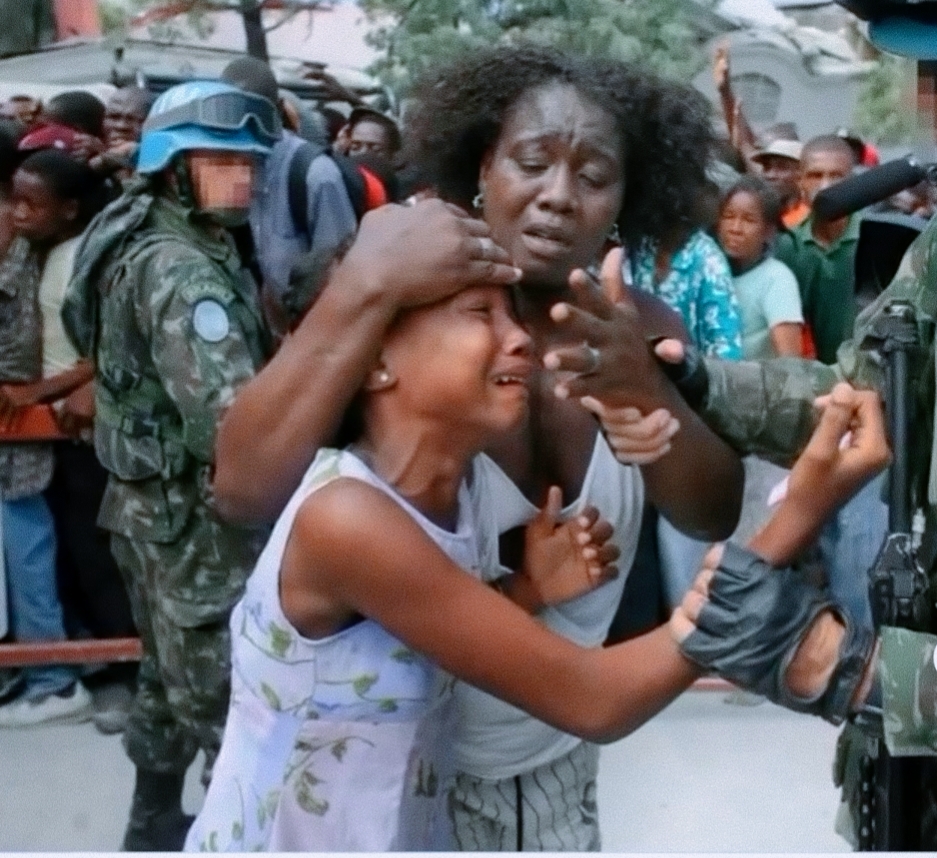
Across continents and conflicts, women bleed, build, and bear the weight of wars they never started — yet are denied a seat at the table to shape the peace they always rebuild.
The world today stands at a haunting crossroads — one where the map of conflict is not just drenched in blood, but soaked in the silent tears of women and girls who never chose these wars. Behind every frontline and every peace table dominated by men in suits, there exists another battlefield — invisible, unacknowledged, and unbearably brutal — where womanhood itself is under siege. History glorifies conquests and ceasefires, but the truest chronicles of war are etched in the shattered lives of women who lose homes, families, and often, themselves.

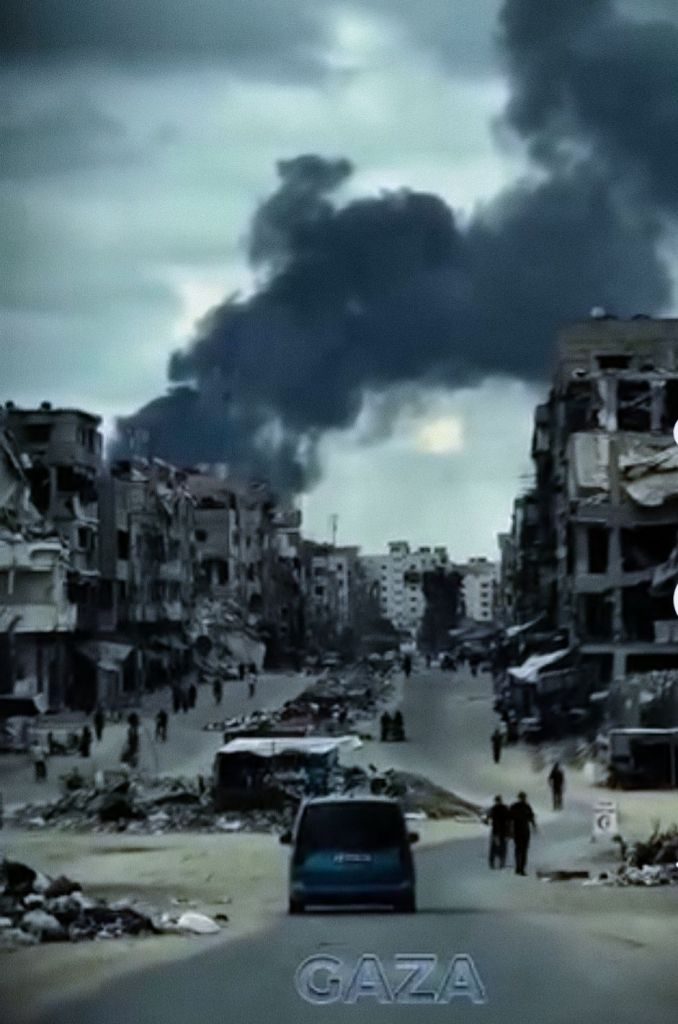
We are now witnessing the highest number of active conflicts since 1946 — a grim testament to humanity’s failure to learn. Amid drone strikes, displacements, and diplomatic deadlocks, a quieter war rages on: a war against women’s bodies, rights, and dignity. Civilian casualties among women and children have quadrupled in just two years. Homes that once nurtured dreams have become graves of despair. Schools have turned into ruins, hospitals into targets, and refugee camps into waiting rooms of endless trauma.
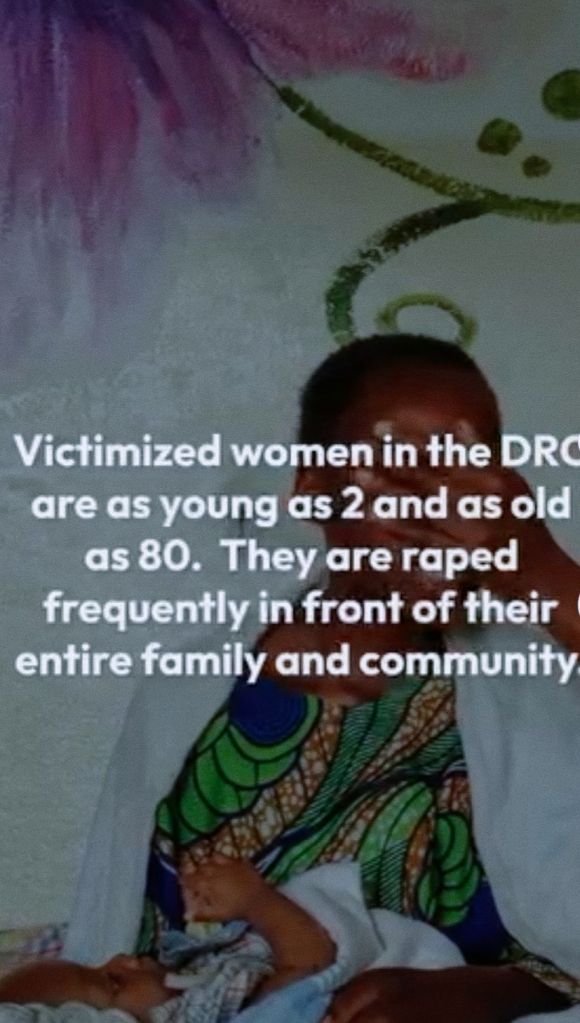
Across Gaza, Sudan, Myanmar, and Haiti, women are not victims by accident but by design. Conflict-related sexual violence has surged by a shocking 87%, turning women’s bodies into battlegrounds for revenge and ethnic cleansing. Every statistic hides a thousand silences — a child forced into motherhood, a survivor denied justice, a generation scarred beyond repair. And while the violence is visible, its echoes—mental health collapse, displacement, and loss of social identity—are often invisible, festering for decades after the guns fall silent.
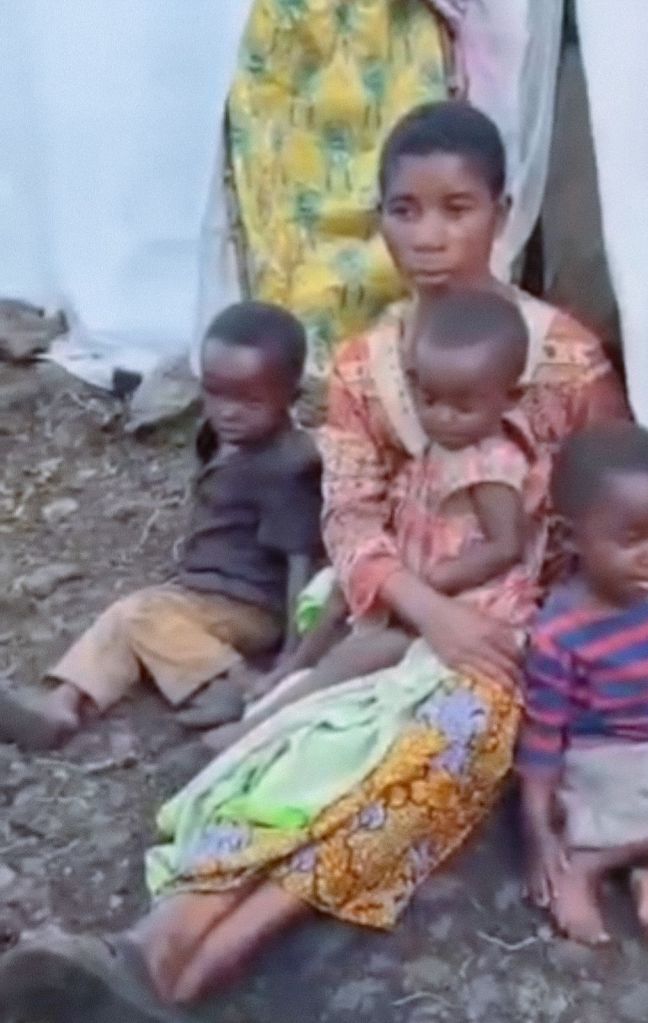
The tragedy deepens when peace itself becomes a men-only negotiation. In 87% of recent peace processes, not a single woman sat at the table; women made up barely 7% of negotiators. The irony is obscene — those who suffer most are shut out from deciding the peace they deserve. Yet, studies prove that peace agreements involving women last longer and heal deeper. The absence of women in peacebuilding is not a coincidence; it is a deliberate omission that weakens the very foundation of global recovery.
Health, too, has become collateral damage. Fifty-eight percent of maternal deaths now occur in war-torn regions — a number driven not by biology but by bombs. Maternity wards crumble, health workers flee, and expectant mothers deliver amid rubble and fear. Without access to medicine, clean water, or midwives, pregnancy becomes a perilous act of resistance. The loss of healthcare is not merely a humanitarian failure; it is a moral collapse that exposes how little the world values women’s survival in times of war.
The paradox grows starker when one considers money. Nations pour $2.7 trillion a year into weapons, yet women-led peace organizations — the true first responders — struggle for survival. These grassroots groups rebuild communities, document abuses, negotiate ceasefires, and offer refuge to survivors — often without protection or pay. Experts argue that even 1% of global aid reaching them could transform outcomes, but year after year, they are left invisible and underfunded.
The Women, Peace, and Security (WPS) agenda, born 25 years ago through UN Security Council Resolution 1325, was supposed to rewrite this narrative. It promised participation, protection, and leadership for women in peacebuilding. But the global machinery has betrayed its own blueprint. The rhetoric remains loud, but resources remain scarce. Commitments exist on paper; accountability is a mirage. Worse still, a growing global backlash against gender equality seeks to push women back into silence, as if their demand for justice is somehow an act of defiance.

If the world truly wishes to honour the WPS vision, it must shift from symbolism to substance. The goal is not to make war “safer” for women — it is to end wars altogether. Real peace cannot be brokered by drones, divisions, and denial. It must be built through dialogue, disarmament, and dignity. Women must no longer be invited as guests to peace tables; they must be hosts. Their inclusion is not an act of charity — it is a prerequisite for sustainable peace.
The impact of conflict on women and children is not limited to violence. It rips apart their health, homes, and hopes. The collapse of infrastructure and displacement of healthcare workers cut off access to vaccinations, family planning, and emergency obstetric care. Diseases spread unchecked. Child marriages rise. Women and girls are trafficked, traded, and treated as spoils of war. Children lose education, innocence, and safety, often growing up in refugee camps where hope is rationed like food. The breakdown of economies leaves women with the impossible burden of feeding families amid hunger, inflation, and despair.
Yet, amid this devastation, women remain the unbreakable thread holding societies together. Mothers crossing borders with infants in their arms. Teachers holding classes in ruins. Activists recording atrocities at the risk of death. They are the soldiers of peace, their weapons being courage and compassion. They are the first to suffer, but also the first to rebuild.

The question is no longer whether women can survive war — they always do. The question is whether the world can survive without them in the peace that follows. Because every conflict that silences a woman’s voice is not just a political failure. It is a failure of humanity itself.
Visit arjasrikanth.in for more insights
 SOCIAL PERSPECTIVES