
From puppeteer to petitioner, Islamabad pleads with its former protégés as decades of militant strategy turn inward, leaving chaos, carnage, and a nation at war with itself.
In the labyrinth of South Asian geopolitics, Pakistan’s latest ceasefire plea to Afghanistan reads like an epic of irony. The nation that once prided itself on mastering the dark arts of proxy warfare is now trapped by its own creation. After deadly border clashes, Pakistan’s Defence Minister announced a fragile truce brokered in Doha, with follow-up talks slated for Istanbul. The demand on the table is both urgent and tragic: that Afghanistan’s Taliban regime stop sheltering militants attacking Pakistan. Kabul, now ruled by the very Taliban Islamabad once nurtured, has responded with its own defiance—accusing Pakistan of meddling and demanding “mutual respect.” What looks like diplomacy is, in truth, desperation.
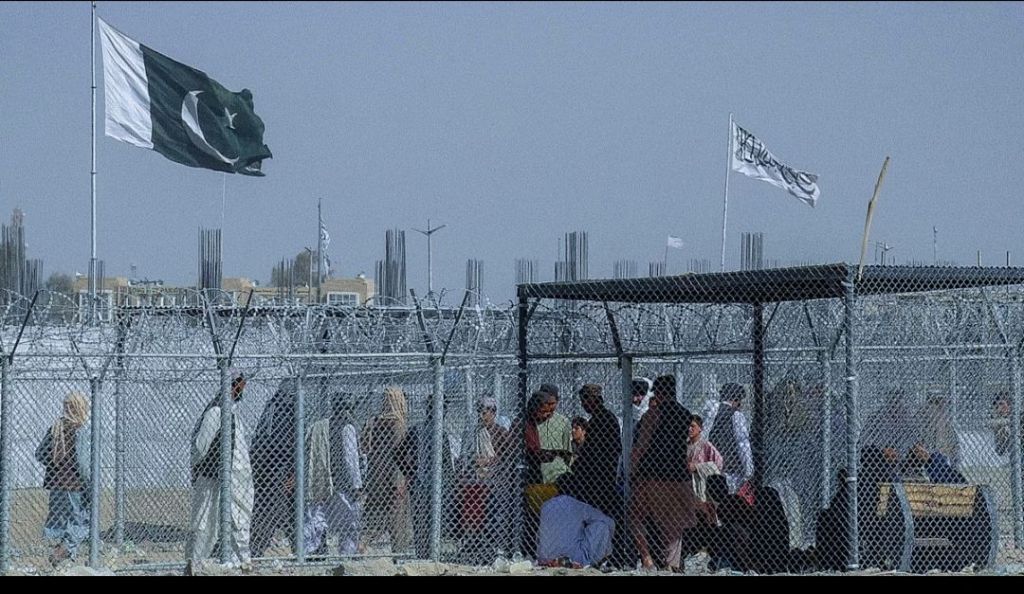
For decades, Pakistan’s military-intelligence establishment played a high-stakes game with fire. During the Cold War and the subsequent “War on Terror,” Islamabad cultivated jihadist networks as instruments of regional strategy—arming, funding, and guiding the Taliban and the Haqqani Network to secure influence in Afghanistan and maintain “strategic depth” against India. It was a cynical doctrine, rooted in fear of encirclement but lubricated by opportunism. Those same groups, once the sharp edge of Pakistan’s foreign policy, have now turned their blades inward.

The blowback has been catastrophic. The Tehrik-i-Taliban Pakistan (TTP), once a by-product of Pakistan’s Afghan adventure, now wages relentless war against the state itself. From the Red Mosque siege in 2007 to the Peshawar school massacre in 2014 that killed 132 children, to countless attacks on mosques, markets, and military bases—the group’s carnage has scarred generations. More than 80,000 Pakistanis have perished in terror-related violence since 2003. The nation’s economy, strangled by insecurity, has lost hundreds of billions of dollars. Foreign investment has fled. Faith in governance has withered. The fire once meant to destabilize Afghanistan now consumes Pakistan’s own soul.
India, for decades, warned of this reckoning. From the Parliament attack in 2001 to Mumbai in 2008 , Pulwama in 2019 and Pahalgaon in 2025 , India’s list of grievances against Pakistan-based terror groups runs long and bloody.
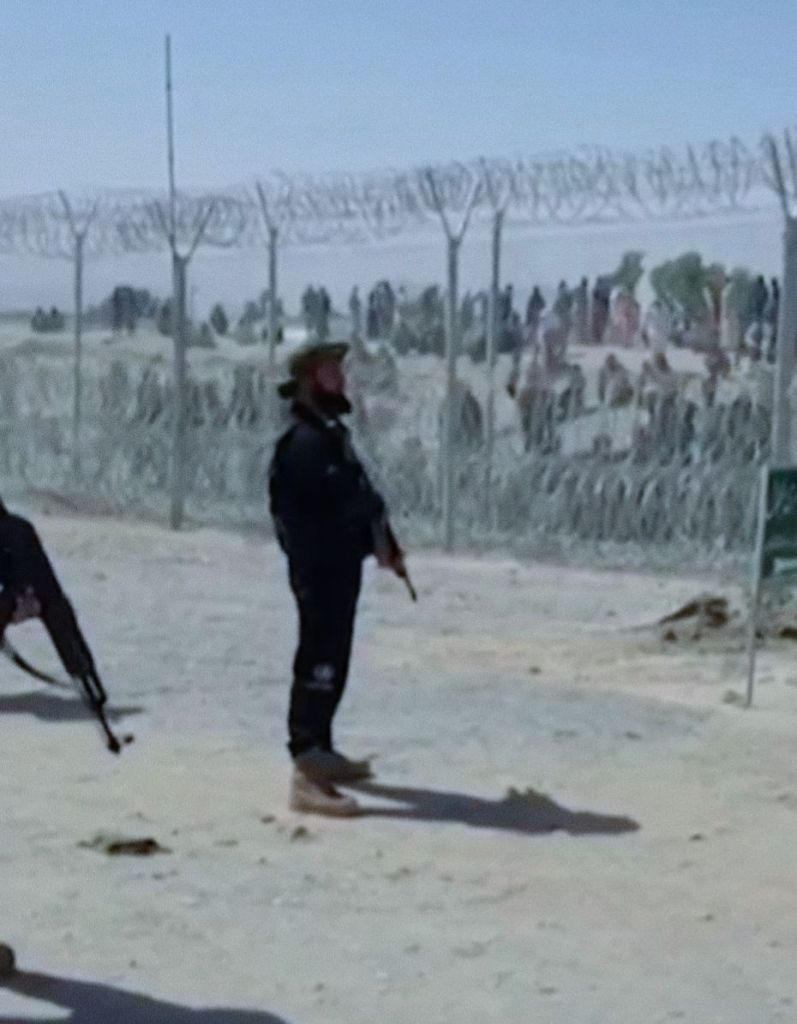
Lashkar-e-Taiba, Jaish-e-Mohammed—these names echo across international counterterrorism reports. When Pakistan was placed on the FATF grey list from 2018 to 2022 for terror financing, it dismissed the move as geopolitics. Yet today, Islamabad faces the same moral indictment it once denied: the monsters it fed no longer take orders.
The lesson is as old as power itself—those who raise serpents cannot choose when they strike. Terrorism is not a controlled instrument; it is contagion. Once unleashed, it corrodes the very institutions that gave it birth. Pakistan’s pursuit of strategic depth has yielded only strategic decay. The Taliban, far from being a compliant client, now lectures its former patron about sovereignty and respect. Islamabad, once the puppeteer, now pleads for peace from its puppets.
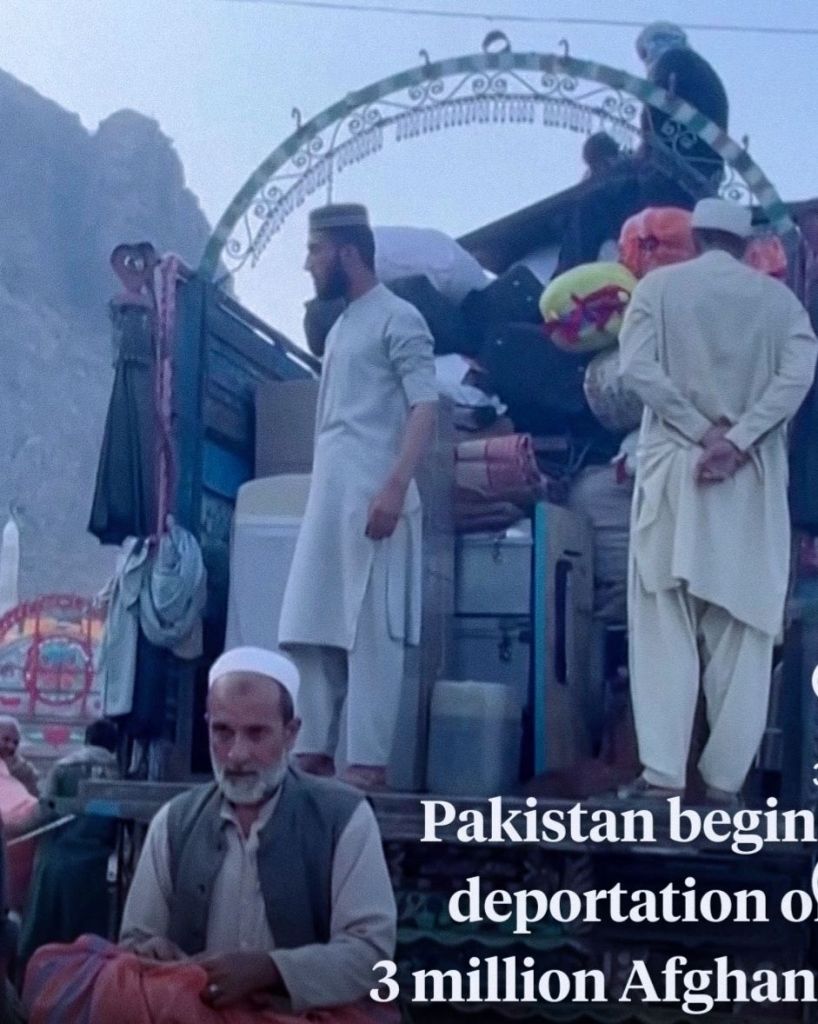
The pattern is universal. Iraq’s post-2003 collapse birthed ISIS, whose terror consumed both creators and neighbours. Libya’s fall fragmented the nation into militia fiefdoms. Afghanistan’s own trajectory—from U.S.-armed mujahideen in the 1980s to Taliban dominance today—proves that ideology weaponized always mutates beyond control. Nations that court extremists for expedience end up prisoners of the chaos they unleash.
And yet, amid the ruins, one truth gleams: nations survive not by exporting fear but by cultivating legitimacy. Pakistan’s current crisis is not merely military—it is moral and institutional. Radicalization seeps through its schools and mosques, while governance cracks under corruption and economic decay. The ceasefire with Afghanistan may calm the border, but it cannot pacify the storm within. No truce can outlast the ideology that fuels it.
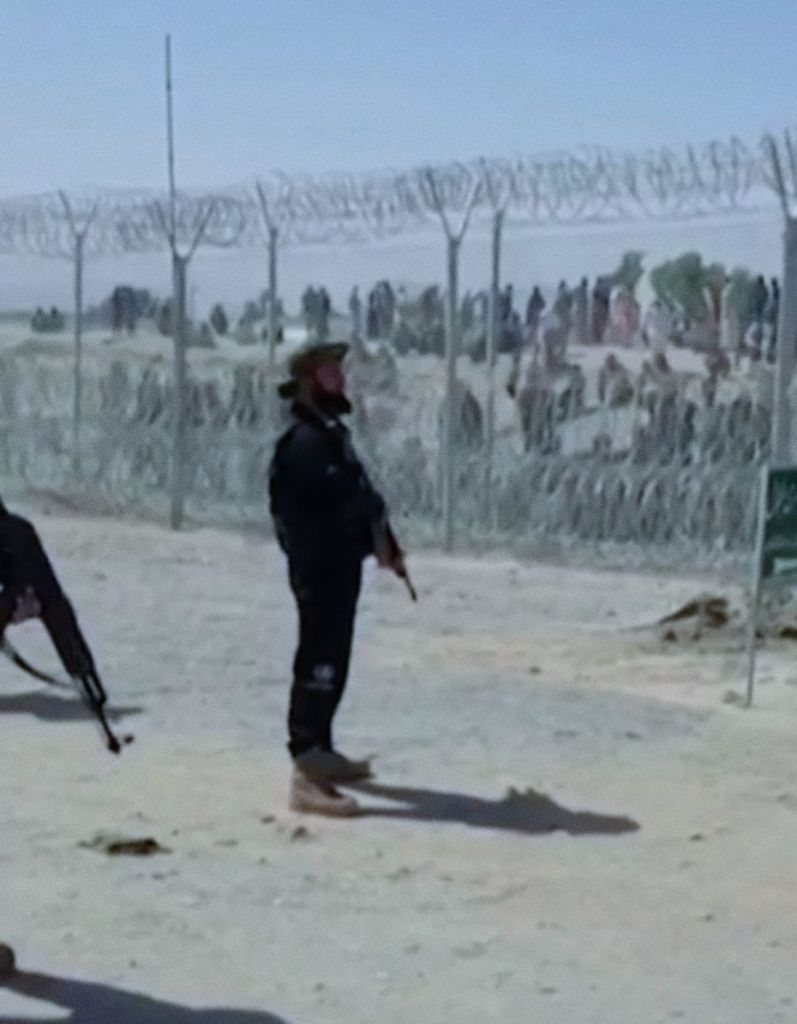
In functioning democracies, conflicts are fought in parliaments, not through proxies. Power transitions through votes, not bullets. But in fragile states where the state itself sponsors violence, sovereignty becomes a shadow play. Pakistan’s tragedy lies not in its enemies but in its refusal to abandon the tools of its past.
If there is redemption, it lies in reimagining strength—not as the ability to destabilize others, but to stabilize oneself. To build a state that commands loyalty through justice, not fear. To realize that influence earned through peace endures longer than dominance enforced through terror.

History is merciless in its memory. It forgets the swagger of generals but remembers the ruin of nations that mistook militancy for strategy. Pakistan’s story, still being written in smoke and sorrow, carries a warning for every power that toys with fanaticism: when you unleash the serpent, you may not survive its return.
Visit arjasrikanth.in for more insights
 SOCIAL PERSPECTIVES