
Delhi’s Diwali Dilemma — where the Festival of Illumination turns into a night of smog, sorrow, and suffocated joy
Every year, as a million diyas flicker across India, Delhi braces for its darkest night. The Festival of Lights, once a quiet ode to victory of good over evil, now begins with celebration and ends with suffocation. The city wakes to a Gray dawn after Diwali—the air thick, the streets littered, and the irony piercing. The festival meant to illuminate now blinds and chokes the very heart of the nation.
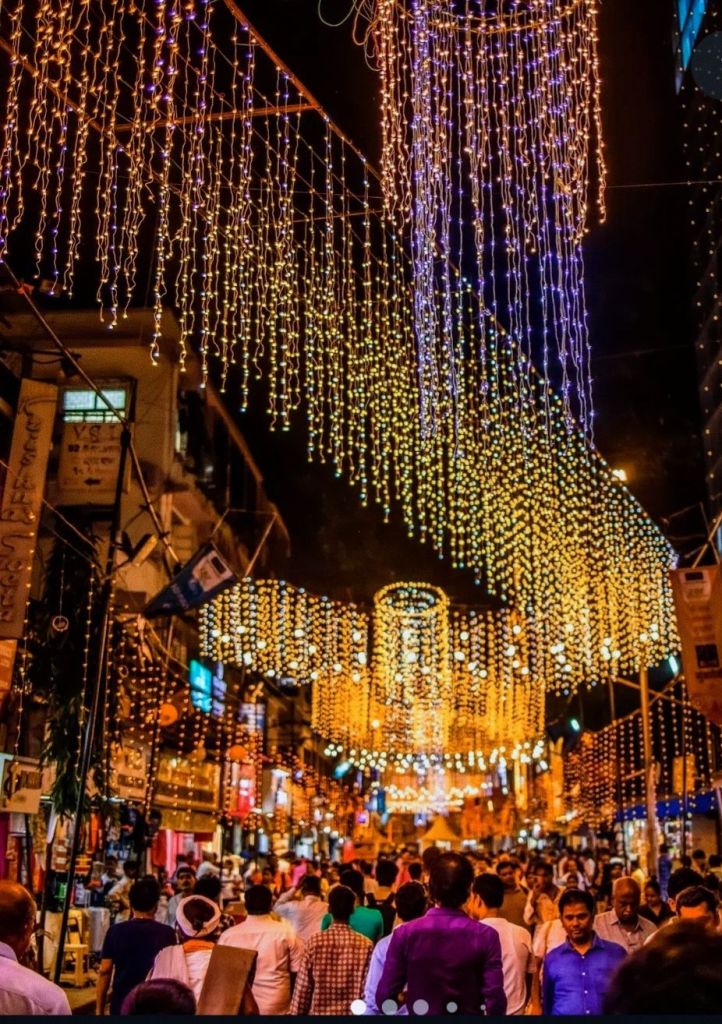
For Indians, Diwali isn’t just a festival—it’s an emotion that pulses through every family. The glow of lamps, the fragrance of sweets, and the laughter of homecomings embody its spirit. Firecrackers entered this tradition as symbols of joy, noise, and prosperity—a burst of light to banish evil. Yet in modern Delhi, these very bursts have turned into detonations of disaster, igniting an annual health emergency that leaves the city gasping.
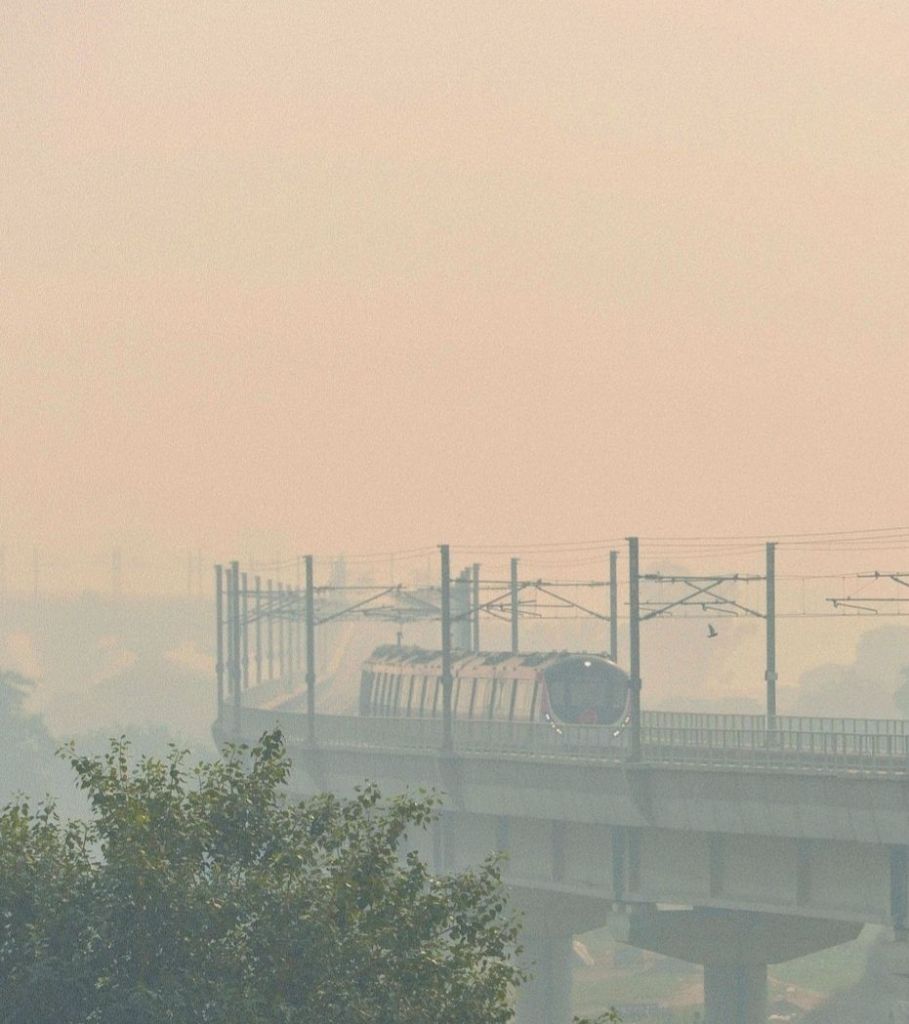
When dawn breaks the morning after, Delhi resembles a dystopia. The Air Quality Index soars beyond 600, crossing “hazardous” thresholds that defy comprehension. The city coughs in unison—lungs coated with soot, eyes burning, and hearts heavy with the guilt of collective indulgence. Hospitals overflow with respiratory cases; schools close to protect children from the air they helped pollute the night before. Firecrackers aren’t the sole culprits—but they tip the scales in a city already burdened by vehicular fumes, industrial smoke, and stubble burning from neighboring states. The science is brutal: the sulphur dioxide, nitrogen oxides, and heavy metals from fireworks weave a toxic cloud, turning Delhi’s joy into its slow poison.

Yet emotion overrules evidence. For many, the sparkle of fireworks is inseparable from childhood memories. “It’s just one night,” say many Delhiites, echoing a sentiment that blurs nostalgia with neglect. “Why blame Diwali when factories and farmers pollute every day?” This defiance transforms an environmental concern into a cultural clash—where logic collides with identity, and every conversation turns into a battle between heritage and health.
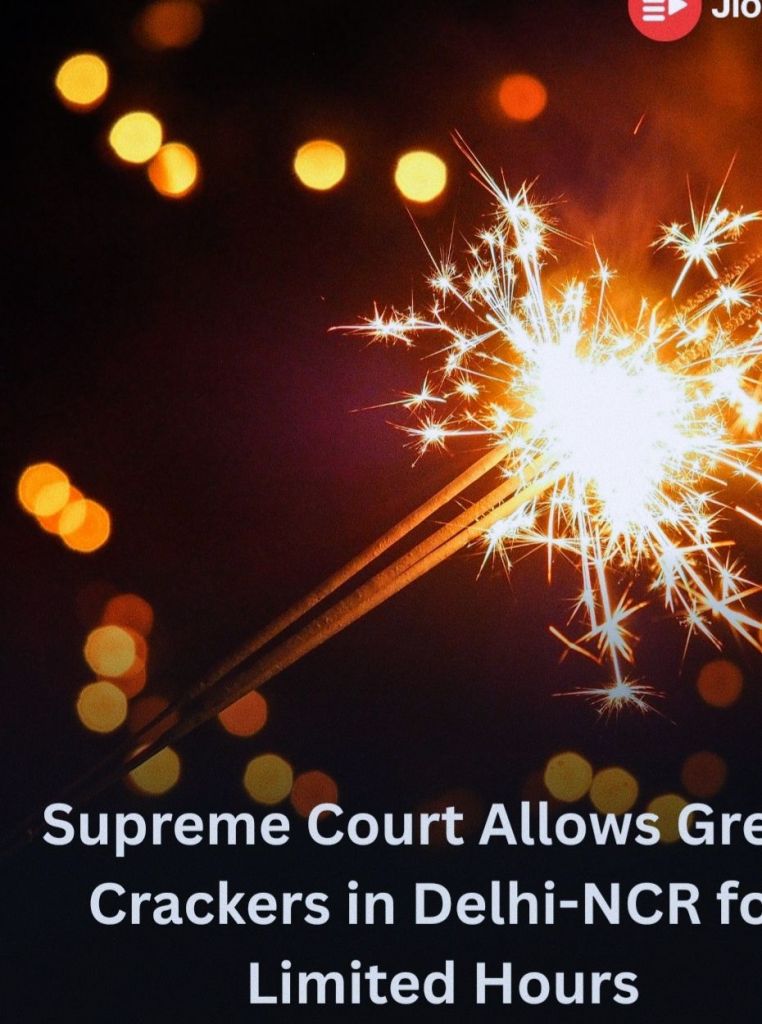
The Supreme Court’s intervention attempted to find middle ground through “green crackers.” Developed by CSIR-NEERI, these fireworks promised 30–35% fewer emissions and lower noise levels, removing toxic metals like barium. Legal use was restricted to specific hours, and online sales of traditional crackers were banned. On paper, it was perfect—an enlightened compromise between faith and science. But on Delhi’s smoky streets, enforcement turned into farce. Black markets thrived, illegal fireworks flooded from neighboring states, and the rule of law evaporated in clouds of sulphur.
This defiance isn’t fuelled by malice—it’s powered by emotion. In India, law bends before sentiment, and festivals are sacred. To many, the restrictions on Diwali feel like an assault on faith rather than a plea for public health. The issue quickly becomes politicized: activists are called elitists, courts accused of moral overreach, and governments blamed for hypocrisy—cracking down on fireworks while turning a blind eye to stubble fires. A scientific debate dissolves into a shouting match over culture and control.

But beneath the noise, a quieter revolution is unfolding. Delhi’s younger generation is reimagining Diwali. “No Crackers, Only Diyas” has grown from a slogan into a social conscience. Schools educate children on green celebrations, offices promote eco-friendly campaigns, and residential societies replace fireworks with light shows and community feasts. A slow, silent shift is taking place—from loudness to mindfulness, from pollution to preservation.
Still, the transformation cannot rest on citizens alone. The government’s responsibility extends beyond token bans and post-facto advisories. Asking citizens to give up fireworks must be matched by decisive action on other pollution sources. The stubble burning crisis demands real structural reform—machine subsidies, alternative crops, and interstate coordination. Vehicular pollution requires cleaner fuels, electrification, and public transport investment. Real change will come when people see shared accountability, not selective enforcement.
Delhi’s Diwali crisis isn’t just about air—it’s about awareness. It challenges a society to evolve its traditions without erasing them, to seek joy without collateral damage. The real test lies in whether we can keep the festival’s spirit alive without letting it poison the city that celebrates it. The answer isn’t in bans but in balance, not in guilt but in collective awakening.
Imagine a Diwali where the night sky glows with lamps instead of gunpowder, where children run free without masks, and where the air smells of sweets, not smoke. A festival where light truly triumphs over darkness—external and internal. That would be the Diwali Delhi deserves: one of illumination, not ignition.

Until that day, the city will keep dancing this smoky waltz between devotion and destruction—its lamps flickering bravely against the haze. The question Delhi must now answer is simple yet profound: can the city that lights up the nation also learn to breathe through its own celebration? Because if the air grows darker each year, even the brightest lamp will one day fail to shine.
Visit arjasrikanth.in for more insights
 SOCIAL PERSPECTIVES