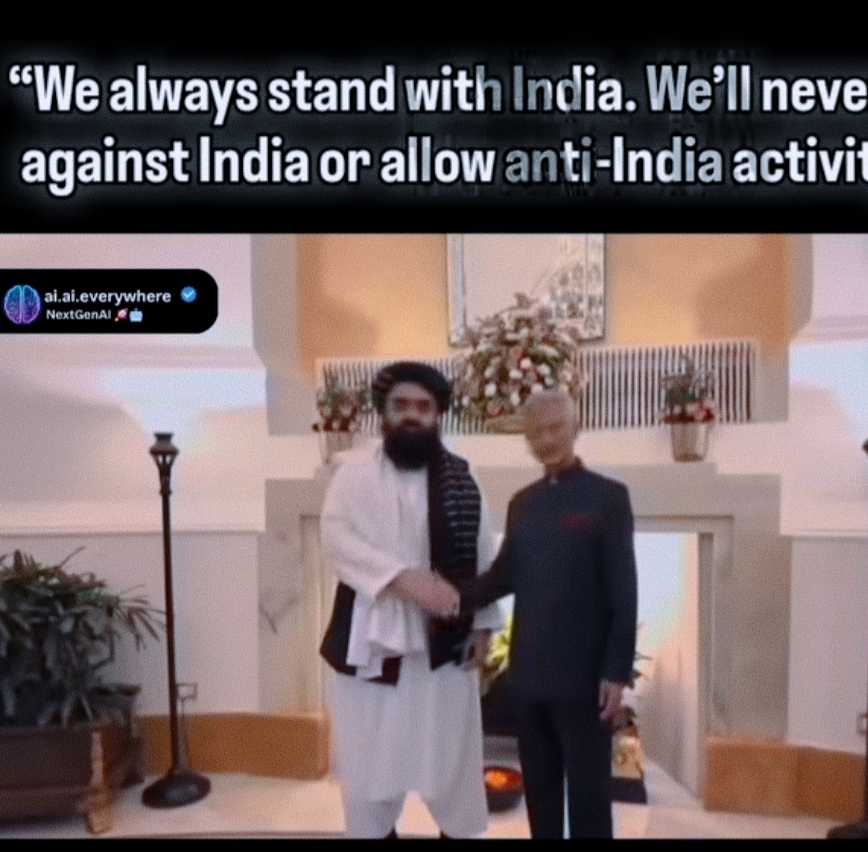
In the dim ballroom of world politics, India moves with quiet precision — engaging the Taliban without embracing them, turning silence into strategy and restraint into power.
In the quiet corridors of New Delhi, where diplomacy is measured in silences rather than speeches, a meeting took place that would have been unimaginable not long ago. The Afghan Foreign Minister arrived — representing a regime that most of the world still refuses to recognise — to meet India’s External Affairs Minister in what looked like an ordinary diplomatic engagement. Yet, beneath the polished handshakes and practiced smiles lay one of India’s most sophisticated acts of strategic balancing — an engagement with the Taliban that walked the razor’s edge between recognition and rejection.
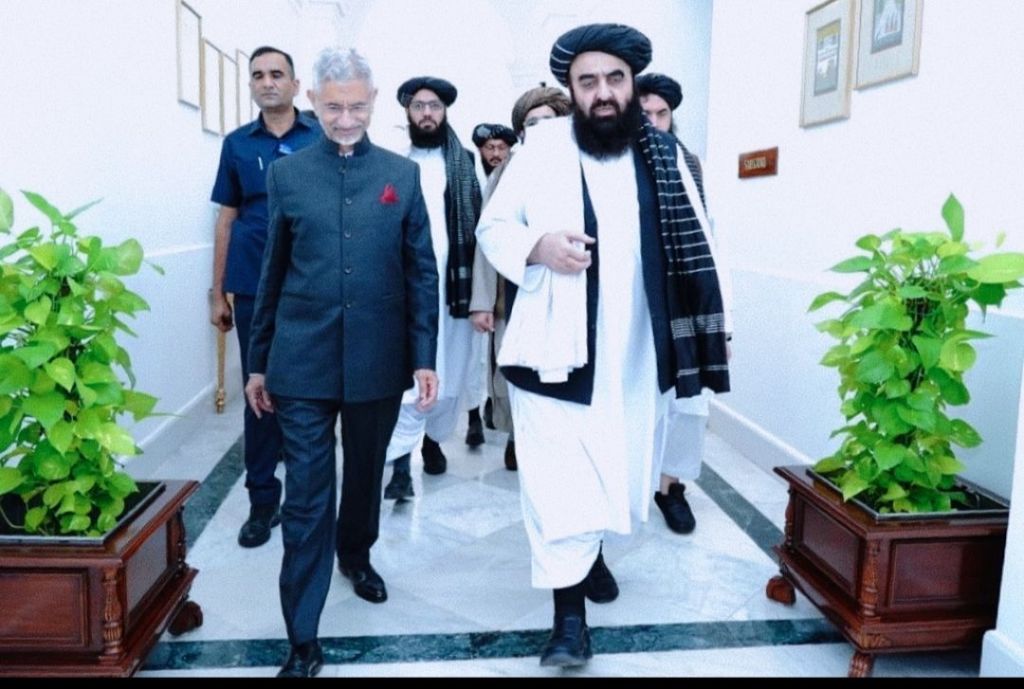
This was neither an endorsement nor an act of appeasement. It was diplomacy performed with surgical precision — a careful dance of engagement without validation, dialogue without surrender. The meeting, conducted under the banner of the India–Central Asia Joint Working Group on Afghanistan, was no coincidence. By framing the dialogue as a multilateral regional consultation — with Kazakhstan, Tajikistan, Turkmenistan, and Pakistan in attendance — India crafted a diplomatic masterpiece. The optics were deliberate: a conversation about regional stability, not a bilateral embrace. It was diplomacy at its finest — layered, deliberate, and deniable.
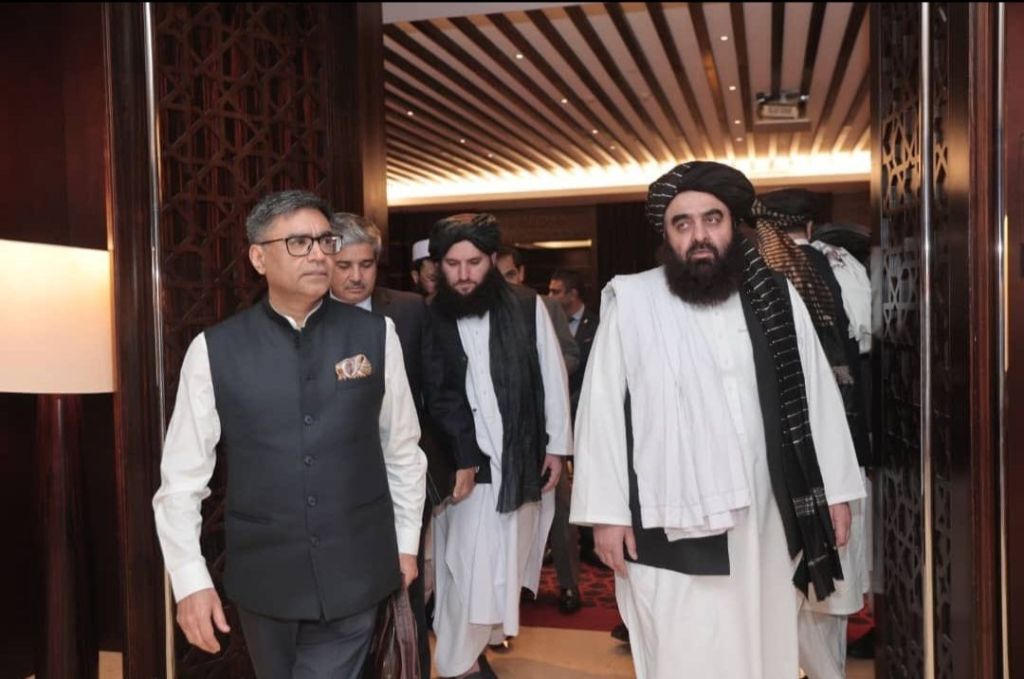
India’s Afghan dilemma is as old as modern geopolitics itself — how to safeguard national interests in a country that has known only turbulence. Afghanistan, the heart of Asia, has always been both a neighbour and a mirror — reflecting every storm that sweeps across South and Central Asia. For India, the stakes are existential. The memories of the 1990s, when Afghan soil became a launchpad for terror directed at Indian targets, remain vivid. Yet, cutting off Kabul completely would mean abandoning two decades of goodwill built painstakingly through hospitals, dams, schools, and scholarships.
Thus, India has chosen the middle path — cautious yet compassionate, realistic yet principled. It refuses to recognise the Taliban government but continues to extend a hand to the Afghan people. Humanitarian aid — from wheat to vaccines — continues to flow, even as India keeps its political distance. The re-opening of the embassy in Kabul, with a limited technical team, is emblematic of this dual approach: presence without partnership. The message is subtle yet profound — India stands with the Afghan people, even if it cannot stand beside their rulers.
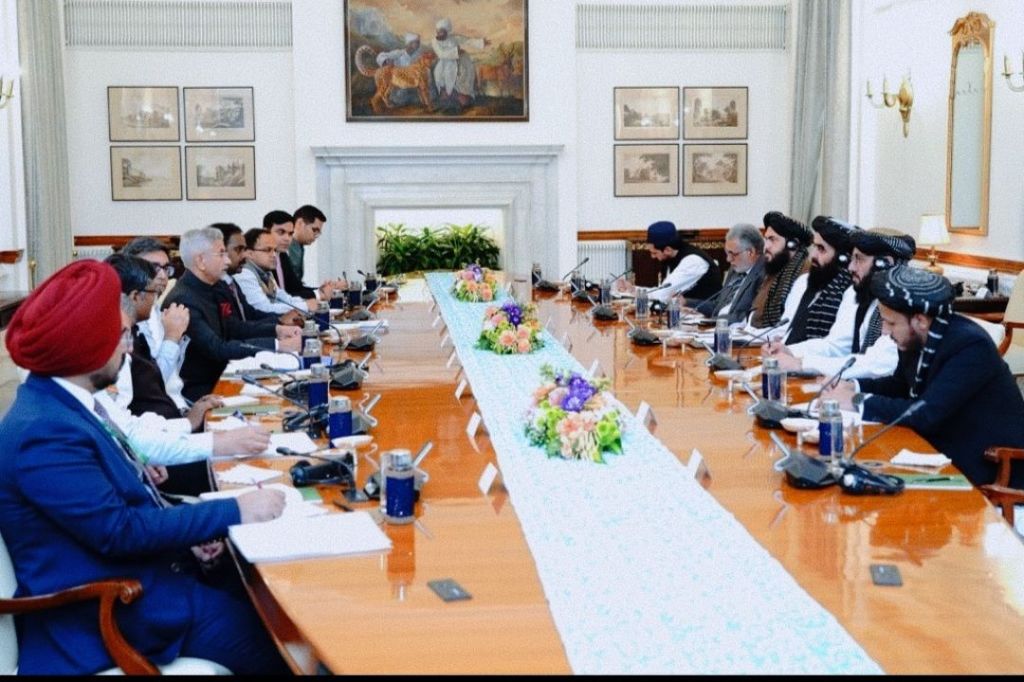
Each move in this delicate chess game carries a moral compass. India’s engagement is guided not by convenience, but by conviction. Every diplomatic exchange carries one consistent demand — inclusivity, moderation, and respect for women’s rights. The denial of education and employment to Afghan women remains a moral red line that New Delhi refuses to cross. In a world where many powers chase influence through expediency, India’s insistence on principle gives its diplomacy a rare moral gravity. It speaks to the Taliban, yes — but always on India’s terms.
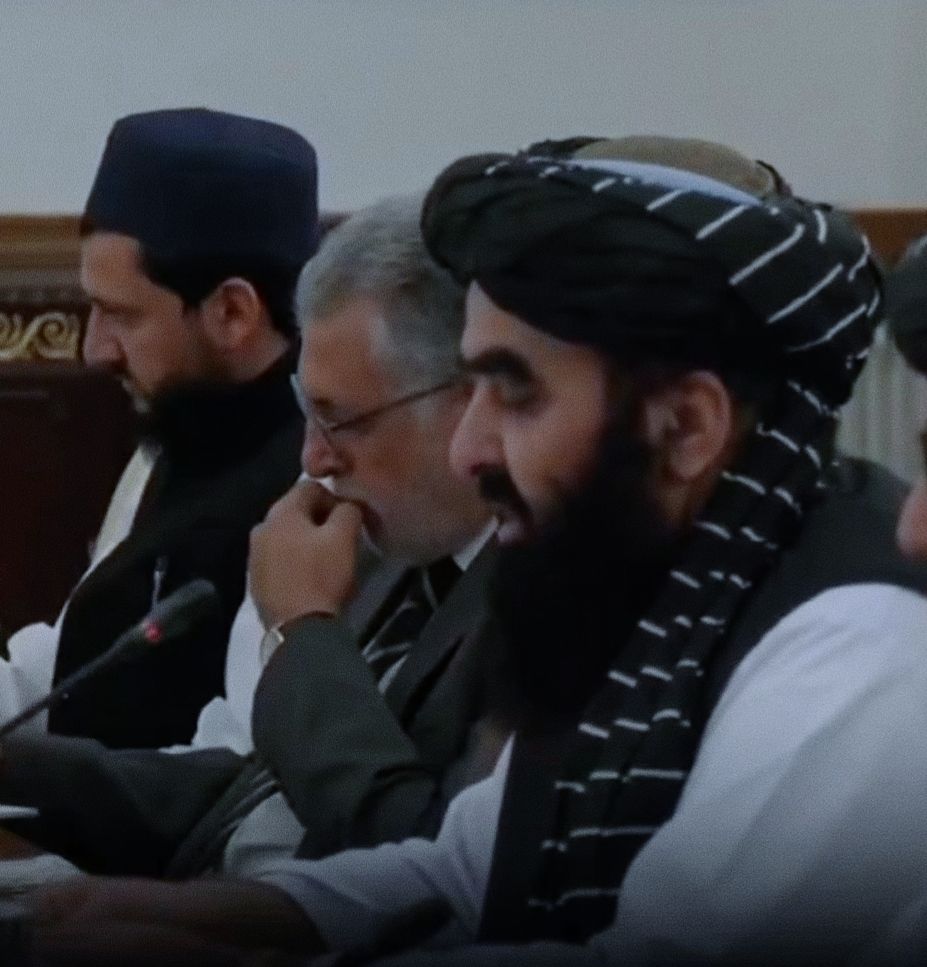
From the Taliban’s vantage, however, the Delhi meeting was more than a conversation; it was a crack in the wall of isolation. Economically battered and politically ostracised, the regime seeks legitimacy and engagement — and no country offers greater promise than India, with its economic weight and regional stature. But India, acutely aware of the dangers that lurk behind Taliban smiles, remains unmoved by flattery. It knows that beneath the surface of governance lie networks of extremism still pulsing with life. The threats of ISIS-K, Al-Qaeda, and other groups continue to shadow the Afghan landscape, and India’s intelligence community remains ever watchful.

This meeting was therefore not a breakthrough but a barometer — a test of intentions, a reaffirmation of security priorities, and a subtle way to shape the regional narrative. Counter-terror coordination and information exchange dominated the undertone. For India, this wasn’t about friendship; it was about foresight — about ensuring that Afghanistan’s instability doesn’t spill over into South Asia’s fragile fabric.
In a region where power shifts faster than promises, this calibrated caution has become India’s defining diplomatic trait. Total disengagement would hand Afghanistan on a platter to Pakistan and China, both of whom are racing to fill the vacuum. Beijing seeks mineral riches and strategic footholds; Islamabad wants ideological and territorial leverage. India’s quiet but consistent engagement ensures that it stays in the room — ready for the day when Afghanistan’s internal equations inevitably shift again. It’s not hesitation; it’s strategic patience.
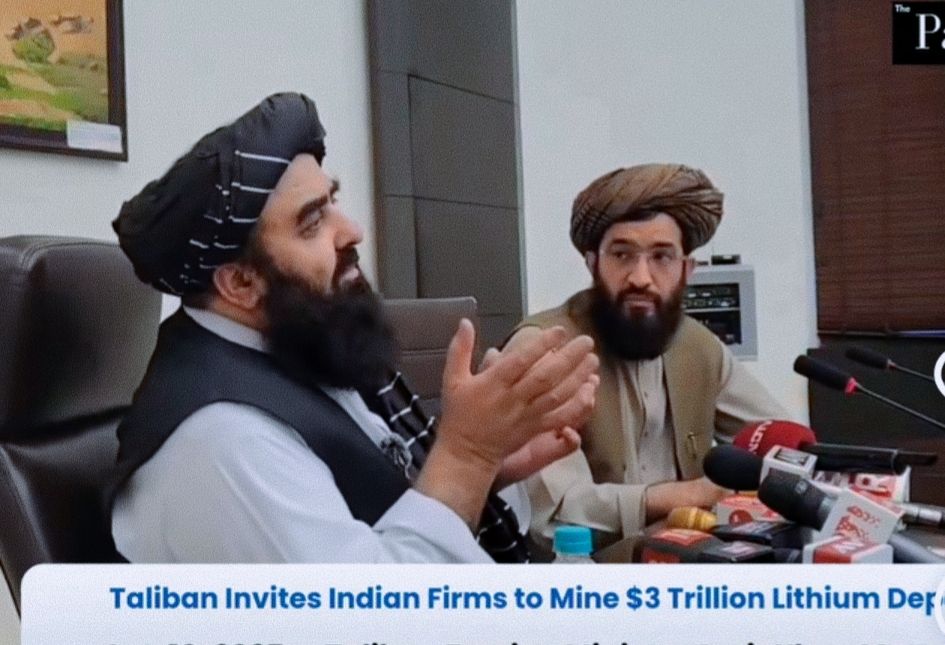
This episode reflects the evolution of India’s diplomacy itself — from moral absolutism to moral pragmatism. The rigid binaries of old — between recognition and rejection, between friend and foe — are giving way to a more flexible, layered understanding of statecraft. By choosing the multilateral route, India avoided the optics of endorsement while ensuring it had a voice in the Afghan dialogue. It is not indecision; it is the art of managing ambiguity — of turning complexity into leverage.
But beyond geopolitics, this is also about identity — India’s emergence as a power capable of engaging chaos without being consumed by it. It’s about navigating a world where values and interests no longer align neatly — and yet finding the courage to pursue both. The Taliban crave recognition; India demands stability. Between those competing needs lies the true theatre of modern diplomacy — a place where restraint is power and silence is strategy.
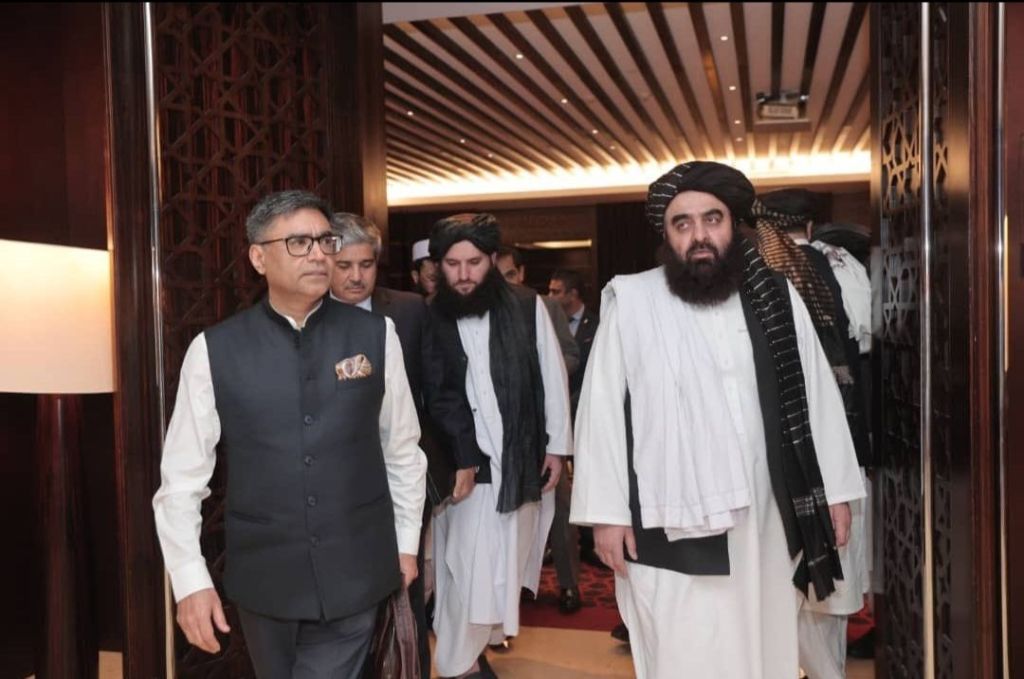
The Delhi meeting may not have changed the course of Afghanistan overnight, but it redefined the contours of India’s foreign policy. It signalled a nation unafraid to engage with reality as it stands, even when that reality is uncomfortable. In a world increasingly defined by loud proclamations and reckless alignments, India’s quiet, deliberate diplomacy stands as an act of wisdom — a recognition that sometimes, progress is made not by the loudest voices, but by the calmest minds.
So as the world watches this uneasy waltz between New Delhi and Kabul, one truth endures: India has mastered the rhythm of cautious engagement. In the dimly lit ballroom of global politics, where every step can spark a storm, India dances — gracefully, thoughtfully, and always towards the light.
Visit arjasrikanth.in for more insights
 SOCIAL PERSPECTIVES