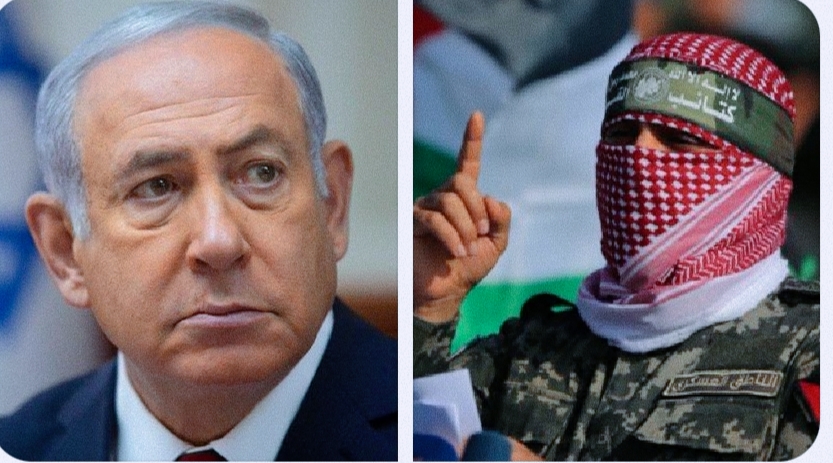
A fragile ceasefire between Israel and Hamas sparks fleeting hope, political spectacle, and moral questions in a land scarred by war and loss.
A strange calm has descended upon the battered landscapes of Gaza and the tense streets of Israel. After months of fire, fear, and shattered lives, the announcement of a ceasefire between Israel and Hamas has brought a rare and fragile sense of relief to a region long imprisoned by grief. In Khan Younis, Palestinians waved flags amid the ruins, their tears mixing with dust and disbelief. Across Israel, the reunion of freed hostages with their families unfolded in moments of silent gratitude and cautious hope. Yet beneath these tender scenes of celebration lies a quiet unease—whether this truce is the dawn of peace or merely another pause before the next inevitable storm.

Following intense negotiations in Cairo and Doha, Israel and Hamas have agreed to the first phase of a U.S.-brokered peace framework, unveiled by former U.S. President Donald Trump. The deal outlines a ceasefire, a phased exchange of hostages and prisoners, and a partial withdrawal of Israeli forces from Gaza. Trump, never one to miss a stage, declared on social media, “Phase One is done,” projecting the agreement as a diplomatic triumph and proof of his enduring influence. Qatar, Egypt, and the U.S., who acted as mediators, confirmed that the arrangement “will lead to an end to the war.” The world exhaled—but only halfway.

In Israel, Prime Minister Benjamin Netanyahu has described the ceasefire as “a tactical step, not a final peace.” His cabinet remains sharply divided, with ultranationalist allies warning that any concession might embolden Hamas or erode Israel’s security hold over Gaza. This political discord mirrors Israel’s enduring dilemma—balancing national security with a growing global outcry for humanitarian restraint. The long-term governance of Gaza remains an unresolved battlefield of ideas: reconstruction, demilitarization, and political future all hang in the balance. Israel insists that Hamas must have no role in post-war administration, while Hamas, though bloodied and bruised, refuses to relinquish its claim to resistance and representation.
Trump’s announcement, flanked by Netanyahu at the White House, was pure political theatre. He hailed the agreement as “a great day for the world,” attributing success to international cooperation and pragmatic diplomacy. Yet, beneath the grandeur of rhetoric lies a calculated design. Trump’s “20-Point Peace Plan” envisions not reconciliation, but containment—a strategy aimed at securing Israel’s borders, marginalizing Hamas, and enlisting regional powers such as Egypt, the UAE, and Saudi Arabia to bankroll Gaza’s reconstruction under tight international supervision. It is a peace plan designed to restore quiet rather than achieve justice—a political sedative rather than a cure.

Still, even an imperfect pause in violence offers a precious moment for recovery. The humanitarian toll of this war has been staggering. Tens of thousands of Palestinians—many of them women and children—have lost their lives, while over two million people remain displaced, living amid rubble and despair. Gaza’s hospitals, schools, and homes lie in ruins, its infrastructure shattered. On the Israeli side, the trauma of the October 7 attacks—marked by horror and loss—continues to haunt an entire generation. Both peoples bear wounds that statistics cannot measure. These shared sufferings remind the world that peace is not a political favour but a moral obligation.
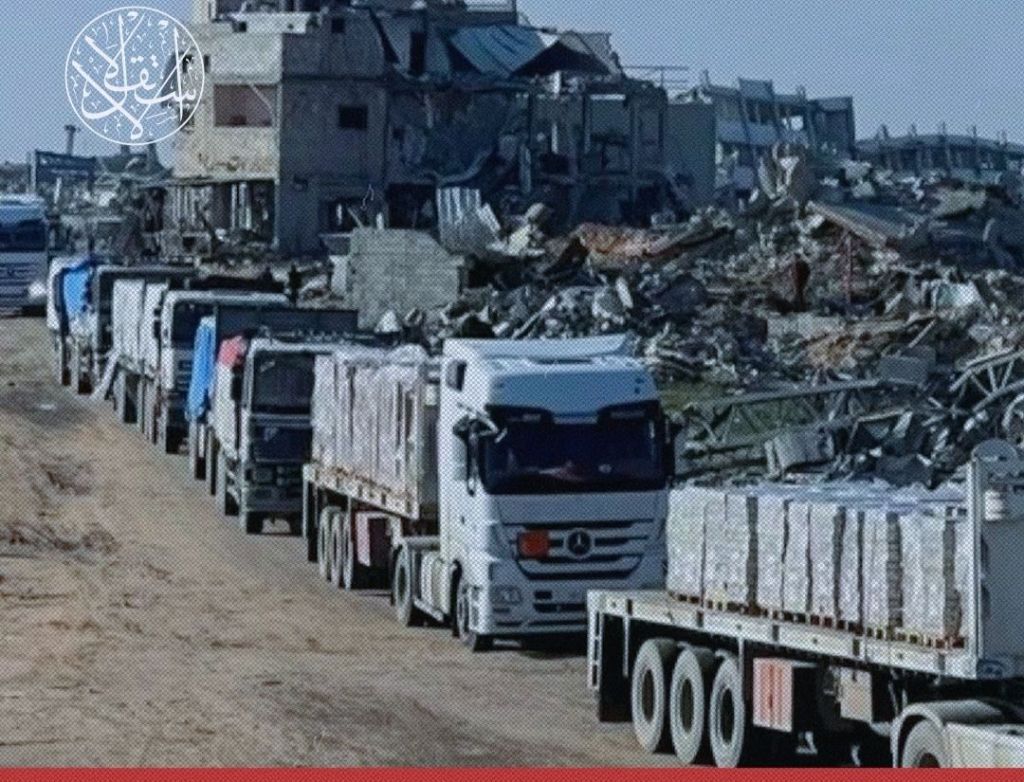
This ceasefire, therefore, is not a grand diplomatic conclusion but a humanitarian necessity. It allows the wounded to be treated, families to reunite, and aid to flow into shattered neighbourhoods. Yet, as history has repeatedly shown, the hardest question is not how to stop a war, but how to prevent the next one. Who governs Gaza when the dust settles? Some advocate an international administration; others propose a revitalized Palestinian Authority or a regional oversight council. Each option comes wrapped in contradictions and political landmines. Beneath it all lies a deeper, haunting query—will Gaza ever be allowed to define its own destiny?
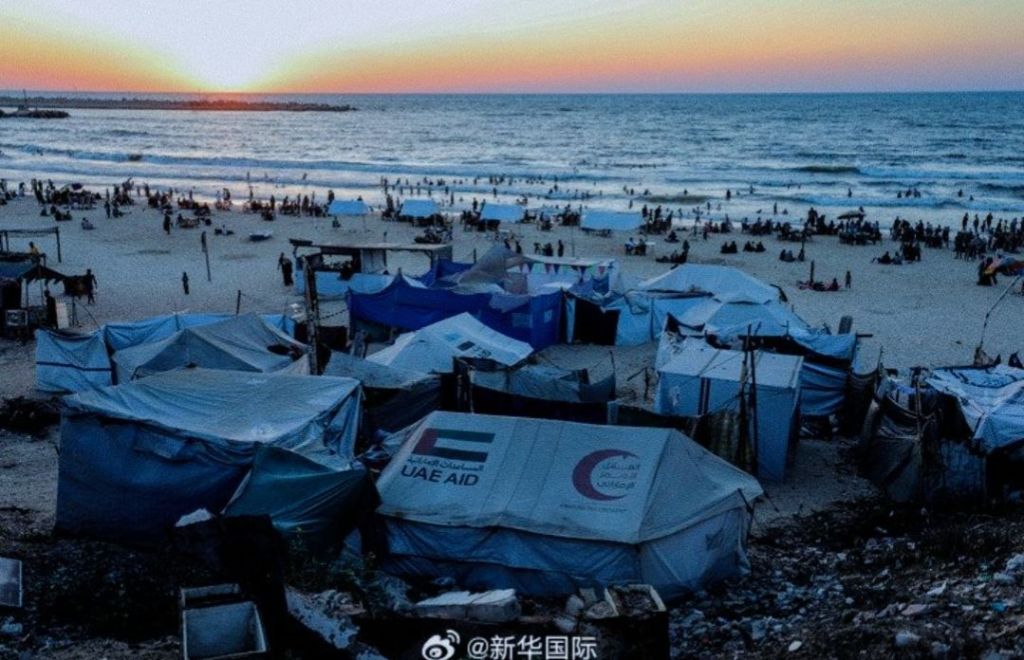
For Trump, the ceasefire offers political resurrection and renewed relevance on the world stage. For Netanyahu, it provides temporary relief from internal unrest and global criticism. For ordinary Palestinians and Israelis, it is a fragile thread of hope stretched across a chasm of fear. But no ceasefire, however well-timed or well-crafted, can substitute for justice. Without rebuilding Gaza’s hospitals and schools, without acknowledging the humanity of every victim, and without crafting a sustainable vision of coexistence, this truce will fade like so many others before it—into the long archive of forgotten peace deals.
Trump’s reported plan to visit Cairo and Tel Aviv may add diplomatic drama but little depth. His brand of deal-making thrives on optics, not empathy. As one Israeli analyst noted, “The Trump plan may stop the bleeding, but it doesn’t heal the wound.” True peace demands something infinitely rarer than negotiation tables—it demands moral courage. The courage to see the pain of the other, to admit shared culpability, and to replace domination with dignity.

For now, Gaza’s sky flickers with fireworks of fleeting joy, while Tel Aviv’s glasses clink with cautious relief. The guns are silent, but the grief still roars in the hearts of both nations. Until the region learns that real peace cannot be brokered—it must be built—the world will keep mistaking ceasefires for peace.
And so, this truce—hailed as historic and celebrated with fanfare—may, in time, reveal itself for what it truly is: a mirage of peace shimmering over a desert still burning with unhealed wounds.
Visit arjasrikanth.in for more insights
 SOCIAL PERSPECTIVES