A reform born to bring transparency and fairness instead exposed new cracks of secrecy, subjectivity, and suspicion—yet remains one of India’s most daring experiments in governance.
In April 2015, the Indian government decided to toss a live wire into its bureaucratic system by experimenting with how it chose its top mandarins. For decades, promotions and empanelment’s had leaned almost entirely on the Annual Performance Appraisal Report (APAR)—a dull ritual that made nearly every officer look like a glowing superstar. In the world of APARs, no one was ever mediocre, no one ever carried a blemish, and questionable integrity was politely airbrushed out. It was a comfortable fiction that made separating the exceptional from the average nearly impossible. Then came the 360-degree appraisal, also called Multi-Source Feedback (MSF), pitched as the radical cure to this credibility crisis.
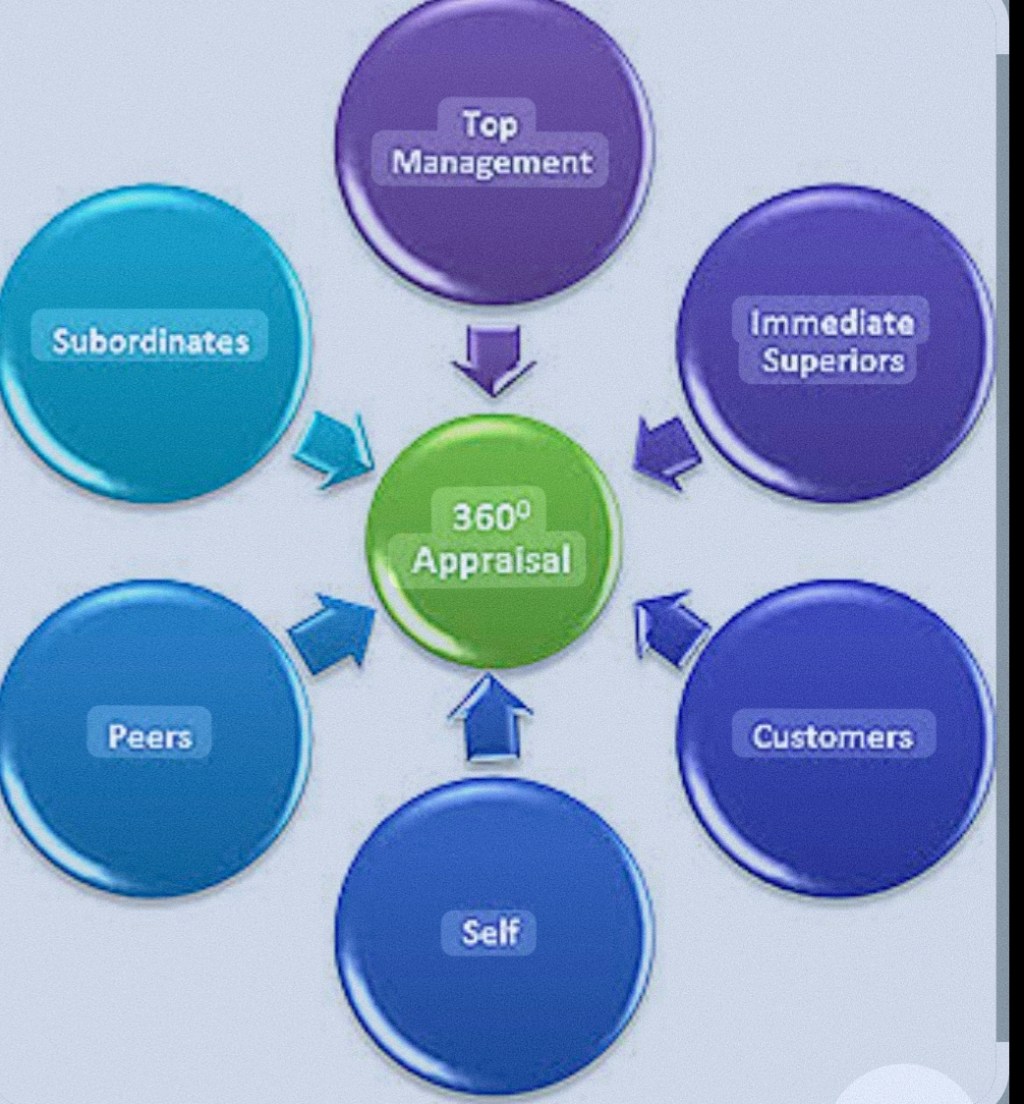
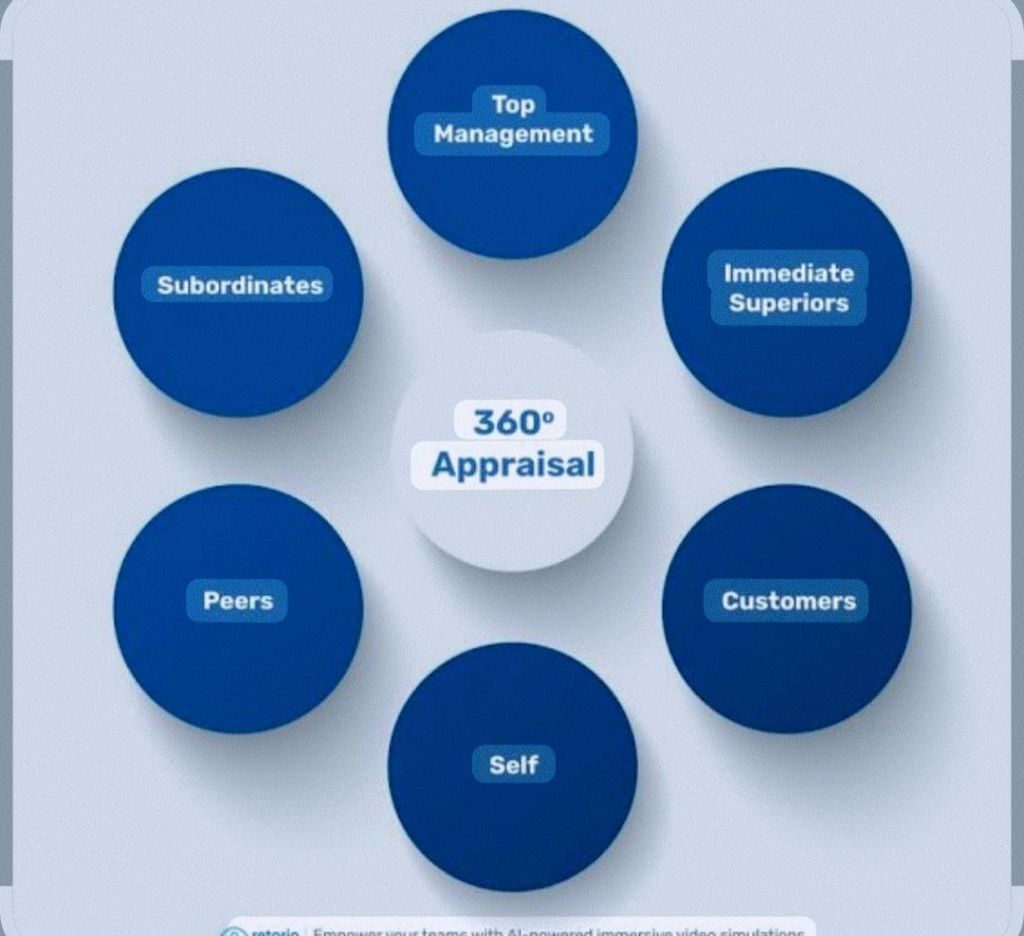
On paper, it sounded revolutionary. Instead of the usual top-down evaluation, MSF brought in voices from all sides—peers, juniors, and even outsiders who had dealt with the officer. A retired secretary-led panel would weigh inputs across multiple dimensions: integrity, domain expertise, delivery, behavioural skills, and leadership potential. It promised the holy grail—a holistic view of who deserved to move into the elite Joint Secretary club and above. Corporate firms had used it for decades as a tool of growth and coaching. But in the government’s hands, the 360 was repurposed as a gatekeeper: less about self-improvement, more about deciding who got the keys to the power corridors.
And that twist birthed its own storm. Officers suddenly found themselves being judged by invisible hands. Feedback could be coloured by grudges—a subordinate disciplined for misconduct, a peer jealous of reputation, or an external stakeholder carrying bias. Unlike APAR, there was no mechanism to appeal, no way to view adverse remarks, no chance to repair a dented image. For some, one mysterious whisper in the shadows was enough to block an empanelment. A parliamentary committee minced no words, branding the process opaque and arbitrary. What was intended as a spotlight of transparency ended up looking like a black box with moving levers.

The irony deepened when compared with corporate practice. In companies, 360-degree feedback is given directly to the individual, with space for dialogue and development plans. In the Indian bureaucracy, secrecy wrapped the process. Instead of an officer learning what to improve, careers could stall without explanation. A system that should have been about sharpening leadership skills became a sword dangling on invisible threads. Transparency, the very promise of MSF, morphed into its fatal flaw.
Yet, to trash the reform outright would be unfair. The intent was sound: India desperately needed to inject objectivity into its selection of leaders. The APAR system was incapable of distinguishing genuine talent from paper tigers. Seeking multiple perspectives was a bold step in principle. But intent without execution is like building an engine without oil—it sputters before it can drive change. The absence of clear guidelines, the refusal to disclose reasons for rejection, and the lack of integration with leadership development programs ensured the system was seen as arbitrary rather than transformative.
So what could rescue this spinning wheel from collapse? Lessons from global best practices hold clues. First, there must be limited disclosure. Officers denied empanelment deserve to know why, at least in broad terms, and be given an opportunity to represent their case. Second, guidelines must be transparent: how raters are chosen, how inputs are gathered, and how scores are aggregated. Third, competencies assessed should mirror the values of public service—citizen-first leadership, ethical decision-making, and resilience under pressure. Words like “integrity” or “behavioural competence” must be tied to observable behaviours, not subjective perceptions.
But reforms can’t stop at mechanics; they must touch culture. Multi-source feedback works only in environments of trust. Raters must believe their inputs will not be misused, and officers must believe the system exists to foster leadership, not settle vendettas. Building this culture means senior officers modelling openness, accepting their own feedback visibly, and integrating MSF into broader talent practices—training, succession planning, and performance reviews. A 360 must not be an annual guillotine; it must be part of a continuous loop of learning.
The truth is, the 360-degree experiment remains unfinished business. Subjectivity, opacity, and lack of recourse still plague it. But ignoring the effort entirely would be a mistake. The very fact that government attempted such a disruptive shake-up signals recognition that governance today demands more than file-pushing and hierarchy. It demands finesse, collaboration, ethical steel, and the ability to deliver results in complex, citizen-facing arenas. APARs alone could never measure that. A reimagined 360 just might.
The story of India’s 360-degree appraisal is, therefore, not a cautionary tale of failure nor a triumph of reform, but an unfinished circle. It is both risky and promising, dizzying and necessary. Dismissing it would mean clinging to mediocrity; refining it could mean sculpting a more accountable and citizen-centric bureaucracy. The circle may not yet be complete, but with transparency, fairness, and a developmental spirit, this spinning wheel could transform into a true compass—guiding India’s civil service toward integrity, performance, and trust in the decades to come.
Visit arjasrikanth.in for more insights
 SOCIAL PERSPECTIVES