
From Ireland to Iraq, Sri Lanka to Syria, every terror dream has ended the same way—broken societies, shattered lives, and footnotes of failure written in blood and rubble.
Terrorism has always pretended to be a torchbearer of liberation, justice, or identity, yet its handwriting is forever in blood, smoke, and despair. Across eras and continents, violent movements have promised revolutions but delivered only graveyards. No terrorist group in history has truly achieved its long-term political goals. They may shock, they may hold the spotlight, they may even seize land for a time—but history’s verdict is merciless: terrorism is a doomed strategy, built for destruction, not creation.

The failure is not in execution but in purpose. Terror groups can bomb cities with surgical precision, paralyze governments, or terrorize millions. Yet the power to horrify is not the power to govern. They cannot negotiate lasting settlements, nor build sustainable systems. Terrorism alienates the very people it claims to represent, while provoking overwhelming retaliation that eventually erases its existence.
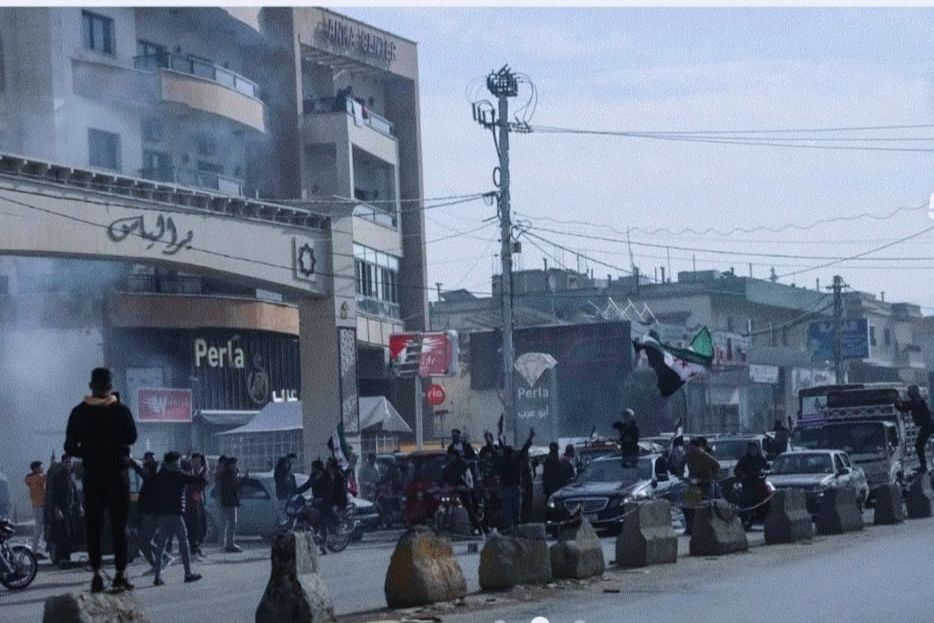
History is littered with proof. The Irish Republican Army’s decades of bombings and assassinations etched Northern Ireland into headlines but never united Ireland through force. The Good Friday Agreement of 1998—painstaking diplomacy, not explosives—brought peace. In Sri Lanka, the Liberation Tigers of Tamil Eelam (LTTE) rose as one of the most militarized insurgencies in the world, complete with a naval wing and an air arm. But their cruelty—suicide bombings, assassinations, child soldiers—isolated them globally. By 2009, the Sri Lankan state crushed them completely, leaving 100,000 dead and an entire society scarred.

Al-Qaeda’s September 11 attacks were designed to ignite a worldwide Islamic uprising. Instead, they triggered the largest global counterterrorism campaign in history, shattering their leadership and scattering their networks. ISIS went further, building the illusion of permanence by declaring a caliphate across Iraq and Syria, collecting taxes, running courts, and even minting currency. But its extreme brutality guaranteed its doom. An international coalition tore down its proto-state, leaving only rubble and millions displaced. Peru’s Shining Path, once hailed by its leaders as the vanguard of a peasant revolution, instead butchered villagers, collapsed after its leader’s capture, and is remembered as a nightmare, not a movement.

The story is the same everywhere: terror groups rise fast, overreach, and fall harder. They dominate headlines but collapse in history’s margins. Their violence annihilates schools, hospitals, and homes, but it builds nothing lasting. They trade in shock, not strategy; in chaos, not vision.
The human cost is unbearable. Generations grow up traumatized. Families disintegrate. Children become soldiers or victims. In Iraq, Syria, Afghanistan, Nigeria, and beyond, terrorism has left towns in ruin, marketplaces in ashes, and cultural treasures reduced to dust. It doesn’t empower communities; it hollows them out. Economies shrink, tourism dies, and trust evaporates. What is sold as liberation becomes life inside a cage of fear.

Why this inevitable failure? Because terrorism delegitimizes itself. By killing civilians, it alienates even potential sympathizers. States—weak or strong—cannot ignore terror; they respond with overwhelming force, often backed by global alliances. Inside the groups, divisions fester—leadership battles, corruption, criminal rackets. Most damning of all, terrorists cannot govern. They can control through fear and extortion, but they cannot provide stability, education, or prosperity. Their rule is chaos dressed as authority. No society can survive under such weight.

And the damage doesn’t end when they do. Even after terrorists are defeated, they leave scars: hardened divisions between communities, poisoned dialogue, authoritarian states empowered by fear, and societies too fractured to heal quickly. The militants may die, but their shadow lingers.
The lesson is universal. Terrorism is not a path to political victory. Where bombs have failed, ballots have succeeded. Where violence left ashes, negotiation and inclusion brought fragile but real reconciliation. Dialogue, diplomacy, and democracy may be slow and messy, but they are the only tools that build. Terror groups fantasize about rewriting history, but history reduces them to failed footnotes, remembered only for the devastation they unleashed.
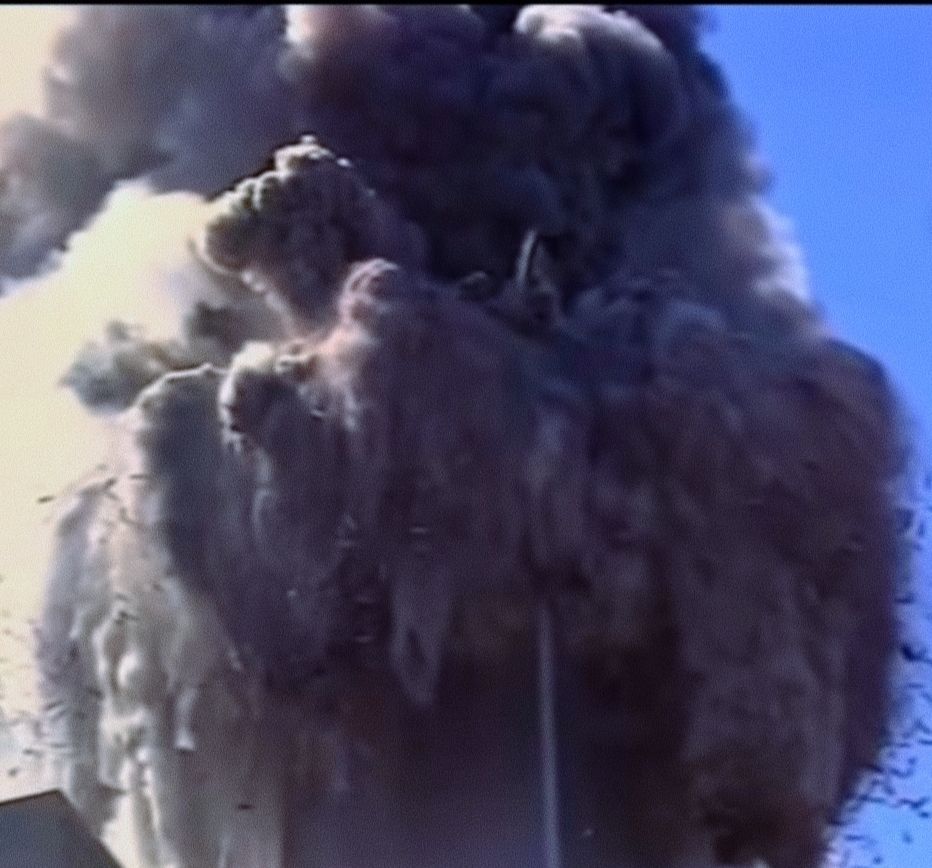
In the end, terrorism is not revolution but a self-consuming fire. It promises paradise and delivers wastelands. It fights in the name of the future but erases the present. Its only true legacy is suffering—the ashes on which no future can ever be built.
Visit arjasrikanth.in for more insights
 SOCIAL PERSPECTIVES