In the ashes of Gaza’s war, diplomacy flickers again—offering Israelis and Palestinians not just a map of borders, but a fragile path to dignity, legitimacy, and lasting peace.
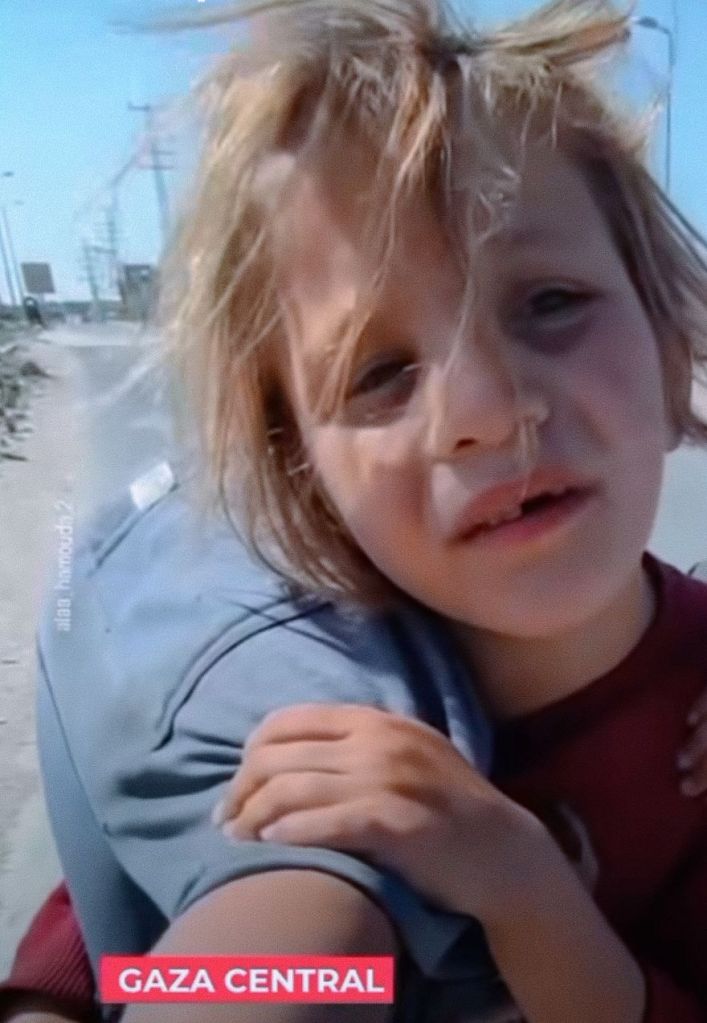
The world’s gaze once again locks on the fragile strip of land between the Jordan River and the Mediterranean, a place where heartbreak and hope seem destined to collide in endless cycles. The war in Gaza has not only reduced neighbourhoods to rubble and lives to statistics, but it has also reignited one of the most urgent debates of our time: the two-state solution. What began as yet another military campaign spiralled into a humanitarian catastrophe, forcing nearly a million civilians to make an impossible choice—remain in homes pounded by airstrikes or flee south into overcrowded shelters where safety is little more than an illusion. And yet, within this chaos, the two-state formula has resurfaced—not as an academic exercise, not as a diplomatic soundbite, but as the only roadmap with real international traction.
The tragedy is human at its core. For Palestinians, every day without a political horizon is a day of displacement, despair, and futures stolen before they can even begin. For Israelis, the trauma of October 7 lingers like a wound that refuses to heal, raw with the anguish of families who still await the release of hostages held by Hamas. Some plead for restraint, terrified their loved ones might be obliterated in retaliatory strikes; others demand unrelenting force to end the nightmare once and for all. These diverging voices embody the impossible contradictions of a society torn between justice and mercy, vengeance and reconciliation.
Even in this turbulence, diplomacy stirs faintly, like an ember in the ashes. Western capitals increasingly admit what reality screams: military might, however decisive it may appear, cannot substitute for political solutions. U.S. President, speaking at the United Nations, emphasized negotiations and hostage release as twin pillars of any peace worth having. Donald Trump, suddenly re-emerging into the global conversation, inherits a peculiar responsibility. In his earlier term, he brokered a deal that secured partial Israeli withdrawal from Gaza in exchange for hostage releases. Phase one was implemented, offering a rare glimpse of possibility. But the second phase—full withdrawals and comprehensive releases—never materialized. The fragile bridge to peace was abandoned mid-construction, leaving both sides stranded in familiar hostility.
The cost of these delays is staggering. Israel has lost over sixty soldiers in recent fighting, while its diplomatic standing grows increasingly precarious. Allies warn that continued conflict risks not only entrenching Hamas but also eroding Israel’s long-term legitimacy. Many analysts insist that the January agreement, though imperfect, was the most viable path forward—and that reviving its spirit may be the only realistic escape from the cycle of destruction.
Meanwhile, the political map is being redrawn in quiet but significant ways. France, the UK, Canada, Australia, and Portugal have joined the growing ranks of nations recognizing Palestine as a state. These symbolic gestures may not yet shift realities on the ground, but they reshape the imagination of global politics. For Palestinians, such recognition affirms dignity and sovereignty long denied. For Israelis, it sends an unambiguous signal: annexationist policies and permanent occupation carry a steep diplomatic cost.

Symbolism, often dismissed as hollow, matters deeply in conflicts like these. Every recognition vote, every flag raised in solidarity, whispers to Palestinians that they are not forgotten casualties but a people with rightful claims. For Israel, these acts are warning flares, highlighting the danger of prioritizing short-term territorial control over long-term legitimacy. Annexationist moves, debated openly within Israeli politics, threaten to unravel delicate accords with Arab states such as the UAE and Saudi Arabia. The normalization promised by the Abraham Accords, painstakingly cultivated, risks collapse if Palestinians continue to see no future of their own.

The United States remains the indispensable pivot. For decades, both Democratic and Republican administrations have paid homage to the two-state vision, but rarely with the relentless pursuit needed to make it real. The Abraham Accords showcased diplomacy’s ability to realign the Middle East, yet their survival hinges on whether the Palestinian question is meaningfully addressed. Without progress there, normalization becomes brittle, easily shattered by the rage of grassroots protests and the tremors of regional instability.
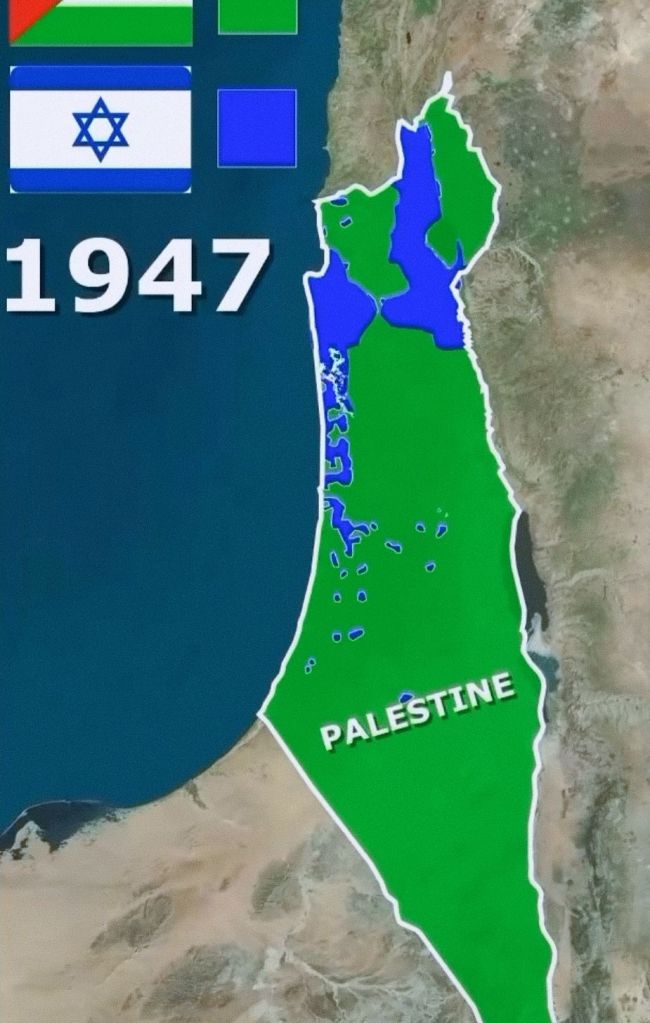
Of course, the road ahead is steep and littered with obstacles: contested borders, the fate of Jerusalem, the right of return, and security guarantees that satisfy both sides. But the two-state solution endures as the only framework with near-universal international endorsement. Alternatives like indefinite occupation or unilateral annexation are not only unsustainable but morally indefensible. Each new recognition of Palestine raises the cost of delay, amplifying the urgency for decisive action.
At its essence, the two-state vision is not about maps drawn in conference rooms; it is about dignity. It is about Palestinians building lives without the weight of checkpoints and exile, and Israelis raising children without rockets in the sky or the trauma of hostages in the shadows. For families still waiting for closure, it is a fragile but vital hope. For the region, it is a chance to replace decades of bloodshed with the possibility of cooperation and stability.

The future hangs in the balance of choices made today. Leaders must revive diplomacy, honor past agreements, and merge humanitarian urgency with political will. The two-state solution can no longer be a dusty slogan retrieved only in times of crisis—it must become the bedrock of peace. Without it, the Middle East risks eternal cycles of war and displacement. With it, however fragile, lies the prospect of coexistence.
Two flags fluttering side by side may look like a dream deferred. But in a world exhausted by conflict, even that faint horizon is worth pursuing. Because within that dream lies not only the end of war but the beginning of peace—not as a pause between battles, but as the enduring rhythm of life.
Visit arjasrikanth.in for more insights
 SOCIAL PERSPECTIVES