
In a world ruled by AI, automation, and digital disruption, surviving the next decade demands more than a diploma—it demands adaptability, curiosity, and a mindset that can learn, unlearn, and relearn at warp speed.
The world of work is transforming at an unprecedented pace. Jobs that were once considered stable—engineering, accounting, management—are being reshaped by automation, artificial intelligence, and data-driven decision-making. The ink on a college degree may barely dry before the position it promised ceases to exist. For today’s youth, the challenge is crystal clear: textbooks alone won’t secure a future. The real passport to opportunity lies in adaptability, resilience, digital fluency, and a mindset that declares, “I’m ready to learn, unlearn, and relearn.”

Businesses are increasingly sounding the alarm. Growth now hinges not on rote memorization but on creativity, critical thinking, and the ability to blend technology with human understanding. Digital capabilities—coding, analytics, cybersecurity, and AI literacy—have become mandatory, not optional. At the same time, soft skills remain indispensable. Curiosity, emotional intelligence, empathy, and the humility to accept feedback define the workforce of the future. Tomorrow’s résumé will be less about degrees and more about mindset, problem-solving ability, and a willingness to embrace change.
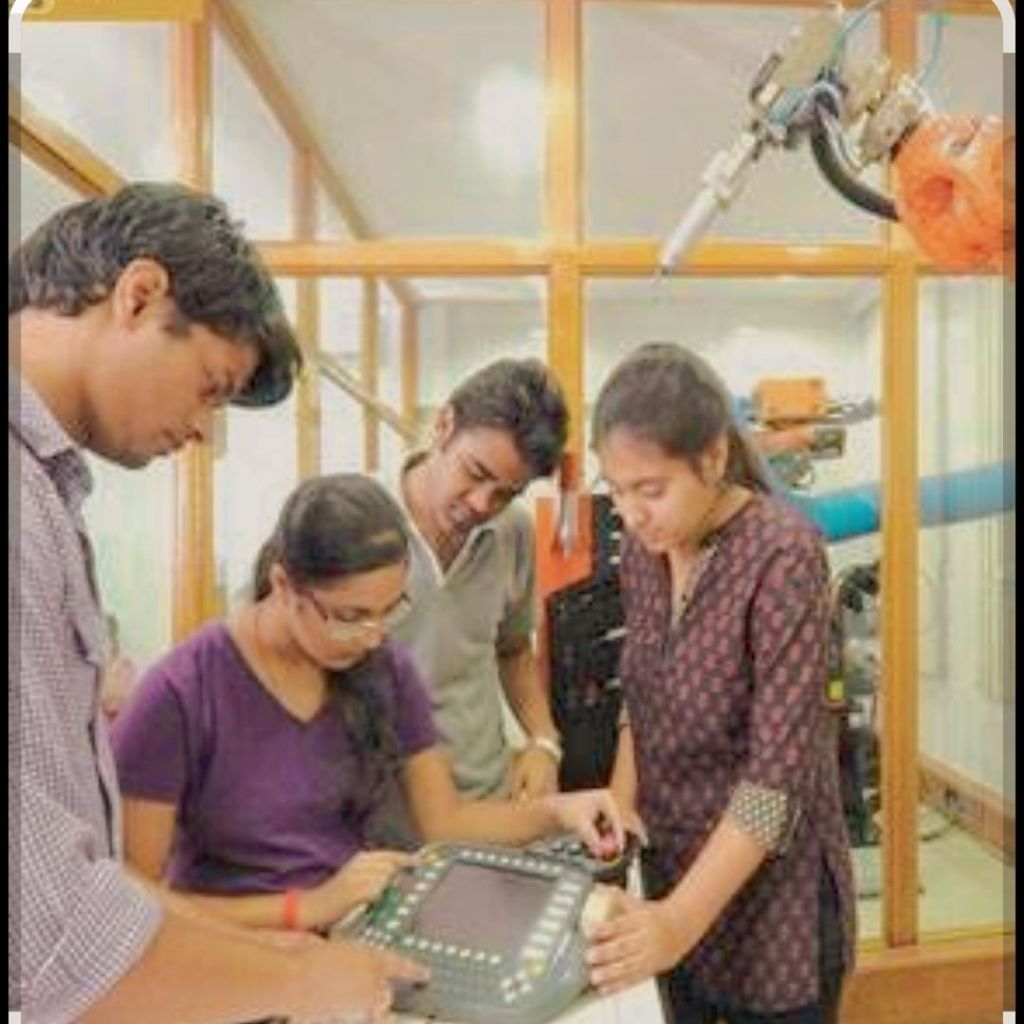
Yet education systems are lagging behind. Many classrooms remain trapped in outdated curricula, teaching theory without equipping students with practical life skills such as financial literacy, entrepreneurship, and digital problem-solving. Graduates can write flawless essays but often struggle to analyse data, negotiate with peers, or make decisions under pressure. This misalignment between education and the demands of the modern workplace carries enormous costs for both individuals and economies striving for innovation.
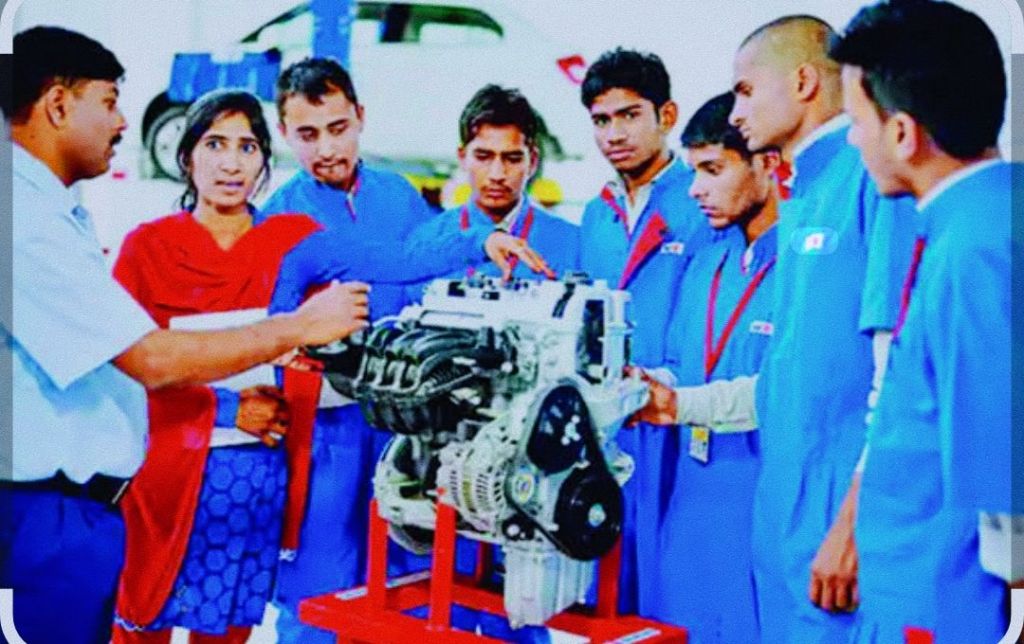
Global efforts are attempting to close this gap. Youth-focused initiatives are connecting millions to jobs and entrepreneurial opportunities, emphasizing skill-building that translates into tangible outcomes. When young people acquire practical, relevant skills, the impact multiplies—enhancing not only personal prospects but also community resilience and broader economic growth. Skill-building becomes a lever for innovation, fostering circular economies, social progress, and sustainable development.

The private sector plays an essential role in this transformation. Companies can no longer remain passive, expecting higher education to produce job-ready talent. They must actively shape pipelines by collaborating with educators, creating apprenticeships, and developing mentorship programs. Start-ups naturally attract young talent due to their fast-paced learning environments; larger firms must adopt similar models, offering experimentation, continuous upskilling, and growth opportunities. Failing to do so risks losing ambitious workers to environments that value agility over tradition.

Equity is a central component of this challenge. Women, rural populations, and marginalized communities are too often excluded from the skills revolution. Ignoring these groups is not just socially unjust—it is economically short-sighted. Untapped talent equates to lost ideas, innovations, and revenue streams. Programs that pair technical skills with mentorship, financing, and entrepreneurial pathways can unlock immense potential. Imagine the impact when rural youth integrate digital tools to improve agriculture or develop technology solutions for local challenges. Inclusion is not a secondary goal—it is the engine of growth.

Yet beyond skills and tools, one factor remains irreplaceable: attitude. Technical expertise can be taught, and software evolves constantly, but qualities like humility, resilience, curiosity, and patience cannot be automated. Employers seek workers who approach challenges as puzzles, collaborate without ego, and contribute to innovation. Organizations that cultivate such mindsets create fertile environments for creativity, problem-solving, and sustainable progress.
The urgency for action cannot be overstated. Governments must modernize curricula, incorporate digital literacy from an early stage, and fund large-scale reskilling initiatives. Businesses must invest in learning ecosystems and partner with educational institutions rather than merely hiring ready-made talent. Universities should embrace modular, flexible learning models that prepare students for evolving careers rather than static degrees. Young people themselves must internalize learning as a lifelong journey, recognizing that relevance is earned, not inherited.

The next decade will belong not to those clinging to outdated qualifications but to those who combine digital fluency with empathy, resilience with adaptability, and ambition with humility. The future is not waiting—it is racing forward. For today’s youth, the message is clear: the only way to keep pace is to continuously build the skills that will define tomorrow’s world. Adaptability, creativity, and attitude are the ultimate currency in a rapidly changing landscape. Degrees may open doors, but mindset and skill will keep them open.
Visit arjasrikanth.in for more insights
 SOCIAL PERSPECTIVES