
From Washington’s careful handshakes to Beijing’s debt-draped embrace and Riyadh’s billion-dollar temptations, Pakistan’s global ascent looks dazzling on paper—but without reform, resilience, and reality, it risks being nothing more than a shimmering illusion.
Every few years, Pakistan reinvents its vocabulary of hope. Slogans promising rebirth, redemption, and reinvention sweep through its political corridors like seasonal winds. The latest avatar is “Naya Pakistan,” a phrase injected with fresh oxygen after the general election of February 2024 and the formation of a government that claimed a decisive mandate. The rhetoric is familiar yet freshly packaged: Pakistan will no longer be a mere spectator in global affairs but will stake a seat at the world’s high table with confidence, sovereignty, and envy-inducing prestige. The fanfare is deafening, the gestures grand, and the optics carefully curated. With congratulatory phone calls from Washington, reassurances from Beijing, and billion-dollar promises from Riyadh, it appears the world is listening. Yet beneath the surface of headlines and hashtags lies a harder truth—Pakistan’s global positioning is still more mirage than milestone.
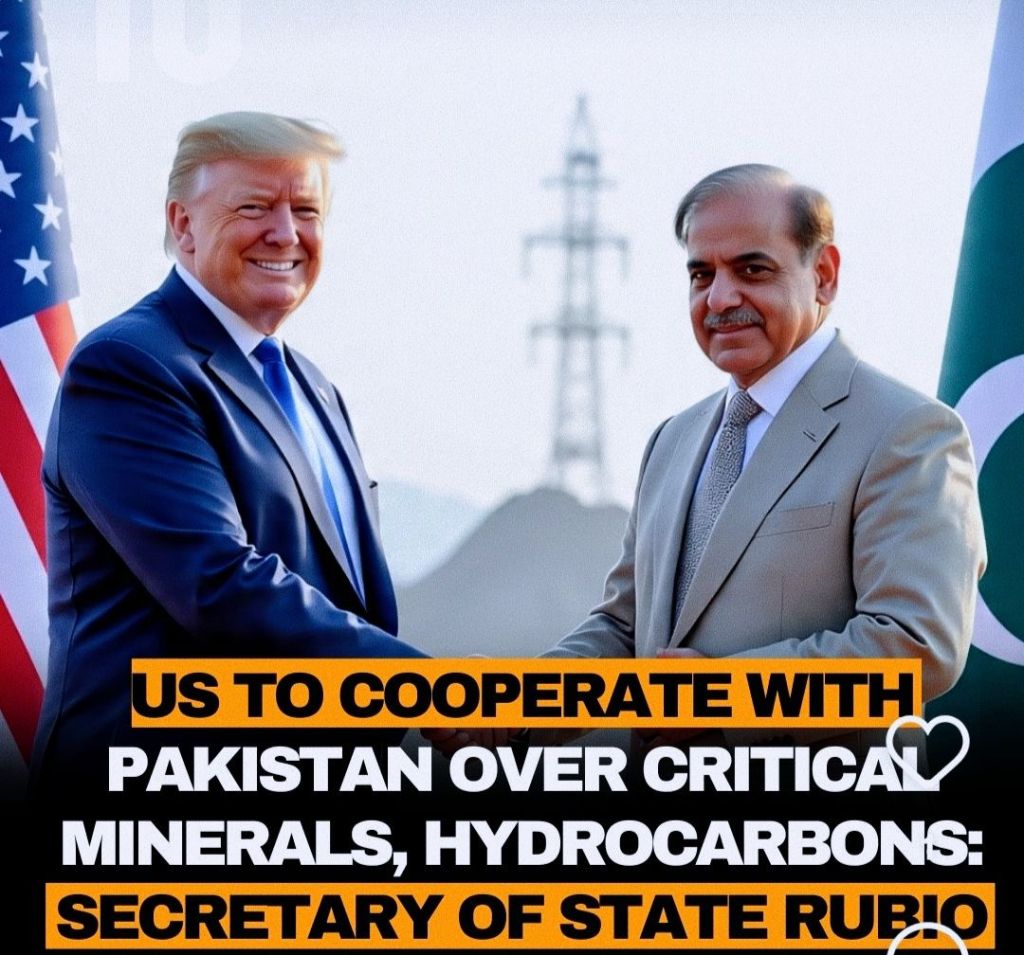
Take Washington’s sudden warmth. A phone call from the U.S. President to the newly minted Prime Minister, swiftly followed by visits from senior diplomats like Donald Lu and Elizabeth Horst, sent ripples through Islamabad’s power corridors. For some, it was validation; for others, a reminder that America never really leaves Pakistan. But Washington’s motives remain pragmatic rather than affectionate. For the United States, Pakistan is indispensable in matters of regional security, particularly when dealing with Taliban-controlled Afghanistan. It is also a hedge to ensure Islamabad doesn’t tilt completely into China’s orbit. A stable Pakistan prevents South Asia from spiraling into chaos. But admiration should not be confused with affection. The embrace is careful, conditional, and always weighed against Washington’s deeper ties with India.

Then comes China, Pakistan’s so-called “iron brother.” Beijing’s loyalty is predictable, but it is no less transactional. The China-Pakistan Economic Corridor has evolved into the artery of Beijing’s Belt and Road Initiative stretching into Afghanistan and Central Asia. In this vision, Pakistan is both conduit and canvas—an example of how Chinese infrastructure diplomacy shapes geopolitics. But Chinese engagement is never charity; it is a binding mix of debt, investment, and influence. Loans demand repayment, projects demand political alignment, and overdependence risks turning sovereignty into a pawn. Pakistan may see China as savior, but the long-term balance sheet may one day tell a very different, more sobering story.
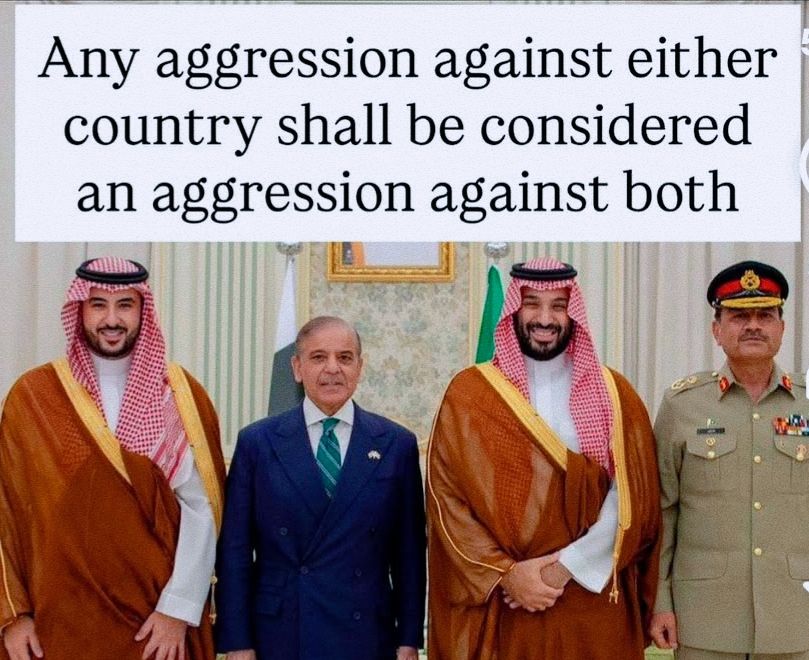
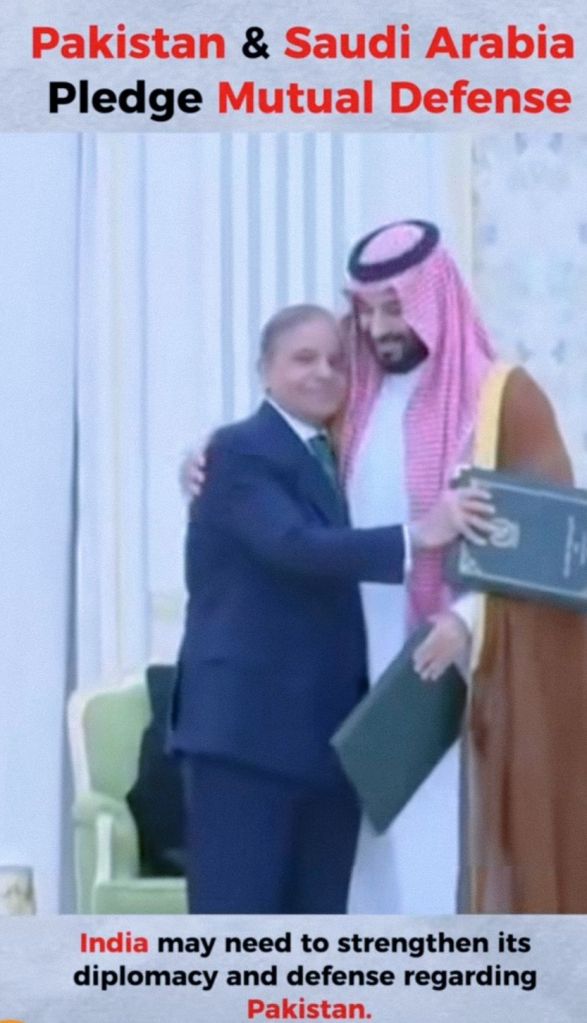
The Saudi pivot is perhaps the most surprising. Once limited to bailouts and labour remittances, Riyadh now arrives dressed in the language of partnership. Under Vision 2030, Saudi Arabia is diversifying beyond oil and sees in Pakistan a youthful workforce and untapped resource base. A $5 billion package targeting mining, agriculture, IT, and energy represents not generosity but strategy. Unlike previous lifelines, this is equity-based cooperation designed for returns. For Islamabad, it is a chance to replace dependence with durable partnership. Adding further weight, Pakistan and Saudi Arabia have now signed a landmark Strategic Mutual Defence Agreement, pledging that aggression against one will be treated as aggression against both. It is the first formal defense pact of its kind since Pakistan’s Cold War alignments, hailed as a watershed moment. Yet the pact also risks entangling Pakistan in Saudi Arabia’s rivalries, particularly with Iran, while being closely scrutinized by India. For all its promise, Saudi support too comes with expectations—stability, accountability, and policy continuity. These are tall demands in a country where political rivalries often derail even basic governance.
Why now? The timing is a neat convergence. The election, however contested, has offered a semblance of political clarity. The new government has a platform, however shaky, to engage internationally. Economic desperation has made Pakistan more pliant and open to partnerships. The intensifying U.S.-China rivalry has ironically boosted Pakistan’s leverage, since neither bloc wants to lose Islamabad to the other. And Afghanistan remains the eternal problem-child, forcing powers to engage with Pakistan despite decades of disappointment.
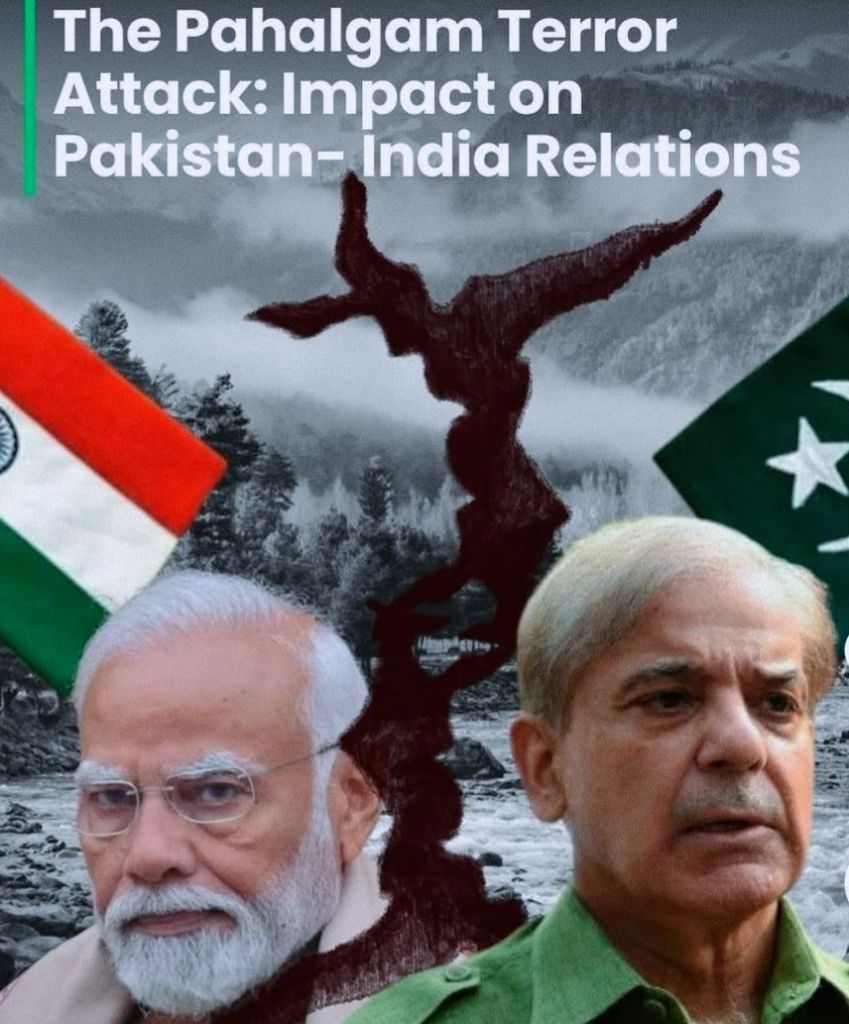
But optimism should not cloud the realities. Structural weaknesses are chronic. The economy groans under low taxation, stagnant exports, and weak governance. No foreign package can substitute for serious domestic reform. Internal instability, bitter polarization, and terrorism continue to scare away investors. Debt dependency, especially on China, deepens vulnerabilities. And looming always is India, the unavoidable elephant. Washington, Brussels, and the Gulf increasingly prioritize ties with New Delhi, and by most metrics—diplomatic, economic, military—India has already pulled far ahead. Pakistan’s global rise will always be judged against this benchmark, and the comparison is rarely flattering.
The dream of “Naya Pakistan” at the global high table, then, is both tantalizing and treacherous. Gestures, optics, and slogans are not enough. To turn fleeting recognition into lasting stature, Pakistan must pivot from geopolitics to geo-economics, diversify its partnerships, and stabilize relations with neighbours—even if that means swallowing the bitter pill of engagement with India. Above all, it must build resilient institutions strong enough to survive political turnover.
For now, Pakistan is courted not out of affection but out of necessity—security, balance, and strategic stakes. Whether that necessity evolves into permanence depends less on Washington, Beijing, or Riyadh, and more on Islamabad itself. “Naya Pakistan” may have secured a symbolic seat at the table, but whether it remains there as an equal or merely a guest depends on reform, resilience, and reality. A mirage wearing a crown dazzles from afar, but unless substance replaces shimmer, the desert winds of geopolitics will scatter it as quickly as they assembled it.
Visit arjasrikanth.in for more insights
 SOCIAL PERSPECTIVES