
“Unmarried, Unheard, Unstoppable: The Untold Revolution of India’s Single Mothers”
India loves to project itself as the land of timeless traditions, resilient families, and unshakable bonds, but beneath that shining image lies a truth the nation has long preferred to ignore—the relentless, unrecognized struggles of millions of single mothers who carry the weight of entire households on their shoulders. Widowed, divorced, separated, deserted, or never married, these women are more than survivors. They are the backbone of countless families, yet society continues to trap them in a web of silence, stigma, and systemic neglect. Their story is not one of weakness but of sheer endurance in a country where structures are stacked against them. Unless India confronts their plight with intent and urgency, the cost will not just be borne by women but by the very future of the nation.
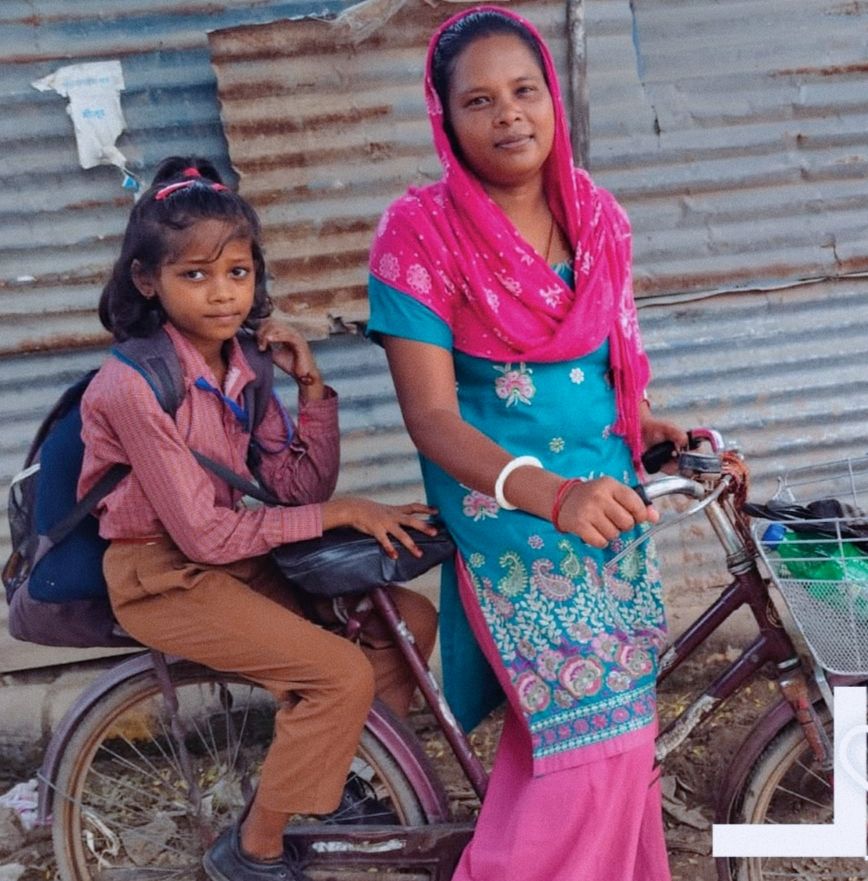
The most pressing crisis they face is economic instability. When the husband’s income vanishes through death, abandonment, or separation, a family’s financial ground collapses overnight. Many single mothers had already paused careers to raise children, and that career break becomes a barrier almost impossible to overcome. Those who re-enter the workforce find themselves pushed into the informal economy, scraping by with low wages and no security. The gender pay gap adds insult to injury, and the spiralling costs of education, healthcare, rent, and childcare crush any semblance of financial stability. Imagine surviving on a single income that must stretch across school fees, groceries, medical bills, and rent—every day is a battle against numbers that rarely add up.
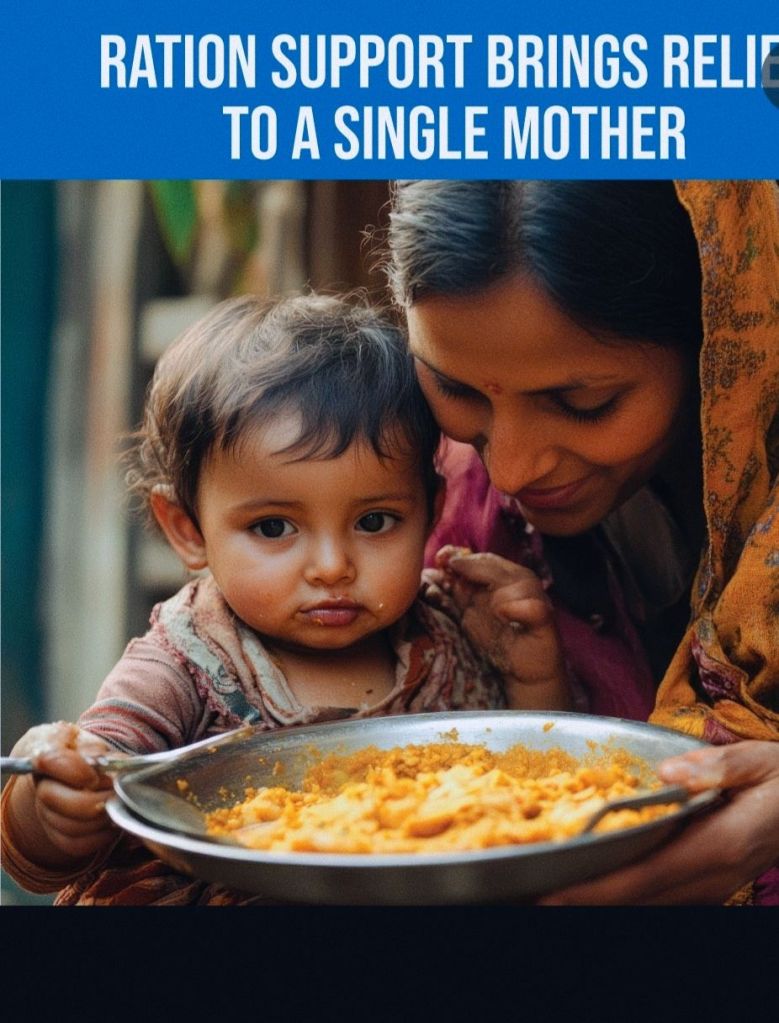
But money is only one dimension of the storm. Single mothers are forced to weather the cruelty of stigma in a society that still views them as incomplete, unlucky, or morally suspect. Landlords hesitate to rent them homes, neighbours gossip, and schools quietly isolate their children. Judgment stalks them everywhere, from whispers in extended families to outright discrimination in workplaces. The loneliness that comes with this exclusion gnaws at them, often manifesting as depression or anxiety. Add to this the endless courtroom battles for custody, alimony, or maintenance—cases that drain their savings, test their patience, and break their spirits.
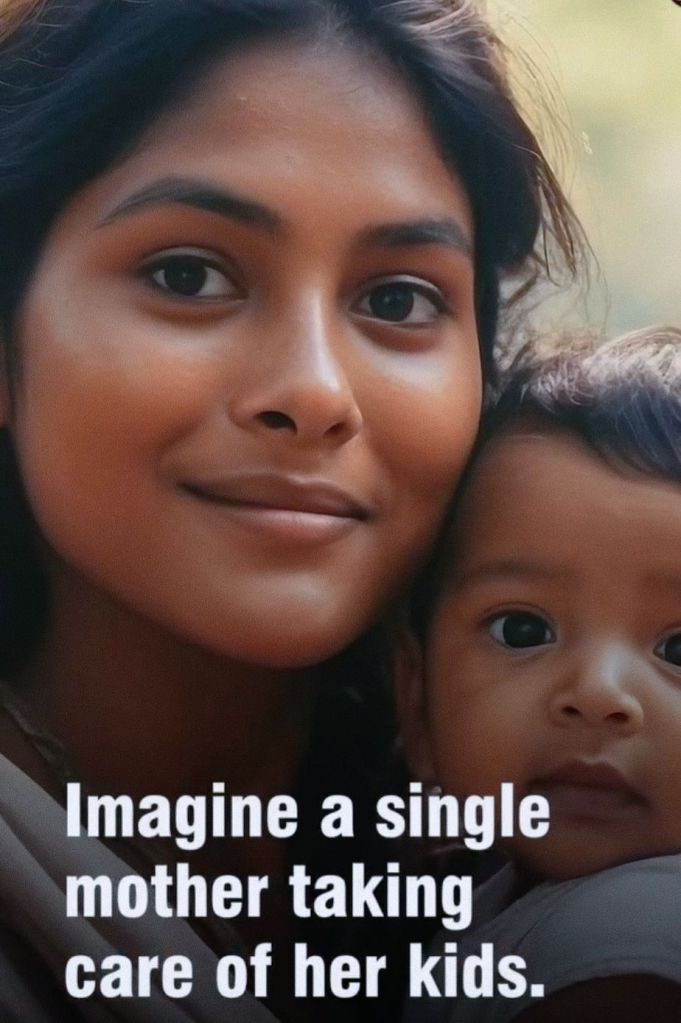
Housing insecurity only deepens the wound. With no rights over ancestral property and little chance of inheriting matrimonial homes, many are left to beg landlords who charge a premium for the “risk” of renting to a single mother with children. Even when they manage to secure shelter, it often comes at the cost of dignity. All the while, these women juggle the triple load of being breadwinner, caregiver, and homemaker, a balancing act that inevitably ends in exhaustion.
Their children too pay a hidden price. They live under the shadow of an absent father in a culture that venerates two-parent households. Questions from peers, whispered judgments from relatives, and society’s constant reminders that they are “different” leave lasting scars. Access to good education or healthcare is often compromised, not because of lack of will but because of lack of resources. Supporting single mothers, therefore, is not just about gender justice but about safeguarding the futures of millions of children.
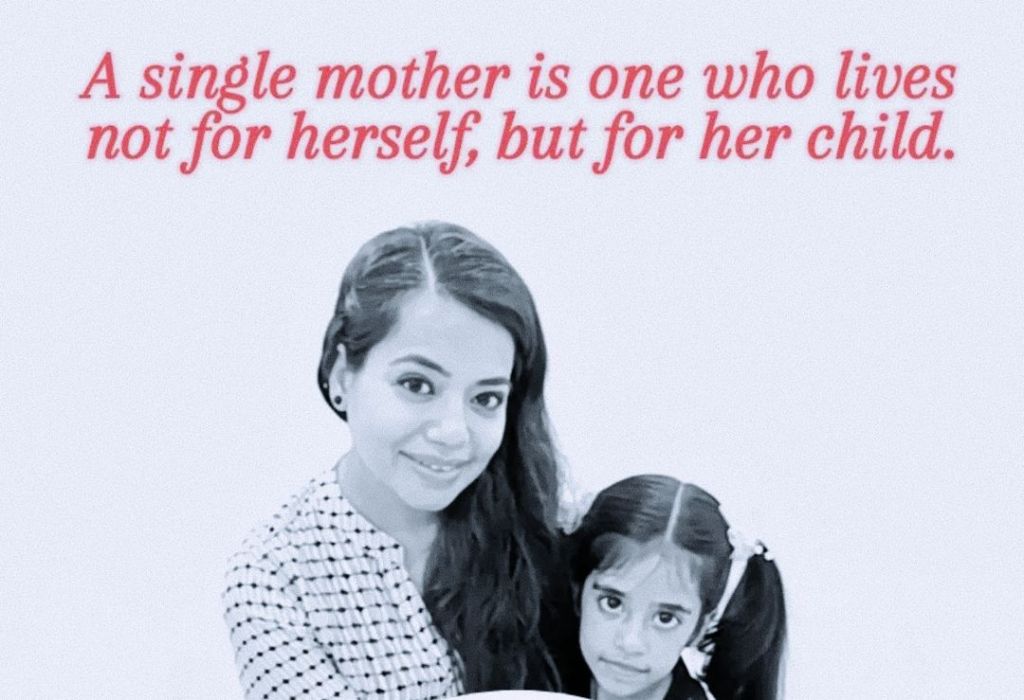
And yet, the picture is not entirely bleak. India has the seeds of solutions—it simply needs the will to nurture them. Government schemes provide a foundation. The Pradhan Mantri Matru Vandana Yojana offers financial assistance for mothers. Widow pensions under the National Social Assistance Programme, amplified by state initiatives like Andhra Pradesh’s Pension Kanuka, offer dignity in survival. Housing programs such as PMAY prioritize women, directly confronting housing insecurity. Scholarships in Tamil Nadu and Kerala for children of single mothers prove that states can make a tangible difference.

Beyond the government, NGOs and corporates have taken important steps. Support networks like Single Mothers India offer counselling, legal aid, and skill training. Corporates such as Tata Group, SBI, and IT majors are opening doors through flexible work hours, on-site crèches, and return ship programs for women restarting careers. These interventions are not luxuries—they are lifelines. Meanwhile, community-driven models like Self-Help Groups in Andhra Pradesh, Telangana, and Kerala have shown the transformative power of collective action. Through micro-credit and entrepreneurship, they help single mothers reclaim dignity, independence, and social standing.

The way forward, however, requires scale, urgency, and empathy. India must consolidate existing welfare measures into a single, comprehensive policy framework for single-parent households. Legal aid services need expansion so no woman is left stranded in endless litigation. Banks must innovate with softer loan products for single mothers, enabling education or small enterprises. Affordable childcare infrastructure must be built on a war footing, possibly linked with upgraded Anganwadis. Most importantly, a nationwide sensitization campaign is needed to shatter the stereotypes that cage single mothers in silence. This is not just policy—it is a social revolution.
Corporates too must bear responsibility beyond tokenism. Including “support for single mothers” in ESG metrics would ensure accountability and make inclusivity measurable. Scaling successful NGO and SHG models nationally could ensure that geography or lack of awareness does not deny a single mother her rights or dignity.
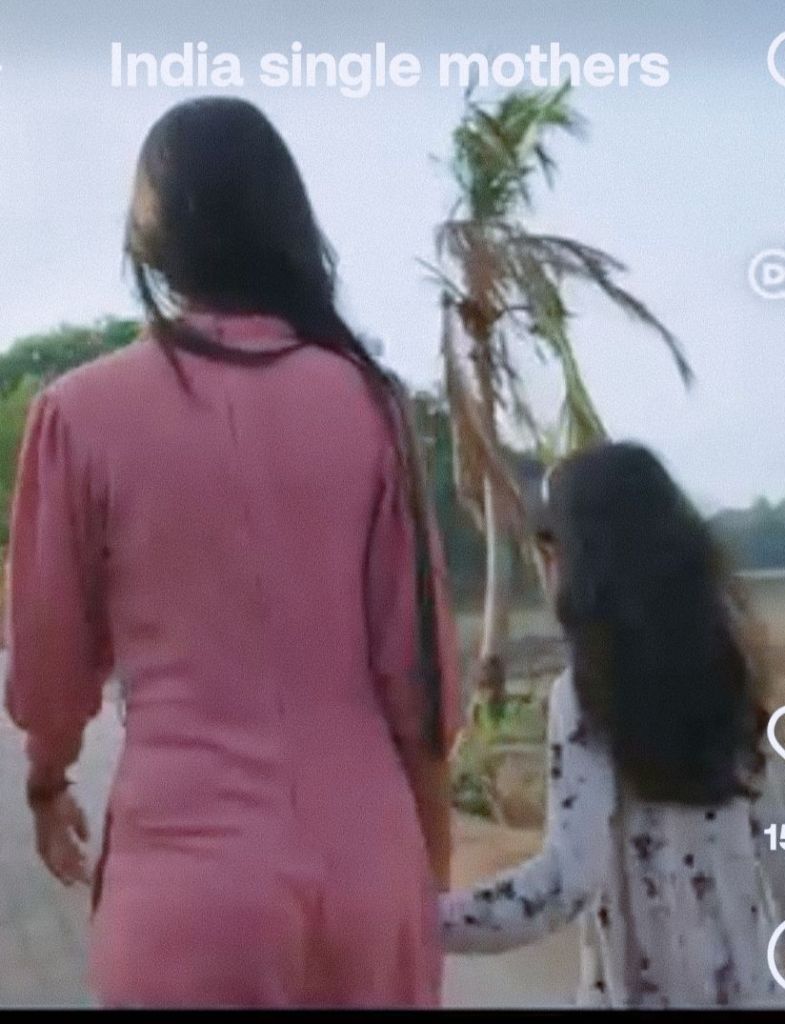
In the end, the story of single mothers is not one of despair but of untapped power. They are not victims of broken homes but builders of resilient futures. Their struggles are India’s blind spot, but their strength is India’s hidden treasure. Supporting them is not charity—it is investment in human capital, in equality, and in the nation’s progress. A society that uplifts its single mothers uplifts itself. India already has the tools, the models, and the knowledge. What it needs now is the intent, the urgency, and the courage to break the chains that bind them. Only then will single mothers transform from silent sufferers into celebrated symbols of strength, rewriting India’s social fabric with their unstoppable spirit.
Visit arjasrikanth.in for more insights
 SOCIAL PERSPECTIVES
One response to ““Half the Sky, Twice the Burden: India’s Silent Revolution of Single Mothers””
Well said… What you mentioned about the suffering of a single mother was absolutely correct… Being a single mother of two kids I faced all issues you mentioned.. still we live with no hope and support from society and even near one’s… But have to fight for the kids …. No one take stand and stood for us… Every one will give speech but in reality we have to run beyond the boundaries to feed our kids… Hope this society and government should have some concern….. Thank you. Bhanu
LikeLike