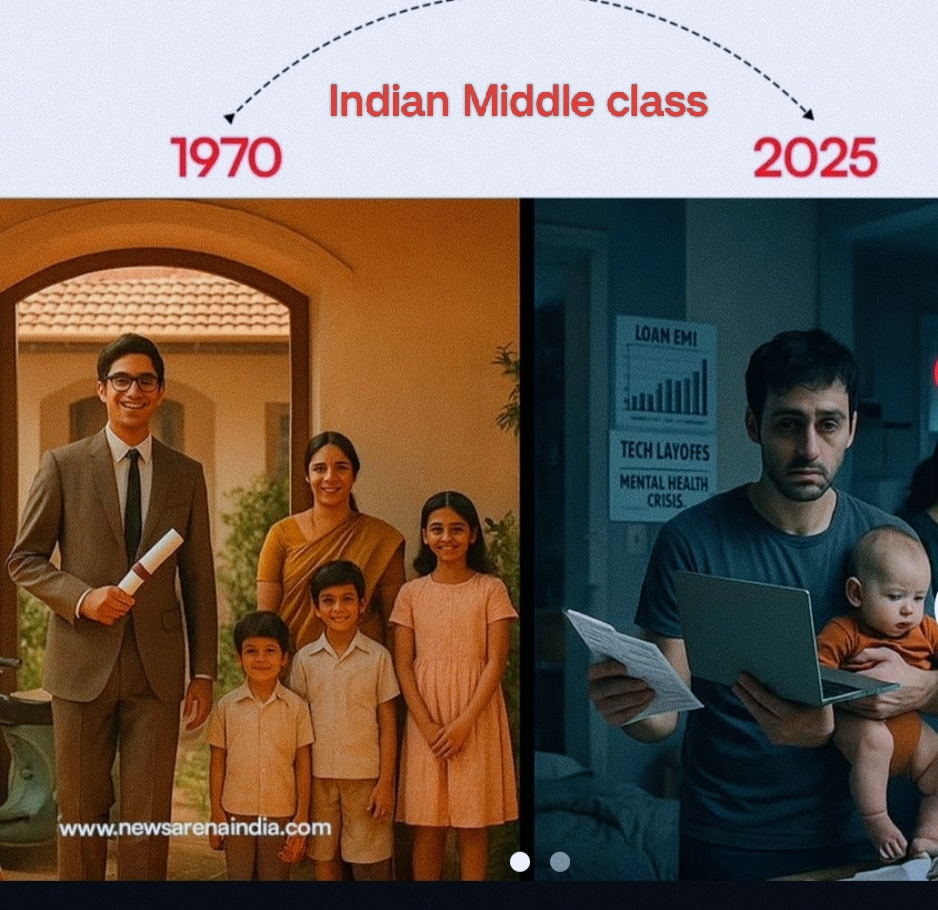
From scooters to smartphones, this restless engine of the economy runs on dreams, debt, and the endless chase for more.
There is something intoxicating about the idea of escape. For some it comes in a drink, for others in a weekend binge on OTT platforms, and for millions it comes in shopping. The mall, the e-commerce cart, the little thrill of a new shirt or a brand-new scooter—these have become the coping mechanisms of a generation trained to work hard, worry endlessly, and dream of upward mobility. As sociologists put it, consumption is the drug of the modern middle class. It is distraction, it is aspiration, and it is also the engine that keeps the world’s fastest-growing economy humming.
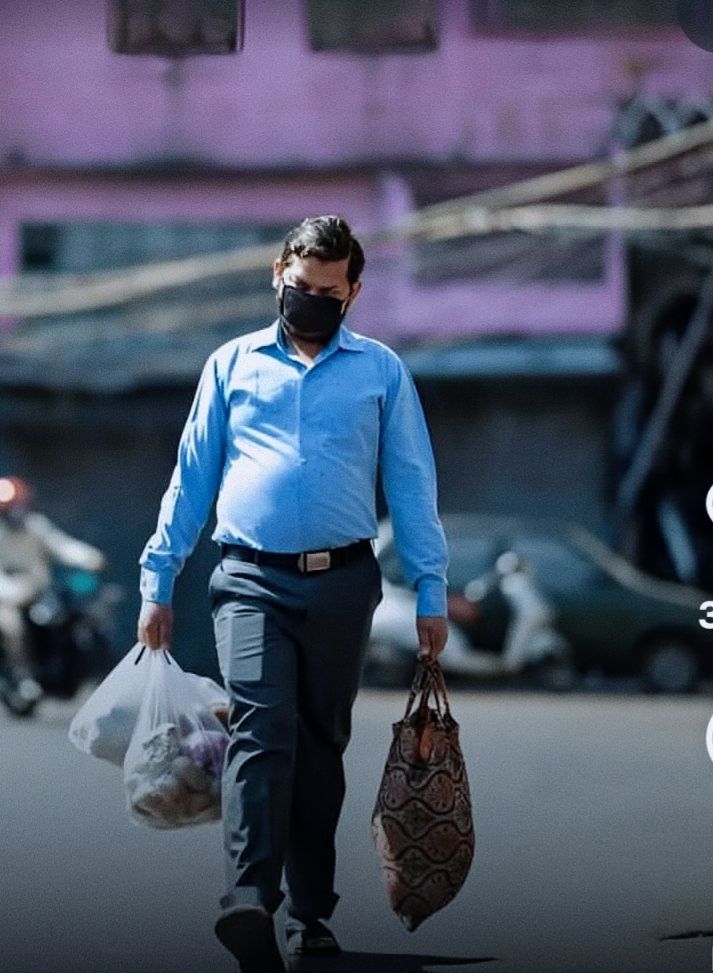
The Indian middle class has always been a curious creature. In 1947 it was minuscule, made up of a handful of lawyers, doctors, and civil servants. A country reeling from Partition, with barely 5% of people assured of steady food, shelter, and stability, could not afford a broad base of secure households. But even in that bleak landscape, this elite had its own markers of respectability—an English education, a steady government job, a roof, and some distance from the daily chaos of survival. Through the 1950s, the state built dams, steel plants, and factories, all while locking industries in the tight grip of the License Raj. The result was stagnation: India’s share of the global economy plummeted from 24% in 1700 to just 3.5% by the 1970s, and the middle class grew at a crawl.
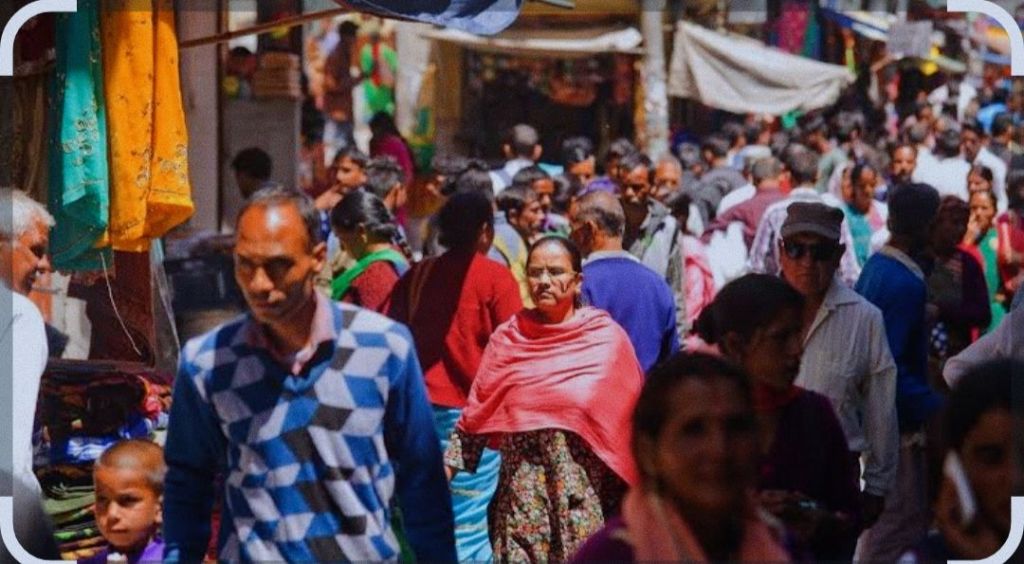
By the 1980s, however, things began to stir. The “new middle class” was not defined by profession but by consumption. A Bajaj scooter parked outside a home, a black-and-white television, a wristwatch, or the ability to send a child to an English-medium school became the badges of success. Between 1975 and 1981, sales of televisions doubled, VCRs arrived in big cities, and cosmetic sales ballooned into a $100 million business. The middle class was still small—around seven crore people—but it was beginning to flex its consumer muscle.
The real explosion came after 1991. Liberalization unleashed markets, dismantled barriers, and welcomed foreign capital. Suddenly, multinational companies were hiring Indian graduates, call centers buzzed through the night, and software engineers became global exports. More importantly, millions of ordinary Indians found themselves with disposable income for the first time. Malls sprouted, Maruti 800s and later Electric Vehicles rolled onto roads, and credit cards made it possible to buy now and pay later. Between 1991 and 2010, the middle class not only grew in size but also in confidence. For the first time, Indians could imagine themselves as part of a global consumer culture.
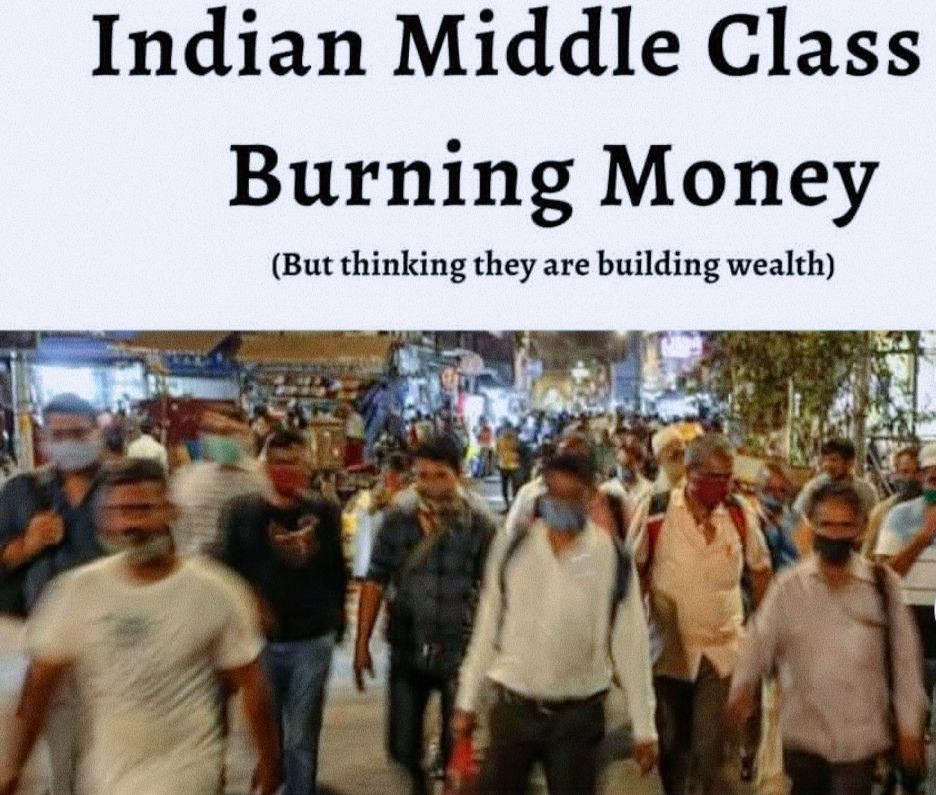
Today, the middle class is no longer an urban curiosity but the single largest driver of India’s economy. Nearly a third of the population—about 43 crore people—fall into this category, and by 2047 that share could hit 60%. The government itself tacitly acknowledges this reality by carving out tax slabs that give those earning between ₹4 lakh and ₹12 lakh relief, ensuring more cash in hand to spend. Researchers define the group as households earning between ₹5 lakh and ₹30 lakh a year, with at least ₹5–6 lakh available after essentials for discretionary spending. That’s a wide spectrum, but what unites this class is not just income, it is aspiration.
And yet, beneath the gloss of smartphones, vacations, and swipe-happy lifestyles, cracks have begun to show. Household savings that once were eight times greater than debt in 2012 have now shrunk to just four times. Credit card defaults have surged 44% in a single year, hitting ₹34,000 crore. Owning a modest flat in Delhi requires at least twelve years of salary—without even accounting for loan interest. Inflation in healthcare, education, and food erodes what little cushion exists. Families still buy, but increasingly, they buy on borrowed money. The dream is often debt-funded, and for some, it has already begun to sour.
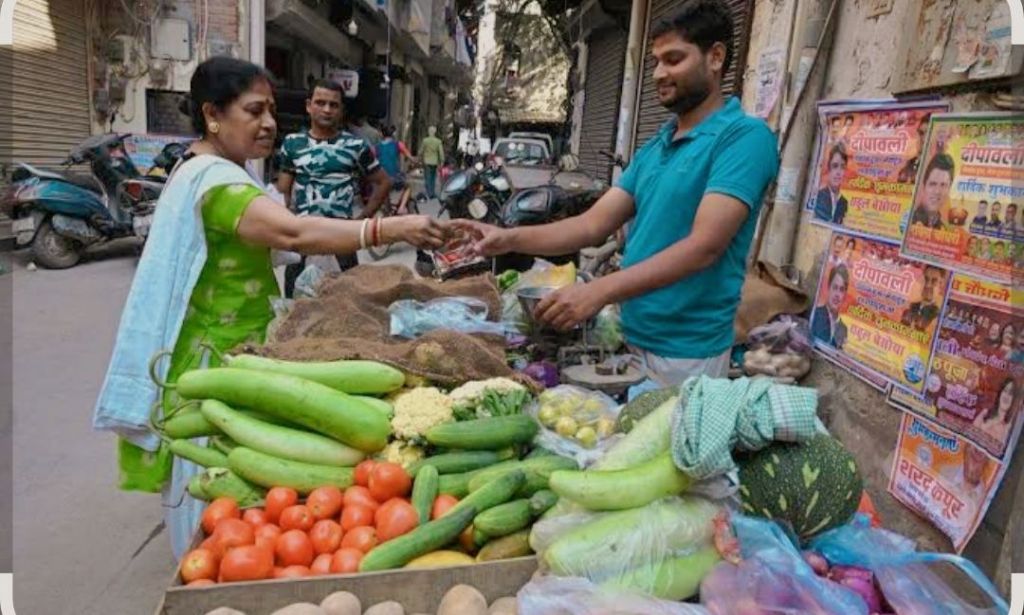
The irony of India’s middle class is that it is both booming and struggling at the same time. On the one hand, it is a goldmine for companies and a tax base for the state, powering demand for everything from two-wheelers to premium cosmetics. On the other, its real incomes have barely moved in a decade, while job security remains elusive. Youth unemployment hovers high, most workers are stuck in informal setups, and the fear of slipping back is real. This is why the lure of consumption becomes even stronger—it is a way to signal success, to feel momentarily elevated, to keep alive the illusion of climbing the ladder.
But illusions cannot sustain an economy forever. If India is to truly harness its middle class, it needs bold reforms. Affordable housing on the Singapore model, universal healthcare like Thailand’s, skill development modeled on Germany’s vocational system, and social security nets for informal workers are no longer luxuries—they are necessities. Without them, the middle class risks becoming a fragile house of cards, inflated by credit and crushed by rising costs.
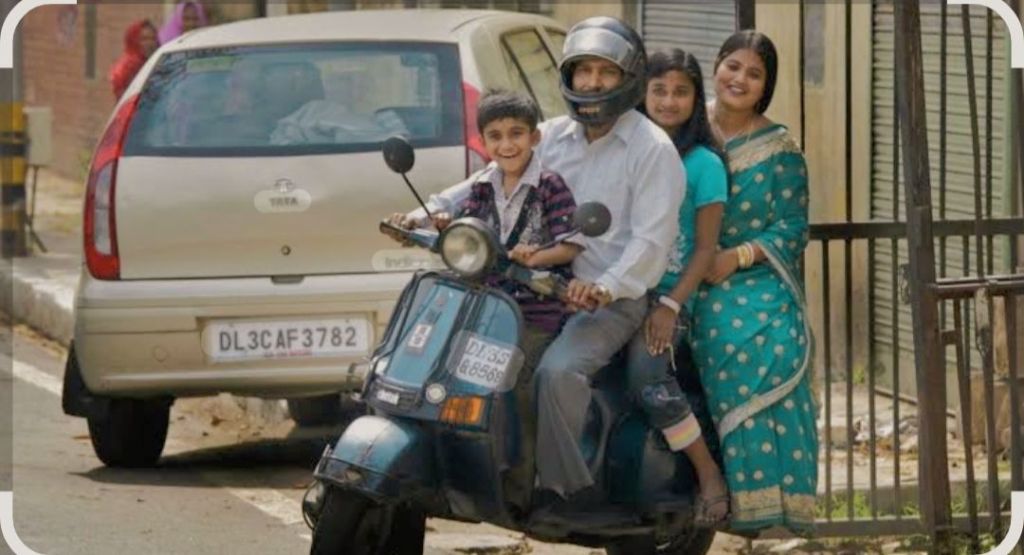
Still, there is no denying the resilience of this group. From barely existing in 1947 to defining the national mood in 2025, the Indian middle class has come a long way. It is aspirational, restless, and deeply influential. It wants better jobs, better schools, better hospitals, and better lives. And as long as that desire burns, companies will market dreams, governments will court their votes, and the economy will dance to their spending. Whether the music lasts depends on whether aspiration is matched with opportunity—or drowned in debt.
Visit arjasrikanth.in for more insights
 SOCIAL PERSPECTIVES