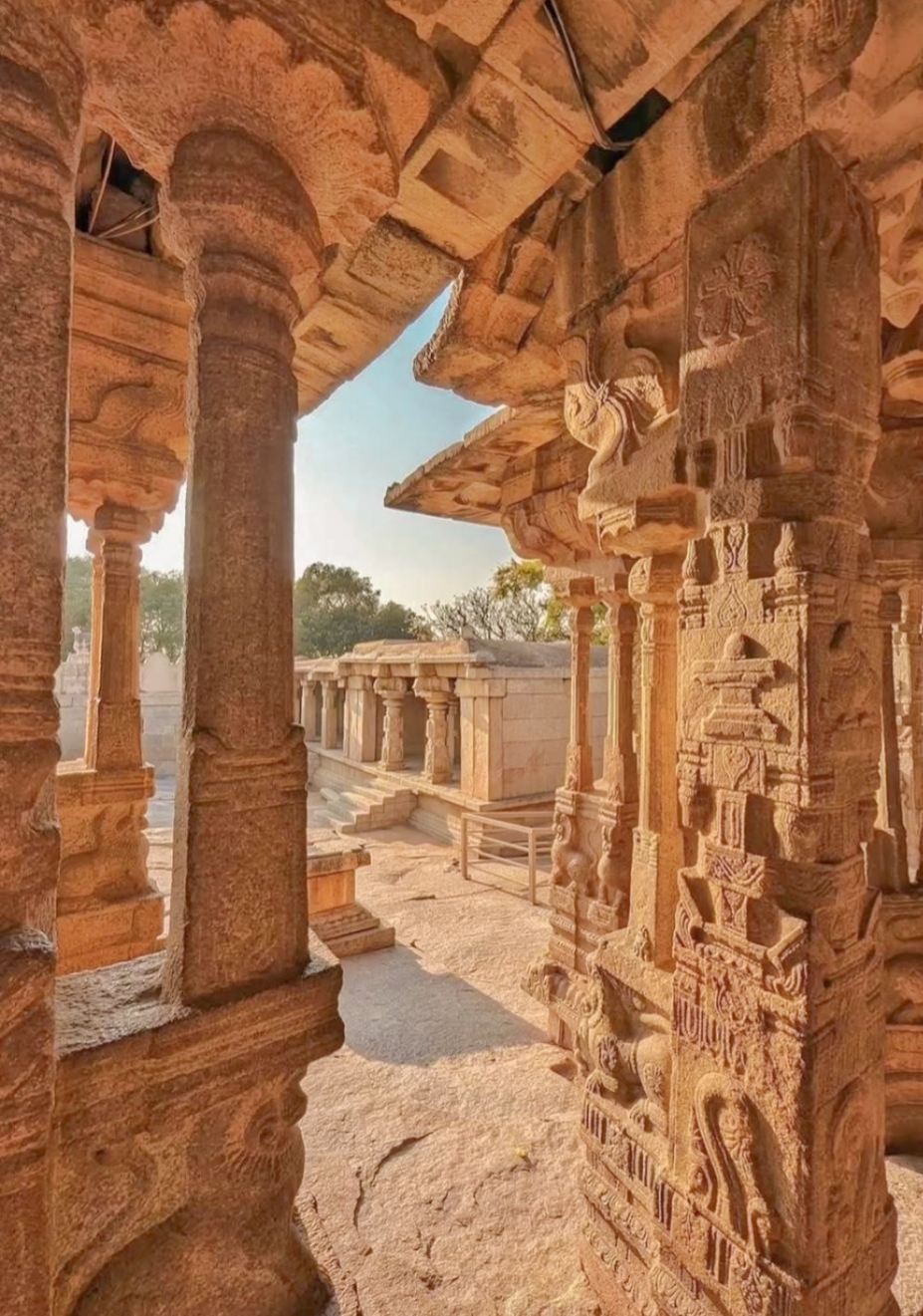
From Amaravati’s forgotten stupas to Lepakshi’s hanging pillar, Andhra Pradesh holds a cultural jackpot waiting to explode into the global tourism map.
Sometimes the most priceless treasures of a land aren’t buried beneath its soil or locked in hidden vaults—they stand in plain sight, etched into temple walls, carved into stone stupas, painted in ancient murals, and performed in living traditions that echo across centuries. Andhra Pradesh, perched on India’s south-eastern coastline, is one such cultural powerhouse. It is a state where the spiritual heartbeat of Tirupati coexists with the quiet grandeur of Amaravati’s Buddhist legacy, where Vijayanagara-era architecture at Lepakshi converses silently with the colonial footprints of forts, and where living crafts like Kondapalli toys or Mangalagiri sarees carry forward artistic brilliance. Yet, in the grand bazaar of Indian and global tourism, this treasure trove remains a half-told story, an opportunity waiting for its renaissance.
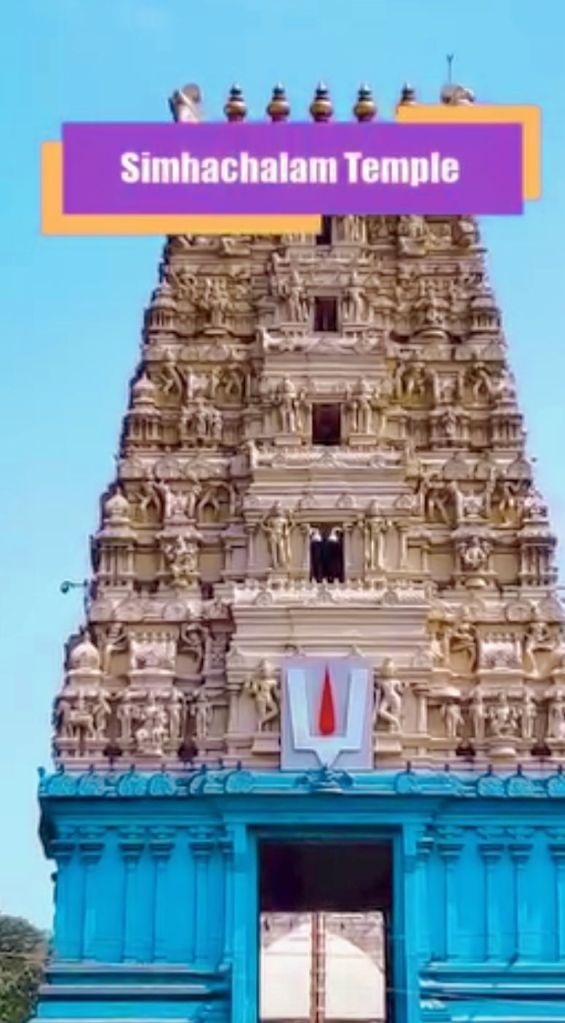
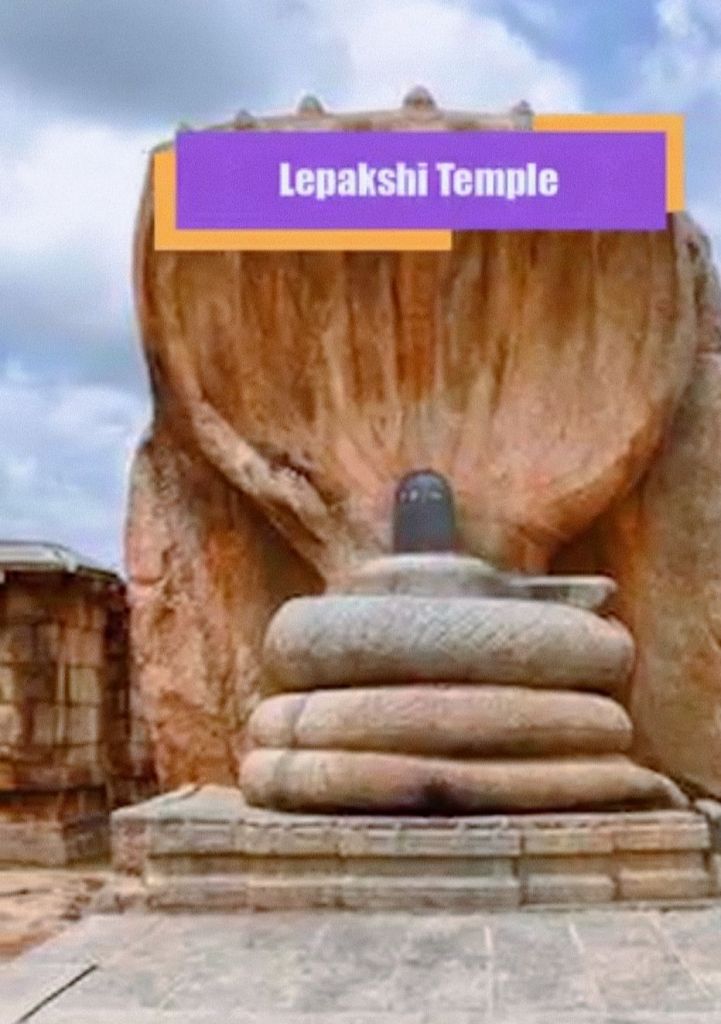
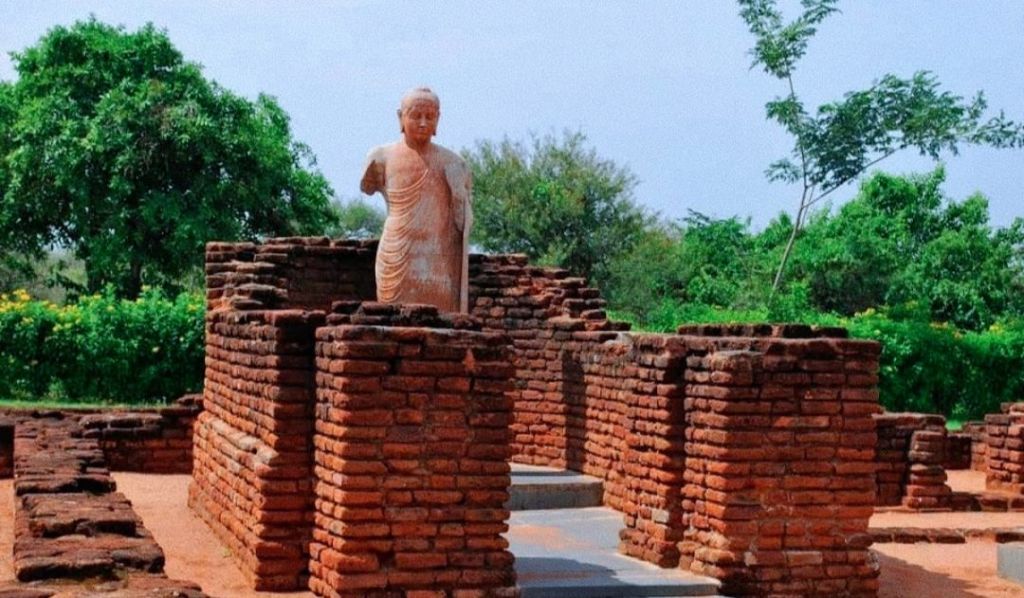
The paradox of Andhra Pradesh tourism is best captured by a tale of two realities. On one hand, Tirumala Tirupati reigns as one of the most powerful religious tourism brands in the world. The Sri Venkateswara Temple draws between 20 and 30 million pilgrims each year, generating annual revenues upwards of ₹5,000 crore—figures that dwarf many international heritage sites combined. But this very triumph hides an uncomfortable truth: Andhra’s cultural map is excessively skewed toward Tirupati, leaving its vast repertoire of equally rich heritage sites underdeveloped, under-promoted, and under-visited. Amaravati’s Great Stupa, once the intellectual and spiritual lighthouse of Buddhism across Asia, is today a shadow of its glorious past, drawing only a trickle of visitors. Lepakshi’s Veerabhadra Temple, with its gravity-defying hanging pillar and exquisite murals, remains an insider’s delight rather than a global magnet. Simhachalam, Srikalahasti, Chandragiri Fort, and the Buddhist complexes of Bavikonda and Thotlakonda—all stand with immense potential but lack the supporting ecosystem of connectivity, interpretation, and marketing.
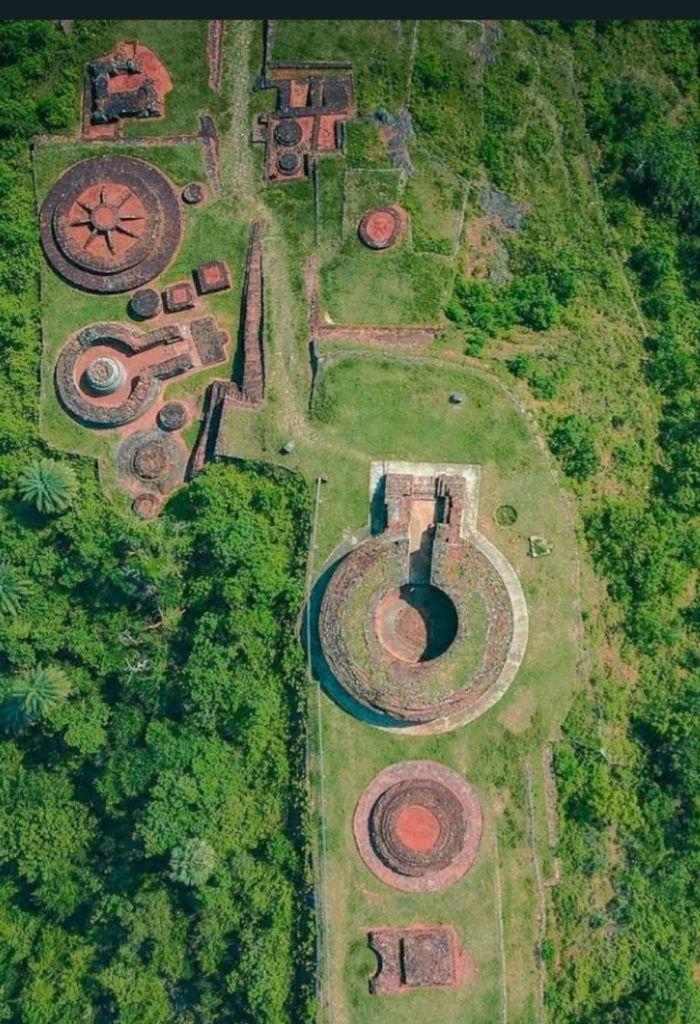
The reasons for this gap are systemic but not insurmountable. Tourism infrastructure beyond Tirupati remains fragmented and weak. Clean restrooms, quality signage, drinking water, and accessible pathways are rare. Last-mile connectivity to historically significant destinations like Nagarjunakonda or Lepakshi remains patchy. Equally worrying is the lack of curated storytelling. Most tourists wander through these sites without context, guided only by local hearsay. In an era where experience defines travel, Andhra’s lack of interpretive centers, multilingual guides, sound-and-light shows, and immersive storytelling diminishes its global competitiveness. Marketing too has been monolithic, dominated by images of Tirupati, with little bandwidth dedicated to promoting circuits, crafts, or culinary experiences. The result is a lop-sided tourism economy vulnerable to seasonality, overcrowding, and stagnation.
But Andhra Pradesh is not doomed to remain a one-hit wonder in the tourism charts. The state holds a royal flush of heritage assets and only needs to play its cards with vision and strategy. The blueprint for transformation lies in diversifying, digitizing, and democratizing its tourism ecosystem. Thematic circuits are the first step. A Buddhist Trail that connects Amaravati, Nagarjunakonda, Bavikonda, Thotlakonda, and Bojjannakonda into a seamless spiritual journey—enriched with augmented reality reconstructions, meditation experiences, and Buddhist philosophy guides—could attract both domestic seekers and international visitors from Southeast Asia. A Temple Architecture Circuit linking Tirupati, Srikalahasti, Lepakshi, Ahobilam and Simhachalam could tell the story of South Indian architectural evolution across dynasties. A Craft and Cuisine Corridor highlighting Kondapalli toys, Kalamkari textiles, and Andhra’s fiery but flavourful cuisine could turn travel into participatory cultural immersion.
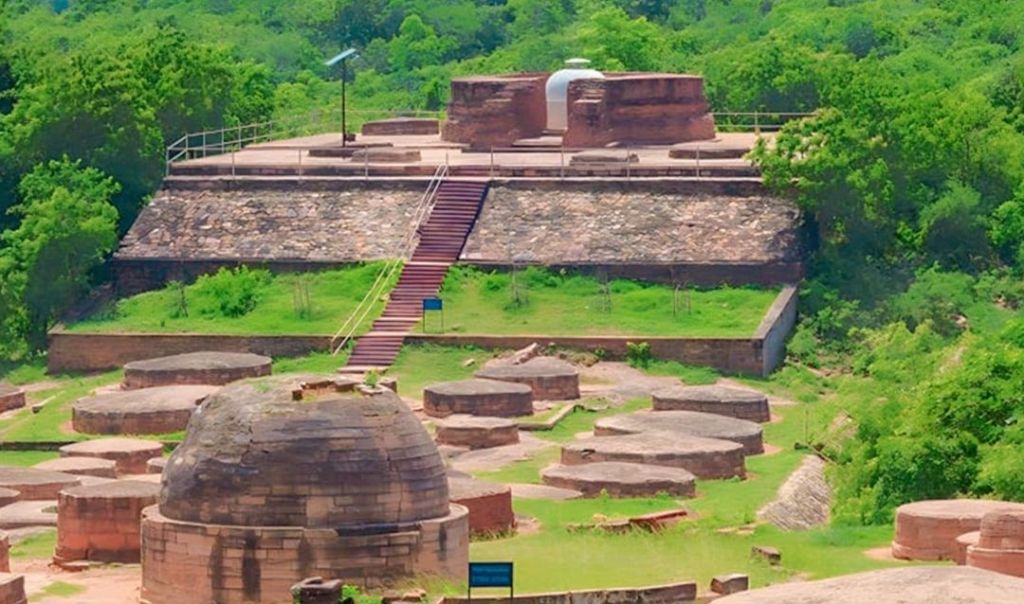
Technology must become Andhra’s strongest ally. Augmented reality apps that resurrect Amaravati’s stupas in their original splendour, digital maps with audio guides in multiple languages, and a unified tourism platform offering ticketing, navigation, and curated itineraries are no longer luxuries—they are expectations. Pre-visit digital experiences can create global curiosity and position Andhra as a cutting-edge heritage destination. Simultaneously, community involvement is vital. Empowering locals as guides, artisans, homestay hosts, and cultural performers ensures that tourism creates economic resilience at the grassroots level while safeguarding intangible heritage. Heritage tourism should not only be about monuments but about people—their stories, their crafts, and their hospitality.
Partnerships will be crucial. Public-private partnerships can transform neglected forts into heritage hotels, create world-class interpretation centres, and develop infrastructure like restaurants and tourist shuttles. Rajasthan’s palace-to-hotel model and Gujarat’s Statue of Unity mega-project offer replicable lessons. Andhra has its own aces—imagine Amaravati developed as a world-class Buddhist heritage hub or Lepakshi positioned as India’s premier mural art destination. Kerala’s responsible tourism model, rooted in community participation, also offers insights for Andhra to balance heritage promotion with sustainability.
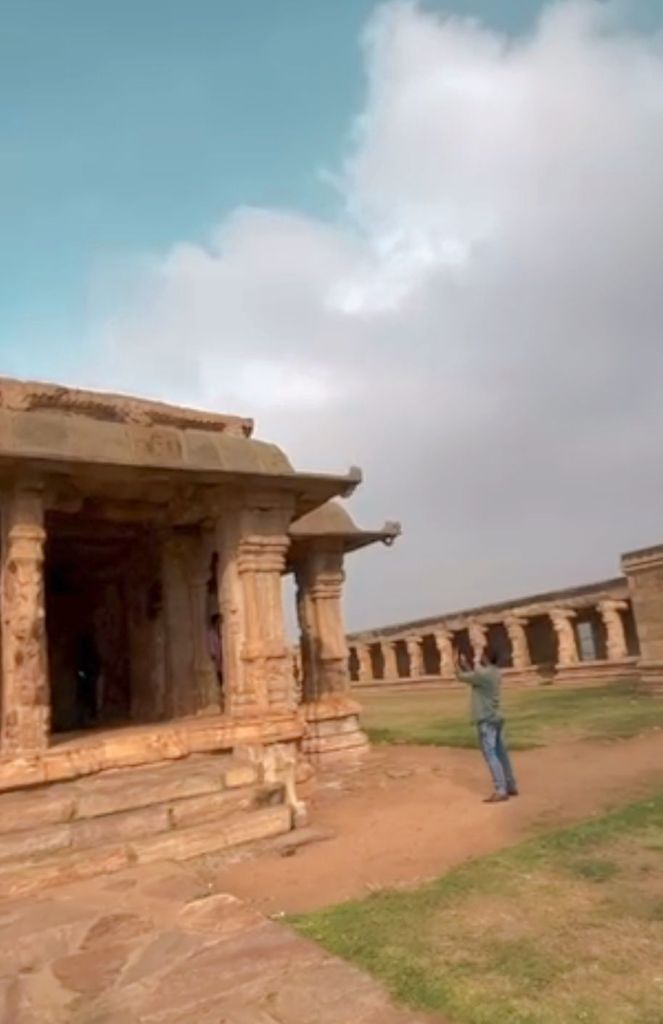
At its core, reimagining tourism in Andhra Pradesh is not merely about aesthetics or cultural pride—it is a sound economic strategy. Tourism is one of the world’s largest job creators and an engine for regional development. Andhra’s true wealth is not confined to its ports, industries, or IT hubs but also flows from its temples, stupas, crafts, and cuisine. Every ignored stone pillar in Lepakshi, every neglected relic in Amaravati, every under-promoted Kondapalli toy is an untapped job, an unrealized revenue stream, a missed opportunity for global recognition. The world today seeks authentic, immersive, culturally rich travel. Andhra Pradesh has all of it in abundance. The only question is whether it chooses to step boldly into this opportunity. Will it remain a land defined by a single temple, or will it orchestrate its cultural legacy into a global symphony? The answer could well define Andhra’s future place in the global tourism map.
Visit arjasrikanth.in for more insights
 SOCIAL PERSPECTIVES