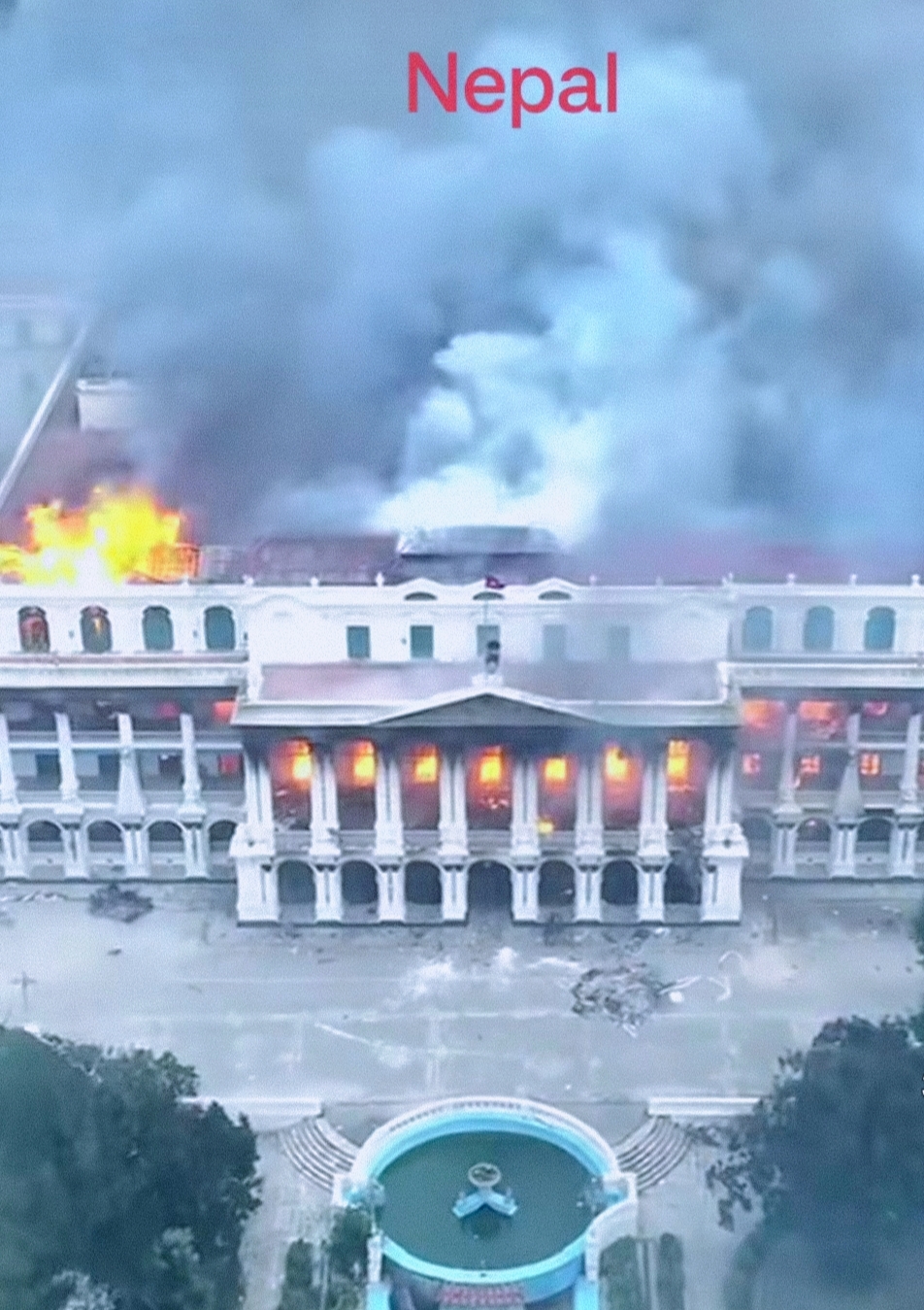
When the government tried to silence social media, it accidentally unleashed a revolution—fuelled by VPNs, viral outrage, and a generation unwilling to inherit corruption, nepotism, and broken promises.
Kathmandu’s streets have become the theatre of a revolution—lit not by slogans painted on banners but by TikTok feeds, viral hashtags, and the smouldering anger of a generation that has had enough. What began as a protest against a sweeping social media ban has spiralled into Nepal’s biggest youth uprising in decades, leaving more than twenty people dead, government buildings in flames, and Prime Minister K.P. Sharma Oli forced to step down. This is not just another political crisis in a country used to frequent regime changes; it is Gen Z’s fiery declaration that nepotism, corruption, and recycled leadership are no longer acceptable.
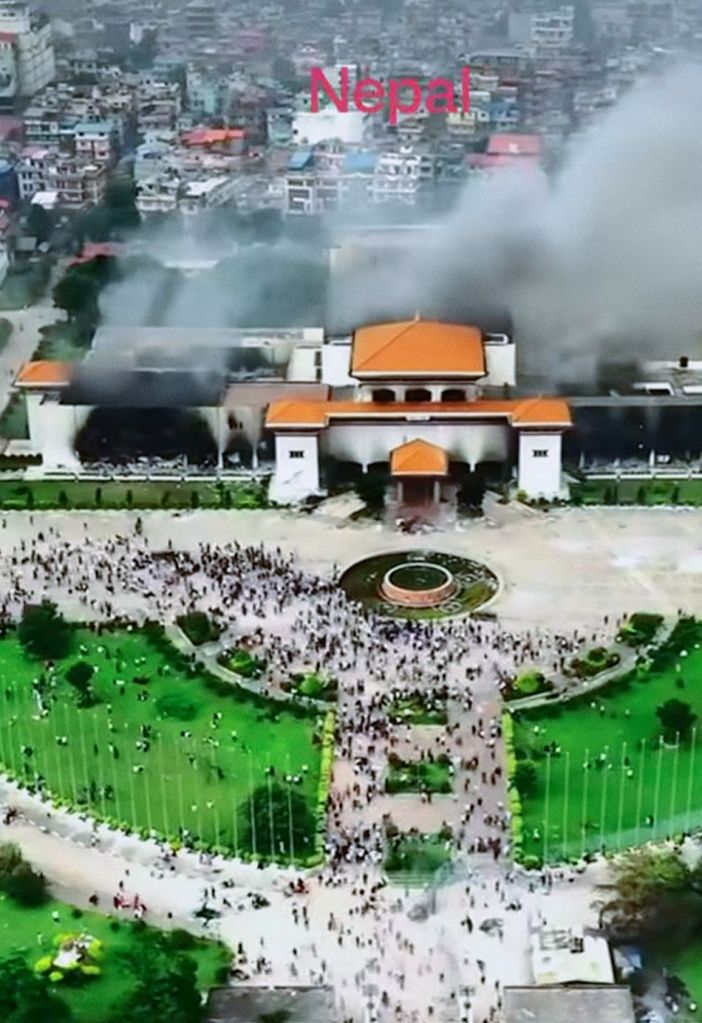
The trigger was deceptively simple: a government decree banning major social media platforms for failing to register locally and appoint compliance officers. Overnight, Facebook, Instagram, X, and TikTok went dark. But in silencing digital spaces, the state inadvertently gave protesters their rallying cry. Young Nepalis, already frustrated by corruption, unemployment, and the flaunting of wealth by politicians’ children, poured onto the streets. Hashtags like #NepoKids and #ByeByeOldies lit up VPN-routed feeds, fuelling anger against a political class that has clung to power for decades.
The protests were at first peaceful—groups of students, professionals, and unemployed youth gathering near parliament. They carried placards demanding accountability, transparency, and jobs. But as police pushed them back with tear gas and water cannons, the mood shifted. Crowds swelled from hundreds to thousands, barriers fell, and clashes erupted. Rubber bullets were fired, then live rounds. lay dead. By Tuesday, the toll had climbed to twenty-two, and Kathmandu’s political core looked like a war zone. Parliament buildings were vandalized, ministerial offices set ablaze, and the homes of senior leaders—including a former prime minister—were attacked.

This uprising is unlike Nepal’s past revolutions. The 1990 People’s Movement and the 2006 protests that toppled King Gyanendra were orchestrated by seasoned politicians, trade unions, and ideological groups. But the 2025 revolt belongs squarely to Gen Z. These are young people raised in a digital world but trapped in a stagnant economy where nearly one in five cannot find work. They have grown up watching their peers migrate en masse for jobs abroad, while at home, the children of political elites flaunt designer clothes, luxury cars, and vacations on social media. When TikTok videos of these “Nepo Kids” went viral, anger exploded.
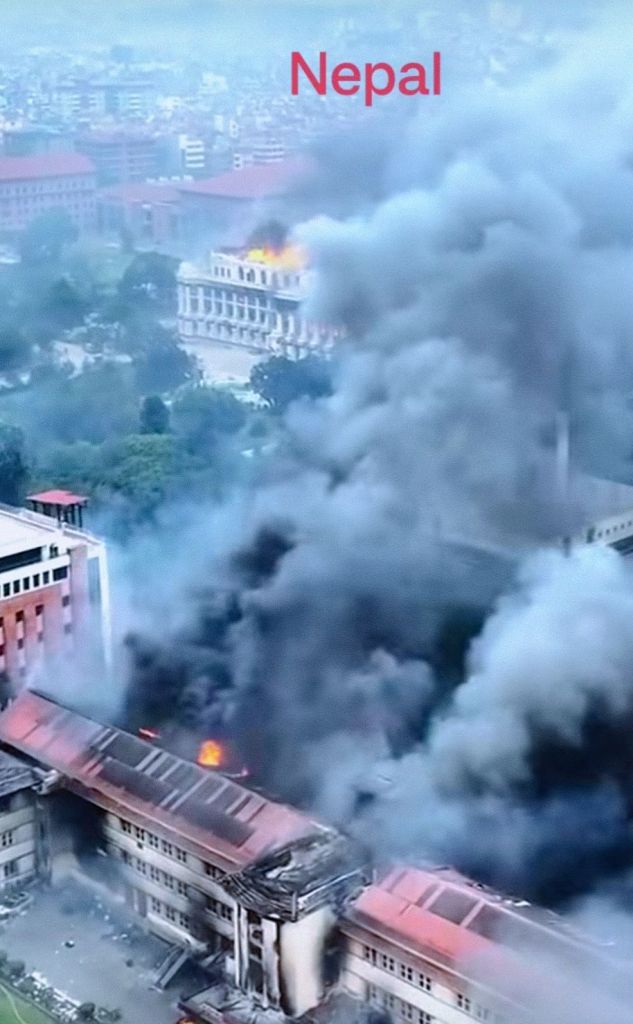
The government’s crackdown only hardened the movement. Videos of motorbikes weaving through tear-gas clouds to ferry wounded protesters to hospitals spread like wildfire. Livestreams from protesters ducking bullets made it impossible for authorities to control the narrative. International outrage soon followed. The UN demanded an investigation into the killings, Amnesty International condemned the use of live ammunition, and India issued advisories to its citizens in Nepal.
Resignation letters began to pile up. Several cabinet ministers quit, followed by Prime Minister Oli himself. His statement, terse but historic, admitted that his departure was meant to “pave the way for a constitutional solution to the crisis.” For protesters, this was a partial victory. But their chants outside parliament—“We don’t want your old faces!”—made it clear they sought more than a resignation. They demanded an entirely new generation of leadership, untainted by the patronage and corruption that have defined Nepal’s politics.

This confrontation is the product of decades of instability. Since abolishing the monarchy in 2008, Nepal has cycled through 14 governments in just 17 years. Coalition collapses, factional feuds, and endless party splits have crippled governance. While leaders squabble, Nepal’s youth face rising unemployment, decaying infrastructure, and a future that feels perpetually deferred. Corruption has become so normalized that politicians’ children flaunt their privileges openly, confident that power will remain in the family. For a generation living pay-check to pay-check—or preparing to leave the country for survival—this spectacle has become intolerable.
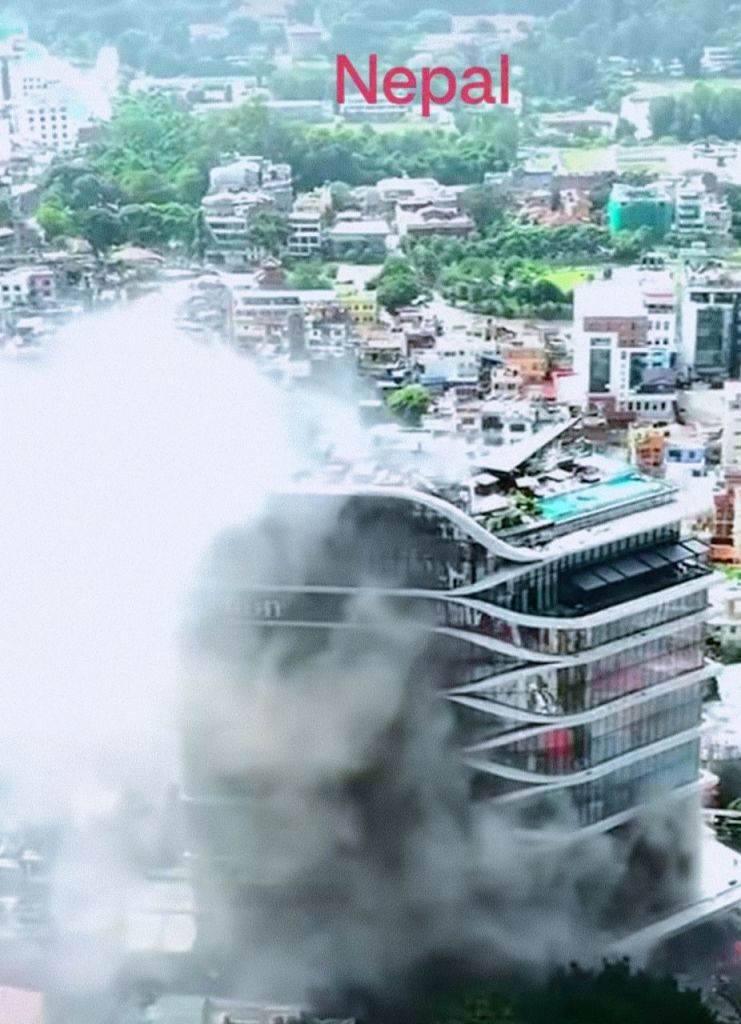
The deeper irony is that the very tools meant to suppress dissent—blocking social media—became the fuel for a digital-age revolt. VPNs turned bans into badges of resistance. TikTok videos of protest chants synced with trending audio reached millions. The state underestimated not just the frustration simmering among its youth but also their digital fluency and determination to be heard.
Where Nepal goes from here is uncertain. The resignation of Oli creates a vacuum, but if filled by the same old faces, protests will almost certainly return. The youth are demanding not token gestures but structural reforms—anti-corruption mechanisms, youth representation in governance, and economic opportunities that match their ambitions. If ignored, the instability that has haunted Nepal for decades will deepen, perhaps fatally.
Yet amid the smoke and rubble, there is also possibility. Nepal has a young, dynamic population, abundant natural resources, and a strategic location between India and China. Harnessing this potential requires bold reforms, not recycled leaders. The message from Kathmandu’s streets is loud and unmissable: Gen Z is done waiting. They are prepared to tear down institutions that do not serve them, whether through hashtags or Molotov cocktails. The old guard can either step aside gracefully—or be swept away by the next viral wave of revolt.

Nepal today stands at a crossroads. The TikTok revolution has shown that this generation will not be silenced, censored, or patronized. They have taken their grievances from the digital world into the real one, with tragic but transformative force. What remains to be seen is whether Nepal’s leaders finally understand: this is no passing storm. It is a generational earthquake.
Visit arjasrikanth.in for more insights
 SOCIAL PERSPECTIVES