From Bengaluru’s smoky skyline to Mizoram’s shattered families, a health crisis spirals faster than the nation can fight back
From Bengaluru’s smog-choked wards to Mizoram’s staggering incidence rates, India is tumbling into a cancer epidemic that threatens to shatter families, bankrupt healthcare, and redefine the nation’s public health future. What makes this unfolding crisis so terrifying is not just the numbers, but the speed and silence with which it is advancing. In 2024 alone, India reported 1.56 million new cancer cases and more than 874,000 deaths. Two years earlier, the count was 1.46 million. That jump is not just a statistic—it represents millions of homes emptied by grief while hospitals buckle under pressure they were never designed to bear.
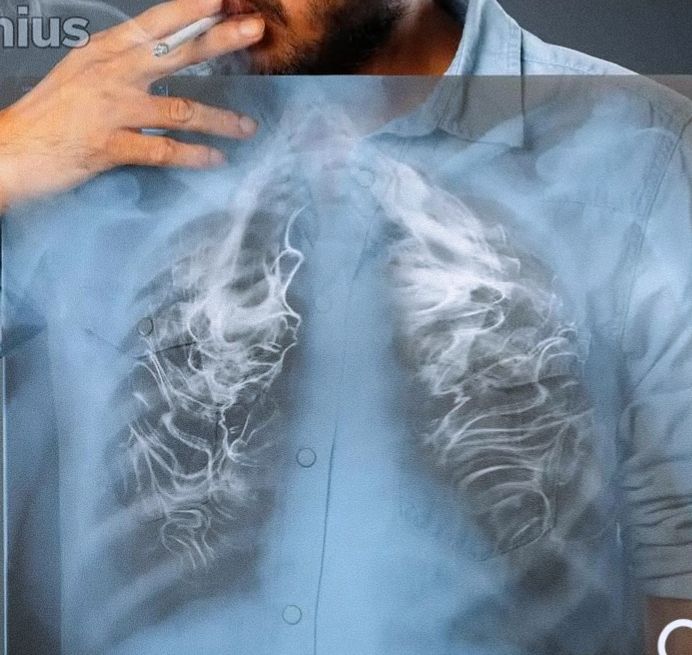
The Indian Council of Medical Research, using data from 43 registries across the country, has now laid bare a chilling mosaic. Bengaluru, India’s proud tech hub, finds itself listed among the nation’s top three cities for breast cancer among women. Lung cancer stalks its men and women alike, fuelled by air thick with toxins and lifestyles that mirror urban excess. Cervical and oral cancers also rage quietly in its lanes, turning the city into an unlikely battlefield. But travel northeast, and the story turns into a nightmare. Aizawl in Mizoram records the highest incidence in the nation—256 per 100,000 men and 245 per 100,000 women. To compare, Bengaluru’s female incidence rate is about 140 per 100,000, which is shocking enough. What is happening in Mizoram defies comprehension: cancer here is not just a disease, it is a societal catastrophe.
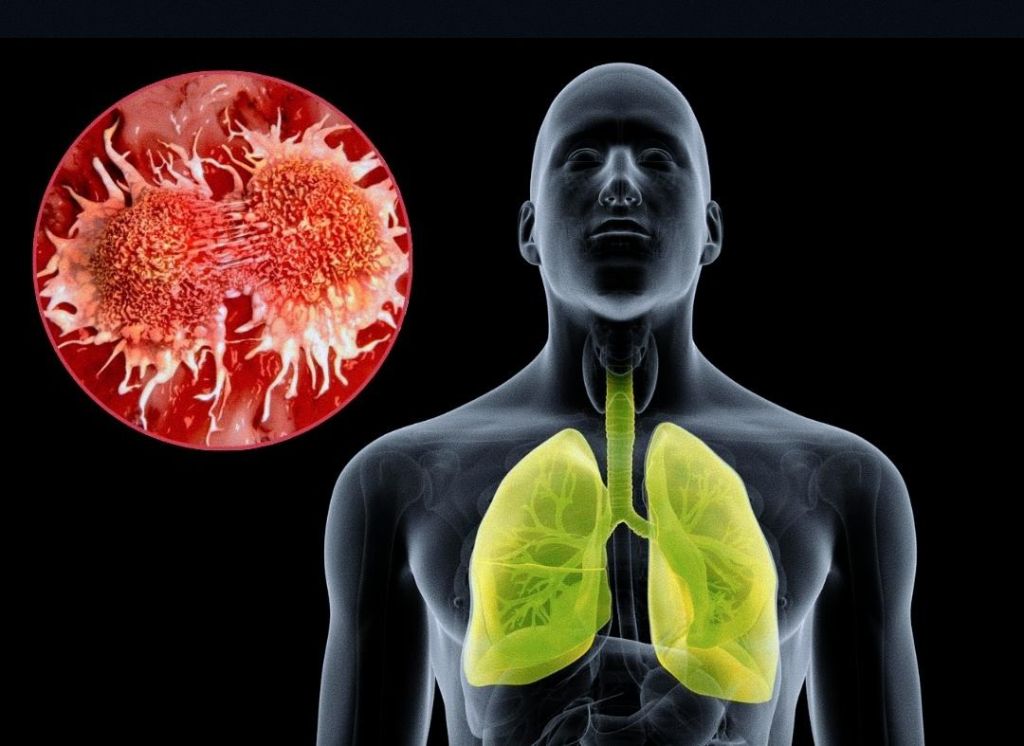
Lung cancer deserves special mention. Among the most vicious of cancers, it kills silently and swiftly. Indian patients are being diagnosed nearly a decade earlier than their Western counterparts—between 54 and 70 years on average, compared to 65 to 80 in developed countries. That means cancer is striking men and women in their most productive years, hollowing out families economically while robbing communities of their backbone. Once again, Mizoram leads in tragedy, with Aizawl’s incidence nearly triple that of rural Maharashtra’s Barshi. The air we breathe, the tobacco we chew, the stress we carry, all converge into one malignant verdict.
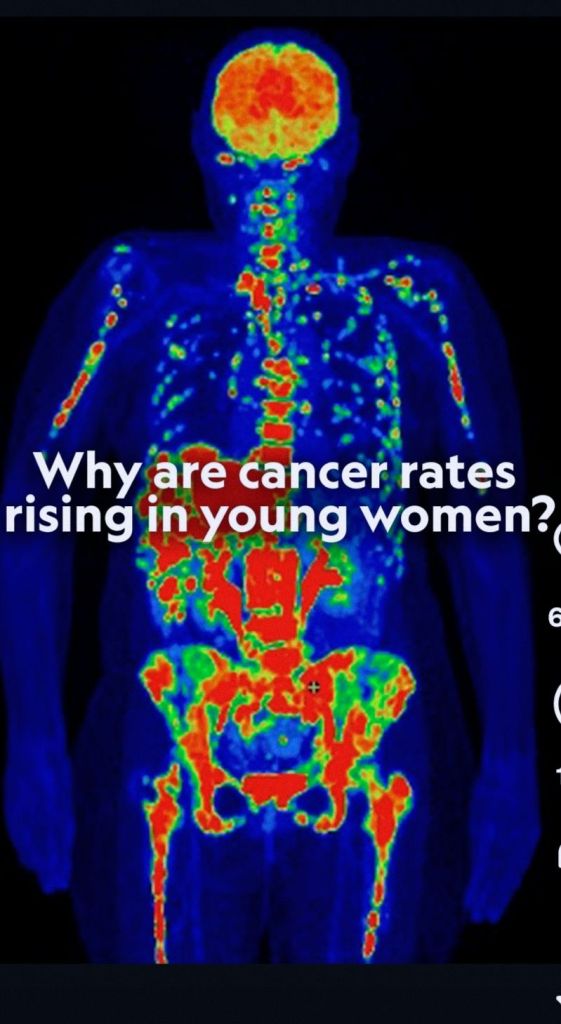
For women, breast and cervical cancers dominate the landscape. Urban lifestyles, shifting reproductive patterns, and diets heavy in processed food are fuelling breast cancer. Cervical cancer in the Northeast reflects gaps in HPV vaccination and lack of reproductive health awareness. Oral cancers, particularly among men, owe their growth to a lethal cultural staple—tobacco and betel nut. The tragedy is that many of these cancers are preventable, yet stigma, silence, and ignorance keep the numbers climbing.
But the true story of cancer in India is the cruel geography of survival. Where you live and how much you earn often decides whether you live or die. In Delhi or Mumbai, plush private hospitals look like futuristic campuses, where precision oncology, robotic surgeries, and immunotherapies are offered over cappuccinos. If you can pay ₹10–27 lakh, you can buy time, perhaps even remission. But shift your gaze to Tata Memorial Centre, where over 70,000 new patients arrive every year, and you’ll find families sleeping in corridors, waiting endlessly for their turn. In Chandigarh, a government hospital limps with only 170 beds. In Punjab, oncology posts remain unfilled. Between 2022 and 2024, AIIMS alone lost 429 Cancer patients . Machines break down, procurement crawls, and patients spend more energy fighting the system than the disease itself.

This divide is not accidental—it is designed. Cancer care is among the most expensive forms of medicine. A LINAC radiation machine costs ₹52 crore, a PET-CT between ₹18–33 crore, and chemotherapy cycles run into lakhs. Private hospitals raise capital, hire top talent, and recover costs by billing patients astronomically. Public hospitals live on budget allocations and bureaucratic red tape. The result: a two-tier system where survival is a luxury for the wealthy and a gamble for the poor.
To be fair, the government has rolled out programs. The National Programme for Prevention and Control of Non-Communicable Diseases earmarked ₹120 crore for State Cancer Institutes. Ayushman Bharat offers partial financial protection. The National Cancer Grid is trying to standardize treatment and extend tele-consultations. Kerala has pioneered community-level screenings. Tata Memorial’s Hub-and-Spoke model is decentralizing care. But most of these efforts remain dwarfed by the scale of the problem. Machines sit idle for want of repair contracts. District cancer centers exist on paper but not in practice. And the cruelest truth: over 70% of cancers in India are diagnosed at Stage III or IV, when treatment is both astronomically expensive and statistically futile.

Meanwhile, the private sector thrives. HCG logs 19% annual growth, Apollo builds new cancer centres, and Fortis boasts one of India’s two MR-Linacs. For them, oncology is not a tragedy but a booming business. And yet, for a farmer from Bihar or a weaver from Mizoram, it is a death sentence delivered too late.
What India needs is nothing less than a war room. Real partnerships where private sector capacity is harnessed at capped rates. District-level diagnostics. National tele-oncology. Investment in human capital—oncologists, oncology nurses, radiologists, palliative care specialists. Because machines cannot save lives unless there are trained hands to run them. Without this, India is running a marathon with untied shoelaces, tripping at every stage, losing lives with every misstep.
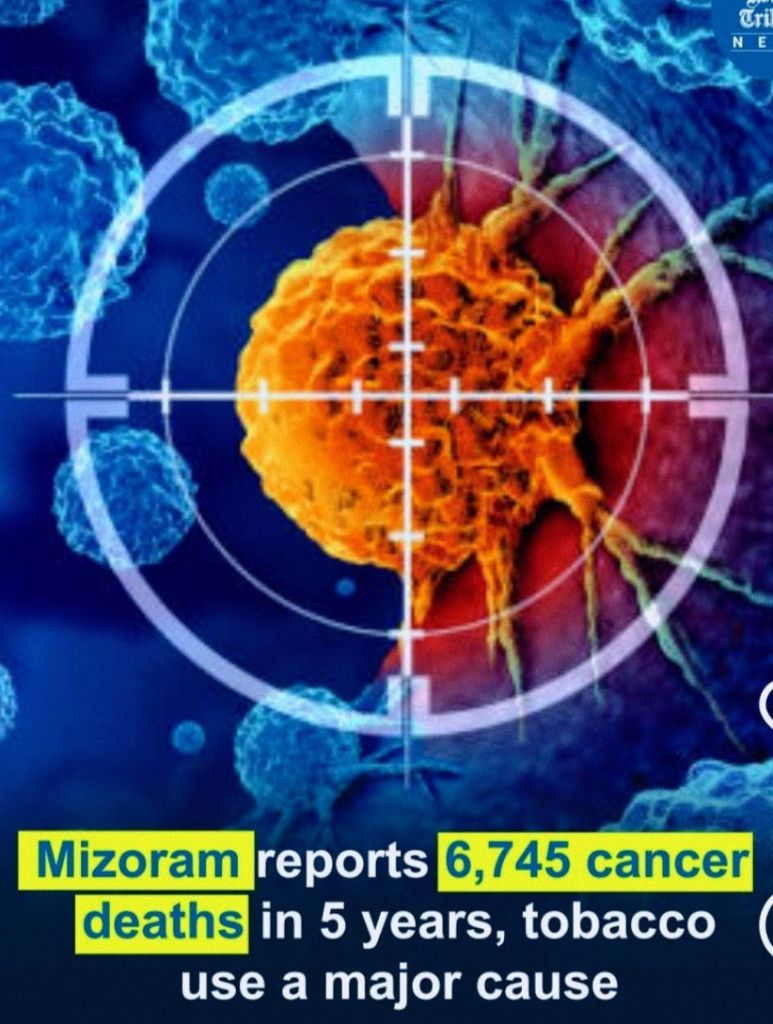
Cancer is no longer a personal tragedy—it is a national emergency. The alarms are already blaring in Bengaluru’s oncology wards, Aizawl’s crowded hospitals, and Delhi’s smoky skies. To ignore them is to sign a death warrant for millions. India must act, or this epidemic will not just scar its people but cripple its future.
Visit arjasrikanth.in for more insights
 SOCIAL PERSPECTIVES