
From fentanyl-laced pills killing teenagers to cartels running billion-dollar empires, the U.S. stands trapped in a cycle where enforcement fuels innovation, stigma silences treatment, and the line between war and recovery blurs.
The United States stands at the epicentre of a drug storm that has spiralled far beyond law enforcement’s grip and public health’s reach. With more than 107,000 overdose deaths recorded in 2022 and fentanyl fuelling an epidemic that has seeped into every community, America’s drug problem is both a public health catastrophe and a national security crisis. The $44.5 billion annual federal spend reflects the scale of the battle, but dollars alone cannot measure the devastation—families broken, communities hollowed, and prisons overflowing.
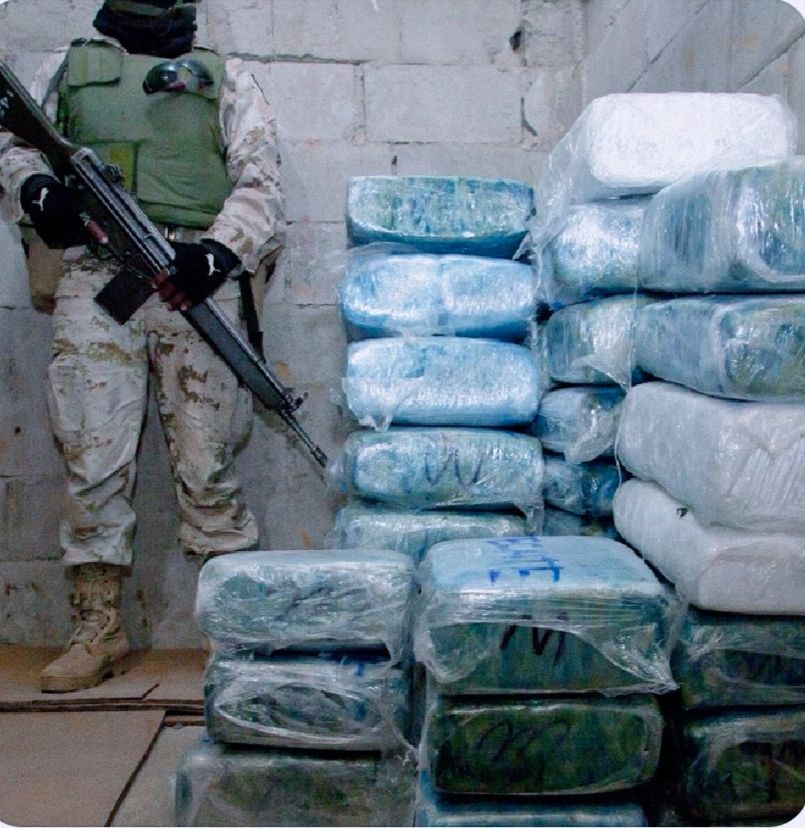
At the heart of this crisis are cartels that no longer resemble crude smuggling gangs but operate as transnational corporations with global reach, financial sophistication, and paramilitary firepower. Groups like the Sinaloa Cartel and CJNG dominate U.S. markets, pushing fentanyl, meth, and cocaine through vast networks embedded in over a thousand American cities. Globalization has given them wings: encrypted apps, drones, submarines, and laundering channels that move billions as effortlessly as legitimate multinationals. In sheer economic weight, organized crime may account for as much as 15% of global GDP—a figure that blurs the line between shadow economy and legitimate commerce.
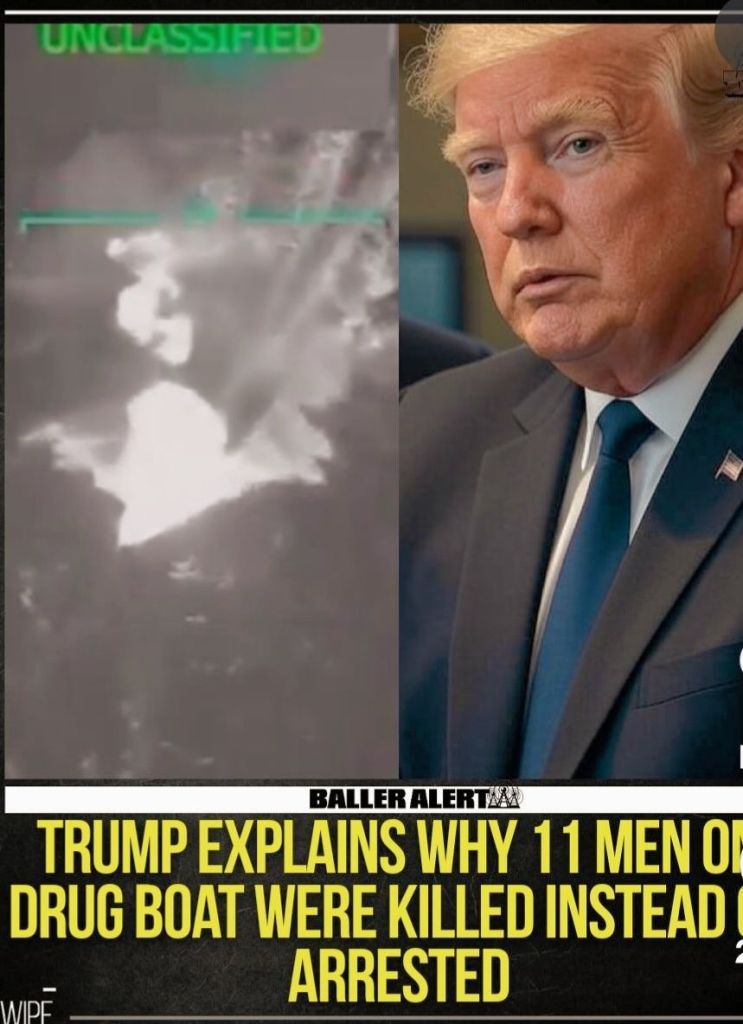
But enforcement alone hits a wall. Every high-profile arrest or border bust seems only to sharpen the cartels’ innovation. The U.S. even flirted with militarizing the fight, with Pentagon directives authorizing potential action against cartels labeled as terrorist groups. Yet such moves risk blowback, as seen when the arrest of El Chapo’s son triggered cartel assaults with rockets and armored convoys in Culiacán. Any escalation could bleed violence across the border, endangering American soil itself.

Meanwhile, a youth crisis is unfolding. Though surveys show stable usage rates among teens, overdose deaths have skyrocketed because counterfeit pills laced with fentanyl make experimentation lethal. Teen brains, still in development, are more prone to addiction, and early exposure compounds lifelong risk. Yet prevention programs remain patchy, treatment facilities skew toward adults, and stigma silences cries for help. Only 23% of those who need treatment actually receive it, and among youth the gap yawns wider.
Internationally, America’s war-on-crime model isolates it from nations that frame addiction as a health issue. Portugal decriminalized all drugs, redirected resources into treatment, and saw HIV infections and overdose deaths plummet. Canada regulates cannabis with minimal impact on youth use while undercutting black markets. Switzerland’s heroin-assisted therapy turned chaos into control. Meanwhile, the U.S. doubles down on punitive measures, producing the world’s highest incarceration rates for drug offenses while struggling to reduce supply or demand.
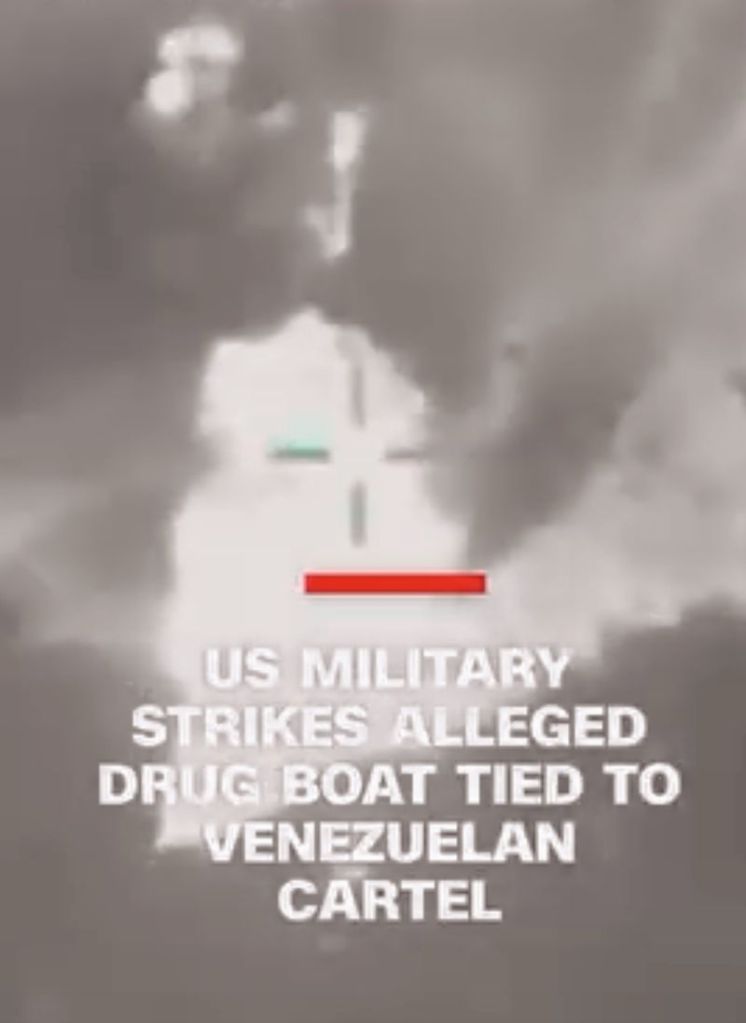
The complexity is staggering. Addiction is a chronic, relapsing disease, not a moral failure, yet stigma keeps millions from seeking care. Rural America faces soaring overdose rates but limited healthcare access. Urban areas choke under both drugs and policing disparities. On the global front, cooperation with Mexico is undermined by corruption, and unilateral U.S. military action would trigger diplomatic firestorms.
The way forward must merge firepower with compassion. On the supply side, the U.S. must target cartel finances, deploy smarter border technology, and strike at weak links in precursor supply chains. On the demand side, prevention programs must reach schools, families, and communities early—delaying first use even by a year significantly lowers lifetime risk. Treatment access must expand, integrating medication-assisted therapies and telehealth into mainstream care. Harm reduction—naloxone distribution, syringe exchanges, overdose prevention sites—can no longer be taboo; evidence proves they save lives.
The ultimate challenge is cultural: shifting America’s mindset from punishment to balance. Recovery is possible—22 million Americans say they are living proof. But without broad investment in recovery-ready communities, mental health care, and economic opportunity, the crisis will regenerate faster than enforcement can cut it down.
America’s drug war has lasted half a century, yet the battlefield only grows bloodier and more complex. Cartels adapt like Silicon Valley start-ups, youth fall prey to pills deadlier than ever, and policies lurch between crackdowns and neglect. The question now is not whether America can win a “war on drugs,” but whether it can escape the endless cycle of Pharmageddon by replacing war with a strategy that heals as much as it fights.
Visit arjasrikanth.in for more insights
 SOCIAL PERSPECTIVES