
A state stripped of its capital is reinventing itself with audacious policies, billion-dollar projects, and risks as vast as its coastline.
No matter the sector—clean energy, electronics, oil, or even data centres—Andhra Pradesh kept surfacing in every conversation. Bold announcements seemed to pour from every corner, signalling ambition on a scale rarely seen. Why was this coastal state commanding such disproportionate attention? What strategies was it deploying to rise above a crowded economic landscape? As we dug beneath the headlines, a clear narrative emerged: one of audacious ambition, calculated risk-taking, and a willingness to reinvent itself. Andhra Pradesh today is not just competing; it is positioning itself to emerge as one of India’s foremost industrial powerhouses.
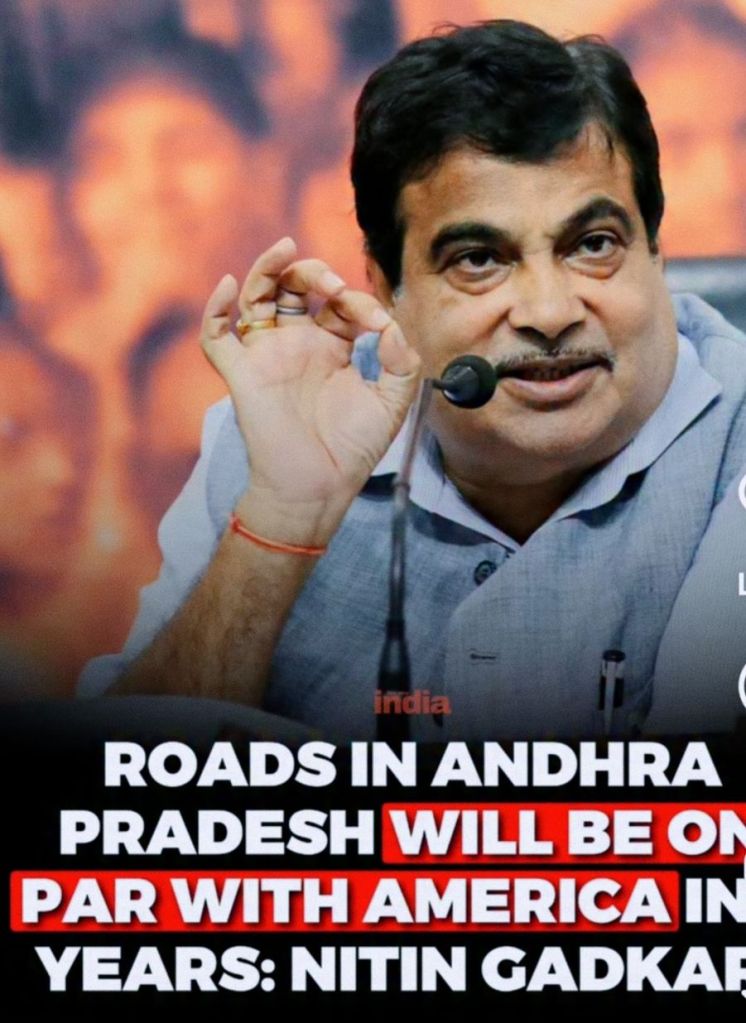
The journey begins in 2014, when Andhra Pradesh was carved into two. Telangana walked away with Hyderabad—the jewel that made up over 30% of the old state’s GDP—while Andhra was left with the coastal and Rayalaseema regions, weighed down by protests and power shortages. With its economic heart ripped away, the “new” Andhra had to reinvent itself from scratch. The state government went into overdrive, aggressively courting investors, rewriting business rules, and pitching itself as India’s next industrial destination. What began as necessity has now transformed into one of India’s most ambitious growth stories.

The results have been impressive. Since 2015, Andhra has grown at nearly 12% annually, consistently ranking among India’s fastest-growing states. Over the years, project commitments worth a staggering ₹4.5 lakh crore have been announced. Investors aren’t arriving by chance—Andhra has deliberately built a model that plays to its unique advantages. Its workforce is vast, skilled, and cost-competitive, producing some of the country’s top IIT-JEE aspirants, with 250+ engineering colleges feeding the industrial pipeline. The state also enjoys abundant, inexpensive power, both traditional and renewable. In fact, over ₹43,000 crore worth of renewable energy projects were cleared recently, adding capacity more than half the electricity demand of Hyderabad.
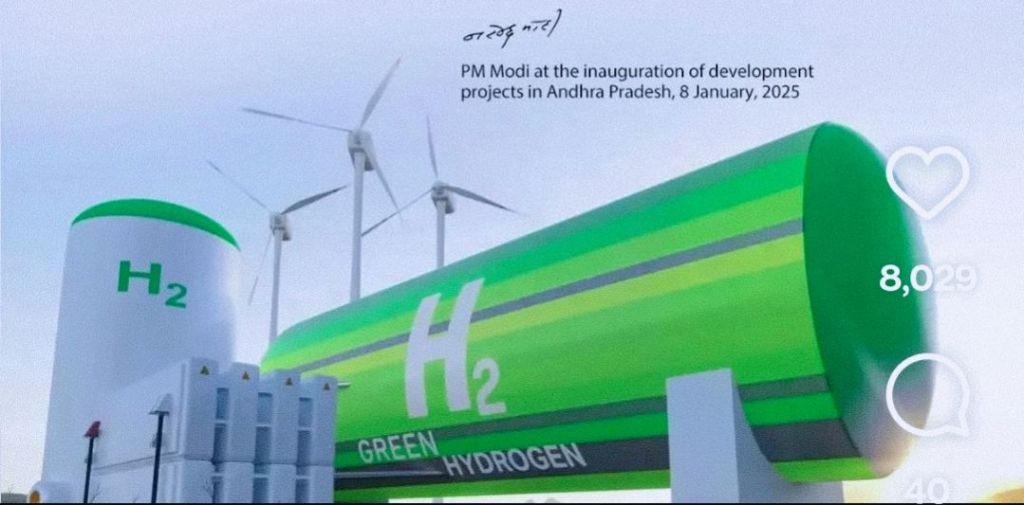
Natural resources add another layer of strength. Andhra holds 22% of India’s bauxite reserves, vast barite deposits, and has recently discovered new oil fields. ONGC alone is investing ₹4,600 crore in oil infrastructure. Coupled with a coastline stretching across six major operational ports—including Visakhapatnam, one of the largest in India—and an expansive road network linked to three industrial corridors, Andhra is a logistics dream. It is uniquely positioned to serve as a hub for both domestic supply chains and international trade.
But what truly distinguishes Andhra Pradesh is its policy framework. The state has 47 Special Economic Zones (SEZs), each designed to attract investors with tax holidays, affordable land, and ultra-fast clearances within 21 days. Amaravati was envisioned as a futuristic capital, Shree City evolved into South India’s largest industrial park, and Tirupati has become a thriving mobile manufacturing hub. These bold policy decisions have created fertile ground for marquee investments.
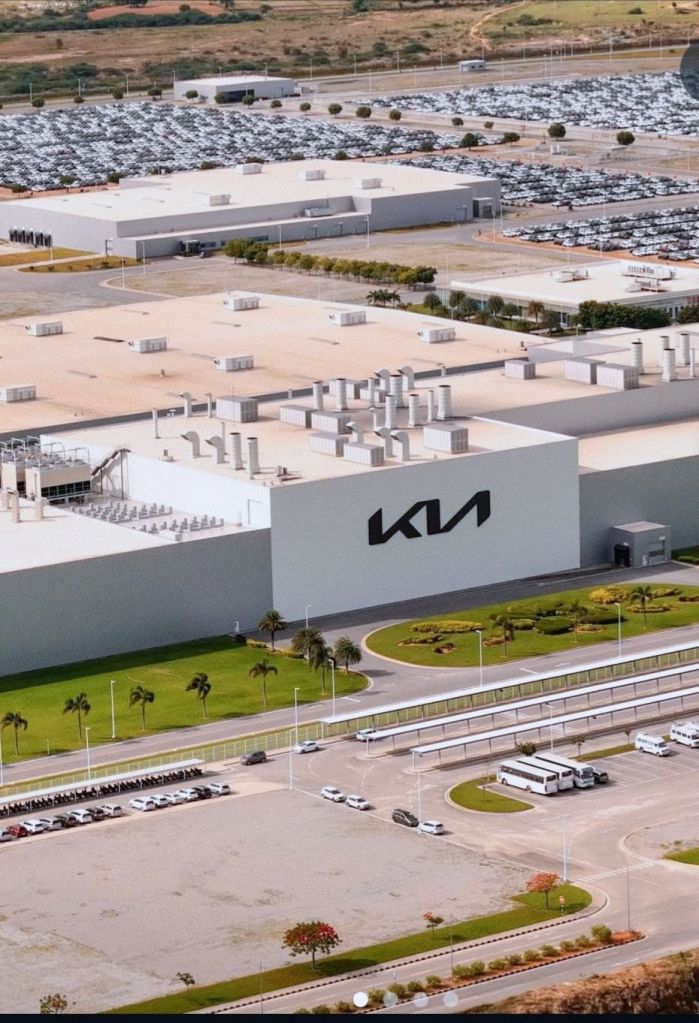
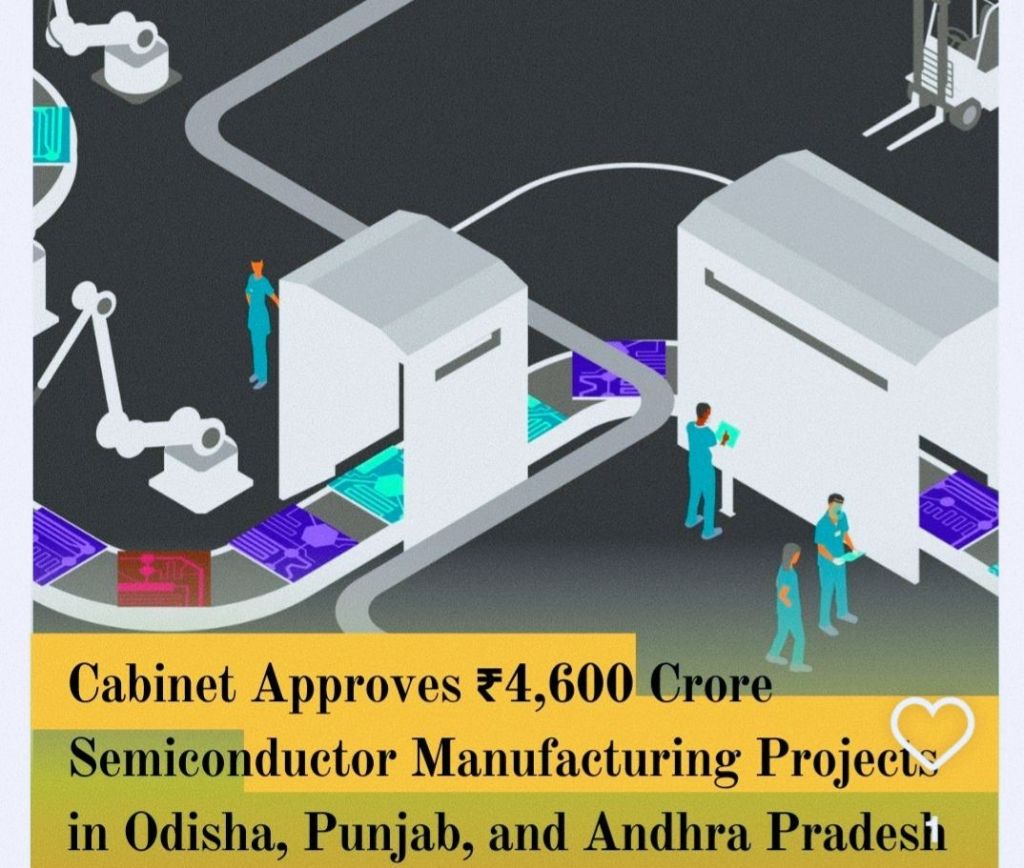
Global and domestic giants have already set up shop. The state hosts the only Indian factory of a major Korean automaker, a $2 billion facility, alongside Isuzu Motors, Hero Motocorp, and Ashok Leyland. These anchor industries have sparked entire ecosystems of suppliers, creating multiplier effects across the economy. Andhra is also placing a calculated bet on the future, with talks underway for EV production plants, subsidies worth ₹4,600 crore to strengthen electronics manufacturing, and plans for Asia’s largest data centre in Vizag at a staggering $6 billion.

Of course, every ambitious growth story faces challenges. Andhra’s drive is not powered by endless cash reserves, but by bold financial commitments. Subsidies and infrastructure spending have stretched resources, leading to a deficit of nearly ₹35,000 crore. Yet this is not a weakness but a reflection of the scale of its aspiration. The unfinished corridors of Amaravati and underutilized industrial parks are not failures; they are opportunities waiting to be realized. For every site still in progress, there are shining examples like Shree City that showcase Andhra’s ability to convert vision into reality. With careful planning and adaptive strategies, these early investments could transform into engines of sustainable growth.
The reliance on a few large investors also highlights both a risk and an opportunity. Each anchor firm brings in suppliers, service providers, and smaller manufacturers, creating ripple effects that diversify the industrial base over time. Environmental pressures are being addressed through a strong push for renewable energy, ensuring future growth aligns with sustainability. On the employment front, Andhra’s high pool of educated graduates is less a problem than a vast resource waiting to be harnessed. With the right alignment of industry, vocational training, and policy, this restless energy can become the state’s greatest advantage.
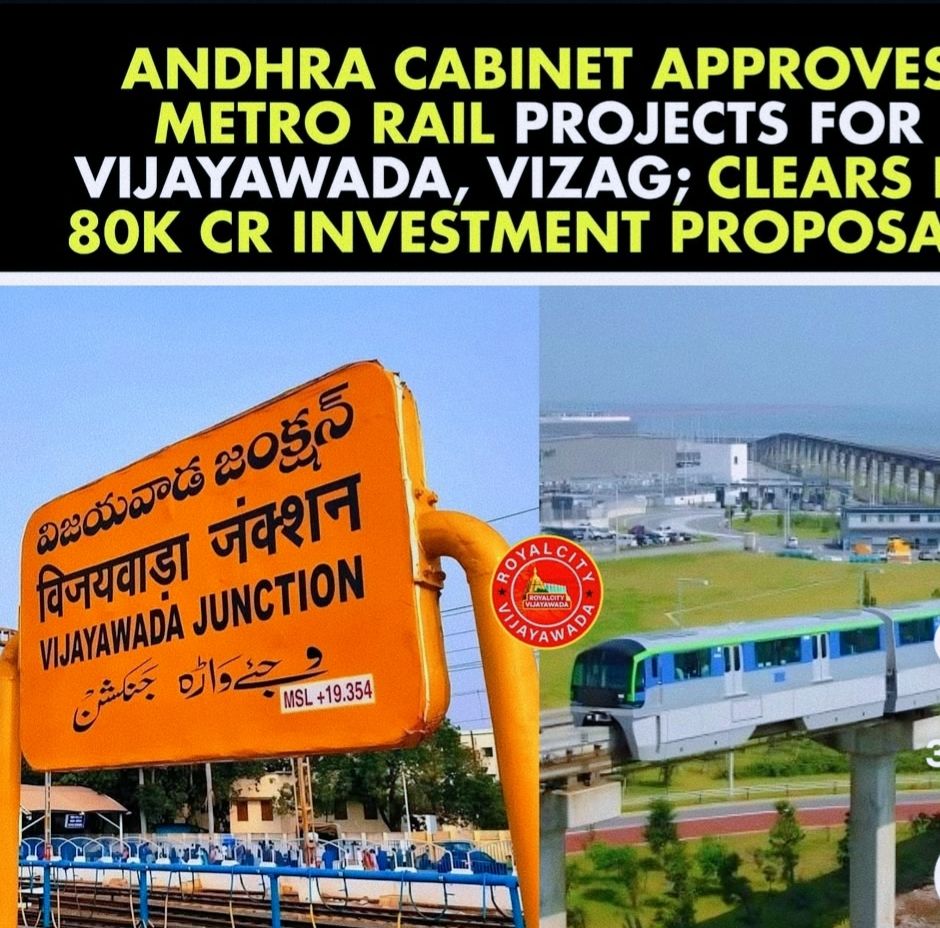
Andhra’s gamble is not folly—it is vision in motion. It is a bold experiment in proving that even without a traditional economic capital, a state can craft its own destiny. Its policies are daring, its resources abundant, and its intent unmistakable: to transform itself into a globally recognised industrial powerhouse. The next decade is not a knife-edge, but a horizon of opportunity.
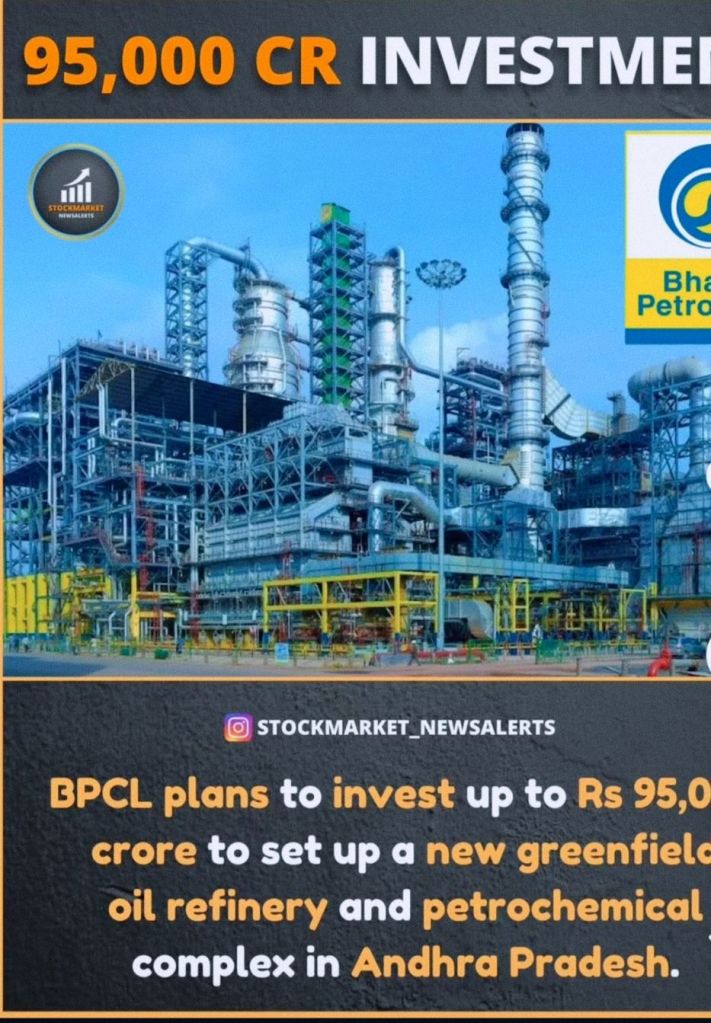
Far from being a risky tightrope walk, Andhra’s journey is about balance—leveraging strengths, learning from the past, and constantly innovating to stay ahead. Every industrial hub, every investment, and every reform is a building block toward a stronger, more resilient economy. No longer the overlooked sibling of Telangana, Andhra Pradesh is emerging as a state that commands attention, admiration, and anticipation. Its story is not just about recovery—it is about reinvention. If its current trajectory holds, Andhra may very well redefine the economic map of southern India and establish itself as a true engine of national growth.
Visit arjasrikanth.in for more insights
 SOCIAL PERSPECTIVES
One response to ““Andhra Pradesh’s Billion-Dollar Tightrope: Factories, Fortunes, and the Gamble of a Lifetime””
with Visionary chief minister, Andhra’s development is,assured, and we look forward to a developed Andhra pradesh
LikeLike