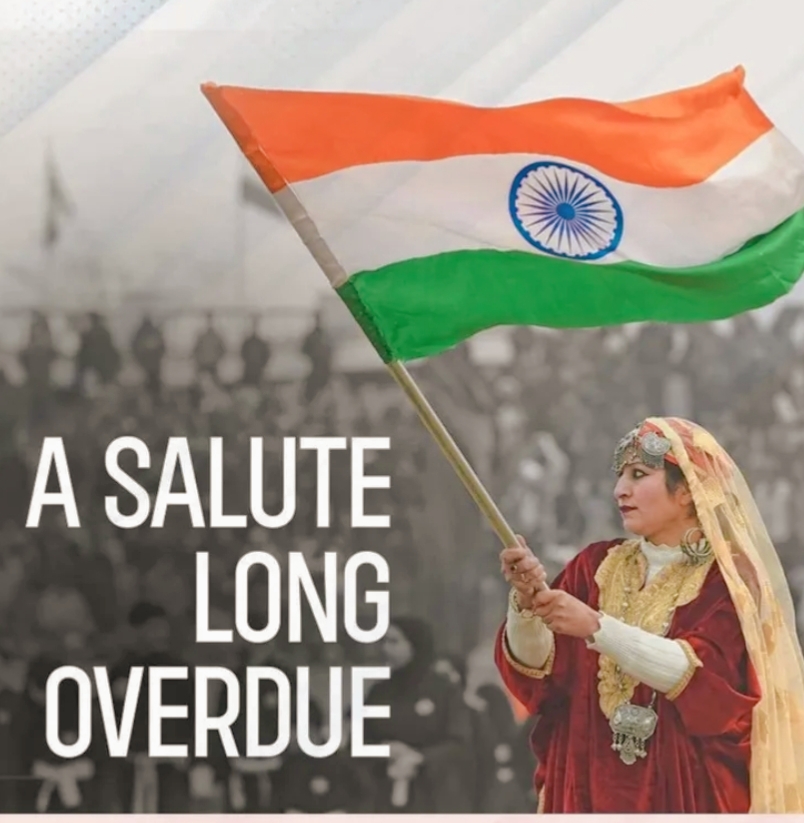
Former separatist voices are rewriting the Valley’s script, trading boycotts for governance, and cautiously steering one of India’s most complex regions toward democratic normalcy.
In a region long defined by political estrangement, insurgent rhetoric, and a deep mistrust of New Delhi, an extraordinary transformation is underway. Leaders who once championed separatist ideologies—voices synonymous with defiance—are now stepping into the electoral spotlight. They are not only contesting elections but also forming alliances with national parties, fundamentally rewriting the political script of Jammu and Kashmir. This isn’t a subtle shift; it’s a dramatic departure from decades of boycotts, barricades, and bitter disengagement.

One high-profile example is a leader whose past speeches were steeped in fierce criticism of the Indian state. Today, he is crisscrossing constituencies, shaking hands, delivering campaign speeches, and rallying support like any seasoned politician. His transformation mirrors a broader current sweeping through the Valley—a pivot from rejecting democratic institutions to embracing them. Stages once reserved for defiance are now platforms for policy promises.
This momentum has its roots in the seismic political shock of August 2019, when Article 370 was abrogated, stripping J&K of its special status and integrating it fully into the Indian Union. The move, controversial and deeply polarizing at the time, didn’t just alter the constitutional framework—it redrew the entire political battlefield. Every law in the Indian Constitution became applicable to the region, erasing the legal grey zone that had existed for decades.

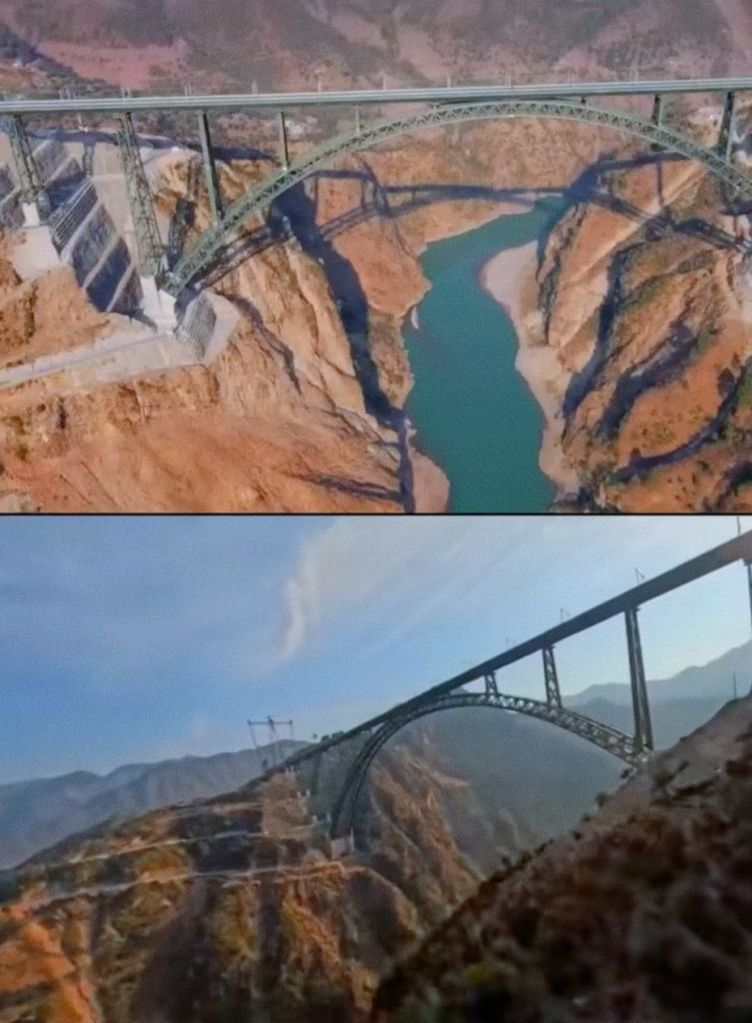
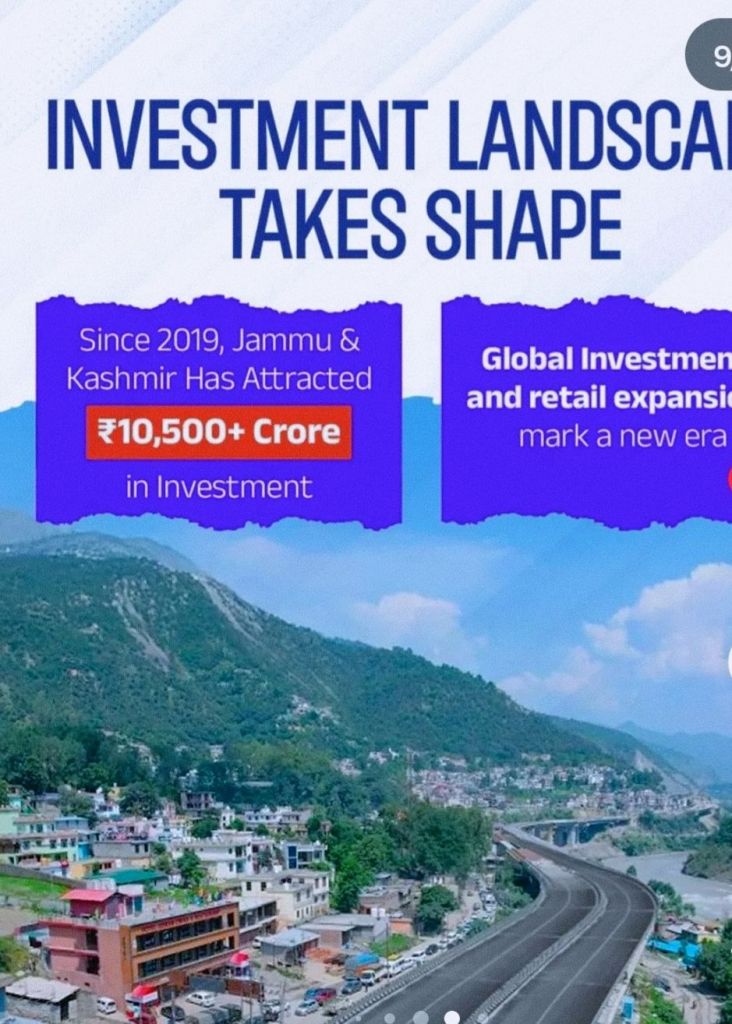
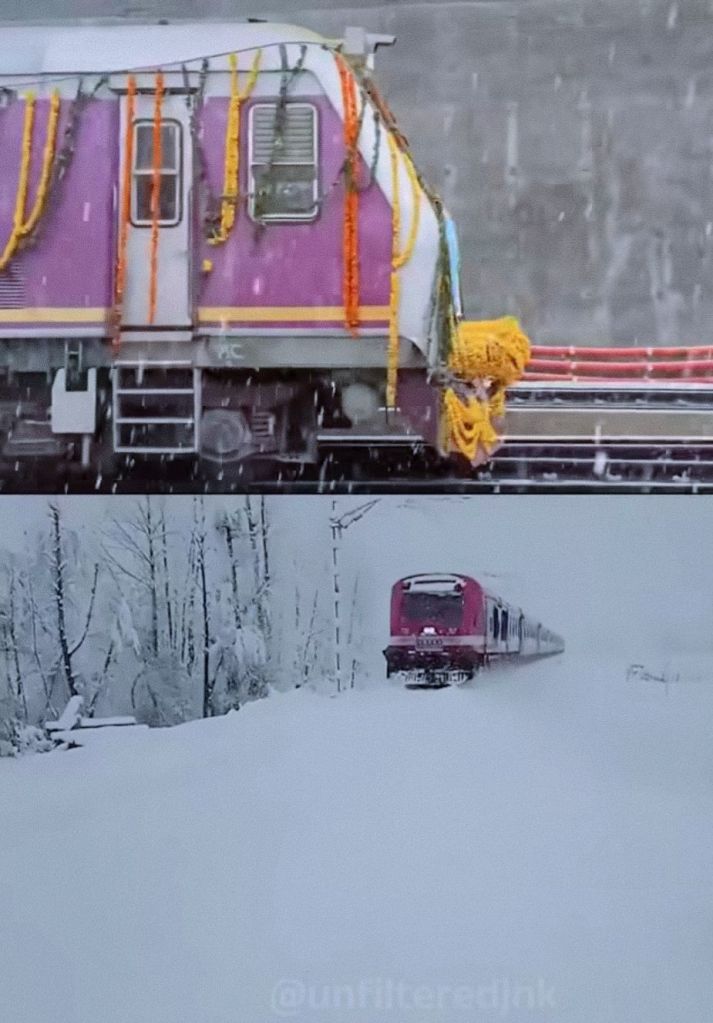
Alongside this legislative overhaul came a surge of development projects. Roads, bridges, medical colleges, tourism hubs, and industrial parks began to materialize, signalling a visible shift in the state’s infrastructure. These projects were not just symbolic gestures; they were intended to change the lived reality of the people—making governance tangible in a place where it had often felt distant.
Security dynamics, too, have evolved. Violence has receded in many areas, creating space for public gatherings, rallies, and political discourse that once risked being overshadowed by conflict. The difference is visible in voter turnout figures, which now reflect not just participation, but a cautious but growing faith in the democratic process.
The generational dimension of this change is striking. Many young people in J&K, having grown up amidst uncertainty, are prioritizing aspirations that revolve around education, employment, and stability. For them, separatist narratives feel like relics of a past that has yielded little in terms of tangible improvement. Development programs and central government initiatives offering job opportunities, skill-building, and business incentives are far more attractive than ideological posturing.
This isn’t to suggest that the road ahead is free from challenges. Historical grievances still cast long shadows. Trust is not rebuilt overnight, and reconciliation remains a slow, often fragile process. There is still scepticism—both from within the Valley and from those outside watching the shift unfold. Critics argue that political integration will be hollow unless it is accompanied by genuine dialogue on the unresolved issues that have fuelled decades of alienation.
Yet, the significance of former separatist voices now participating in elections cannot be overstated. It marks a potential turning point in the political culture of the region. Where once the act of voting was dismissed as capitulation, it is now increasingly seen as a legitimate means of shaping the future.
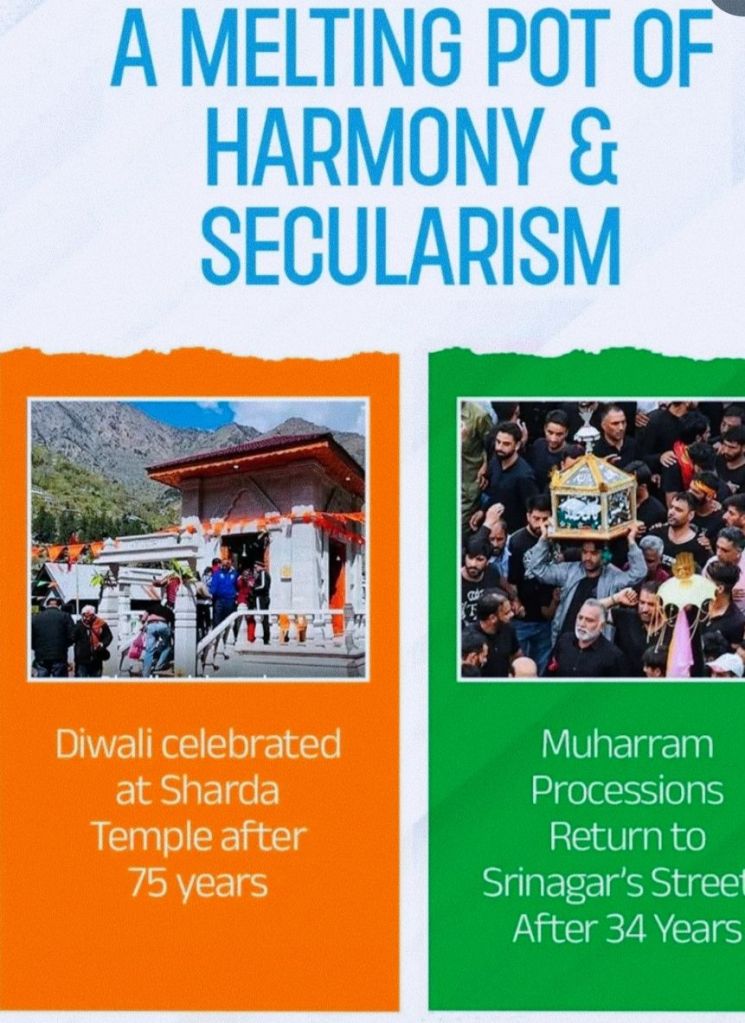
Observers note that J&K’s evolving political scene could serve as a global case study in conflict resolution through a combination of decisive policy change, infrastructural investment, improved security, and inclusive political engagement. The formula is not perfect—and it is certainly not without risk—but it suggests that entrenched divisions can sometimes be softened when citizens witness tangible, positive changes in their daily lives.

The stakes are high. For the central government, sustaining this momentum means ensuring that economic promises don’t evaporate into rhetoric, and that political inclusion is substantive rather than cosmetic. For regional leaders making this transition, it requires earning the trust of constituents while managing suspicion from old allies who see participation as betrayal. And for ordinary citizens, it involves holding leaders accountable for delivering on the vision of a stable, prosperous, and democratic Jammu and Kashmir.

The irony is both sharp and symbolic: individuals who once dismissed Indian elections as illegitimate are now relying on those very elections to secure political futures. This reversal is more than political theatre—it’s evidence of democracy’s adaptability. The ballot, once shunned, has become the battlefield of choice.
To outsiders, the transformation might look like a paradox, but to those within the region, it represents the slow, complex, and sometimes contradictory path toward normalcy. Disruption is being replaced by dialogue. Despair is giving way to development. And a democratic process, imperfect yet resilient, is gaining new champions in one of the most politically sensitive corners of the world.
If the current trajectory holds, it could redefine the region’s identity—away from the cycles of unrest and toward a politics grounded in governance and growth. It won’t erase the past, but it may build a future in which disagreements are resolved in debating halls rather than on the streets.
In a place where hope has often been fleeting, the very act of participating—of choosing to engage rather than disengage—feels radical. And in that choice lies the possibility of a Jammu and Kashmir that finally trades boycotts for ballots, and in doing so, moonwalks—perhaps awkwardly, perhaps brilliantly—into the heart of Indian democracy.
Visit arjasrikanth.in for more insights
 SOCIAL PERSPECTIVES