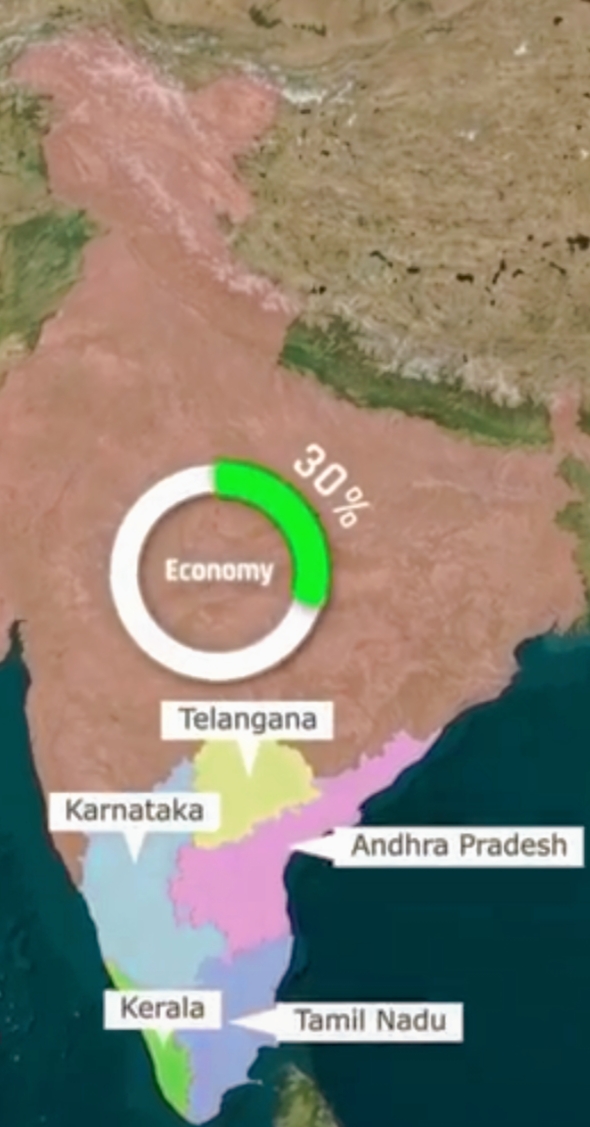
“From Hosur’s electric scooters to Hyderabad’s biotech labs and Kerala’s fintech hubs, South India’s states duel as gladiators, where culture, innovation, and audacious moves decide India’s economic future.”
India’s economic map is being redrawn, and the compass needle is swinging south. Tamil Nadu, Karnataka, Telangana, Andhra Pradesh, and Kerala have become gladiators in a high-stakes arena where the prize is not merely foreign direct investment but the right to claim they are driving India’s trillion-dollar future. It is a spectacle where automobile factories stand beside karaoke rooms, IT coders rub shoulders with shrimp exporters, and golf courses are pitched as aggressively as tax incentives. Welcome to the wild, unpredictable, and strangely effective South Indian Hunger Games of Growth.

Tamil Nadu, the undisputed heavyweight, is scripting an audacious playbook. Once the Detroit of the East with half of India’s car production, it has swaggered into electronics and EVs. Hosur, once sleepy, now hums with electric scooters and semiconductors, while Coimbatore reinvents itself as a hub of precision manufacturing. Political stability across parties, professional investment agencies, and decentralization away from Chennai have created a constellation of industrial cities, each orbiting a trillion-dollar dream. Tamil Nadu has stopped being a capital-city story; it is a multi-polar industrial galaxy.

Karnataka refuses to be left behind. Bengaluru continues to be India’s IT brain, attracting more venture capital than most countries in a year, but software alone cannot drive growth. Aerospace hubs near Devanahalli, biotech clusters brimming with labs, and electronics corridors on the city’s fringes reflect a conscious effort to add muscle to its brain. Land acquisition nightmares, patchy infrastructure, and the challenge of bridging urban-rural development remain obstacles, yet the state radiates confidence that innovation first will keep investors pouring in.

Andhra Pradesh, the comeback kid, leans on Chandrababu Naidu’s vision. Stripped of Hyderabad after bifurcation, it uses its long coastline, modern ports, and food processing units to lure capital. Shrimp exports are quietly becoming its global calling card, with textiles and automobiles adding heft. Naidu’s aggressive courtship—red-carpet treatment, land and power incentives—positions Andhra as a speed and scale state. But Amaravati’s half-built dream looms, a cautionary tale that without policy stability, flashy promises can fall flat.
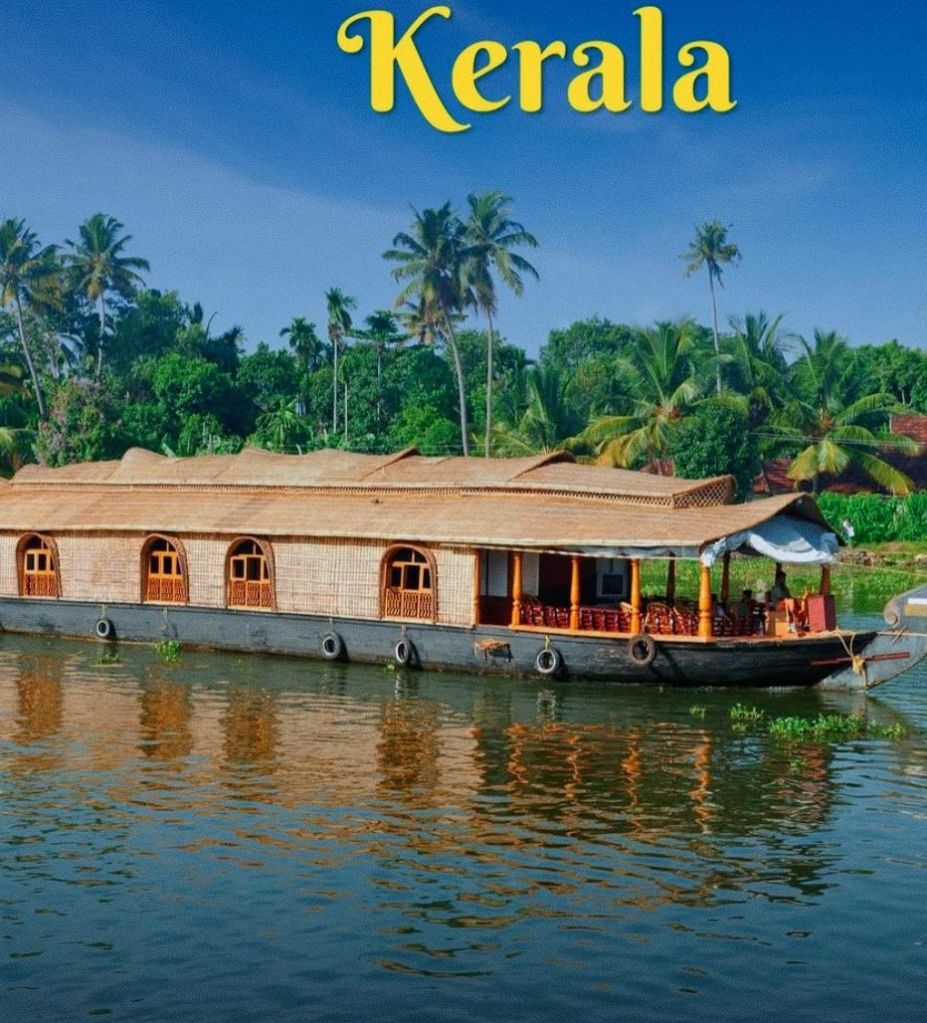
Kerala, the contrarian, cannot compete with smokestack industries, so it bets on brains over brawn. With high literacy, tech-savvy youth, and a globally mobile diaspora, it promotes fintech parks, AI skill centers, and startup villages alongside tourism and Ayurveda. Ironically, a Left-ruled state that once dismissed capitalist jamborees now pitches investors like stockbrokers. Kerala’s gamble is on smarts rather than scale, a strategy that makes the state intriguing and sustainable in its niche.
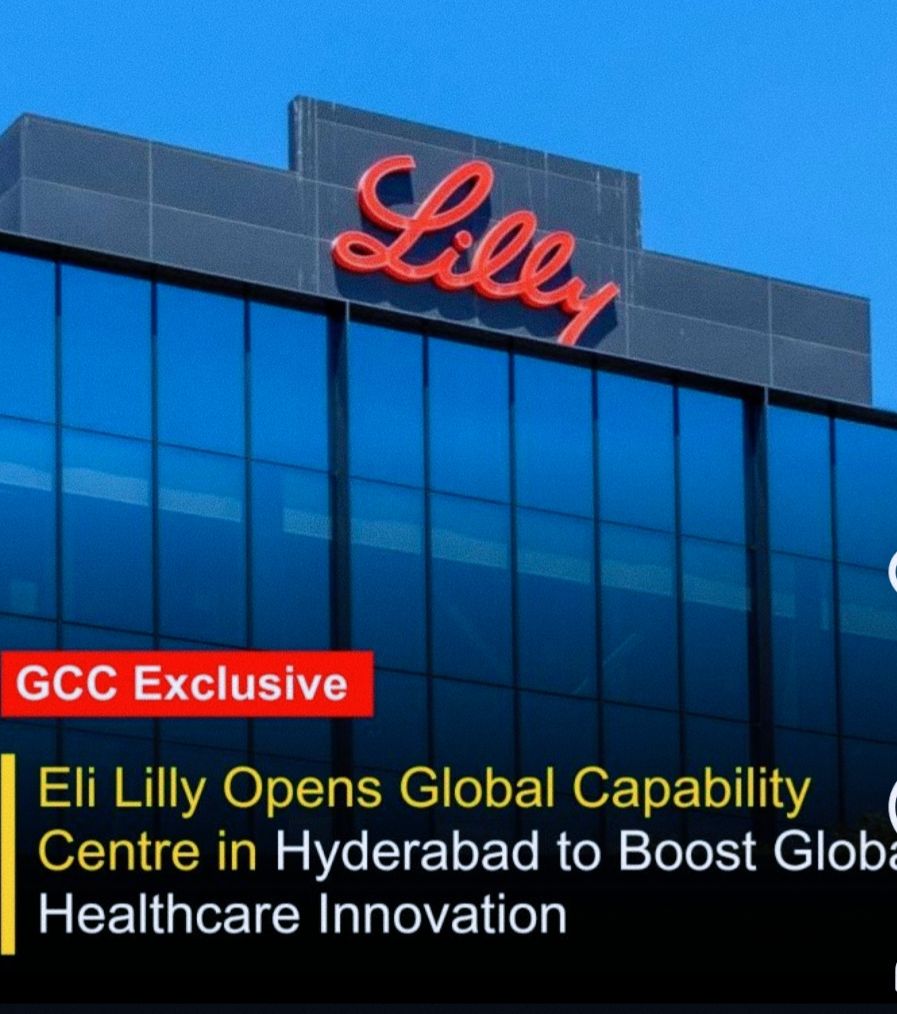
Telangana, the restless startup of the south, pushes harder. Hyderabad shines as India’s biotech and pharma capital, but the state brands itself for AI cities, GCC hubs, and data centers. Its professional investment arm runs like a consulting firm, and ministers openly treat competition with Tamil Nadu and Andhra as personal. Investors enjoy the attention; it’s a courtship where they are treated as royalty. Telangana’s audacity is emblematic of a state willing to overshoot to claim the prize.
Yet cracks remain beneath the glamour. Infrastructure gaps choke smaller towns. A severe skills shortage—the formally trained workforce barely a tenth—threatens industrial ambitions. Labor unrest simmers, and the semiconductor rush exposes talent scarcity. Climate risks like water scarcity loom large, reminding policymakers that trillion-dollar dreams are fragile. Without reforms in education, industrial relations, and environmental policy, the South risks faltering under its own hype.

What makes this southern contest both absurd and brilliant is the cultural personalization of investment pitches. Tamil Nadu studies Japanese etiquette to woo automakers. Telangana knows karaoke bars seal Korean deals. Karnataka flaunts cosmopolitan vibes. Andhra dangles land near ports. Kerala whispers of beaches, wellness, and lifestyle. Golf courses, karaoke rooms, and shrimp farms have become as important as tax incentives. It is surreal, yet effective: in a world where capital is footloose, states must sell not only policies but dreams.
The paradox is striking: these states compete like gladiators but thrive like collaborators. Industrial corridors cut across borders, knowledge is shamelessly copied, and water disputes are managed with pragmatism. Together, they account for over 30% of India’s GDP, a share poised to grow. The South has cracked the code: competition fuels innovation, collaboration sustains credibility.

India’s future will not be scripted only in Delhi or Mumbai; it will be forged in Hosur’s factories, Bengaluru’s labs, Hyderabad’s biotech parks, Amaravati’s ports, and Kerala’s fintech hubs. Karaoke nights, golf courses, shrimp exports, and semiconductors may sound like a bizarre cocktail, but together, they define South India’s rise. When India eventually stands as a $30-trillion economy by 2047, history will credit the South as the chef who cooked the meal.
Visit arjasrikanth.in for more insights
 SOCIAL PERSPECTIVES
One response to “Dosas, Drones, and Dollar Dreams: The South Indian Hunger Games of Growth”
A good article presenting the information of development happening in the southern states and how they are part of the vision of trillion dollar economy by 2047
LikeLike