
“From airport promises to digital gulags, thousands of Indian youths chasing jobs in Thailand or Cambodia are trapped in scams, torture, and exploitation—a one-way ticket to hell.”
The promise is seductive, dangerously simple, and wrapped in the glitter of globalization: a job abroad, easy money, maybe even a shot at a brighter life in Thailand. For thousands of young Indians, especially from small towns where dreams often outpace opportunities, this lure has become bait for one of the cruellest fraud industries of our time. In recent months, India has watched in horror as planeloads of its citizens return home not with paychecks, but with scars—rescued from lawless borderlands of Myanmar, trafficked into cybercrime compounds that sound less like workplaces and more like dystopian nightmares.

The script is chillingly efficient. Recruitment begins with slick online ads promising roles as “chat support staff,” “crypto exchange agents,” or “sales executives” in Bangkok. Smooth-talking mediators—often Indians themselves—arrange visas, tickets, and convincing paperwork. Families, blinded by hope, scrape together savings to cover travel. At the airport, nothing seems amiss. But on arrival, the trap slams shut. Passports are confiscated for “visa processing,” and the new recruits are hustled into guarded cars headed for Myanmar’s chaotic border towns like Myawaddy. From there, they vanish into walled compounds that operate like digital gulags.

Inside these fortified camps lies a reality stripped of law, conscience, or escape. The model is part cyber sweatshop, part prison. Barbed fences and armed guards make flight nearly impossible. On day one, workers are informed that they now owe “debts”—for airfare, food, and housing. That invented debt becomes their leash. To “repay” it, they are forced into a grotesque digital assembly line: elaborate online scams targeting victims worldwide. Trainees are drilled in impersonating brokers, lovers, or crypto advisors, cultivating trust with strangers before draining their savings through fake platforms. Every keystroke is surveilled. Quotas are brutal. Failure is punished with fists, electric rods, starvation, or worse.

The testimonies of those who have made it back are harrowing. Young men recount being beaten unconscious for missing targets. Women describe unending harassment and sexual coercion. Those who attempt escape are dragged back, tortured, and sometimes “resold” to harsher operators like cattle. In some cases, families in India are contacted directly—extorted to pay ransoms in exchange for their children’s release. Survivors describe being trapped in a surreal loop of deception and violence: enslaved to commit fraud while being themselves defrauded of their dignity, safety, and freedom.

At the top of this pyramid of cruelty sit transnational crime syndicates with Chinese roots, shifting operations to Southeast Asia after Beijing’s crackdown on illegal gambling hubs in Macau. Myanmar’s chaos following the 2021 coup provided a perfect incubator: fractured governance, corrupt militias, and desperate local actors eager for cash. Militias control territory along the Thai border, guarding scam factories in exchange for profit shares. Reports suggest even factions of Myanmar’s military look the other way—or worse, enable operations. Add the anonymity of cryptocurrencies and global messaging platforms, and the machinery hums like a dystopian factory farm for human exploitation.
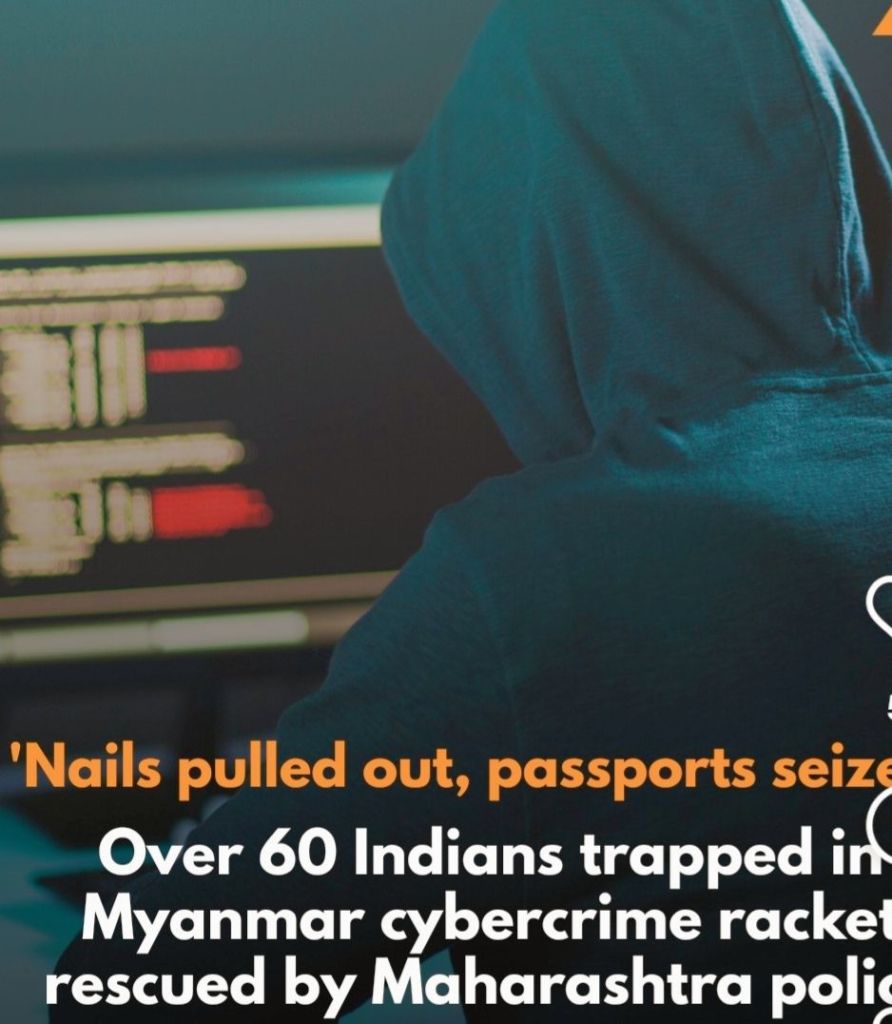
The money involved is astronomical. Between 2020 and 2024, victims worldwide lost an estimated $75 billion to scams linked to these compounds. The notorious “pig butchering” fraud—where scammers fatten victims with fake profits before a devastating final cleanout—alone accounts for billions in losses across the United States, China, and beyond. But behind these glossy figures lies the true tragedy: the 200,000-plus trafficked workers, according to UN estimates, who are beaten, broken, and enslaved to power this grotesque economy.
For India, the crisis carries a double sting. Not only are its youngsters fueling this machinery of global fraud, but they are also among its most brutalized victims. The Ministry of External Affairs has scrambled to negotiate repatriations through Thailand, with dozens rescued in recent months. Yet every planeload back is also a reminder of the invisible many still locked inside. For returnees, the nightmare doesn’t end with rescue. They come home scarred—physically battered, mentally shattered, socially stigmatized—with little institutional support for reintegration.
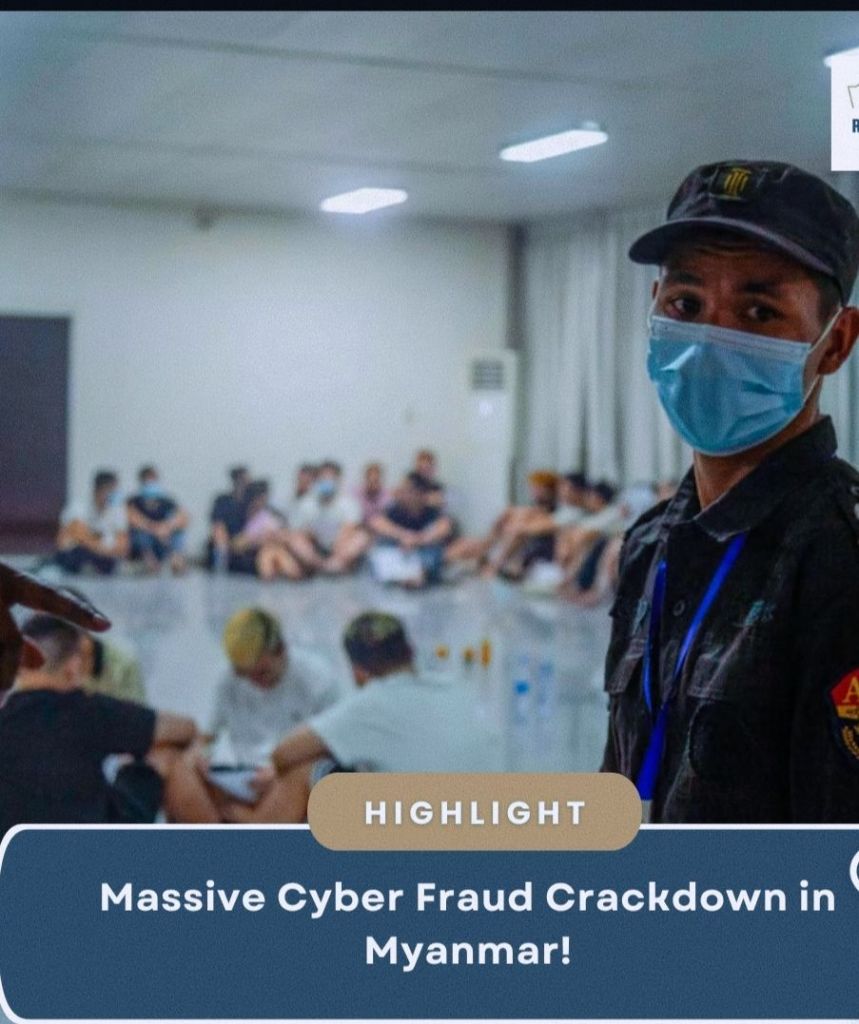
What this saga makes brutally clear is that this is no longer just an “online scam” problem. It is a multinational industry of modern slavery, lubricated by desperation, impunity, and digital technology. It thrives on porous borders, corrupt recruiters, and crypto anonymity. And it will not vanish with token raids or symbolic crackdowns. It demands coordinated global responses—harder visa vetting, intelligence cooperation, tech platform accountability, and above all, recognition that every fraudulent click comes at the cost of a captive human life.

The Indian youths caught in this nightmare embody the fragility of dreams in our digital age. They boarded flights chasing opportunity. They landed in cyber prisons, chained to keyboards under the threat of torture. Their pain should ignite more than pity—it should compel governments, law enforcement, and digital giants to strike directly at the heart of this grotesque industry. Because as long as the scam factories thrive in Myanmar’s shadows, every “job abroad” ad flashing on a smartphone screen could be another one-way ticket to hell.
Visit arjasrikanth.in for more insights
 SOCIAL PERSPECTIVES
One response to ““Cyber Slaves, Crypto Chains, and the Thai Ticket to Hell: India’s Newest Export””
horrible sir, really it’s is the time to think globally to flight against these anti social activities.
LikeLike