
After seven years, India’s Prime Minister visits China to steer a delicate dance of trade, diplomacy, and interdependence where rare earths, fertilizers, pharmaceuticals, and rivers shape the fate of millions.
After a seven-year hiatus, India’s Prime Minister is visiting China, signaling a deliberate effort to strengthen bilateral ties and trade relations between two of Asia’s largest economies. What unfolds is a drama that is part rivalry, part reluctant partnership, and part hostage scenario—starring rare earths, fertilizers, and pharmaceuticals, commodities that have turned boardrooms, ministries, and hospital corridors into high-tension zones. Rare earths power the green-energy dream, fertilizers sustain agriculture, and medicines keep millions alive. A sudden tweak in any of these sectors can ripple across industries, making dependency both a curse and a lifeline.

The saga begins with rare earth magnets—the invisible engines inside electric vehicles, wind turbines, and smartphones. When exports tightened, supply chains shuddered. Production lines slowed, launches were delayed, and companies banking on the EV boom found empty warehouses. The lesson was stark: controlling 60 percent of mining and 90 percent of refining transforms dependency into destiny. The global green transition can be throttled not by technological gaps but by bottlenecks in the earth itself.
Agriculture, the backbone of Asia’s economies, faced similar turbulence. Fertilizer exports, particularly urea and diammonium phosphate, were curtailed. Specialty variants trickled in, too little to stabilize prices. Pulses, oilseeds, and vegetables became vulnerable; farmers’ input costs surged by 30 percent. Some postponed sowing, others delayed harvests, all while monitoring global import rates. Alternatives existed but carried inflated logistics costs. Inflation, invisible yet relentless, underscored that food security and foreign policy are inseparable.

P1harmaceuticals, however, offered a curious twist of collaboration. China supplies nearly 70 percent of active pharmaceutical ingredients, while India’s generics industry has become the world’s affordable pharmacy. Trade tensions elsewhere forced a reconsideration of old rivalries. Biotech innovation met scalable generics production, revealing a partnership where competition and opportunity coexist. Managed well, this could reshape global healthcare; missteps could exacerbate scarcity.
Diplomatic choreography followed. High-level visits resumed, direct flights restarted, and limited export curbs were eased. Negotiations targeted a narrow trade package: magnets, fertilizers, and pharmaceuticals.
Cooperation where stakes are life-and-death, contest elsewhere—diplomacy became compartmentalized, a handshake with one palm while the other remained clenched. Yet caution persisted. Rare earth shipments trickled selectively, fertilizer allocations were tentative, and pharmaceutical deals carried historical scars. The convergence of clean energy, agriculture, and healthcare pressures forced policymakers, CEOs, and diplomats into late-night recalibrations. Electric vehicle firms budgeted for domestic mineral projects, farmers lobbied for import diversification, and pharmaceutical companies pushed for regulatory support for R&D while hedging against global shocks. Everyone chased resilience, fully aware that disruption can arrive in minutes while rebuilding takes years.

The irony is unavoidable. One country possesses minerals powering the planet’s future; the other manufactures medicines sustaining life. Neither can walk away; neither wants to appear weak. Dependency is both weapon and lifeline, resented yet indispensable. The outcome will reshape bilateral ties and global supply chains, affecting ordinary citizens—from EV prices to grocery bills and drug availability—all entangled in the chessboard of diplomacy.
Underlying these tensions is the broader backdrop of China’s economic model versus India’s. Decades of state-controlled enterprises, oversupply, and regulatory unpredictability have hindered Chinese market growth, while India’s reforms in the 1990s built credibility, transparency, and investor trust. Households trust India’s markets; they hoard cash in China. The tiger soars, the dragon hovers, proving that trust is the invisible currency of sustainable growth.
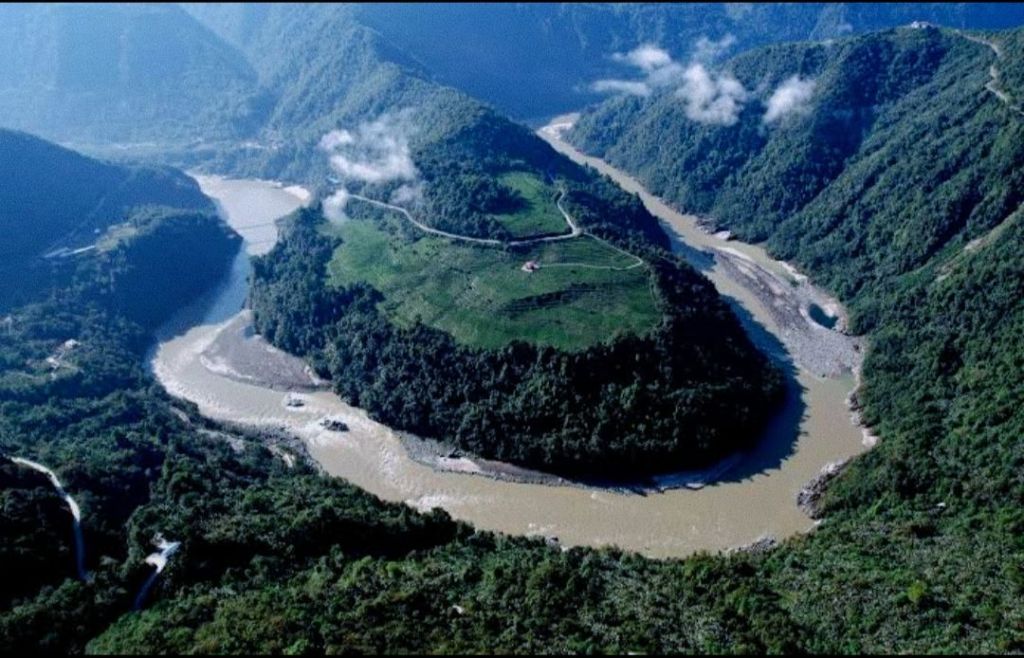
Meanwhile, water adds another layer of complexity. China’s hydropower ambitions on the Yarlung Tsangpo—the Brahmaputra in India—introduce ecological, geopolitical, and humanitarian stakes. Millions in Arunachal Pradesh, Assam, and Bangladesh rely on its predictable floods. Alterations in flow, sediment, or timing could devastate farmlands, fisheries, and communities. India must combine diplomacy, coordination with Bangladesh, and robust domestic resilience—including flood infrastructure, water storage, and real-time monitoring. The river is not just water but power—a lever of influence, a potential hazard, and a test of transboundary cooperation in the era of climate stress.

In this high-stakes theatre, India and China are frenemies bound by mutual dependence. Rare earths, fertilizers, pharmaceuticals, financial trust, and even water flow form a delicate choreography of collaboration and caution. The Prime Minister’s visit is more than ceremonial; it is an inflection point, an opportunity to navigate dependency into mutual advantage, ensuring that Asia’s two giants harness their combined strengths without letting competition become catastrophe.
The question remains: will the tiger and the dragon co-create stability, or will the next shock reveal the fragility underlying globalization itself? Magnets, meals, medicine, and megawatts hang in the balance, reminding the world that interdependence, if managed wisely, is both power and peril.
Visit arjasrikanth.in for more insights
 SOCIAL PERSPECTIVES
One response to “Dragon, Tiger, and the River Between: India-China’s High-Stakes Game of Magnets, Meals, and Medicine”
Both the powers should stay united as friend not as foe forever to make the World a wonderfull place to live in.
LikeLike