
“Reviving Swadeshi Spirit: How Cultural Festivals, Conscious Consumption, and Patriotic Buying Transform Indian Markets into Frontlines of Economic Sovereignty.”
History rarely repeats itself in identical costume, yet its echoes can shake the present with uncanny force. A century ago, the Swadeshi movement became India’s moral thunderbolt against colonial rule. The boycott of foreign cloth and the embrace of the humble charkha transformed consumption into resistance, weaving unity into every thread of yarn. That same spirit, once kindled against an empire’s industrial might, now flickers again—this time against an onslaught of unilateral American tariffs that threaten to smother India’s export potential. Prime Minister’s renewed call for Swadeshi is not merely an act of Gandhian nostalgia but a calculated act of economic statecraft, a twenty-first-century reinvention of an old weapon.
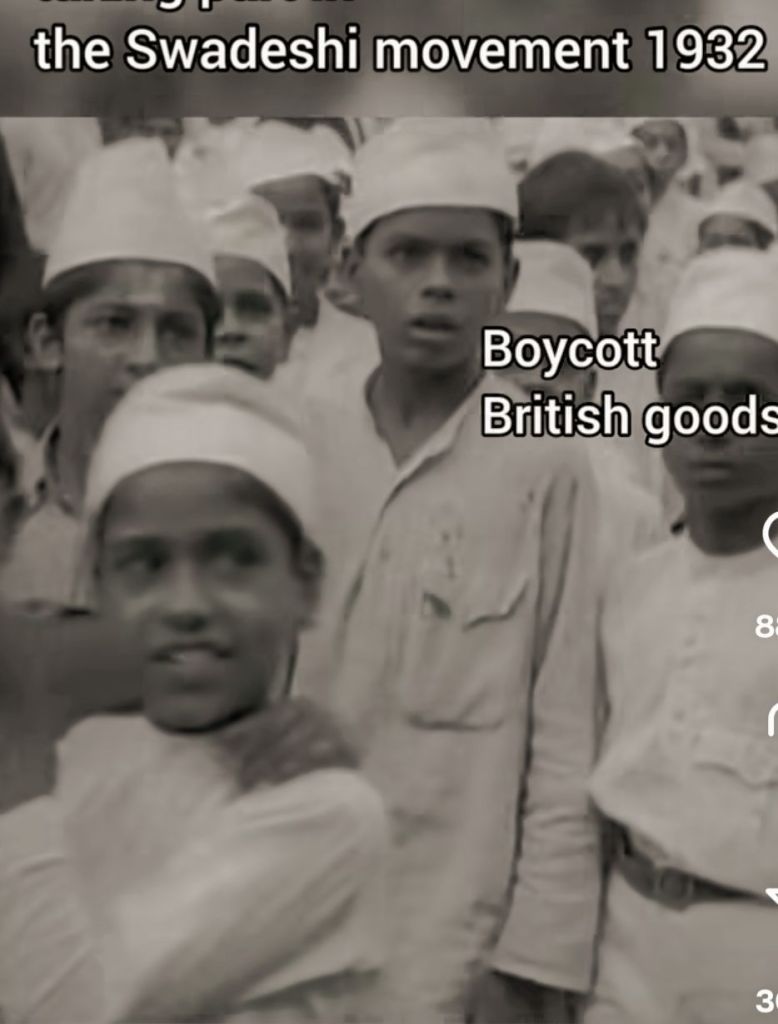
What makes this revival electric is its fusion with cultural rhythm. India’s great festivals—Navratri, Dussehra, Diwali—are not just religious milestones but colossal economic seasons when wallets open, bazaars throb, and the nation consumes with joyous abandon. By rooting the Swadeshi appeal in these sacred cycles, PM transforms a technical response to tariffs into a patriotic ritual. The act of buying a diya lamp, a silk sari, or even a locally made mobile phone becomes not only commerce but a consecrated gesture of national participation. Where Gandhi once urged the spinning of khadi, Modi now nudges Indians to swipe their cards for products that carry the stamp of “Made in India.”
The brilliance lies in its warmth. A tariff chart is cold, a trade dispute abstract, but a Diwali lamp glowing in the courtyard speaks to the heart. For the devout buyer, every rupee spent on indigenous goods echoes resistance to economic subjugation. For the small trader and artisan, it offers survival, hope, and perhaps even prosperity. The festive marketplace turns from a carnival of consumption into a battlefield for economic sovereignty, where each purchase is a tiny arrow loosed in defense of national pride.
Behind the cultural theatre, however, lurks hard geopolitics. American tariffs have struck deeply at India’s exports, from steel to textiles, squeezing revenues and creating uncertainty for industries that thrive on global demand. New Delhi negotiates furiously, but diplomacy is a slow grind. PM’s Swadeshi 2.0 offers a faster antidote—turn the energy inward, fortify domestic demand, reduce reliance on fragile foreign markets, and ensure that when the world shuts a door, Indian households open a thousand windows of consumption. It is resilience reimagined, not as austerity, but as celebration.
This turn inward is not submissive retreat; it is assertion. By fusing culture and economics, India signals to the world that it will not be held hostage by external trade diktats. The Swadeshi festivals are not only for citizens but also for spectators abroad—a subtle declaration that India’s market can sustain itself, that its people will rally when challenged, and that sovereignty extends from parliament to pocketbook. Global negotiators now see not just a government defending its exporters but a society mobilizing its consumers.
Retailers and businesses will inevitably ride this wave. Expect storefronts to gleam with Swadeshi signs, e-commerce platforms to highlight “Made in India” tabs, and advertising campaigns to pivot from price tags to pride tags. For artisans in Varanasi, weavers in Andhra, toy makers in Channapatna, or sweet sellers in small towns, the new tide could mean lifelines. If the movement catches fire, the buzz of local markets will not only be festive but revolutionary.

Politics cannot be divorced from this narrative. Every rupee redirected from foreign imports to Indian goods does double duty: it strengthens local industry and reinforces the political capital of the government that inspired the shift. Nationalism wrapped in festival lights has potent appeal. When citizens see their everyday purchases as acts of loyalty and self-respect, economic policy fuses with political identity. It is both ballot and bazaar strategy, both policy and populism, a dual thrust few leaders dare attempt and fewer still can pull off.
Still, the road is not without potholes. India’s commitments under trade treaties limit how far it can push protectionist levers. A consumer-driven Swadeshi movement cleverly sidesteps these constraints, but sustaining momentum beyond festive peaks will be challenging. Global supply chains cannot be wished away overnight, and the allure of cheap imports remains powerful. Yet the genius of the plan is its voluntary core—if citizens choose Swadeshi out of pride, the effect mirrors tariffs without the diplomatic backlash.
Ultimately, this is not just a campaign but an ethic. The Prime Minister’s call is for more than seasonal shopping preferences; it is for a durable re-wiring of consumer consciousness. Just as Gandhi once redefined spinning as resistance, Modi now redefines shopping as sovereignty. The charkha of the twentieth century and the checkout counter of the twenty-first are tied by one unbroken thread—the conviction that consumption, guided by conscience, is power.

In the turbulence of global trade wars, India’s shield may not lie in courtrooms of Geneva or the corridors of Washington but in the hearts and wallets of its own people. To buy Indian is to believe in India; to choose Swadeshi is to choose sovereignty. The festivals ahead may sparkle with diyas, but their true glow may come from a million quiet acts of economic defiance—each one a modern echo of an old revolution.
Visit arjasrikanth.in for more insights
 SOCIAL PERSPECTIVES