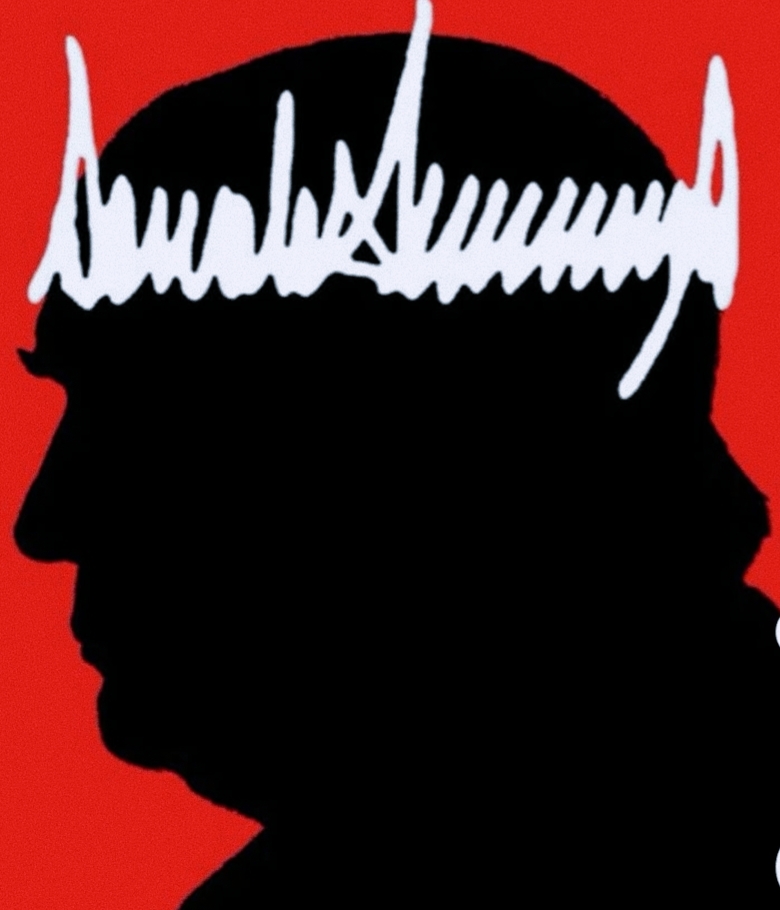
From NATO walkouts to supermarket price wars, Trump’s America First mantra became a drama of disruption—loud, theatrical, and dangerously isolating.
Donald Trump’s presidency will not be remembered as a conventional policy handbook, because it was never meant to be one. It was theatre disguised as governance, spectacle masquerading as strategy, and a worldview that saw alliances as burdens and loyalty as a bargaining chip. The legacy of Trumpism lies less in spreadsheets of tariffs or charts of trade deficits than in the deeper signal it sent to the world: America would rather stand alone on stage, shouting loudly, than share the script of global cooperation painstakingly written since 1945.

The numbers tell a loud story—average U.S. tariffs jumping from 2.3% to more than 15%, hammering over $2 trillion worth of imports. This was not invisible policy wonkery; it landed directly on supermarket shelves and family wallets, inflating prices and turning groceries into a stealth tax on voters. Farmers, once the backbone of Trump’s electoral map, found their soybeans unwelcome in Chinese ports. Automakers watched costs climb as supply chains snarled. Yet economics alone cannot explain the phenomenon. To view Trump’s actions only in terms of money is to miss their essence. What he offered was not an economic revival but a political show where disruption itself was the prize.
Walking out of the Paris Climate Agreement was framed as protecting American jobs. Threatening to quit NATO was spun as burden-sharing. Abandoning the WHO in the middle of a pandemic was sold as sovereignty. Reviewing hundreds of treaties was pitched as accountability. Each move carried an internal logic, but collectively they announced retreat. America, once the anchor of global institutions, suddenly looked like a restless tenant tearing up contracts and storming out of meetings. The paradox was staggering: a president claiming to restore American primacy who, in reality, accelerated the world’s readiness to function without America at its core.
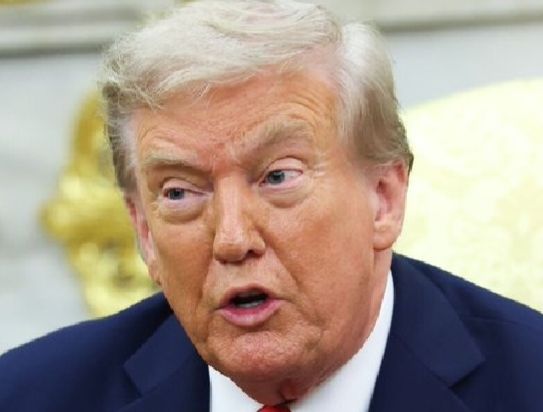
The ripple effects were immediate. Japan and South Korea, two allies once tethered tightly to Washington’s orbit, began striking deals without American mediation. Europe, bruised by Trump’s scorn, revived talk of defense autonomy. China, patient and opportunistic, poured cement and cash across Africa, Latin America, and Southeast Asia, presenting itself as the steady alternative. In every withdrawal, Beijing saw an invitation. In every tariff tantrum, rivals forged new friendships. The world did not collapse under Trump’s unilateralism—it adapted, and not in America’s favor.
Historians, warn that great powers often falter not from conquest abroad but from fractures of their own making. Trump’s embrace of Putin at summits while shoving NATO allies to the sidelines drew uneasy comparisons with the 1930s, when Neville Chamberlain’s belief in personal diplomacy and concessions produced the calamity of appeasement. The lesson of Munich was not simply that concessions fail, but that misreading both friends and foes can accelerate disaster. Today, treating Ukraine’s survival as a bargaining chip risks cementing conquest by tanks, just as sacrificing Czechoslovakia emboldened Hitler. The echo is less about identical contexts than about repeating the same fatal error: confusing personal rapport with geopolitical stability.
Inside America, the same unilateral impulse played out in miniature. Deploying federal forces against governors’ wishes, bending economic levers into partisan tools, and centralizing power in Washington—all echoed his global instinct. Disrupt institutions, display force, claim victory. To his base, these acts radiated strength. To his critics, they looked like the erosion of democratic norms under the constant hum of emergency politics. Either way, the pattern was unmistakable: consensus was weakness, confrontation was glory.
And yet, Trump’s appeal cannot be dismissed as pure illusion. He did speak to grievances ignored for decades: hollowed-out towns, unfair trade, allies not paying their fair share. He gave voice to the forgotten, and that voice resonated. But symbolism is not strategy. Tariffs did not resurrect factories; they raised prices. Threats to NATO did not instill loyalty; they pushed Europe toward self-reliance. Cozy smiles with autocrats did not produce peace; they weakened deterrence. The medicine prescribed with swagger often deepened the illness it sought to cure.
The danger lies not in one presidency but in the precedent it sets. If America continues down this path of transactional nationalism, it risks losing the very foundation of its strength—trust. Allies who no longer trust U.S. commitments will hedge. Rivals who no longer fear U.S. resolve will test. Citizens who no longer trust democratic institutions will cheer their unraveling. The world’s superpower can bully, can disrupt, can inflate its chest for a while. But no superpower prospers in isolation.
History rarely repeats itself exactly, but it rhymes with eerie persistence. Trump’s America First doctrine may be remembered not as a restoration of greatness but as a rehearsal for retreat, an interlude where spectacle took precedence over substance and alliances were bartered like real estate deals. It was the sugar high of unilateralism followed by the hangover of isolation. The haunting question remains: was this just a chapter, or the beginning of America’s loneliest era?
Visit arjasrikanth.in for more insights
 SOCIAL PERSPECTIVES