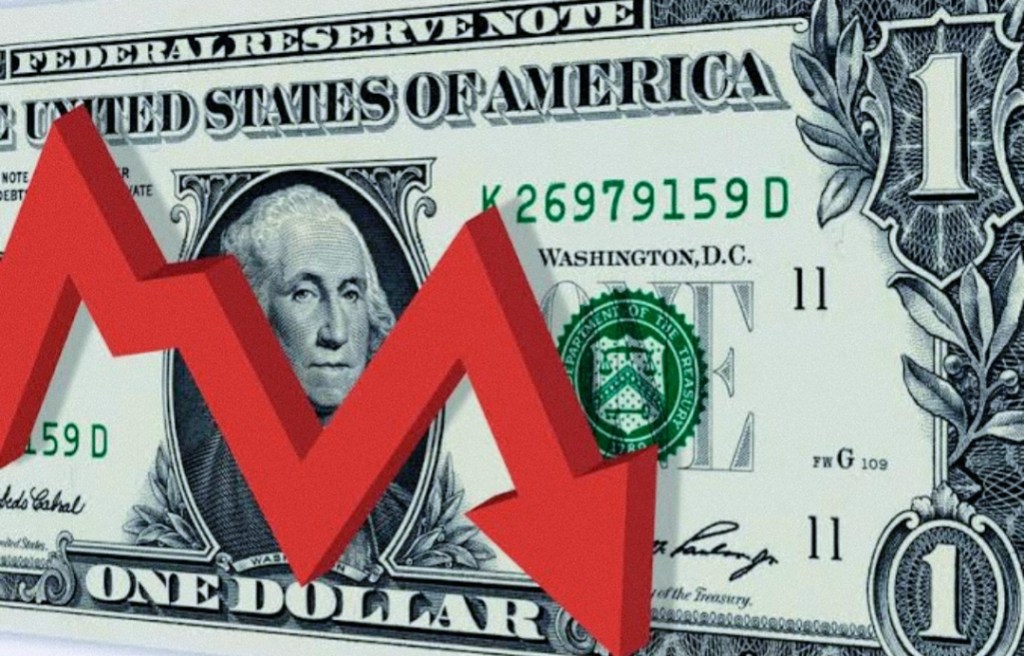
The U.S. dollar isn’t collapsing, it’s corroding—one oil deal, one digital currency, one act of quiet defiance at a time.
For nearly eight decades, the U.S. dollar has ruled like an emperor no one dared to challenge. Oil was priced in dollars, central banks hoarded Treasuries like religious relics, and global trade moved to the beat of Washington’s drum. But empires never fall overnight. They erode—chip by chip, whisper by whisper—until one day the throne no longer looks unshakable. Today, the dollar still wears the crown, but the world is already designing its exit strategy. The name of that strategy is de-dollarization.
At its heart, de-dollarization is simply the act of reducing dependence on the greenback in trade, finance, and reserves. For decades, nations accepted the dollar’s supremacy because it brought liquidity, stability, and convenience. But what once felt like security now feels like a leash. And when Washington weaponized its currency—freezing Russia’s $300 billion in foreign reserves and cutting Moscow off from SWIFT in 2022—the leash suddenly looked like a noose. Countries from Asia to Latin America realized the same thing: if it could happen to Russia, it could happen to them. The weaponization of money sparked a rebellion.
Economic gravity is also working against the dollar. In 2000, the United States made up a fifth of global GDP; today, it hovers closer to 15 percent. Trade has drifted toward Asia, where China quietly pushes its yuan onto the world stage. Back in 2018, the yuan was a rounding error in global currency markets. Now it accounts for 7 percent of foreign exchange turnover—a sliver compared to the dollar, but a leap forward nonetheless. Central banks from Brazil to Turkey are trimming their dollar exposure, piling into gold instead. Gold, the ancient hedge, is suddenly back in vogue as governments grow wary of holding too many American IOUs.
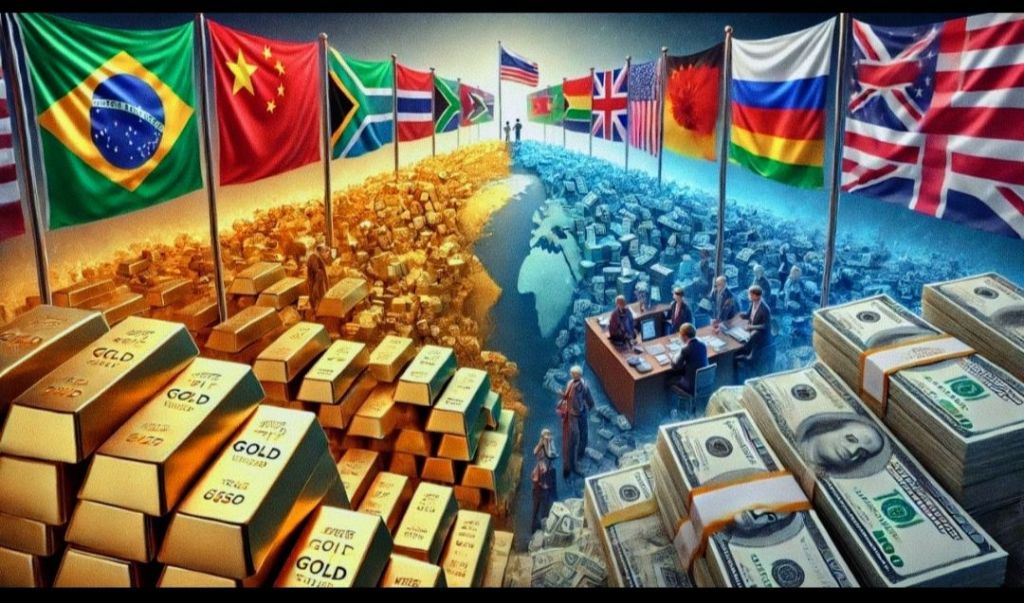
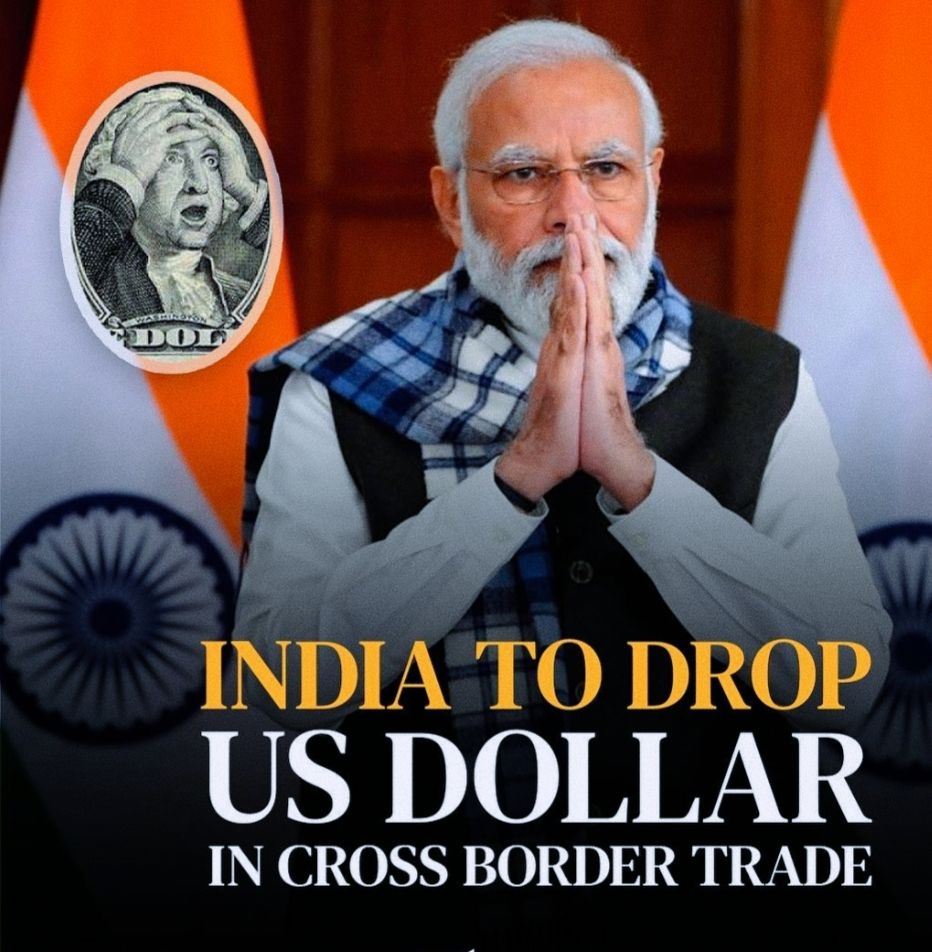
Technology is accelerating this slow-burn revolution. More than 130 countries are testing or developing central bank digital currencies. China’s digital yuan has already been tested in large-scale settlements. India has opened Vostro accounts to settle trade in rupees. ASEAN is stitching together a payment network to allow local currencies to talk to each other directly by 2030. Each move is like an axe to the tree trunk of dollar dominance—not enough to topple it today, but relentless in its chopping.
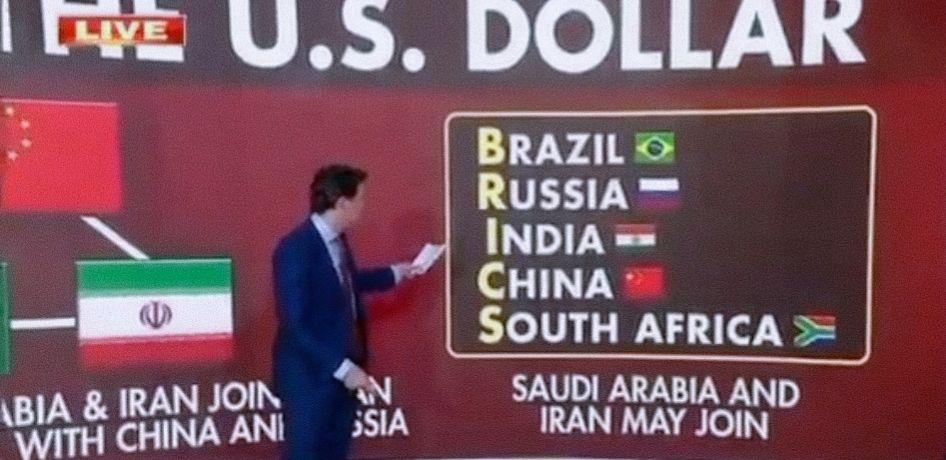
Examples are everywhere. Russia and China now settle more than 90 percent of their trade in rubles and yuan. India and the UAE struck their first crude oil deal in rupees and dirhams. Iran and Russia transact almost entirely in their own currencies. Saudi Arabia—the bedrock of the petrodollar system—is flirting with the idea of selling oil in yuan. BRICS has even launched experiments with a blockchain-based payment system, BRICS Pay, aimed at bypassing SWIFT altogether. The more Washington tightens its grip, the more others seek to wriggle free.
The stakes are enormous. For the United States, a retreat from the dollar means a more expensive future. If foreigners stop buying Treasuries at the same pace, borrowing costs rise. Economists calculate that a $300 billion exodus from U.S. government bonds could lift yields by more than 30 basis points, sending ripples through mortgages, corporate loans, and consumer credit. A weaker dollar would make imports pricier, stoking inflationary headaches. Meanwhile, emerging economies could finally breathe easier. By trading in their own currencies, they insulate themselves from sanctions and free up resources previously tied in dollar reserves to invest at home. Investors are already reacting—gold is projected to climb toward $4,000 an ounce by 2026 as reserve managers hedge their bets.
Yet the dollar’s downfall is no fairy tale of swift justice. No other currency can yet match the depth of U.S. bond markets or the ubiquity of dollar liquidity. The euro is hobbled by political fragmentation. The yuan is still chained by Beijing’s tight controls and suspicion abroad. Even within BRICS, unity is fragile—India resists any yuan-dominated architecture, preferring its own autonomy. Some analysts argue that what we’re witnessing is cyclical, tied to U.S. monetary swings, not structural. Washington, for its part, is not twiddling its thumbs. It is reinforcing alliances, leveraging NATO and the G7, and even floating extreme countermeasures. Donald Trump has threatened tariffs of up to 150 percent on BRICS economies if they pursue alternatives too aggressively.
So, what comes next? The likeliest future is not a sudden dethroning but a messy, multipolar reality. Instead of one king currency, there will be a council: yuan, euro, digital currencies, gold, maybe even commodity-backed deals. Countries like Indonesia and the UAE, who play both sides, could become crucial hubs in this new ecosystem. Nations will diversify their reserves, build local settlement systems, and experiment with digital money—all while still holding plenty of dollars, just in case.
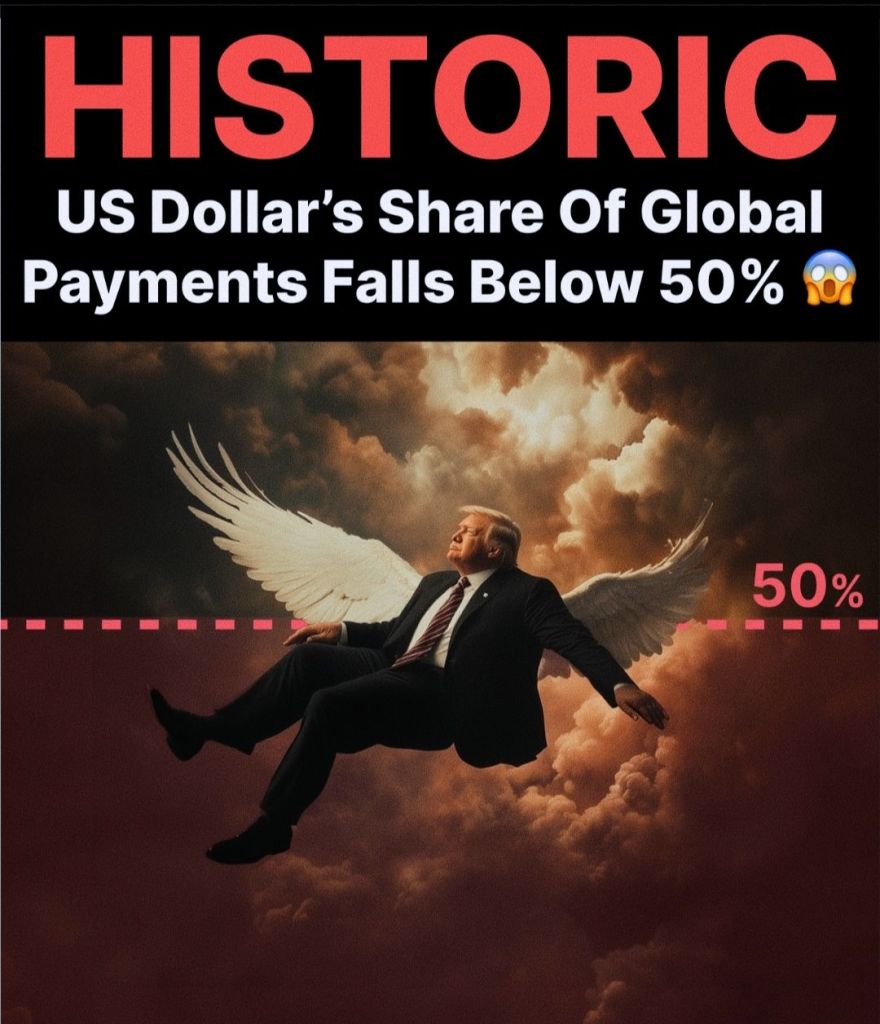
The dollar is not dead. It still dominates trade, still anchors reserves, still floods every corner of global finance. But the monopoly is cracking. For the first time since World War II, the world is rehearsing for a future where the greenback is no longer the only script in town. De-dollarization is not a revolution with fireworks. It is a quiet, grinding re-choreography of global money. The emperor still sits on the throne, but the courtiers are already bowing to other powers. And in the slow-motion bleeding of dominance, history is being written—not with cannons and coups, but with contracts, settlements, and quiet defiance.
Visit arjasrikanth.in for more insights
 SOCIAL PERSPECTIVES
One response to “De-Dollarization: The Rebellion That Eats Empires for Breakfast””
Well explained,👏
LikeLike