
Balancing benevolence and bankruptcy, India’s colossal food security program walks a tightrope between nourishment and national sustainability.
Picture this: 800 million people, each with a plate, waiting at the table of one of the world’s most ambitious food security programs. The National Food Security Act (NFSA), enacted in 2013, set out to serve this meal — not metaphorically, but quite literally. Designed to ensure access to subsidized food grains for 75% of rural and 50% of urban populations, the NFSA transformed India’s food distribution system into a social lifeline. But behind the curtain of compassion lies a complex puzzle of economics, environmental strain, and bureaucratic inefficiencies that is becoming increasingly difficult to swallow.

At its core, the NFSA distributes rice, wheat, and coarse grains to over 80 crore citizens at heavily subsidized rates. Under schemes like the Antyodaya Anna Yojana, the poorest households receive 35 kg of grains per month. The backbone of this operation is an army of nearly 5.3 lakh fair price shops spread across the country. While this has helped millions keep hunger at bay, it comes with an annual food subsidy bill that now exceeds ₹2 lakh crore — a number large enough to fund multiple national programs or build thousands of schools, hospitals, or infrastructure projects.

The gains are visible. Hunger and starvation deaths have declined. Children from poor families go to school instead of scavenging for food. Farmers benefit from assured procurement at the Minimum Support Price (MSP), providing them income stability. The public distribution system has, in many ways, stitched together the fractured seams of rural India’s fragile economy.
But while India celebrates these moral victories, the economic side-effects can’t be ignored. This food subsidy burden consumes 4–5% of the government’s total expenditure. That’s not just a budget line — it’s a warning sign. This commitment, noble in intention, pulls precious funds away from long-term nation-building investments like education, healthcare, and infrastructure. A growing fiscal deficit, fuelled in part by subsidy overload, chips away at economic resilience.
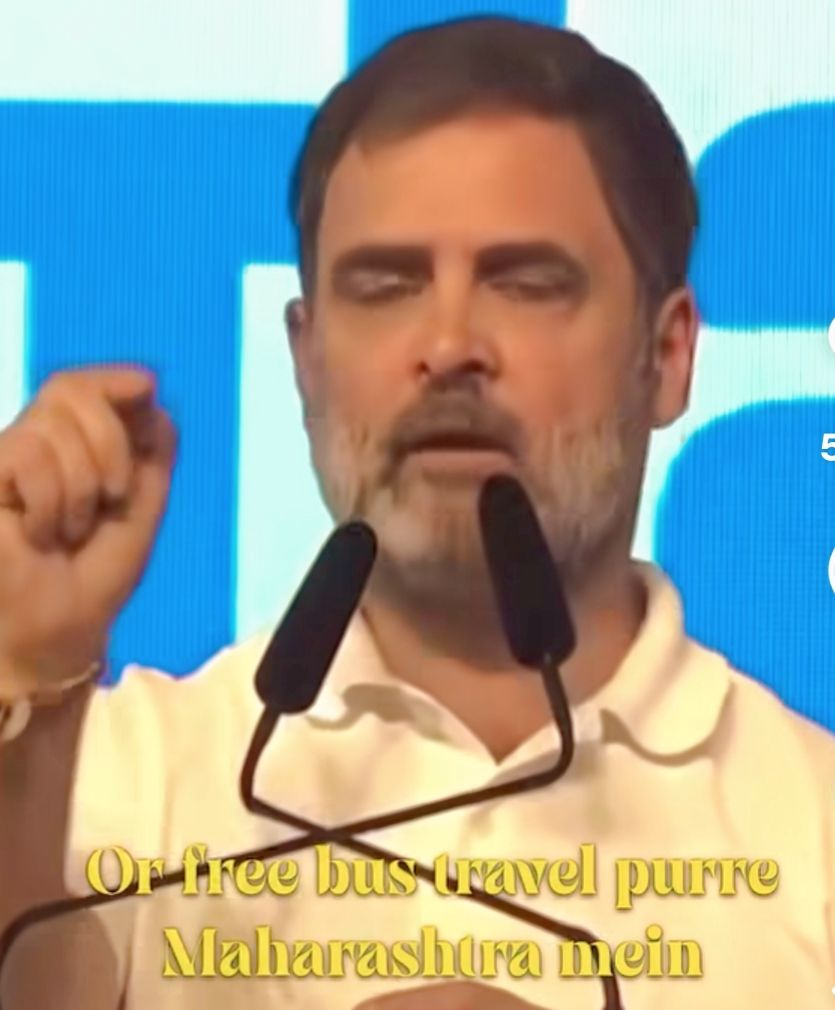
Beyond the ledger books, the NFSA distorts agricultural markets. With the state focusing procurement almost entirely on wheat and rice, farmers are discouraged from cultivating more ecologically and nutritionally diverse crops. This over-reliance depletes groundwater, contributes to methane emissions, and promotes unsustainable monocultures. India’s granaries may be full, but its soils and aquifers are being emptied.
Then there’s the distribution chaos. Despite Aadhaar-based authentication and digitized ration cards, the system suffers from errors of exclusion and inclusion. Deserving beneficiaries get left out; undeserving ones sneak in. Procurement losses due to rot, theft, and transport inefficiencies plague the system. Moreover, calorie security has overshadowed nutritional security — the poor may get enough to eat, but they aren’t necessarily eating well. Hidden hunger, marked by vitamin and mineral deficiencies, remains a silent epidemic.
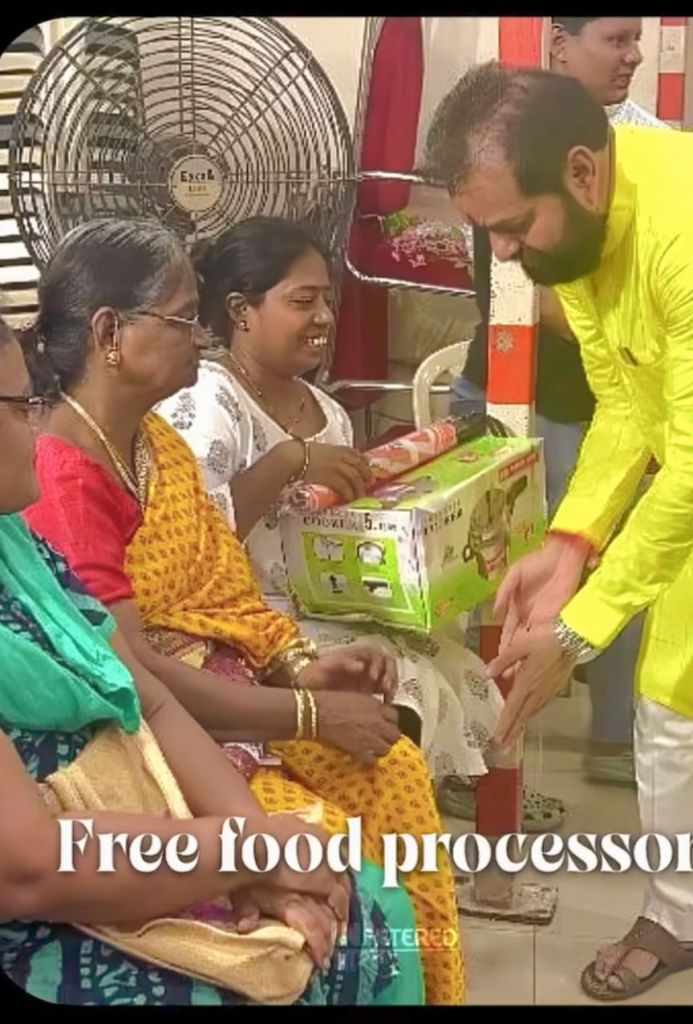
This isn’t just a food story anymore — it’s a bigger narrative of how a well-intentioned safety net risks becoming an economic trap. The spread of “freebies” — from subsidized food to electricity, fertilizers, and fuel — creates a culture of entitlement that can sap productivity, inflate prices, and undercut long-term fiscal stability. Without careful management, welfare becomes an anchor, not a lifeline.
But this story isn’t doomed. Reform is possible — and urgent. Targeting needs surgical precision. With the help of AI and big data, beneficiary databases can be cleaned up, making sure only the genuinely needy are served. Direct Benefit Transfers (DBT), inspired by Brazil’s Bolsa Família, can reduce leakages and give people agency in choosing their nutritional sources.

India also needs to rethink what it feeds its people. A new food basket must go beyond rice and wheat to include millets, pulses, and fortified grains. A shift from calorie-counting to nutrient-rich food would attack malnutrition at its root. Programs like Brazil’s, which procure food locally for school meals and welfare schemes, offer a model for connecting agriculture with nutrition and livelihoods.
On the farming front, India should phase out blanket subsidies and replace them with income-support programs that don’t dictate what farmers must grow. Mexico’s PROCAMPO program shows how decoupling support from specific crops can encourage more rational, eco-friendly farming decisions. Investment in irrigation, storage, and climate-resilient agriculture must accompany these reforms.
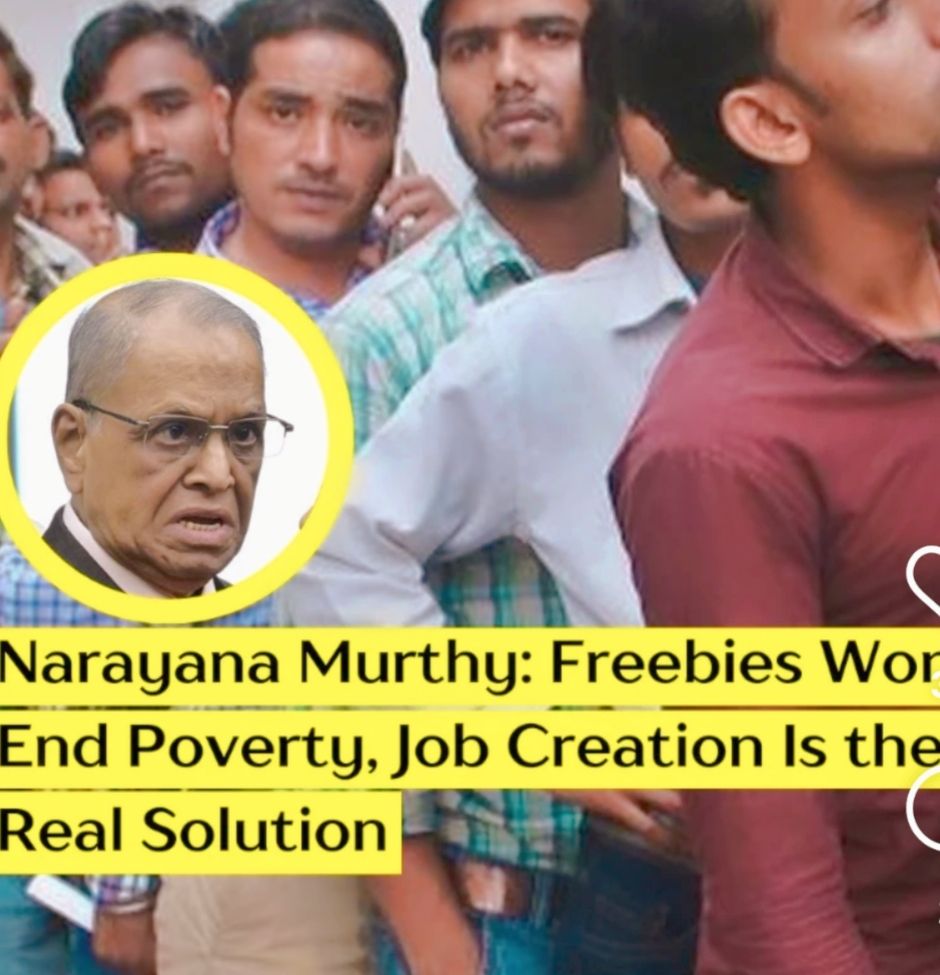
Fiscal prudence cannot be compromised. Rationalizing overlapping welfare schemes, capping subsidies for higher-income groups, and creating an independent fiscal council to monitor expenditure could restore balance. What we save from trimming fat can be invested in the muscle — education, skill-building, MSMEs, and innovation.
Human capital is India’s golden goose. Investing in skilling programs like Singapore’s SkillsFuture, while nurturing MSMEs with tailored support à la Germany’s Mittelstand, can gradually reduce dependency on welfare while expanding the economic pie. It’s not about cutting off support, but making support smarter.
In the final analysis, feeding 80 crore people is not just an act of benevolence — it’s a national obligation rooted in justice. But the plate cannot be filled endlessly without checking the kitchen’s sustainability. India must now evolve from a food-security regime to a nutrition-sensitive, economically viable, and environmentally sustainable model. The question is not whether we feed our people — but how wisely, how fairly, and how sustainably we do it. Only then will India stop feeding the elephant in the room — and start nourishing its future.
Visit arjasrikanth.in for more insights
 SOCIAL PERSPECTIVES
One response to “ “Feeding the Elephant in the Room: Can India Digest the Cost of Nourishing 80 Crore People?””
Essential items like food shelter should be provided to each and every one which is the fundamental right of every citizen. Other issues are related to vote catching only
LikeLike