
When Supreme Court verdicts wobble like Delhi’s traffic lights, society is left chasing its own tail—while a million dogs wait to know if they belong or must vanish.
In the blistering circus that is Delhi, where the honking of cars competes with the clatter of chai cups and the sky is forever tinted by construction dust, a new drama has erupted—not on the streets, but in the hallowed halls of India’s highest judiciary. The Supreme Court, in one moment, thundered that every stray dog in Delhi must be rounded up and dispatched to shelters within eight weeks, only to pull the brakes later and keep the judgment in abeyance. This stop-start, flip-flop routine has left the city’s citizens, animal activists, and policymakers stranded in a haze of confusion. If anything, it highlights a glaring reality: when it comes to coexistence with our four-legged neighbors, judicial indecision is becoming as notorious as Delhi’s traffic jams.

For perspective, Delhi is no sleepy hamlet—it is home to nearly one million stray dogs. Between January and July 2025 alone, more than 90,000 dog bite cases were recorded, each an anecdote of trauma: toddlers mauled, delivery workers attacked, families scarred by rabies infections. Public safety concerns are real and cannot be shrugged off. But in the same breath, to treat these animals as expendable nuisances is to forget that dogs are also part of Delhi’s social and ecological fabric. They keep pests like rats and feral cats in check, guard neighborhood alleys, and for countless citizens, they are companions who wag their tails outside tea stalls or sleep curled up outside shopfronts.
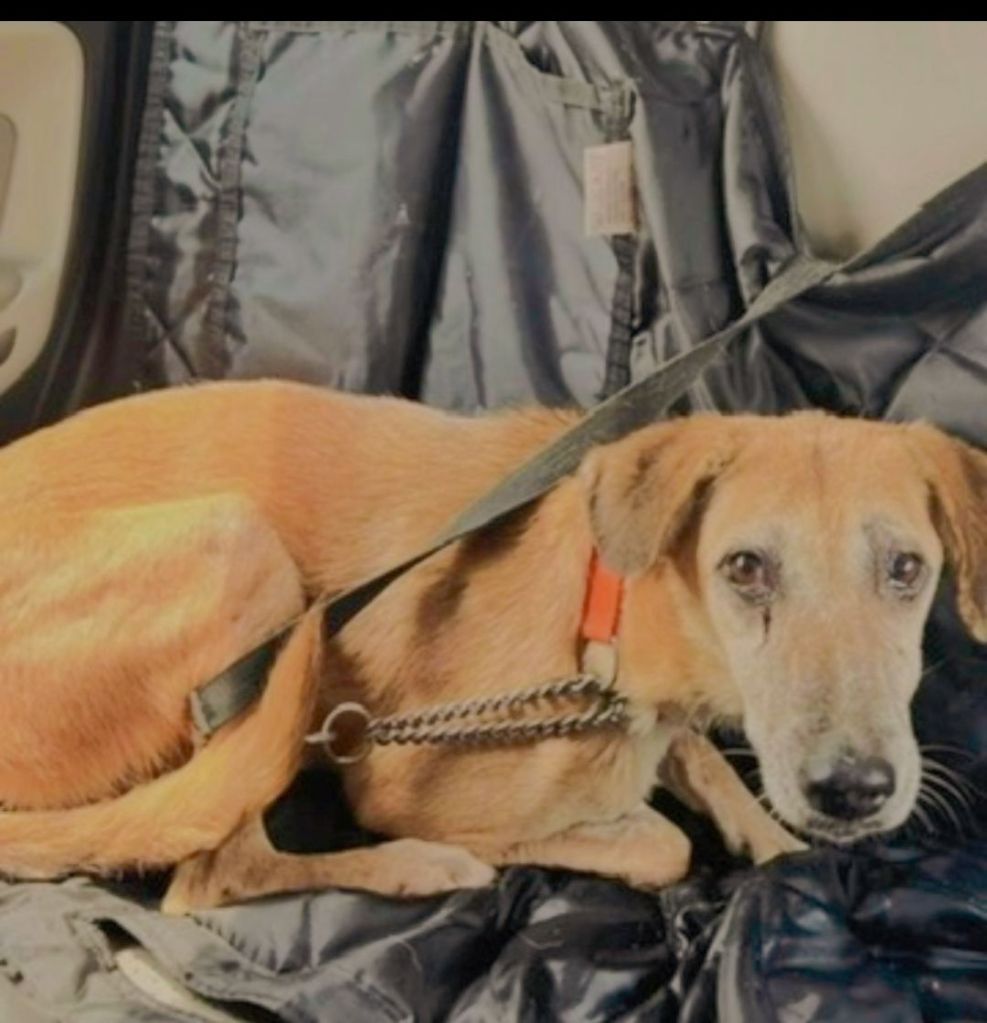
The contradiction begins with the judiciary itself. In 2024, the Supreme Court urged compassion, even admonishing those who demanded removals with the sardonic line: “Take them home if you care so much.” That statement embodied empathy, acknowledging that stray dogs are sentient beings with rights, not disposable obstacles. Fast forward barely a year, and the very same Court has flipped its moral compass, issuing an uncompromising directive to remove every stray within two months. Then, in a fresh twist, it quietly hit the pause button, keeping its own judgment in abeyance. What message does this send? That canine lives, and by extension the rights of all urban wildlife, hang by the fragile thread of judicial moods?

The law may be written in black and white, but life on the streets is not. Delhi’s stray dog problem did not emerge overnight; it is the direct offspring of decades of half-hearted implementation of the Animal Birth Control (ABC) Rules. Designed to sterilize, vaccinate, and release dogs humanely, the program fell prey to India’s classic maladies: underfunding, corruption, lack of waste management, and bureaucratic inertia. Garbage piles became buffets. Sterilization rates never hit the magic 70% required to stabilize populations. And so, dogs multiplied while human frustration festered. Instead of strengthening this humane system, the Court’s “all dogs to shelters” order reads like a desperate band-aid slapped over a gaping wound.
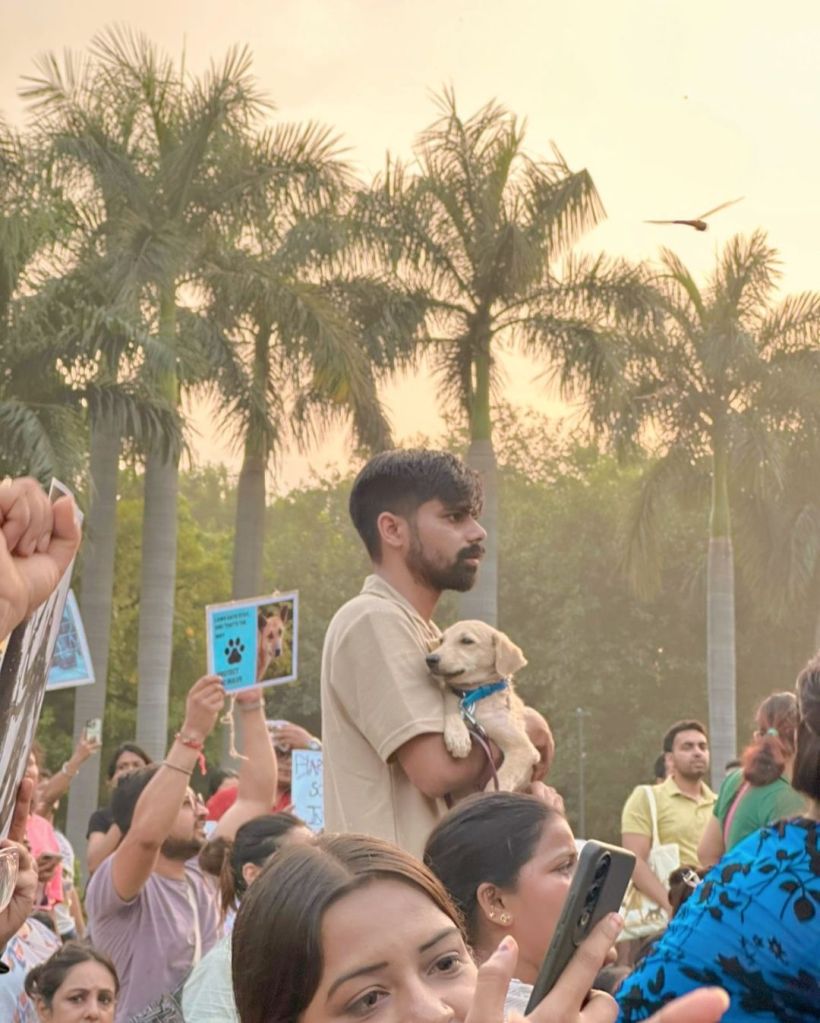
Practicality, too, screams against it. Where, pray, will one million dogs go in eight weeks? Delhi’s shelters are already overcrowded, underfunded, and understaffed. Forcing in thousands more animals will not create sanctuaries—it will create prisons of suffering, where disease spreads faster than compassion can keep up. Ironically, such a move could birth a humanitarian crisis within shelters worse than the street-level problem the Court is trying to solve.
More importantly, it sets a dangerous precedent. If one stroke of judicial pen can decide that an entire species’ right to live freely is secondary to convenience, where does it end? The constitutional ethos of India upholds compassion for all living beings; surely, this spirit cannot be sacrificed at the altar of expediency. Dogs are not invaders—they are part of our urban ecosystem, shaped by the same forces that created the modern Indian city. To exile them en masse is to erase a piece of our collective environment.

Thank heavens, then, that the Court has paused its own verdict, however awkward that reversal may seem. It gives Delhi one more chance—not to eliminate dogs, but to rethink coexistence. Humane solutions exist: scaling up sterilization with mobile veterinary units, fixing waste management so that garbage no longer sustains strays, enforcing pet ownership rules with registration and penalties against abandonment, and educating the public on rabies prevention and responsible feeding. None of these make for quick headlines, but they represent genuine progress.
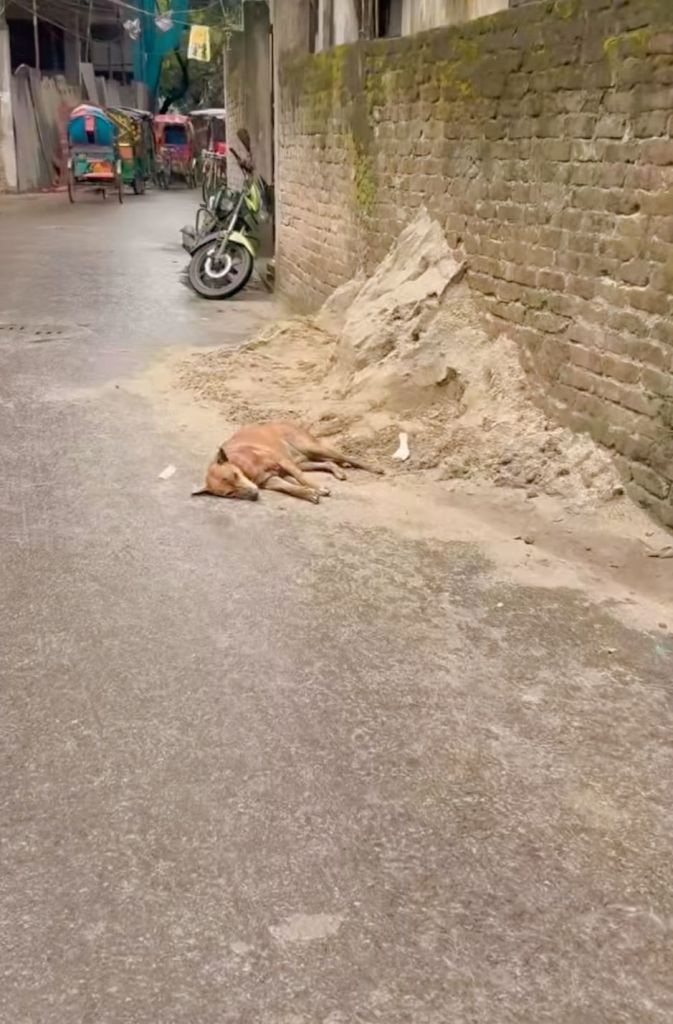
The deeper truth is this: animals are not intruders in human society; they are co-inhabitants of it. Stray dogs, for all their bark and bite, are reminders that our cities are not sterile machines but living ecosystems. To coexist requires patience, planning, and compassion—not knee-jerk decrees that change with the weather. The judiciary’s indecision only exposes a larger societal confusion: are we willing to evolve coexistence, or will we continue swinging wildly between sentiment and severity?

The clock ticks not just for Delhi’s strays, but for India’s conscience. Courts may change their stance tomorrow, but the moral compass for humanity cannot afford to wobble. At the end of the game, animals are not guests in our world—they are part and parcel of it. They have as much right to live their lives freely as humans do. A judge’s word should not be sacrosanct enough to erase that truth. What Delhi needs is not elimination, but evolution—an evolved ethic of coexistence where the bark of a dog on a dusty street is not a threat, but a reminder that life in all its forms belongs here.
Visit arjasrikanth.in for more insights
 SOCIAL PERSPECTIVES