
Starved of cash and strangled by chaos, India’s municipalities are crawling out of the grave—armed with GIS maps, green bonds, and just enough swagger to change the nation’s fate.
India’s cities are gasping—not for breath, but for governance. For decades, urban local bodies, tasked with managing the daily lives of nearly 36% of the country’s population, have existed in a twilight state—neither fully functional nor entirely defunct—sustained by sporadic handouts, political interference, and bureaucratic inertia. Once envisioned as laboratories of urban innovation, they have instead become underfunded, unaccountable, and uninspired, drifting through decades of lost potential.
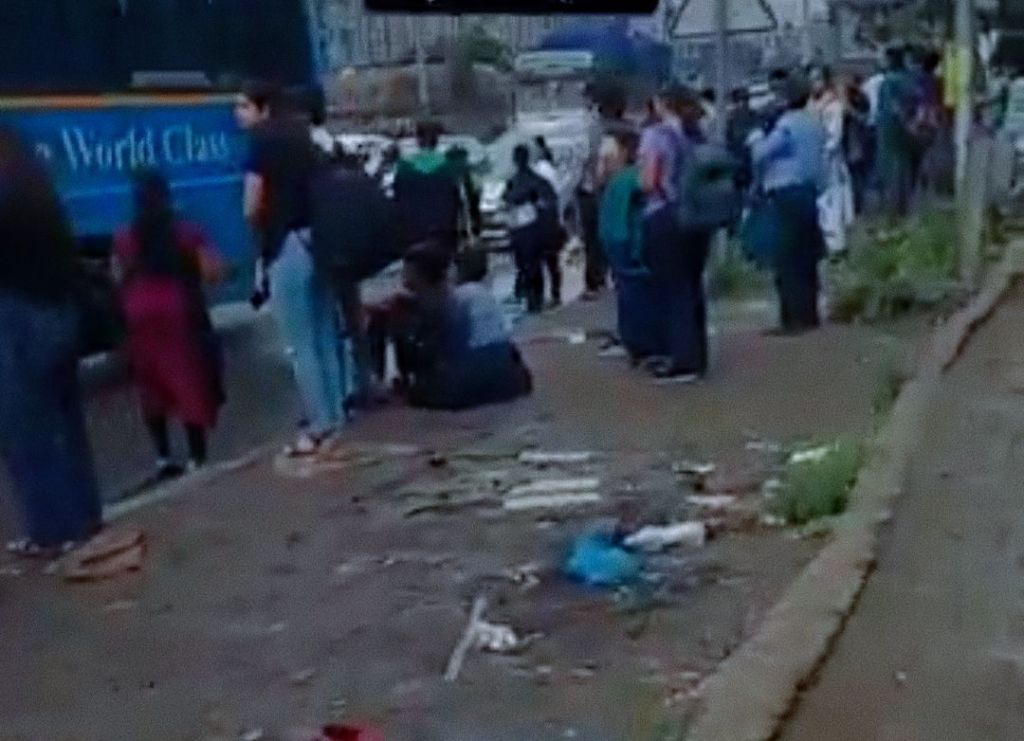
Yet, in this smog of dysfunction, a quiet revival is taking shape. From Surat’s property tax revolution to Indore’s waste management transformation, some cities are beginning to demonstrate that change is not only possible but scalable. If nurtured, this shift could become one of the most important stories in India’s journey toward a $5-trillion economy.
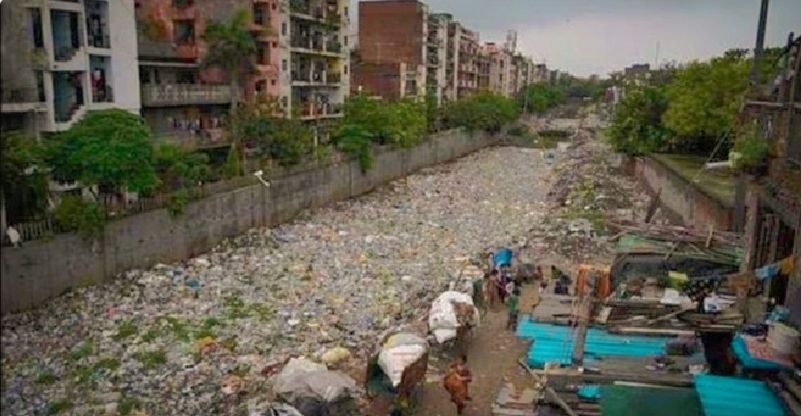
The crisis is both financial and operational. Fewer than 10% of municipalities are financially self-sufficient, with the rest surviving on central and state grants that create dependency rather than resilience. Property tax, the lifeblood of municipal finance worldwide, contributes less than 0.5% of India’s GDP compared to 3–5% in 38, OECD countries. Infrastructure gaps remain stark—40% of urban households lack piped water, 60% of sewage flows untreated into rivers, and less than a fifth of solid waste is scientifically processed. Allocated capital budgets often remain unspent for years, a symptom of deeper administrative paralysis.
The governance structure is equally fractured. Multiple agencies often oversee the same service, creating a maze of overlapping jurisdictions where accountability evaporates. In many cities, transport falls under one body, water under another, and housing under yet another, forcing citizens to navigate an administrative labyrinth for even the simplest services. Outdated municipal boundaries, drawn in colonial times, no longer align with today’s urban realities, leaving neighbouring areas with vastly different access to infrastructure and amenities.
Despite these structural failings, a handful of cities have refused to wait for top-down reform and instead engineered their own turnarounds. Indore’s waste management overhaul through a public-private partnership has not only made it 100% Open Defecation Free but also generated ₹120 crore annually. Surat tripled its property tax revenue using GIS mapping and digital licensing. Pune became the first Indian city to issue municipal bonds, raising over ₹2,000 crore for water and sewerage projects without depending on grants.
Hyderabad’s integrated smart command and control centre reduced grievance redressal times by 30% and saved ₹90 crore a year in utilities. Tiruppur turned environmental compliance into a revenue stream through a zero-liquid-discharge textile park. These successes are not isolated anomalies but replicable blueprints.
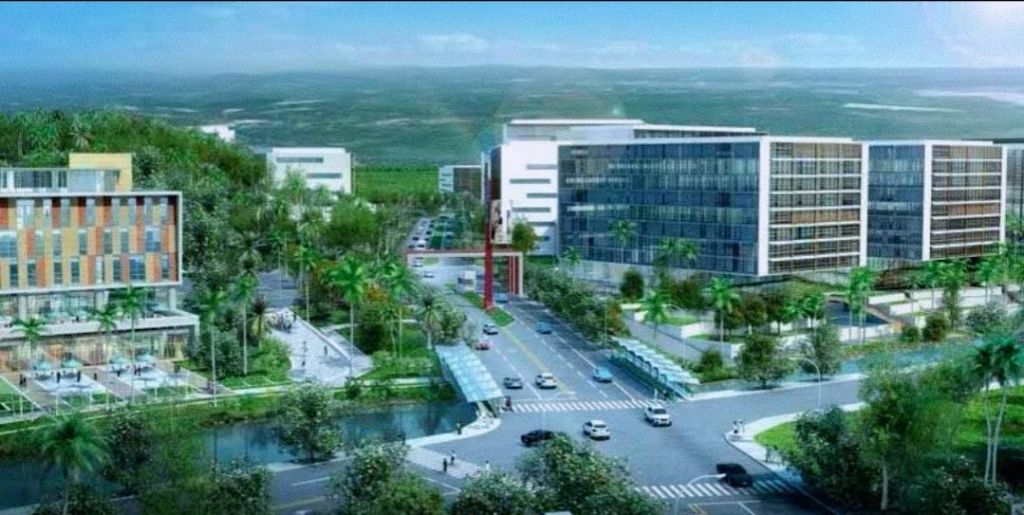
Scaling such revival requires three foundational shifts—financial autonomy, professionalised governance, and innovation-driven service delivery. Financial autonomy begins with expanding revenue streams: leveraging GIS and drone mapping to widen the property tax net, monetising municipal land for uses such as telecom infrastructure and EV charging stations, and issuing municipal bonds backed by credible repayment plans. Hyderabad’s ₹90 crore annual earnings from smart utilities and Delhi’s ₹300 crore from advertising and rentals prove that well-managed cities can pay their own way.
Professionalised governance demands that leadership move beyond short-term political cycles. Municipalities need professional city managers with expertise in urban planning, infrastructure, and finance, appointed for fixed tenures to ensure continuity. Consolidating fragmented agencies into unified metropolitan authorities can eliminate duplication and enforce accountability. E-governance should be mandatory—online tendering, citizen service apps, and publicly accessible dashboards bring transparency and efficiency to municipal operations.

Service delivery must embrace innovation. From prepaid water ATMs in Nagpur to waste-to-energy plants in Indore, the combination of smart technology and well-structured private partnerships is showing that high-quality services need not come at prohibitive costs. Integrated transport systems, green public spaces, and sustainable industrial clusters are not luxuries for the future—they are essential tools for urban survival, especially as climate change intensifies pressures on cities.
Sustainability itself can become a revenue source. Ghaziabad’s ₹150 crore green bonds for streetlights and waste management demonstrate that climate finance is not just for environmental advocates—it is a practical funding tool for urban administrators. Trading carbon credits, installing solar panels on municipal buildings, and adopting energy-efficient street lighting can simultaneously reduce costs and generate income.

However, even the most dynamic local initiatives will falter without structural policy reform. Implementing the 15th Finance Commission’s recommendation to guarantee urban local bodies a fixed share of state taxes is a necessary starting point. Municipal laws must be amended to permit land leasing, municipal bond issuance, and performance-linked revenue incentives. Linking state and central grants to municipal credit ratings can reward well-governed cities while pressuring laggards to reform. State-level urban banks could provide low-interest loans for infrastructure, breaking the cycle of grant dependency.
One politically sensitive but essential reform is the rationalisation of municipal boundaries. Current borders, often irrelevant to economic and demographic realities, perpetuate inefficiency and inequity. Redrawing them based on population density, economic integration, and service delivery requirements could yield substantial productivity gains, though it will require political courage to overcome entrenched interests.
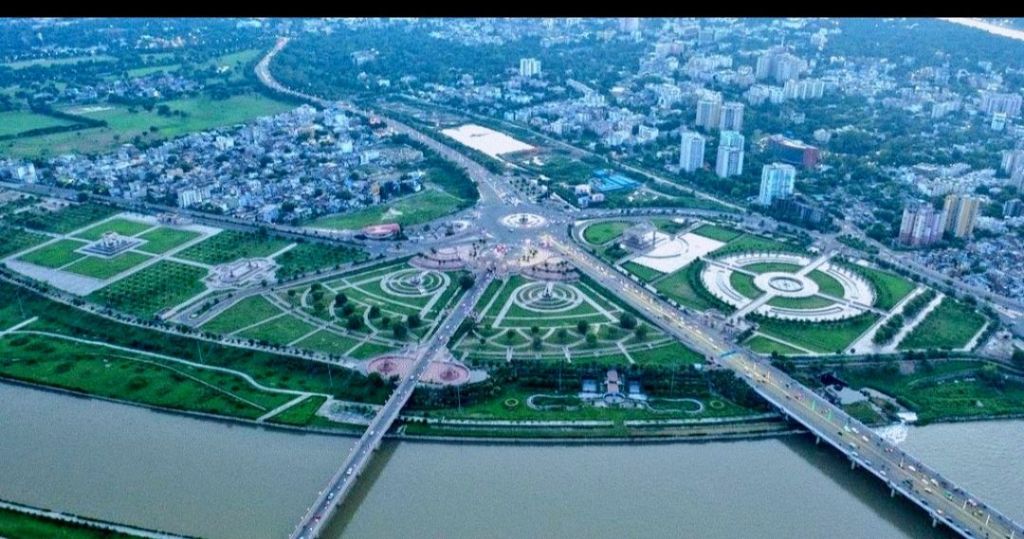
By 2050, more than half of India’s population will live in urban areas. If municipalities continue to underperform, the urban economy—and by extension, national growth—will stagnate. But if they succeed, India’s cities could become powerful engines of productivity, equity, and quality of life. This transformation is not simply about fixing potholes or collecting garbage; it is about redefining cities as the first line of economic defence and the foundation of national prosperity. Giving urban local bodies the autonomy, accountability, and ambition they need is no longer an option—it is a necessity.
The municipal zombies are stirring. The choice before the nation is clear: allow them to shuffle back into complacency, or help them run toward a future where India’s cities are vibrant, self-sustaining, and central to the country’s growth story.
Visit arjasrikanth.in for more insights
 SOCIAL PERSPECTIVES