
Witness the Unbelievable Journey of a Nation Transcending Shadows and Seizing Sovereignty, Crafting a Future of Unmatched Prosperity and Innovation by 2025!
In the summer of 1991, India stood at a precipice, teetering on the edge of economic collapse. A balance of payments crisis had ushered in a sense of urgency that national pride could no longer mask, compelling the government to take bold and transformative action. With P.V. Narasimha Rao at the helm and Manmohan Singh as Finance Minister, India adopted a drastic new economic direction that marked a significant departure from four decades of rigid, state-controlled policies. This pivot from a license-permit-quota Raj to embracing the global market was a radical departure, signaling a transformative journey that began with liberalization in 1991 and continues towards maturity in globalization by 2025.

The catalyst for this seismic shift was a crippling crisis that no longer permitted complacency. The Union Bank of Switzerland’s intervention to mortgage gold as collateral for loans was a stark reminder of India’s dire circumstances, making it evident that only profound change could pave the way for recovery. Thus began the dismantling of the License Raj, an overhaul of fiscal and monetary policies, and the establishment of an environment conducive to foreign investment. Tariff walls crumbled, the private sector flourished, and the dawn of consumerism surged, as Indian households emerged from years of scarcity into a world filled with choices and aspirations.

Yet, while the early 2000s were marked by high growth and an IT boom, the challenges remained daunting. Economic benefits were not universally shared; disparities between urban and rural growth widened, and jobless growth plagued the economy. The manufacturing sector proved incapable of absorbing the burgeoning workforce, leaving millions in the informal sector struggling for stability. Infrastructure gaps hindered growth, while agricultural distress, bureaucratic hurdles, and global shocks, such as the 2008 financial crisis and the COVID-19 pandemic, exposed vulnerabilities that could undermine India’s progress.

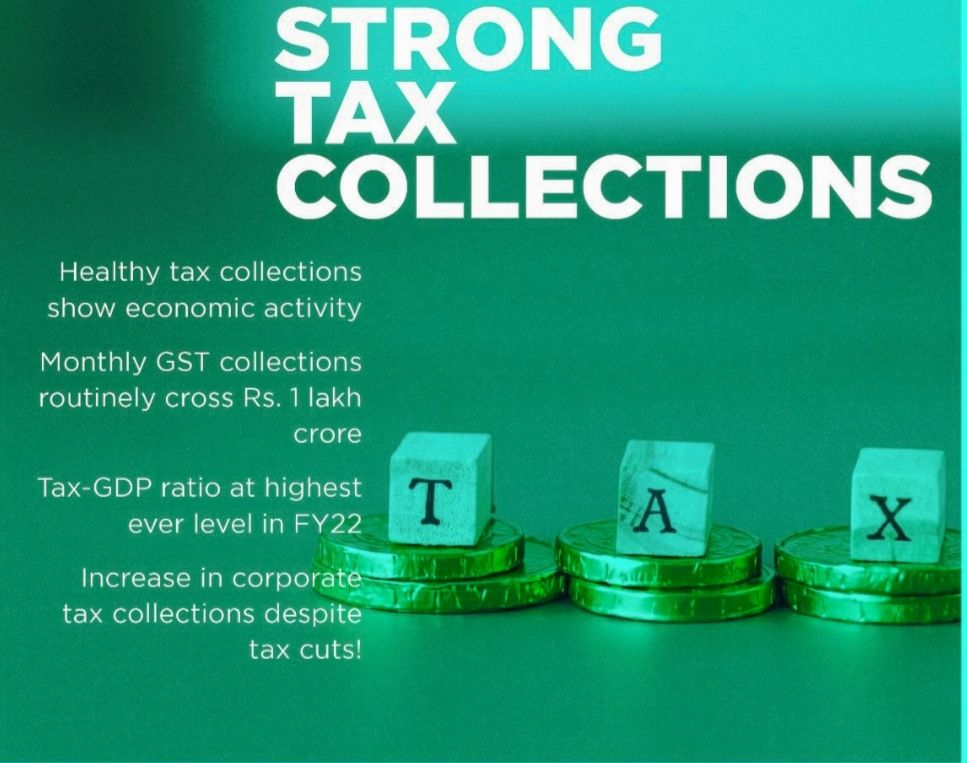
As the nation ventured into the 2020s, India’s leaders recognized that to claim a spot on the global stage, innovative measures to enhance domestic capabilities were essential. Production Linked Incentives (PLI) were introduced to encourage critical sectors such as electronics, pharmaceuticals, and renewable energy, aiming not only to create champions within the country but also to integrate seamlessly into global value chains. The Atmanirbhar Bharat initiative sought to reduce import dependence and boost domestic manufacturing, while significant steps were taken to modernize infrastructure and unify the market through the Goods and Services Tax (GST).
However, India’s path towards globalization in 2025 is fraught with challenges. On one hand, the country has the opportunity to exploit its strategic position amidst the geopolitical rivalry of major powers such as the United States, China, and Russia. India must juggle dependencies: seeking technological prowess and investment from the West, leveraging energy resources from Russia, and cautiously engaging with China for market access. On the other hand, India faces the risk of becoming ensnared in these rivalries, necessitating a deft balancing act that requires ongoing adaptation and foresight.
The upcoming years hold immense potential for India, but only if the government successfully addresses critical challenges. Sustaining high growth rates demands monumental job creation, skill enhancement, and a significant influx of private investment. Ensuring inclusivity in growth and improving quality of life, especially for those in rural areas, must become a priority. Equally pressing is the need to manage climate change, as India transitions to renewable energy sources and responds to environmental challenges.
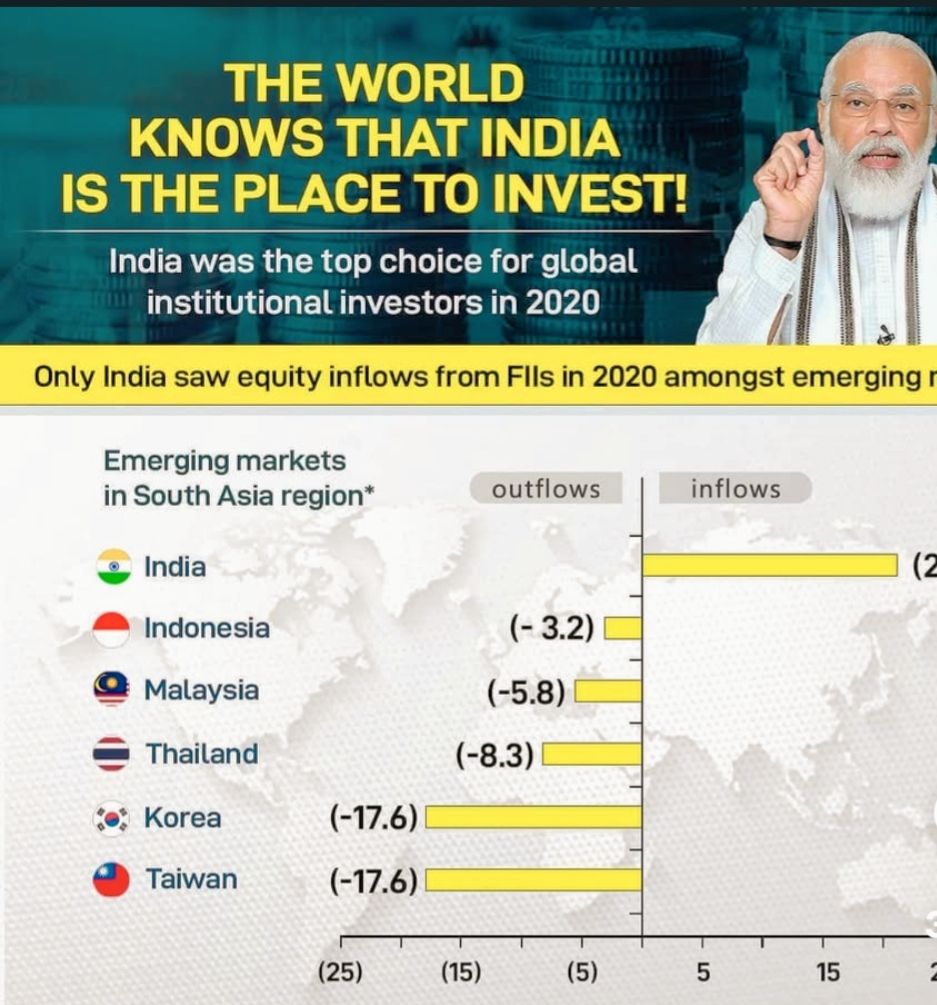
For India to break away from its cyclical history of crisis and complacency, its policymakers must embrace a mindset of genuine market orientation closer to levels seen in developed economies. While the Indian economy has evolved significantly since its liberalization in 1991, the legacy of control and intervention lingers in both government and business practices. Embracing failure, trusting individuals to make economic choices, and recognizing that true freedom of the market also entails risks are vital lessons yet to be fully internalized.
As the 2025 milestone approaches, India’s potential to ascend as a global economic powerhouse is palpable. Building on the solid foundation laid in 1991, the nation must embark on its next phase by bolstering digital public infrastructure, enhancing human capital through education reform, and pursuing aggressive green transitions. As part of a complex and often fractured global order, India stands to gain significantly from diplomatic engagement while simultaneously cultivating stability and fostering a collective national ambition among its diverse populace.

In conclusion, India’s evolution from the clutches of labor-based intervention to a dynamic player shaped by globalization embodies resilience and ambition. This journey underscores the imperative for innovative policy-making that thrives on transparency, inclusivity, and risk-taking. If India navigates the path ahead with tenacity and strategic vision, it will not only reinforce its position on the global stage but also inspire other emerging economies to embark on their transformative journeys, fostering a future propelled by cooperation and shared progress. The magic of India’s journey lies in its inherent ability to embrace uncertainty while forging ahead, crafting a narrative of hope, growth, and unyielding determination.
Visit arjasrikanth.in for more insights
 SOCIAL PERSPECTIVES