
India’s sleekest ride is stealing the headlines, but the real journey to save Indian Railways lies on less glamorous, more urgent tracks.
The Vande Bharat Express (VBE) has become the poster child of modern Indian Railways—sleek, homegrown, fast, and photogenic. It embodies the “Make in India” ethos and stands as a proud symbol of technological capability. But somewhere along the way, symbolism began masquerading as strategy. The narrative around VBE has morphed into a mania, positioning it as the primary—or worse, the only—solution to Indian Railways’ deeply rooted systemic problems. This is not just an oversimplification; it is a dangerous misdiagnosis.

The appeal is obvious. VBE launches are high-visibility political events, rich with ribbon-cutting and television coverage. Each new service feeds a feel-good story: India is modernizing, catching up with the world, moving faster. Yet in this obsession with glamour, the spotlight drifts away from the less photogenic but far more pressing realities—aging infrastructure, freight stagnation, poor safety culture, and chronic financial fragility. Celebrating symbols can sometimes hide the uncomfortable truth: in many parts of the network, things are either stagnant or deteriorating.
Financially, VBEs are a tricky proposition. They cost more to build, more to run, and more to maintain than conventional trains. They require specialized maintenance depots, skilled staff, and consume more energy per seat-kilometre. Fares are higher, yes, but often not high enough to cover both operating and capital costs, especially given competition from airlines, luxury buses, and private cars. The irony is that, in a system already struggling under cross-subsidization—where freight profits and premium services help fund loss-making ordinary travel—loss-making premium trains add to the strain. Rolling out hundreds of VBEs without ensuring they turn a genuine profit risks turning a prestige project into a recurring financial liability.
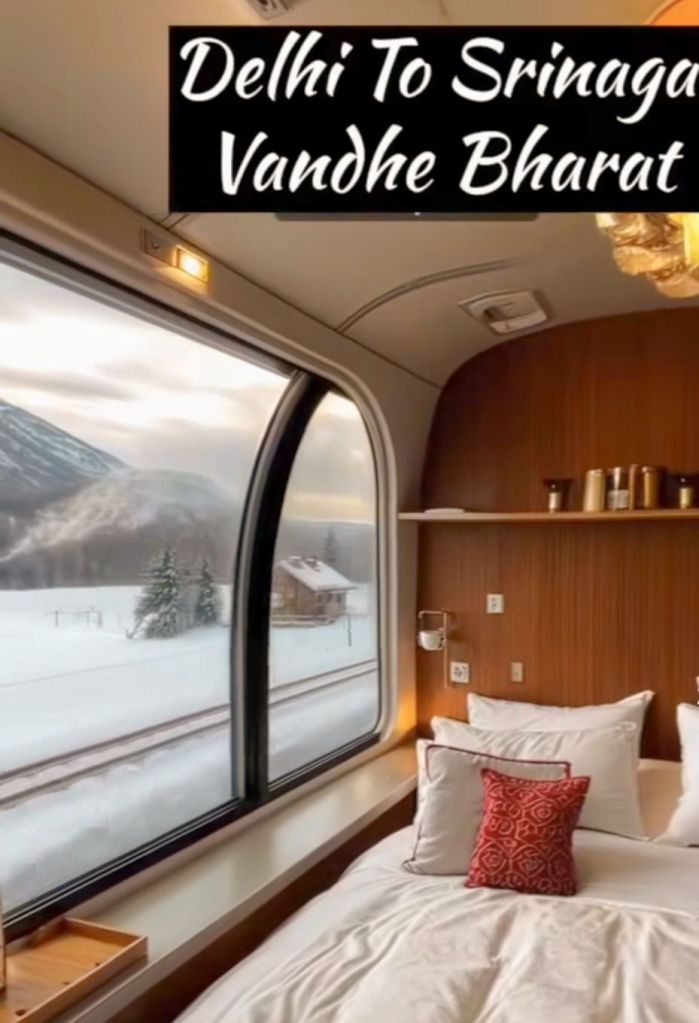
Worse, the VBE fixation sidesteps the very core issues Indian Railways must address to survive and thrive. Safety? A flashy train doesn’t eliminate level crossings, repair crumbling bridges, or modernize outdated signalling—root causes of most accidents. Financial health? VBEs don’t address the politically sensitive but essential task of fare rationalization or the urgent need to win back freight market share from roads. Capacity constraints? VBEs mostly replace existing premium services on already saturated routes, leaving freight and ordinary passengers squeezed. Equity? These trains cater to a small upper-middle-class slice, while the overwhelming majority of Indians endure overcrowded coaches, poor sanitation, and chronic delays.
Then there is the operational reality. VBEs are designed for optimal performance at 160 kmph, but most of India’s tracks limit speeds to an average of 100 kmph. Deploying VBEs on unsuitable routes wastes their potential and accelerates wear-and-tear. Rapid proliferation without parallel investment in supporting infrastructure risks overextending maintenance capacity, eroding reliability, and potentially compromising safety. Many VBEs attract passengers not from road or air, but from other IR premium trains—cannibalizing existing services rather than growing overall demand.
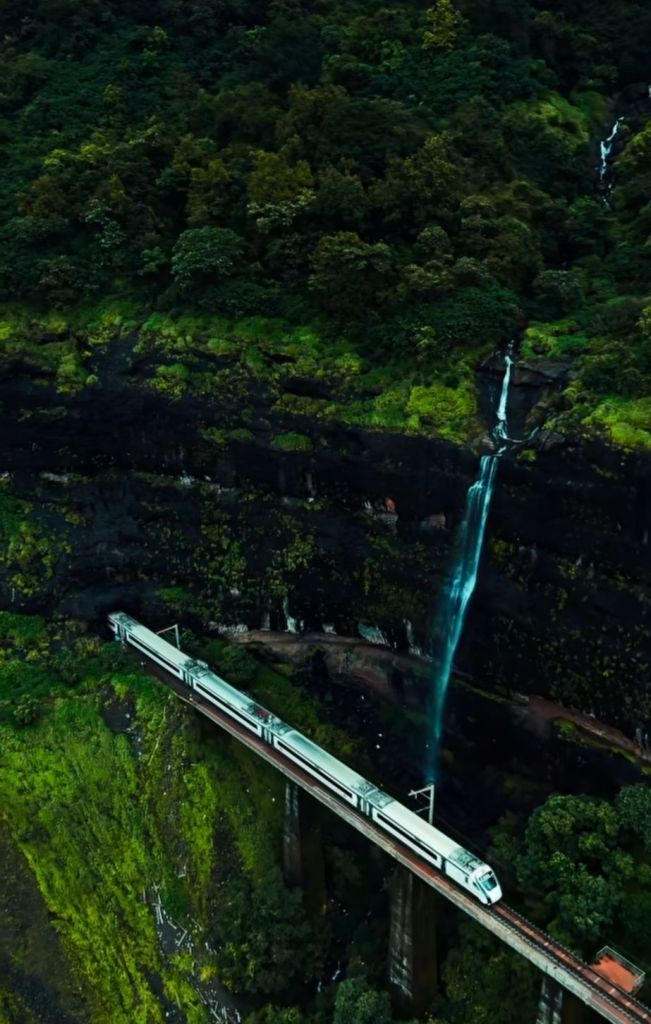
This is not an argument against Vande Bharat itself. The train is a fine product and has a rightful place in the network. But its role must be carefully calibrated, not inflated into a one-size-fits-all solution. A smarter approach would target profitable, high-potential routes with the right infrastructure, much like the Gatimaan Express model. Every route should pass a rigorous, transparent viability test before a VBE is introduced.
More importantly, core investments cannot be deferred in favour of glamour projects. Indian Railways’ survival hinges on system-wide priorities: a relentless safety drive (Kavach, track renewal, bridge rehabilitation, level crossing elimination), freight rejuvenation (Dedicated Freight Corridors, faster feeder routes, efficient terminals), capacity augmentation (doubling, tripling, and new lines in strategic corridors), and full-scale modernization of signalling and electrification. Parallel to this, the bread-and-butter of IR—ordinary passenger services—needs investment in cleanliness, punctuality, comfort, and basic amenities. This is both a social obligation and a political necessity.
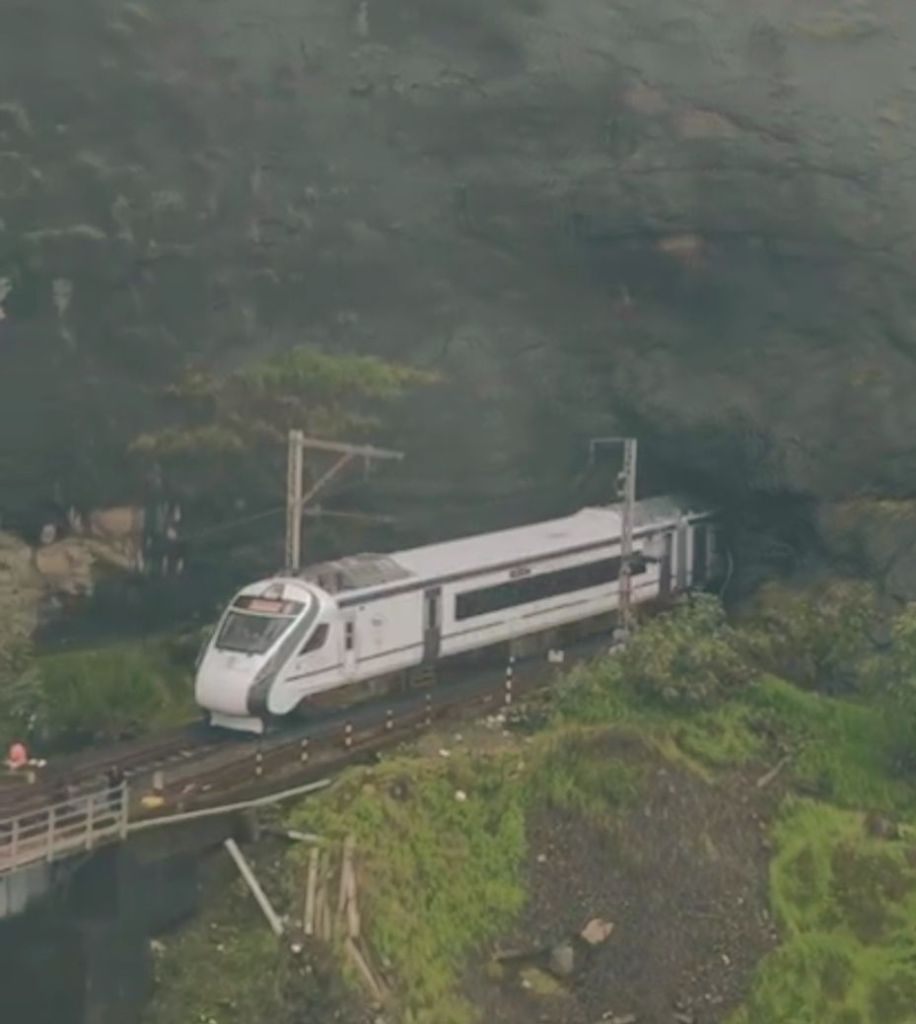
Financial reform must also be on the table. Gradual fare rationalization, coupled with targeted subsidies for the most vulnerable passengers, can ease the crushing cross-subsidy burden. If VBEs generate genuine surpluses, these should be channelled to fund safety and ordinary passenger improvements rather than simply expanding the premium fleet. Organizational reforms—empowering zones, improving project execution, leveraging data analytics for smarter operations—are equally vital.
One overlooked benefit of VBE’s success is the technology transfer potential. The manufacturing capabilities, supply chains, and engineering expertise built for VBE could spill over to improve the quality and reliability of other rolling stock, from suburban EMUs to freight wagons. But for this to happen, VBEs must be treated as one part of a bigger transformation strategy—not as the transformation itself.
The Vande Bharat Express is a remarkable achievement. It is a symbol worth celebrating, a proof of what Indian Railways can do when it focuses resources and talent on a specific goal. But symbols do not substitute for strategy. The mania that casts VBE as the silver bullet to solve all of IR’s problems is misguided, and worse, it is dangerous—it risks draining resources and political capital from the slow, steady, unglamorous reforms that actually keep the trains running.

If Indian Railways wants a future that is fast, safe, financially sound, and equitable, it must focus on fixing its foundations—tracks, safety systems, freight competitiveness, capacity, and the passenger experience for the majority. The Vande Bharat can be a valuable part of that journey, but it cannot be the whole journey. A shiny train can inspire pride, but only a stronger system can deliver lasting progress.
arjasrikanth.in for more insights
 SOCIAL PERSPECTIVES