Concrete Dreams, Crumbling Green: India’s Cities Are Suffocating Without Parks
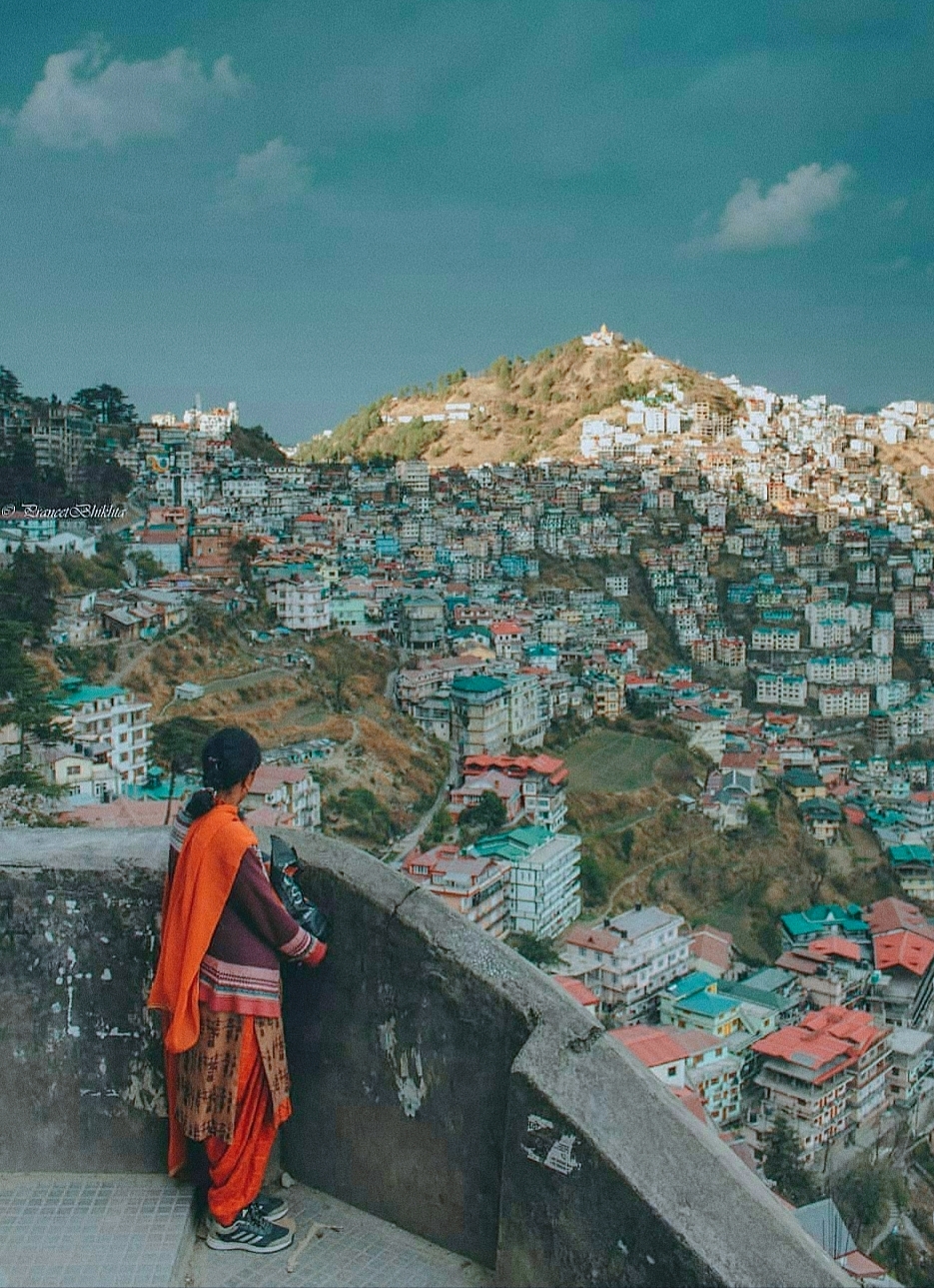
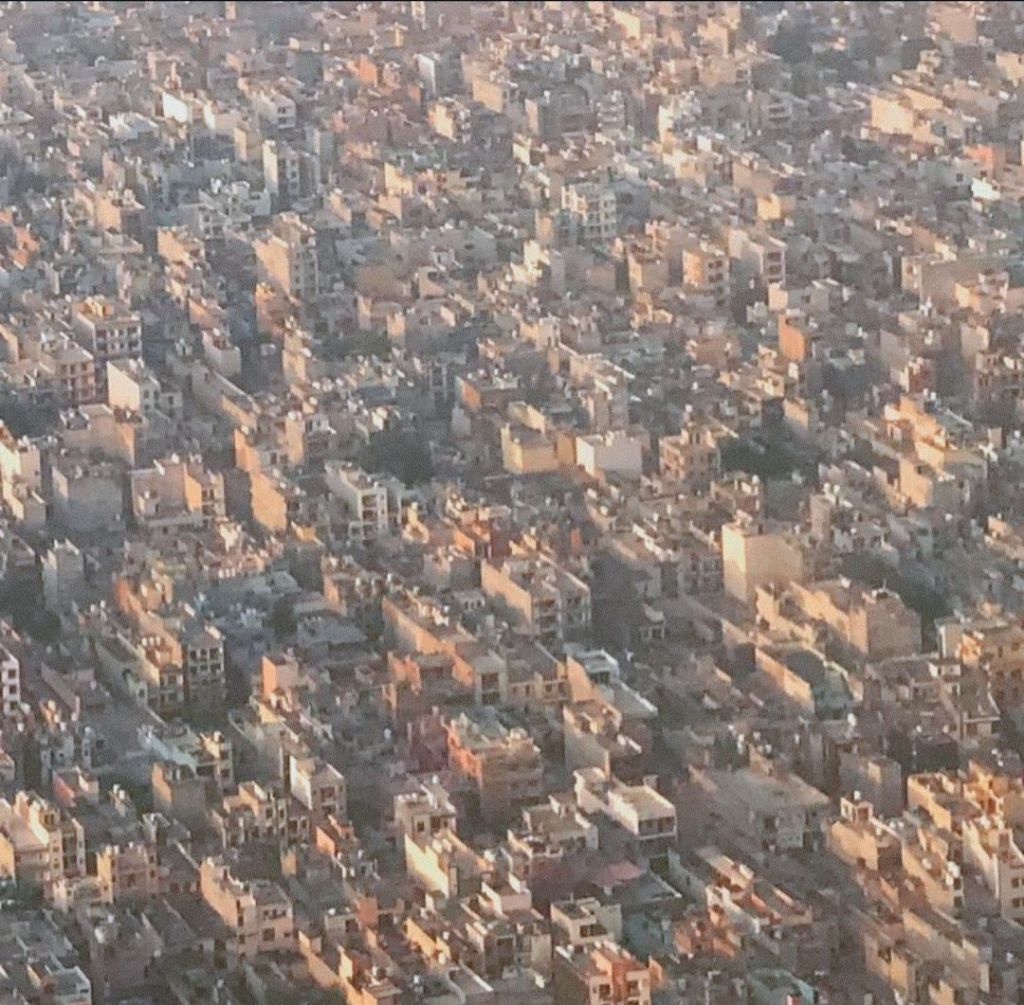
As metros multiply and malls mushroom, Indian cities are rapidly morphing into islands of concrete, suffocating under the illusion of development. In this manic dash for glass towers and flyovers, we are burying the one thing that lets our cities breathe—public parks. These vital green lungs, once integral to urban identity and community life, are fast becoming relics in the rear-view mirror of ‘progress.’
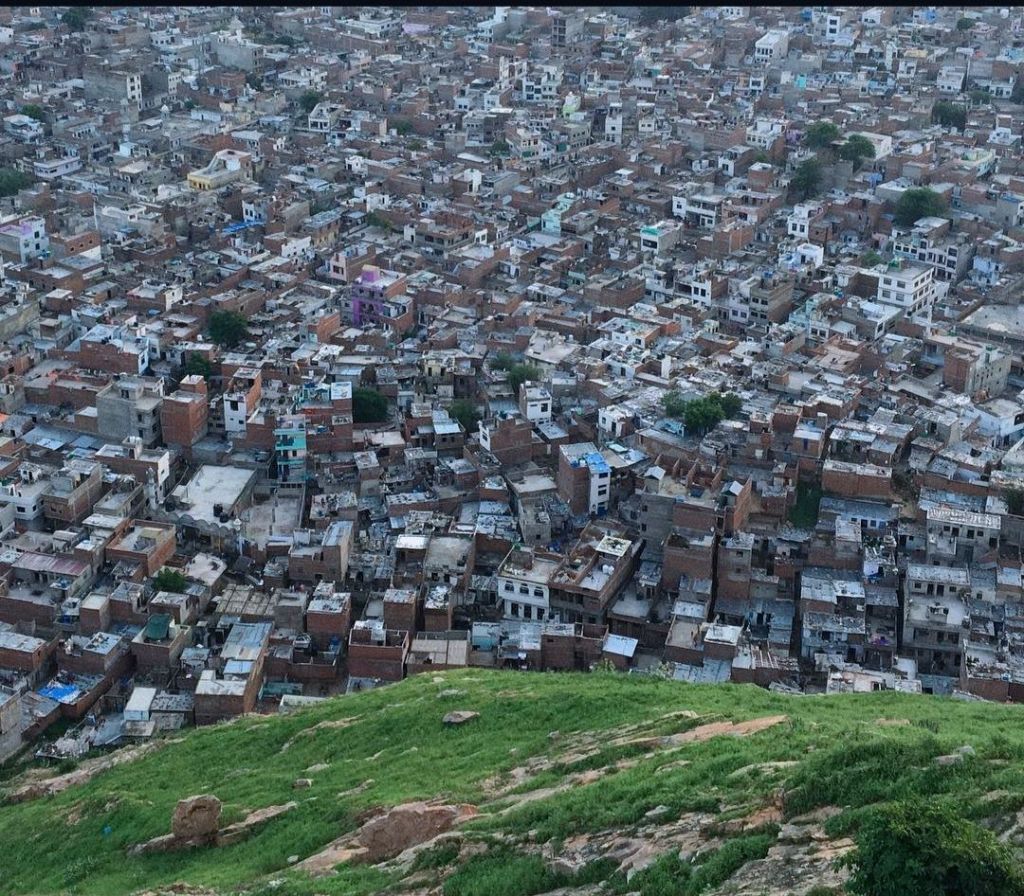
Public parks are not urban luxuries—they are essential life-support systems. They filter polluted air, regulate microclimates, support biodiversity, and offer safe, inclusive spaces for recreation, rest, and rejuvenation. Scientific studies confirm what our instincts already know: green spaces lower stress, reduce cardiovascular risks, and improve mental well-being. Yet, most Indian cities offer barely 3% green cover—far short of the global benchmark of 15%.
The impact is already visible. Urban heat islands are intensifying. Temperatures soar 2–8°C higher in park-deficient zones. Air pollution is climbing, with particulate matter levels routinely breaching safe limits. And the poor suffer the most—crammed into heat-trapping housing colonies, miles from manicured greenery enjoyed by the privileged few.
The contrast with global cities couldn’t be starker. Singapore’s “City in a Garden” policy legally mandates green space across vertical and horizontal planes. New York’s High Line transformed derelict infrastructure into a celebrated public asset. Copenhagen’s Superkilen merges flood resilience with social equity in a park built for everyone. These cities understand that climate resilience, liveability, and mental health are not add-ons—they are central to modern urbanism.
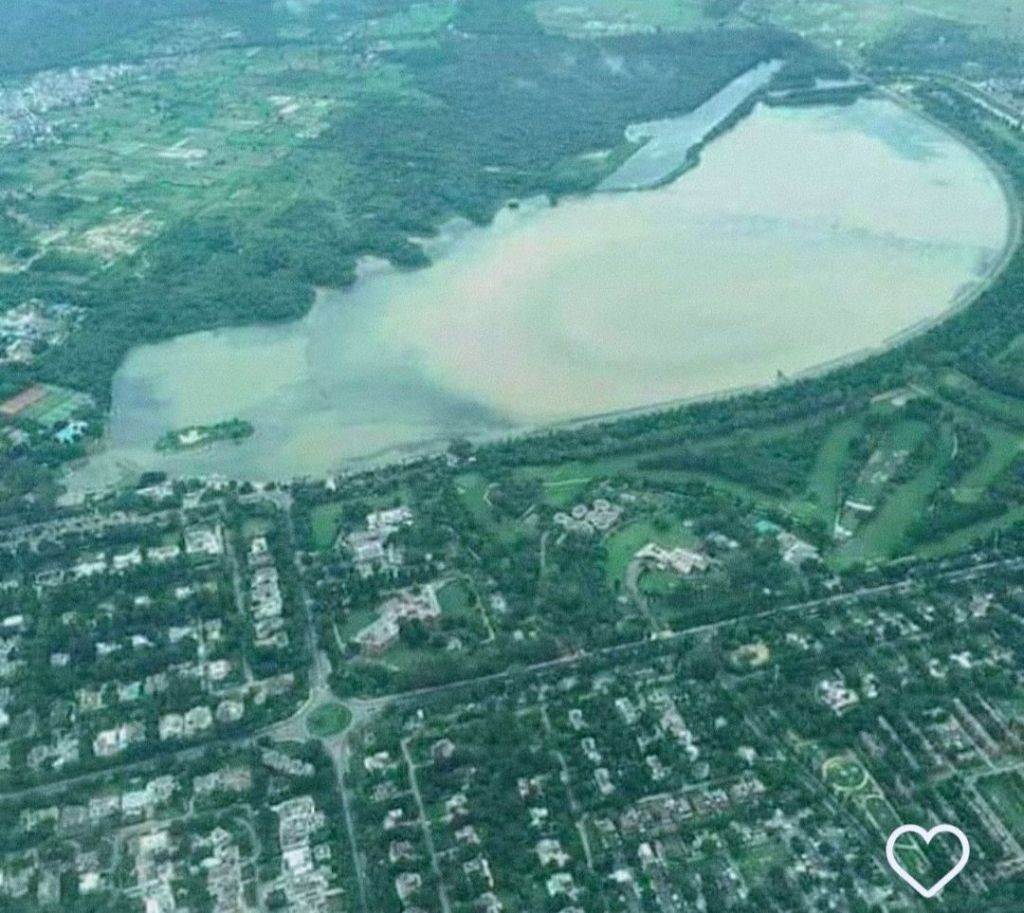
Fortunately, some Indian cities are resisting this concrete tide. Chandigarh has preserved its green ethos with spaces like Leisure Valley and Rock Garden. Bengaluru’s Cubbon Park thrives due to strong civic engagement. Surat has quietly embedded 30 km of green belts into its Smart City blueprint through public-private models. Chennai’s Namma Park and Ahmedabad’s Miyawaki forests show that innovation and impact are possible even with limited space.
But these remain exceptions, not the rule. Across most municipalities, parks are treated as expendable extras. Master Plans are either vague or flexible enough to permit their conversion into parking lots, garbage dumps, or commercial ventures. Trees are felled without public consultation, often in the dead of night. When laws exist, they are either ignored or implemented half-heartedly. Budget allocations for park maintenance are an afterthought—overshadowed by funding for roads, bridges, and ‘smart’ infrastructure.
Apathy also plays its part. While we romanticize Lodhi Garden on Instagram, we ignore the crumbling park down the street. Residents want trees but resist planting drives if it means losing parking space. Women, children, and the elderly often feel unsafe in poorly lit, under-maintained parks—furthering the exclusion and underutilization of these spaces.
But this narrative can change—if we make green infrastructure non-negotiable. The Urban and Regional Development Plans Formulation and Implementation (URDPFI) guidelines already lay the groundwork. What’s needed is political will, civic awareness, and relentless watchdogging. Every Smart City blueprint must begin—not end—with public green space. CSR funds, community participation, and design innovations must converge to protect and expand urban parks as climate infrastructure, health investment, and social equity tools.

This is not about nostalgia—it’s about necessity. Without urban greenery, Indian cities risk becoming uninhabitable, especially for the vulnerable. Parks are not just the lungs of a city; they are its conscience.
Because a city without parks may continue to build—but it will struggle to breathe. Before we plan another metro line or luxury mall, let’s first commit to planting trees, nurturing parks, and reclaiming green as the true symbol of progress.
Visit arjasrikanth.in for more insights
 SOCIAL PERSPECTIVES