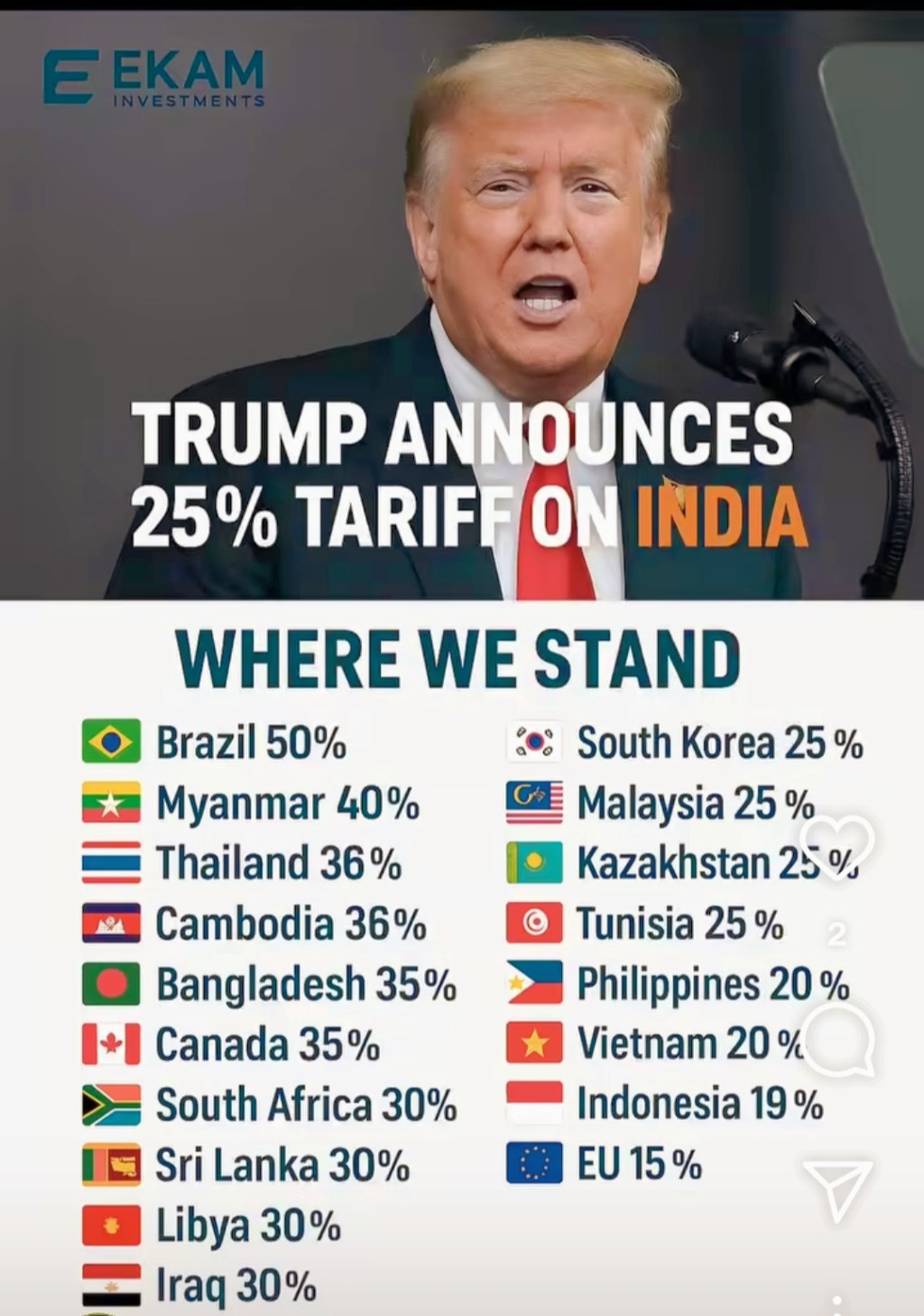
Caught between Russian ties and American tests of loyalty, India faces a tariff storm that challenges its trade policy, foreign diplomacy, and economic resilience. The path forward demands less symbolism and more strategy.
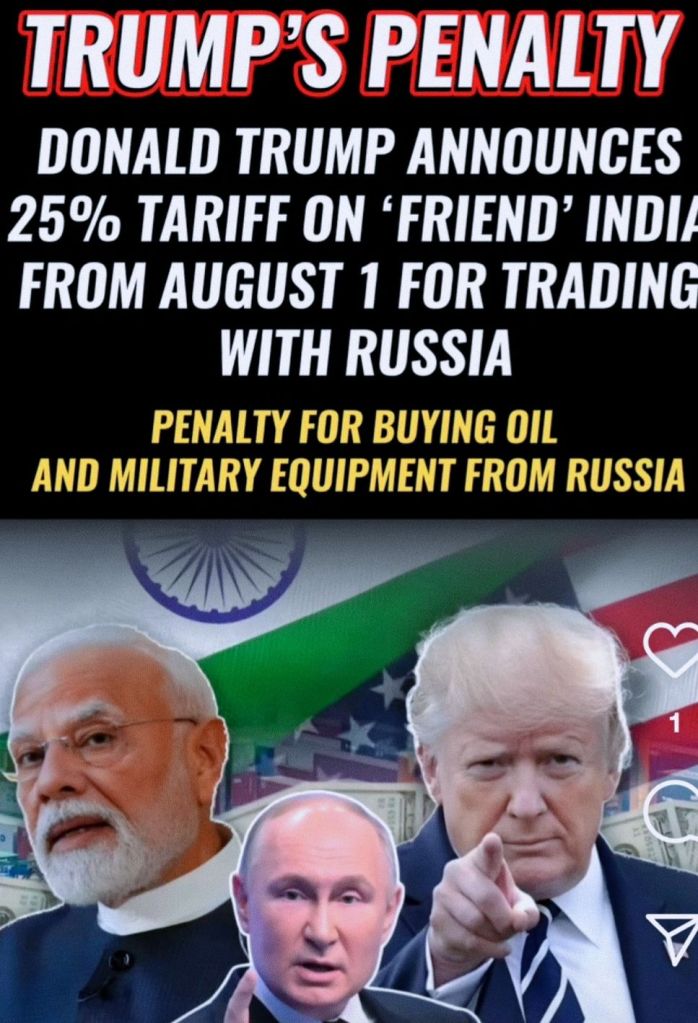
Between the pageantry of “Howdy Modi” and the complex undertones of the S-400 defence deals, India—one of the world’s most vibrant democracies—found itself navigating a nuanced chapter in its relationship with the United States, often described as the world’s most dynamic. On August 1st, the U.S. administration, under President Donald Trump, imposed a 25% tariff on select Indian exports—a move that many interpreted as a call for recalibrated alignment in an evolving global order.
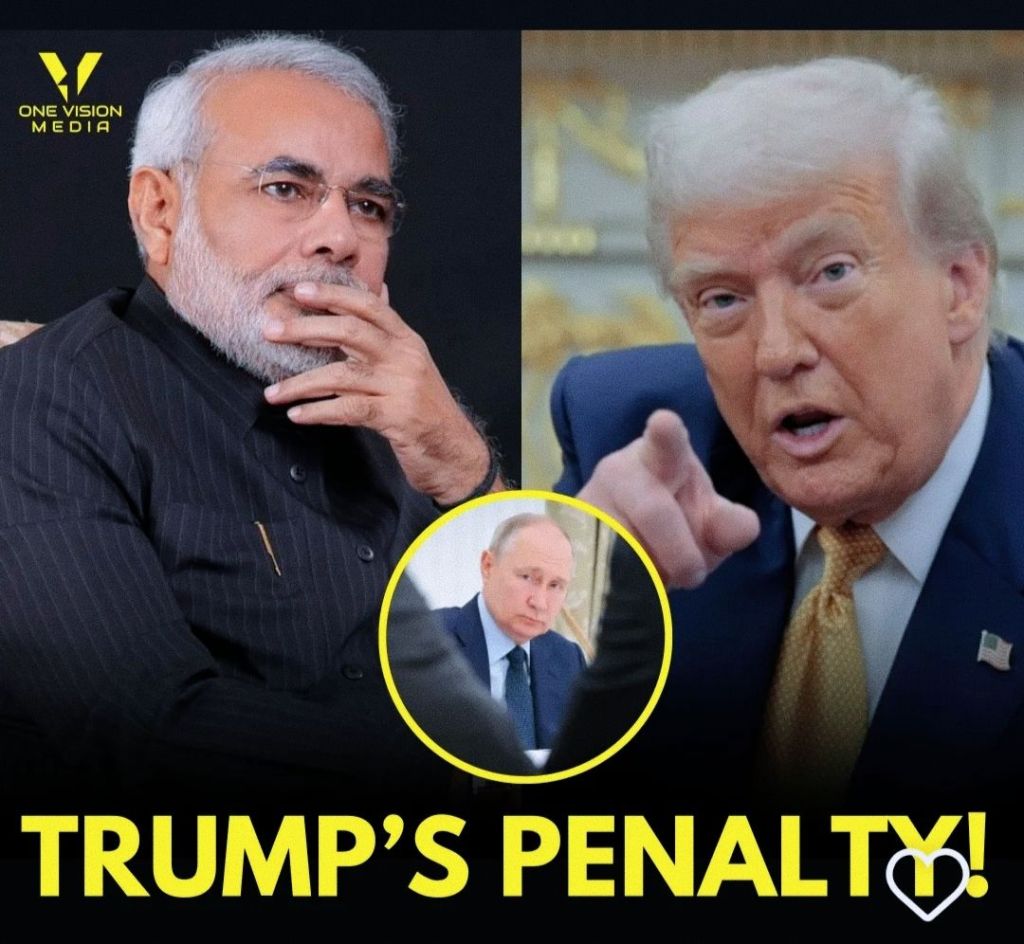
The tariffs, though sudden, were not without context. India’s continued engagement with Russia on defence procurement and discounted energy supplies had drawn scrutiny in Washington. But rather than a rupture, this development presented a moment of strategic reflection. India’s steadfast approach—rooted in sovereign decision-making and strategic autonomy—stood as a reaffirmation of its independent foreign policy, even while maintaining strong partnerships globally.
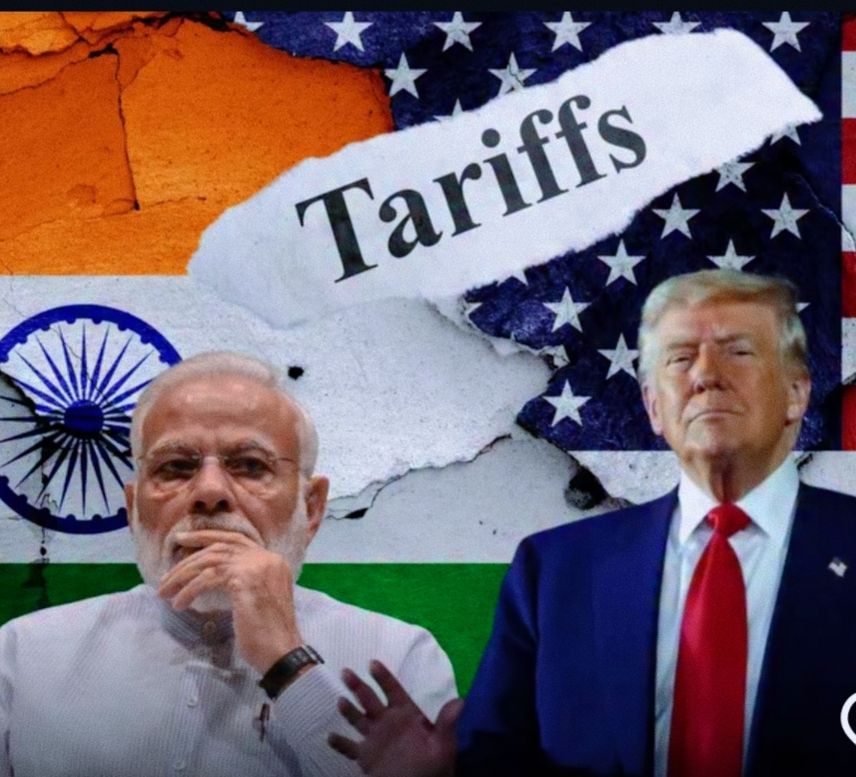
Prime Minister’s response was measured and resolute. The Ministry of Commerce reiterated its commitment to safeguarding the interests of farmers, MSMEs, and broader economic sovereignty. Behind the scenes, there was less a retreat than a recalibration—one focused on long-term economic resilience and diplomacy built on mutual respect.
Economists viewed the development through a constructive lens. The pressure, they noted, might serve as a catalyst for India to revisit and streamline its own tariff architecture—not in concession, but to boost competitiveness and align with global best practices. Strategic provocation, if approached with clarity and purpose, can often drive overdue reform.

The economic impact was tangible. Exporters of auto components, textiles, jewellery, and engineering goods felt immediate strain. MSMEs, integral to India’s export engine, faced fresh challenges. Yet adversity often ignites innovation. Indian enterprises have demonstrated remarkable agility in adapting to global shifts—and this moment is no exception. Many are now exploring diversified markets, digital trade platforms, and product innovations that reduce dependency on preferential access.
The United States, too, was not untouched. India’s reciprocal tariffs on 28 American products, including agricultural items, reflected a calibrated assertion of its economic interests. While the response lacked the theatrical optics seen elsewhere, it conveyed India’s intent to protect its domestic sectors while keeping the doors open for dialogue.
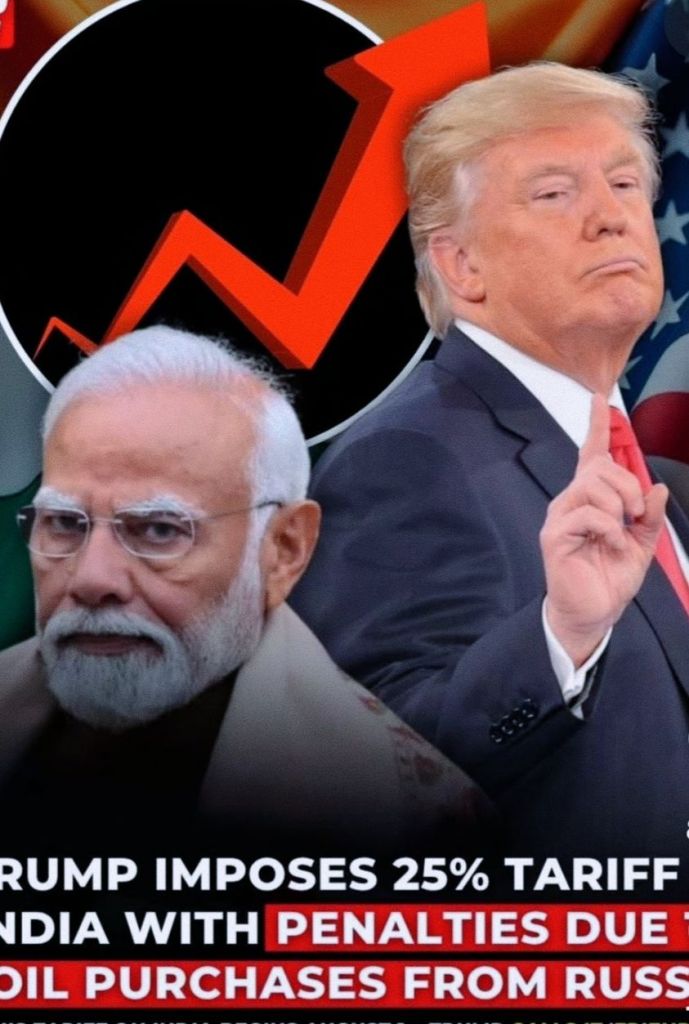
More importantly, the episode illuminated the evolving nature of Indo-U.S. engagement. It signalled a shift from symbolic events to the more substantive domain of negotiation, where trade intersects with diplomacy, security, and technology cooperation. India’s growing leadership in multilateral forums such as BRICS, the Indo-Pacific framework, and South-South partnerships speaks to its increasing relevance as a stable and trusted global actor.
Critics questioned the absence of dramatic countermeasures or high-profile exemptions. But India’s approach—firm, principled, and quietly persistent—was not without merit. Upholding agricultural protections, resisting premature concessions on genetically modified food, and standing by WTO positions are not signs of intransigence; they are affirmations of a policy rooted in national interest.
In contrast to other U.S. trade partners who secured short-term relief through concessions or security agreements, India chose a longer game. While the resulting “mini-deal” may have covered only a fraction of the impacted goods, it preserved strategic room to manoeuvre in future negotiations.
Moving forward, the path is clear: diplomacy must be backed by a comprehensive and creative strategy. India has the opportunity to present proactive solutions—such as exploring technology partnerships, joint action on supply chains, and sectoral collaborations—that both protect its interests and address U.S. concerns. Precision, not provocation, should define its trade playbook.
At home, the focus must be on strengthening India’s export ecosystem. Rationalizing tariffs, enhancing product standards, reducing logistics costs, and supporting MSMEs will insulate the economy from future shocks. The goal is not to yield under pressure, but to grow stronger from it.
Trade tensions are seldom resolved in headlines—they are settled at negotiation tables. India’s challenge is to lead with a blend of pragmatism, principle, and foresight. The world is watching—not just how India reacts, but how it reimagines its role in shaping the global trade landscape.
And as history has shown, when India combines resolve with vision, it doesn’t just weather storms—it sets the course forward.
Visit arjasrikanth.in for more insights
 SOCIAL PERSPECTIVES