When Traffic Jams Turn Deadly, Footpaths Disappear, and Governance Takes a Coffee Break—Can India’s Cities Be Saved Before They Sink, Sizzle, or Suffocate?
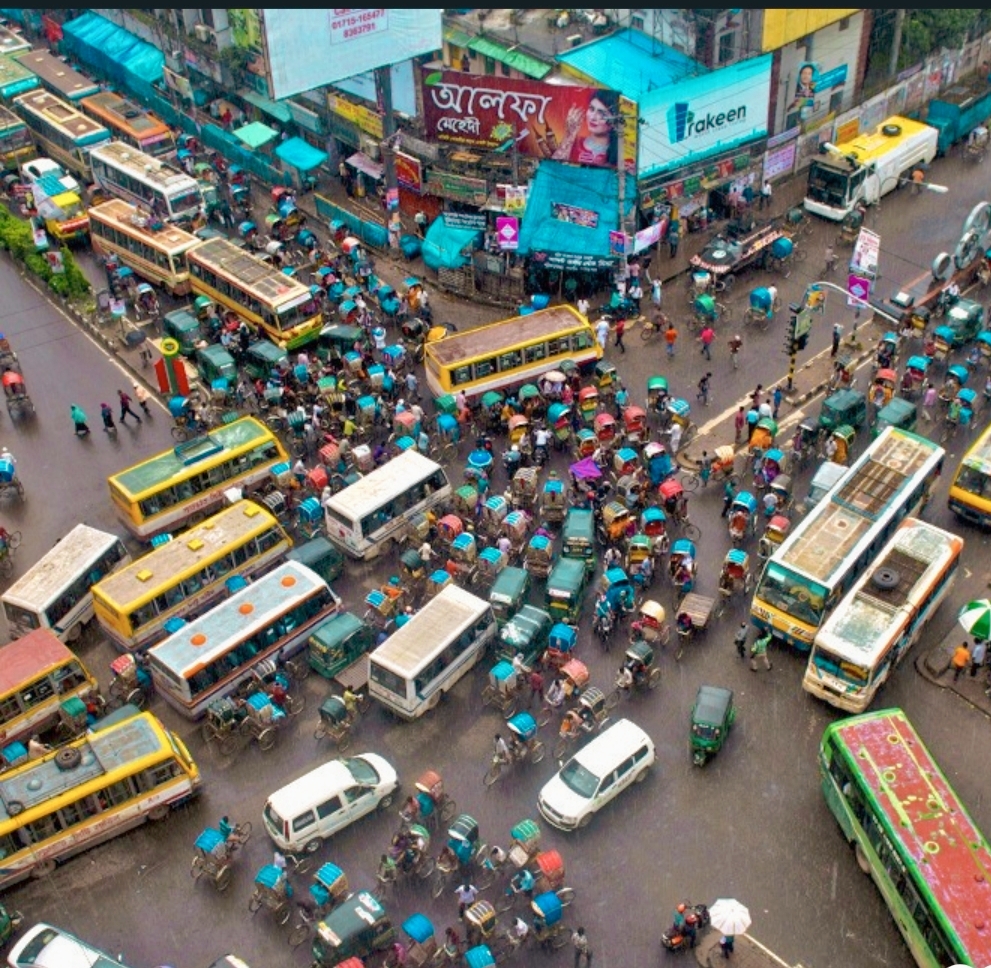
Welcome to the slow-moving disaster we call urban India. You thought your biggest problem was a traffic jam on the way to work? Think again. Every honk, every pothole, every illegal encroachment, and every clogged drain is quietly scripting the next flood, heatwave, or smog crisis. We’re not just congested—we’re cooked, choked, and drowning, all at once. Our streets have turned into climate traps, and the results are as apocalyptic as they are avoidable.

Let’s peel back the layers. When rain falls in cities like Mumbai or Bengaluru, it doesn’t gracefully percolate into the earth. It ricochets off plastic-strewn roads and concrete jungles, desperately searching for a drain that doesn’t exist—or worse, one that’s clogged with last month’s garbage. What results isn’t a gentle downpour, but instant waterlogging, submerged homes, stalled ambulances, and viral videos of cars floating like helpless ducks. We witnessed it in Chennai in 2015, and again in Bengaluru in 2022. Concrete may not bleed, but it certainly floods—with vengeance.
Now layer in the heat. Asphalt streets sans trees, clogged with honking, idling vehicles, become urban frying pans. Thanks to the Urban Heat Island effect, cities can be 5–7°C hotter than nearby rural areas. That’s not climate change—that’s climate assault. Add in a lethal cocktail of vehicle fumes, construction dust, and PM2.5 particles thick enough to chew, and suddenly, you’re not commuting—you’re slow-cooking in a gas chamber. Delhi’s air, let’s face it, is more toxic than a Marlboro habit on steroids.

Aqnd let’s not forget the carbon footprint from all this madness. Traffic snarls are not just irritating—they’re catastrophic. Cars burn fuel while moving an inch every minute. CO₂, nitrogen oxides, and a buffet of pollutants are belched out, celebrating the great Indian paradox of development: racing toward progress while stuck in traffic. We keep dreaming big—smart cities, bullet trains, trillion-dollar economies—while the ground beneath us cracks, smogs, and sinks.
But our real villain isn’t asphalt or carbon—it’s governance, or the lack thereof. Our cities grow like runaway slime—no shape, no system, no shame. Flyovers lead nowhere, drains open into dead ends, traffic signals blink like confused disco lights. There’s no coordination between city planners, transport authorities, environmental agencies, or citizens. Every department works in silos, and the city suffers in chaos. We’ve perfected the art of making unlivable spaces and calling it “urbanization.”
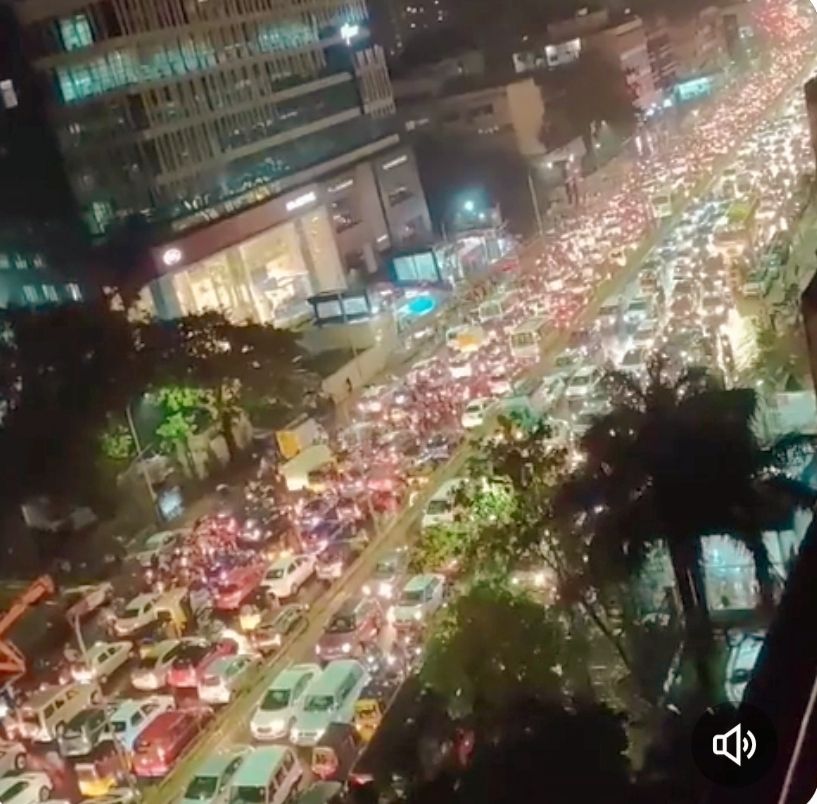
And then there’s us—the citizens. We worship the car like a deity. Public transport? Crowded. Walking? Dangerous. Cycling? Laughable. We double park, honk like maniacs, ignore traffic lights, and treat sidewalks as private parking. Add to this mix a city administration more interested in erecting statues than sewers, and you get a behavioural ecosystem built to implode. Enforcement is a joke, planning is a tragedy, and maintenance is pure fiction.
Yet, amidst the madness, a few cities have dared to hit the brakes and pivot. Pune’s ‘Streets for People’ reclaimed road space for cyclists and pedestrians, even installing rainwater harvesting on streets. Chennai cleared illegal structures from waterways—simple action, massive impact. Indore went plastic-free. Baby steps, yes—but each one proof that change is possible when courage meets policy.

Globally, cities are sprinting past us. Copenhagen runs on pedal power, with over 50% of people commuting by cycle. Amsterdam has underground parking for bicycles, not SUVs. Singapore’s dynamic tolling makes driving a wallet-crunching decision, nudging citizens towards trains and buses. New York booted cars out of Times Square. Can you imagine Connaught Place without a traffic jam? Neither can our planners.

The path forward is not rocket science—it’s road sense. Policy must treat climate resilience as central, not optional. Make green, permeable streets mandatory. Introduce congestion pricing and use the funds to build better buses and metros. Create EV-only corridors. Build rain gardens and bioswales to gulp floodwater. Use native trees, not ornamental ones, to provide real shade and real oxygen.
And yes, we need to throw money at the problem—but smart money. Green bonds. PPPs. CSR funds. Pune has corporates paying for cycle tracks. Surat is raising climate funds locally. Innovation isn’t the problem—imagination is.
Because, truth bomb: our streets are where the climate crisis is playing out in real time. They are the frontlines. It’s where heat simmers, floods erupt, fumes accumulate, and lives are lost quietly—commute by commute. But they can also be where a renaissance begins. Not by dreaming of futuristic smart cities, but by fixing our dumb ones.

So, the next time you’re stuck in bumper-to-bumper traffic, sweating through your shirt, breathing poison, and losing minutes you’ll never get back—pause. You’re not just in a jam. You’re sitting at the crossroads of disaster and opportunity. And whether this turns into a graveyard or a garden is up to us. The choice, ironically, is in our own hands—on the steering wheel.
Visit arjasrikanth.in for more insights
 SOCIAL PERSPECTIVES